Update July 2026

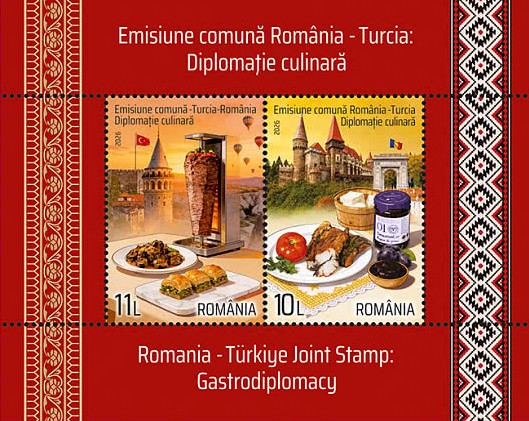
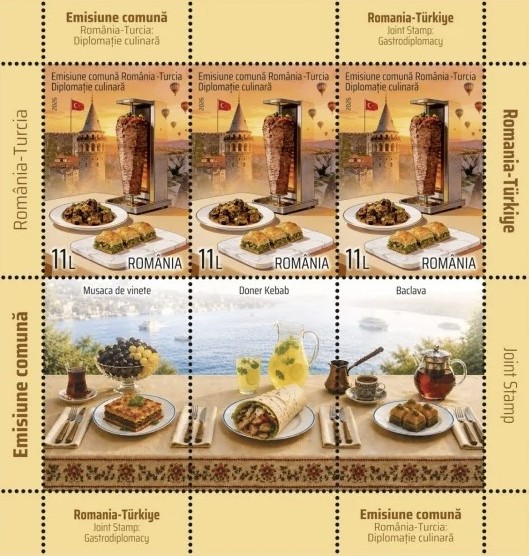
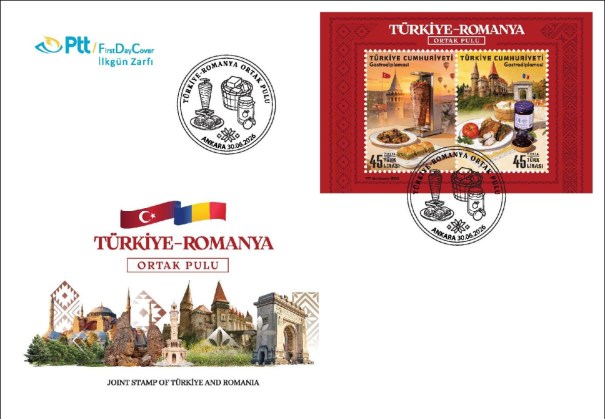
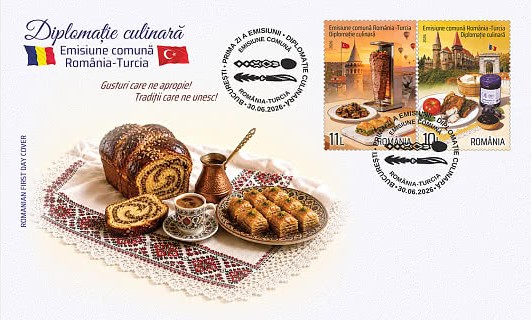
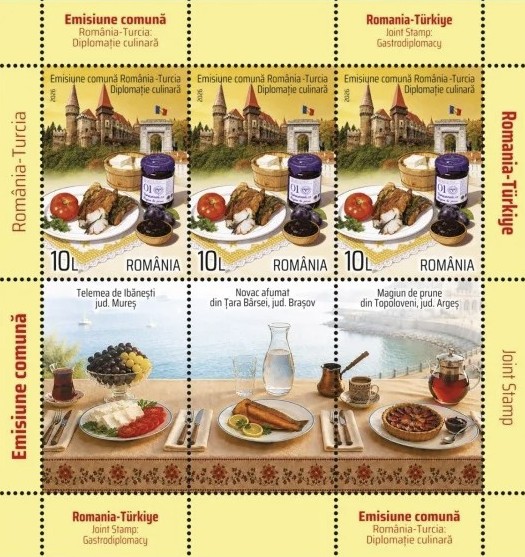
On June 30, 2026, Romania and Türkiye celebrated relationship with joint stamps depicting local gastronomy. Both countries issued two stamps with the same design. The postage stamp with the theme of Romania reproduces three representative products with European recognition: Topoloveni Plum Jam, Ibănești Telemea and Smoked Bighead Carp from the Land of Bârsa. On the stamp background are illustrated Corvin Castle located in the southwestern part of Transylvania, in the centre of Hunedoara County, and a miniature image of the Arch of Triumph in Bucharest, bearing the Romania’s flag. The postage stamp to the Republic of Türkiye, depicts the world-renowned Döner kebab, alongside a serving of eggplant moussaka and the traditional dessert known as baklava, set against an iconic view of Istanbul featuring the Galata Tower with a Turkish flag.

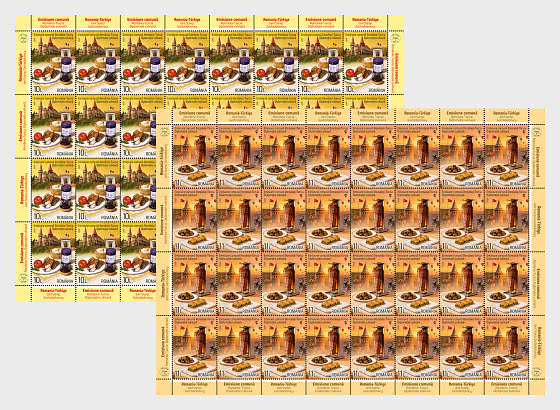
Turkiye issued the pair of stamps as se-tenant included in a souvenir sheet produced at 100,000 samples. As usual, Romanian production is more complicated with both stamps produced in panes of 32 units (2x[8×4]) (2×8,768 stamps corresponding to 2×274 panes), but also in two miniature sheets containing three stamps each above three different labels (2×2,925 miniature sheets issued), as well as a souvenir sheet with both stamps se-tenant (4,500 souvenir sheets).
Big surprise with the Indonesia Uruguay joint issue scheduled initially for release on March 30, 2026 and remaining without news since: both designs appeared now on the web. Both countries issued a miniature sheet with 8 different stamps, showing as announced, handicrafts with jewelry. The stamps were issued on July 20, 2026, and for Indonesia apparently only at 3,000 samples.
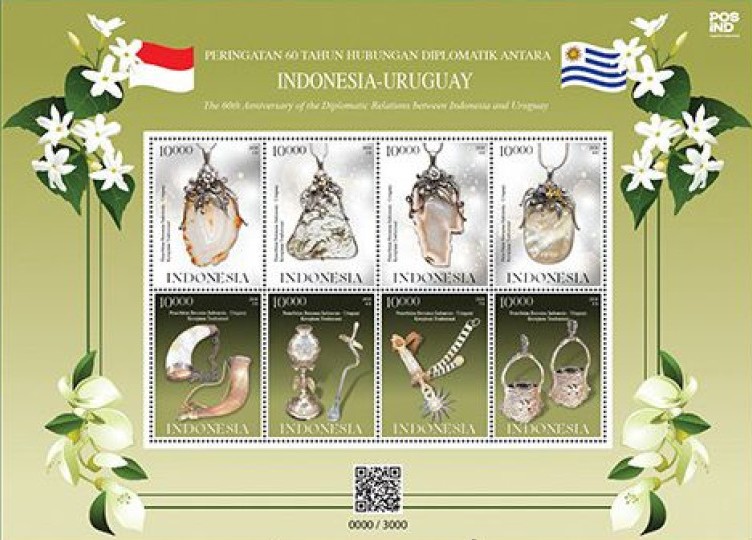
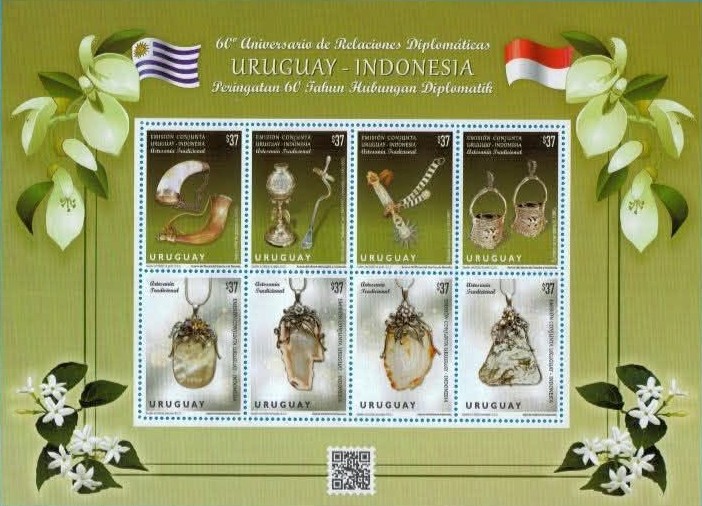
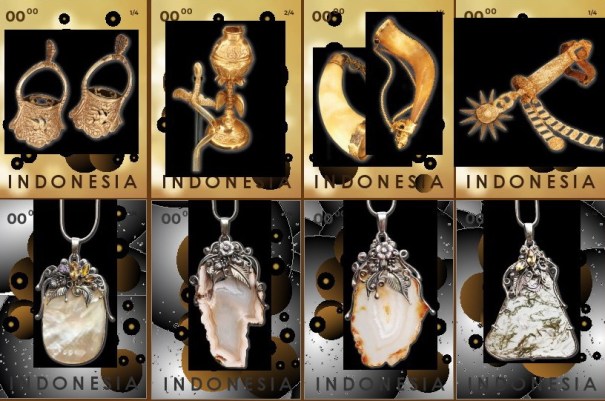
The stamps do show the items displayed based on the original proposal, but the overall design has been greatly modified. Below is a reminder of the image we had in hands since beginning of the year.
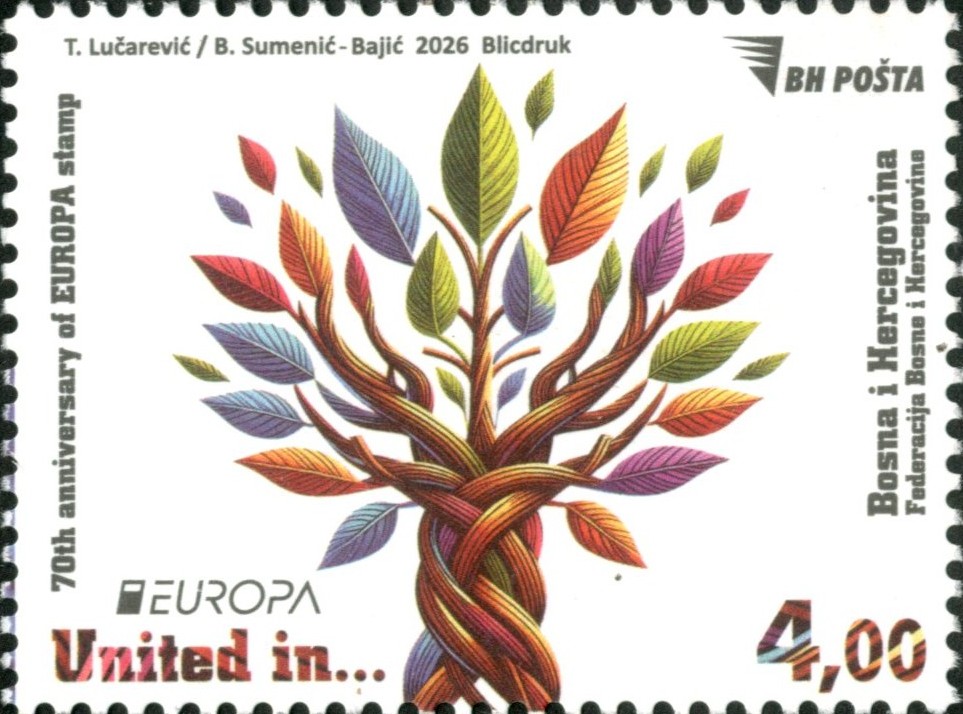
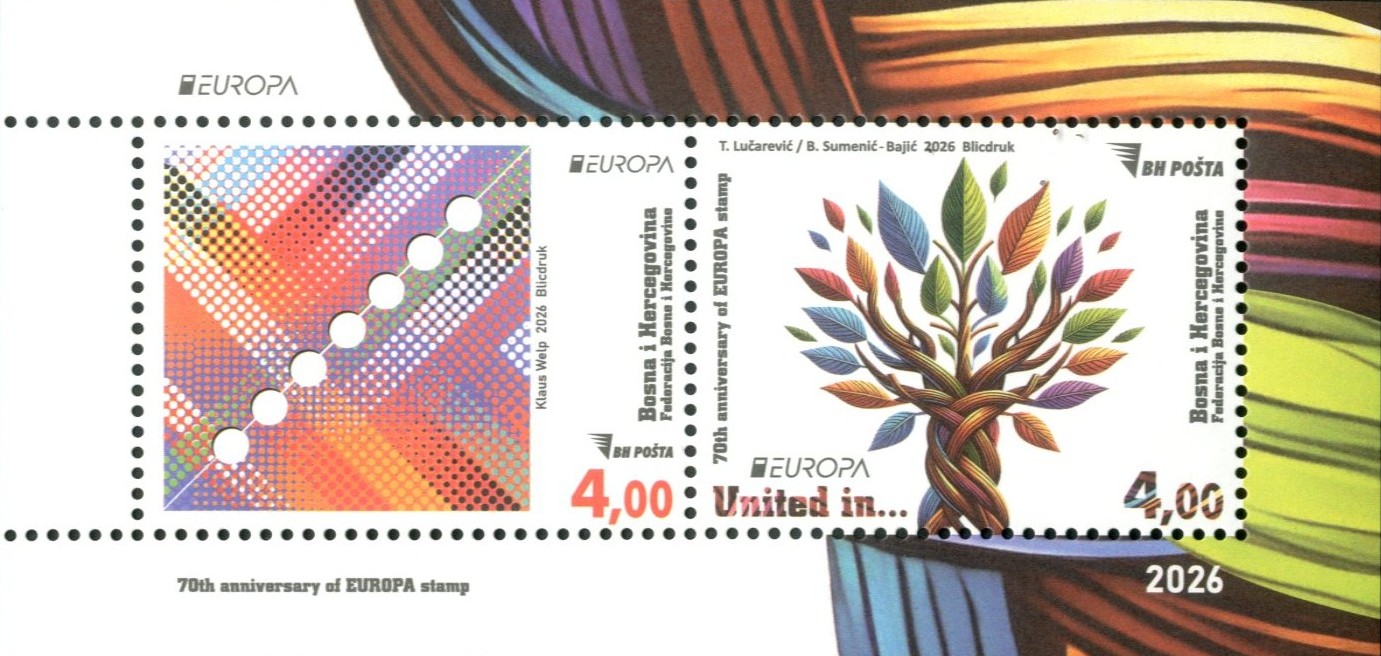
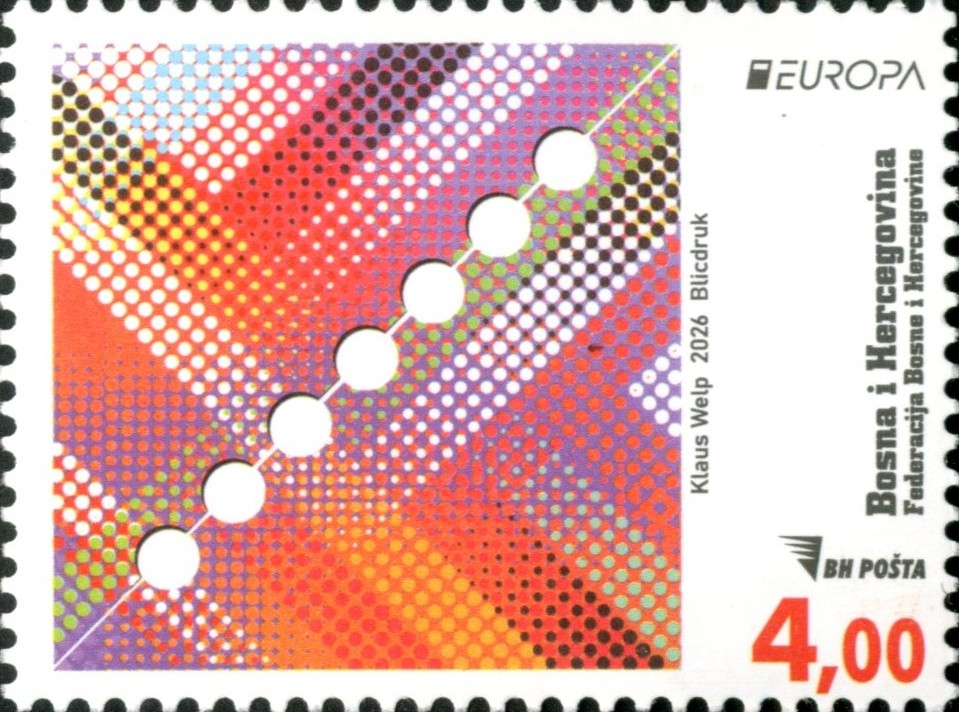
Regarding the 2026 Europa series [T20260508], Bosnia Herzegovina issued stamps on June 25, 2026 (and not on May 8 as initially scheduled). Bosnia Herzegovina issued two stamps, one with the common design, in panes of 10 stamps (2x[2×5]) and in a souvenir sheet containing both se-tenant stamps.

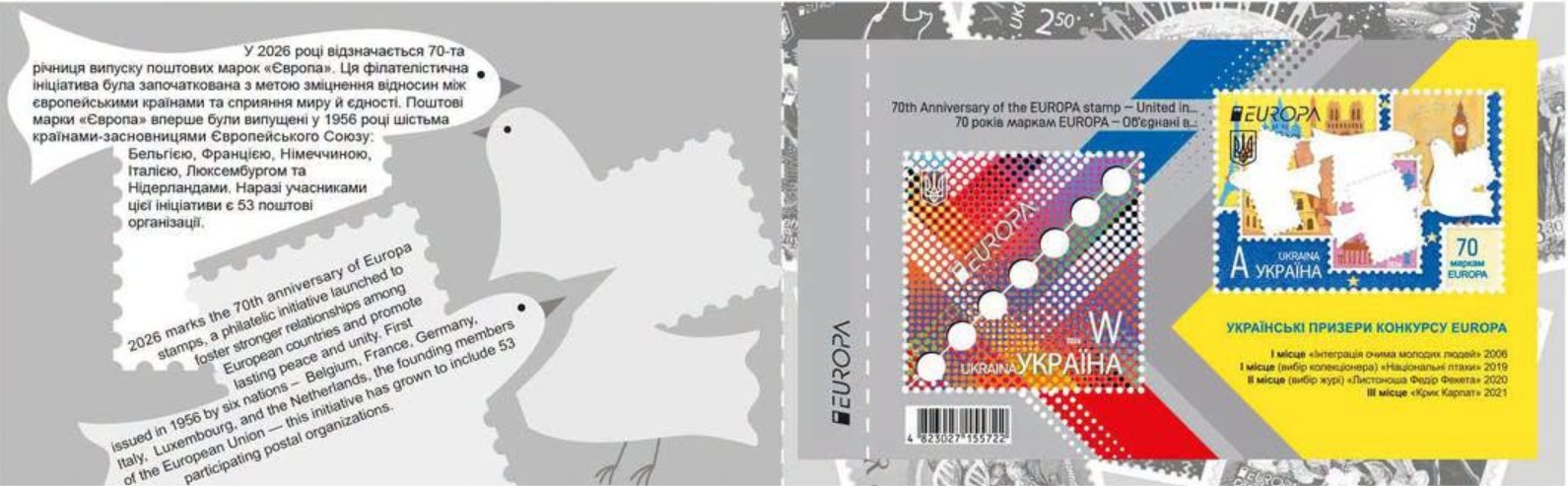
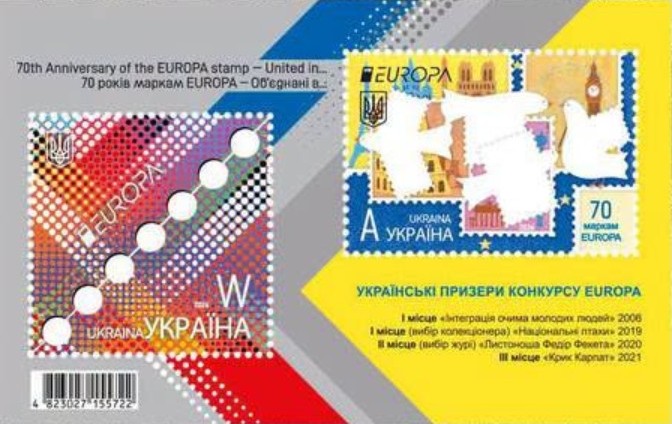
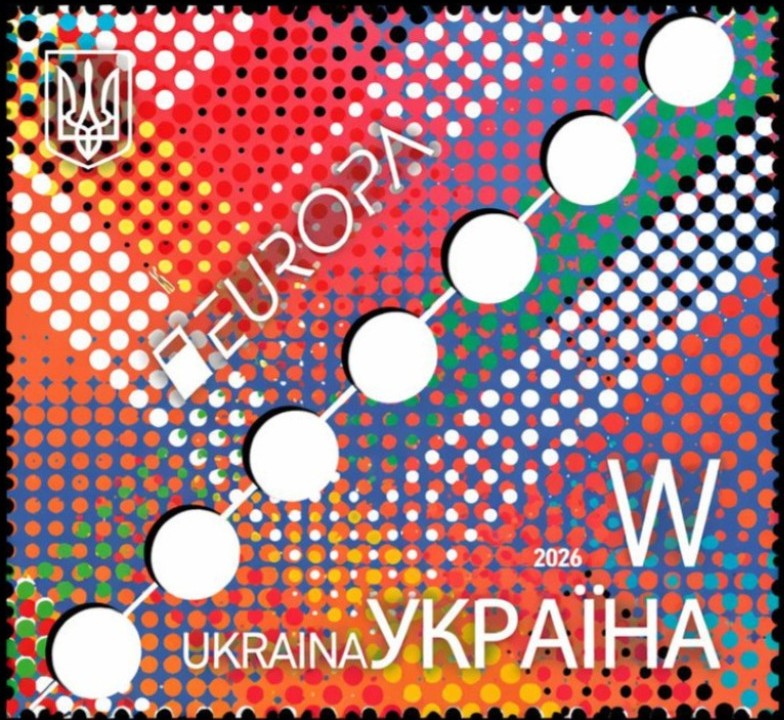
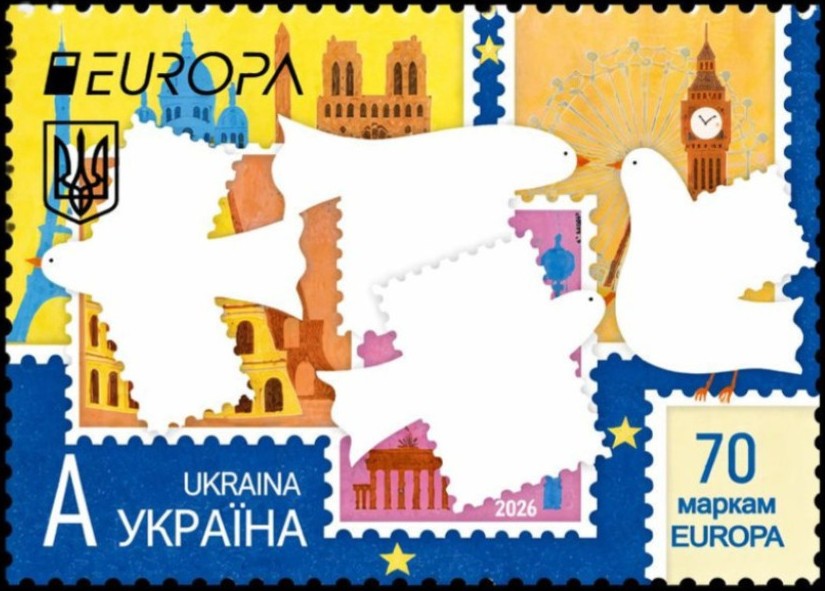
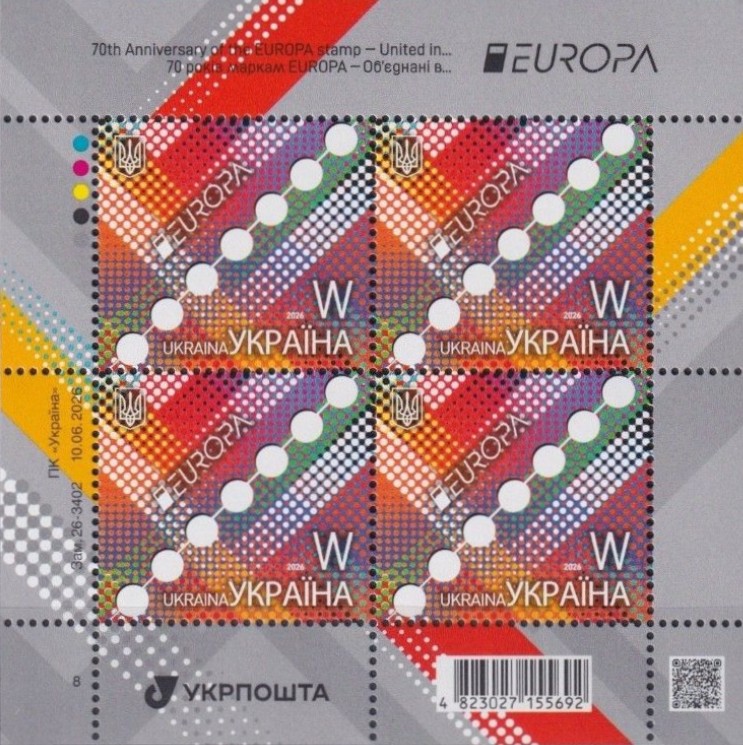
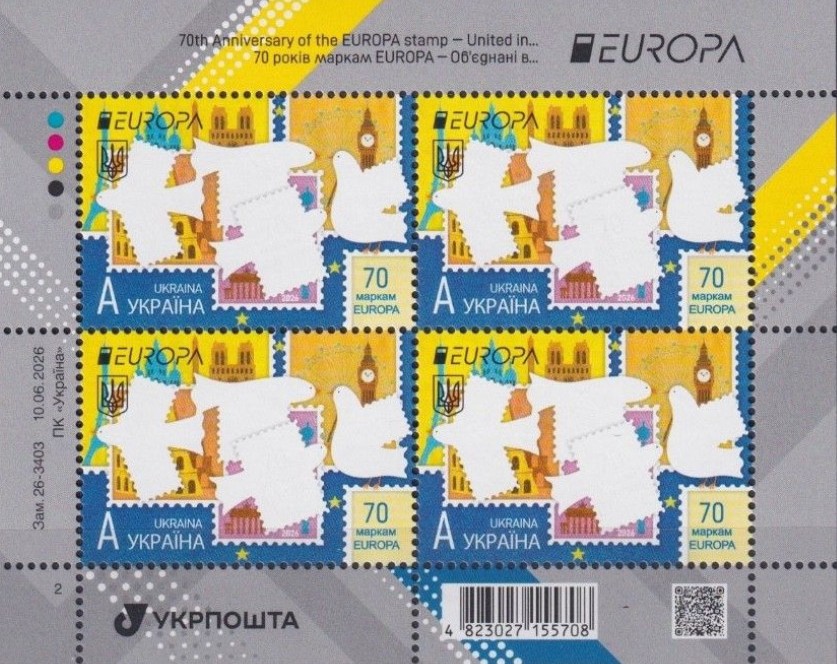
On July 10, 2026, Ukraine‘s Europa stamps were also released in forms of two different designs, available in miniature sheets of 4 stamps (2x[2×2]), a booklet with a souvenir sheet containing both stamps (issued at 1,700 samples) and a similar souvenir sheet with both stamps, issued at 4,400 samples (and available only for yearly Ukrainian stamp subscribers).
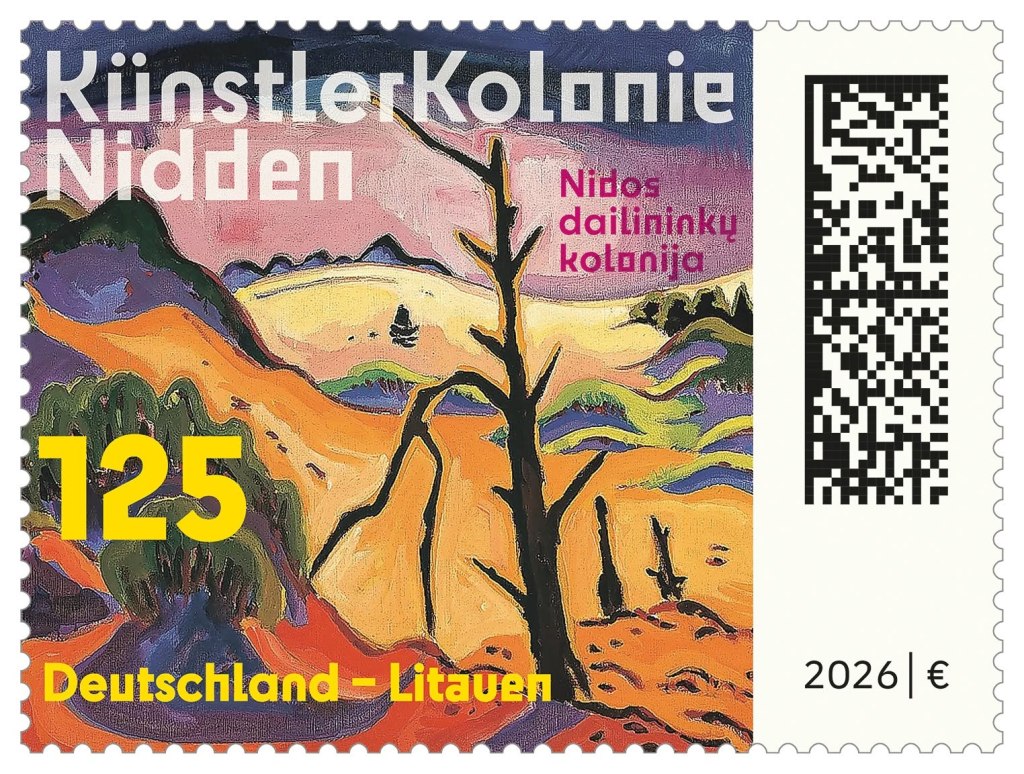
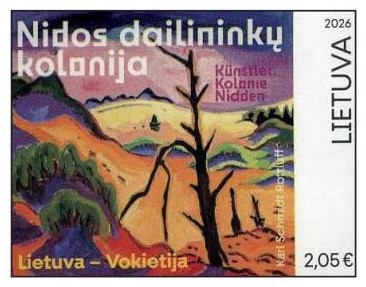
On August 6, 2026, Germany and Lithuania will celebrate with a joint issue, the existence of the Nida Colony, a Lithuanian coastal village that hosted numerous of artists since the end of the 19th century (at that time part of Prussia). The designs of the stamps became already available and show a painting from Karl Schmidt-Rottluff (1884-1976).
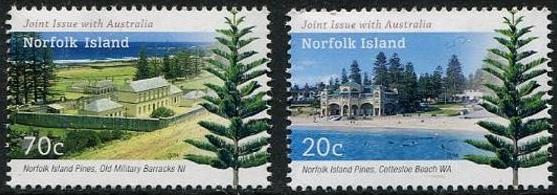
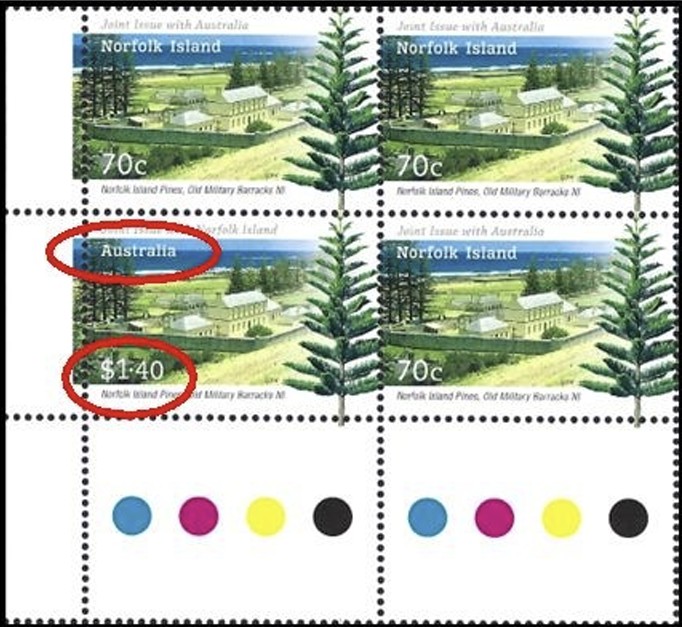
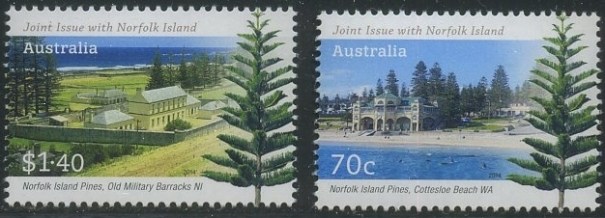
In the most recent issue of the the journal Pacifica (July 2026, Vol 64 N° 256), from the Pacific Islands Study Circle (PISC), B. Allen Shaw, a specialist of Norfolk, describes over two pages (p43-44) a surprising constant error in the panes of the Norfolk stamps from the July 22, 2014 joint issue with Australia [catalogue Vol 12, D20240722]. On that date, the Norfolk Island Philatelic Bureau, and Australia Post, produced four stamps of two designs featuring the emblematic Norfolk Island Pine. Endemic to Norfolk Island. The two designs featured were: a view of the Norfolk Island Pines on Cottesloe Beach, in Western Australia; and a view of the Norfolk Island Pines surrounding the Old Military Barracks, on Norfolk Island. The values of the Norfolk Island stamps were: 20c for the Cottesloe Beach design; and 70c for the Old Military Barracks design. The Australian counterparts were 70c and $1.40 respectively. The stamps were printed by RA Printing Pty Ltd, Melbourne, Australia, on Tullis Russell gummed paper in sheets of 50; two panes of 25 separated by a gutter, and the gutter having the printers colour dots only. The quantity of Norfolk Island stamps printed was 12,000 for each
value. This equates to 240 sheets of 50 stamps each.

An error occuring on each sheet of Norfolk Island 70c stamps was discovered: stamp #21, located in row 5 and position 1, was actually the Australian counterpart of this joint issue. The stamp is inscribed “Australia”, with the value of “$1.40”, in error. The remaining forty-nine stamps are correctly inscribed “Norfolk Island”, with the value of “70c”. The items (full panes) were discovered in the archives of the Norfolk philatelic offices. With the very low number of printed sheets (240) and the late discovery, it is possible that this archive sheet will remain unique. So, do not lose time to try finding another sample, but if so, do not hesitate to tell us.
Mario Moni (Italy) enquired about an explanation regarding the absence of description of some colonial Italian issues in the catalogue, while others, such as the 700th anniversary of the death of Saint Anthony of Padua [D19310507], the Graf Zeppelin’s airship journey [D19330505] or the Naples Colonial Exhibition [D19341016] are present. Mario’s additional list includes the following: Dante Alighieri Society, March 14, 1932 with additional value issued on August 6, 1932; Giuseppe Garibaldi, April 6, 1932; 10 years of Rome March, October 27, 1932; Balboa Cruise, May 20, 1933; Football championship, May 24, 1934; 100 years of the Courage Gold Medal, September 6, 1934 and 2000 years of August Emperor on September 23, 1937.

By re-checking the Italian colonies that have used the similar topics and stamps as basis (including Aegean Islands, Cyrenaica, Eritrea, Italian East Africa, Italian Ethiopia, Italian Libya, Italian Somalia and Tripolitania), it appears that none of the rare stamps issued at the same occasions as listed above can be considered as joint. Stamps issued at different dates with different designs (e.g. Balboa Cruise) are excluded on the basis of the definition of joint issues. Also, overprints of existing stamps from another country are not to be considered as joint as well. In particular, this is the case for the Aegean Islands stamps which are all overprinted Italian stamps. As a conclusion, the list of Italian territorial series [D] from the period 1927-1937 described in the catalogue seems to be complete already.

Catalogue pages were updated accordingly.
UPU 150th anniversary: a first update

As anticipated, the list of stamps issued at the occasion of the 150th anniversary of the Universal Postal Union and described in an earlier page was not complete. Very quickly after publication, several collectors provided additional information. Here I have to thank Ali Ahmed Med Achour (Algeria), Enzo Cafaro (Italy), and Tolga Caglayankaya (Netherlands) for some of these additional data.

This complementary list is divided using the same structure as the one provided earlier:

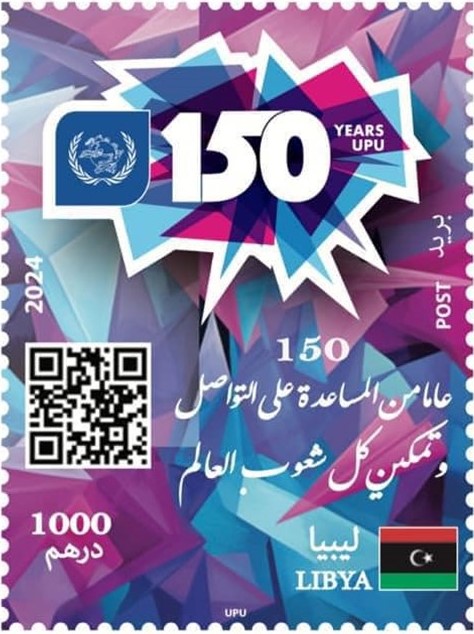
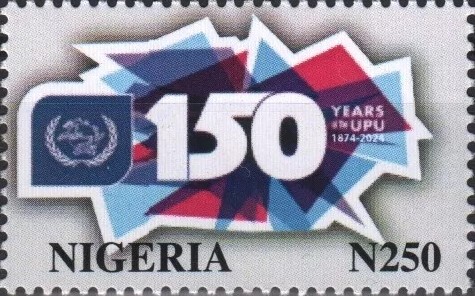
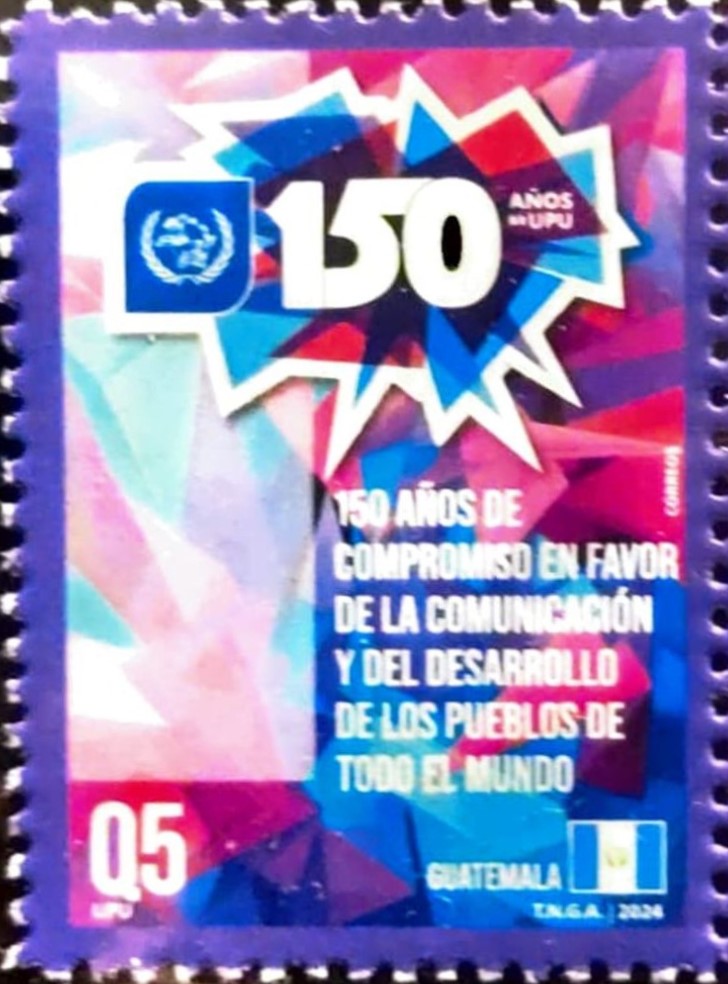
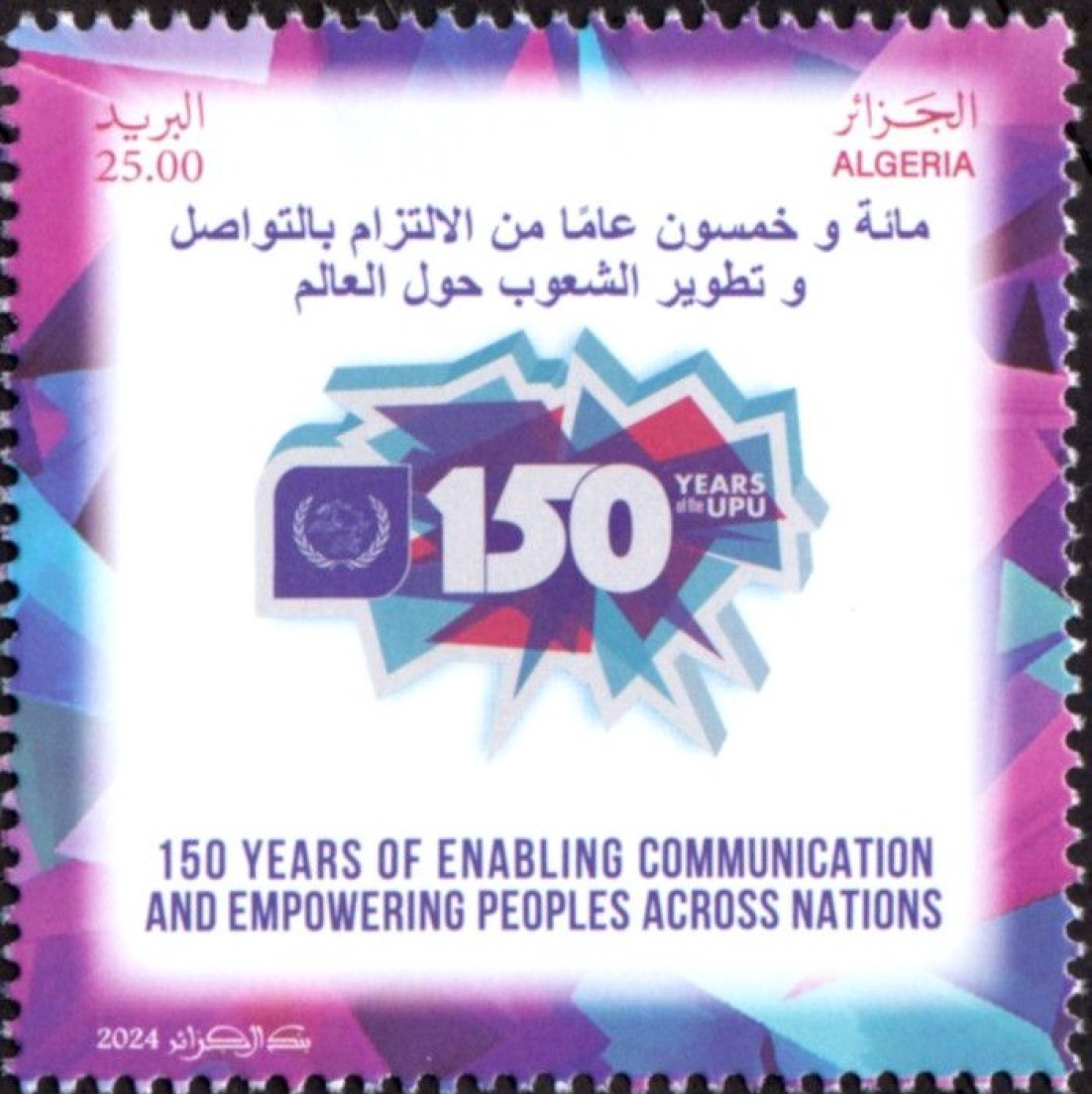
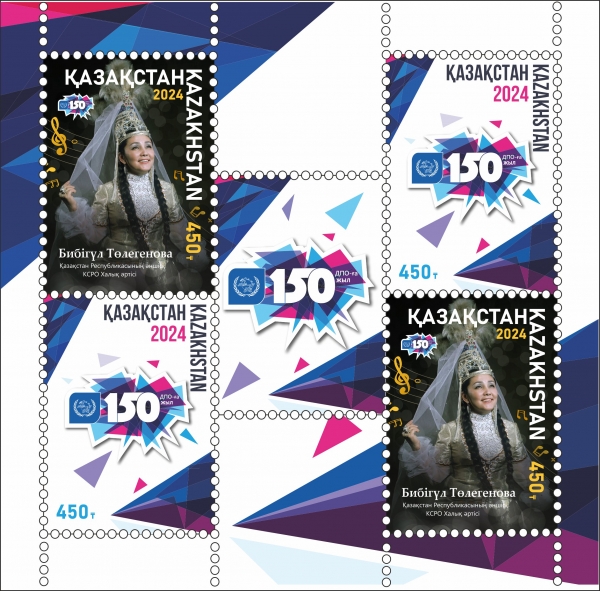
Countries of Type A (Twin [T1], same date, same design), additional countries: Cambodia Guatemala Kazakhstan (October 15) LibyaNigeria.

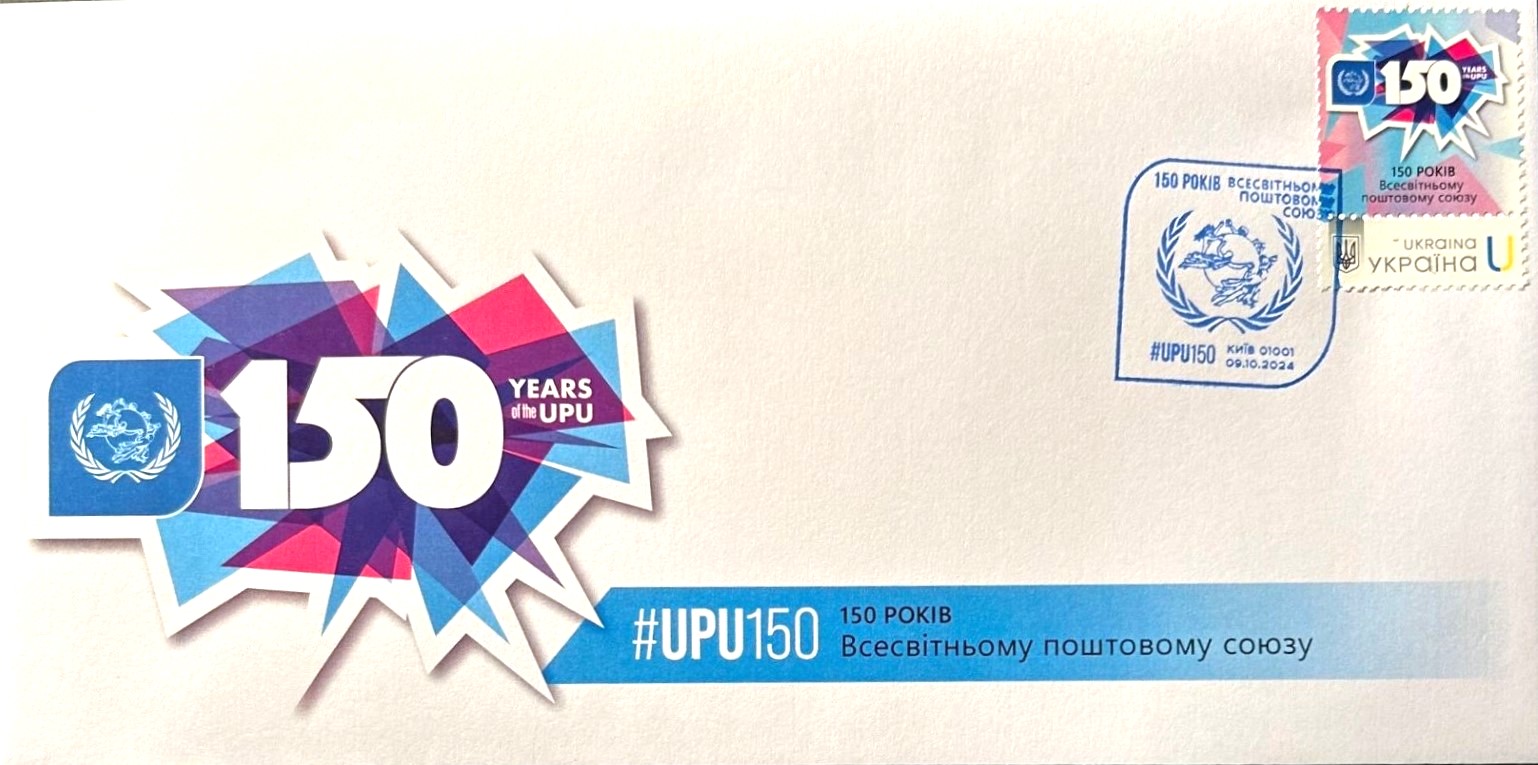
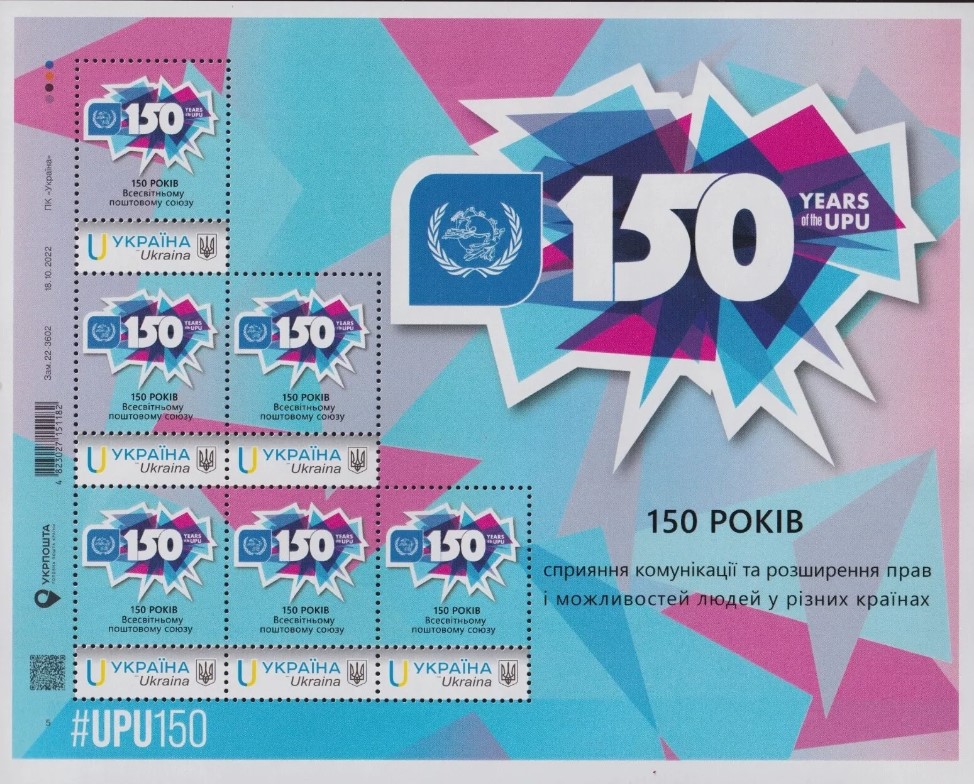
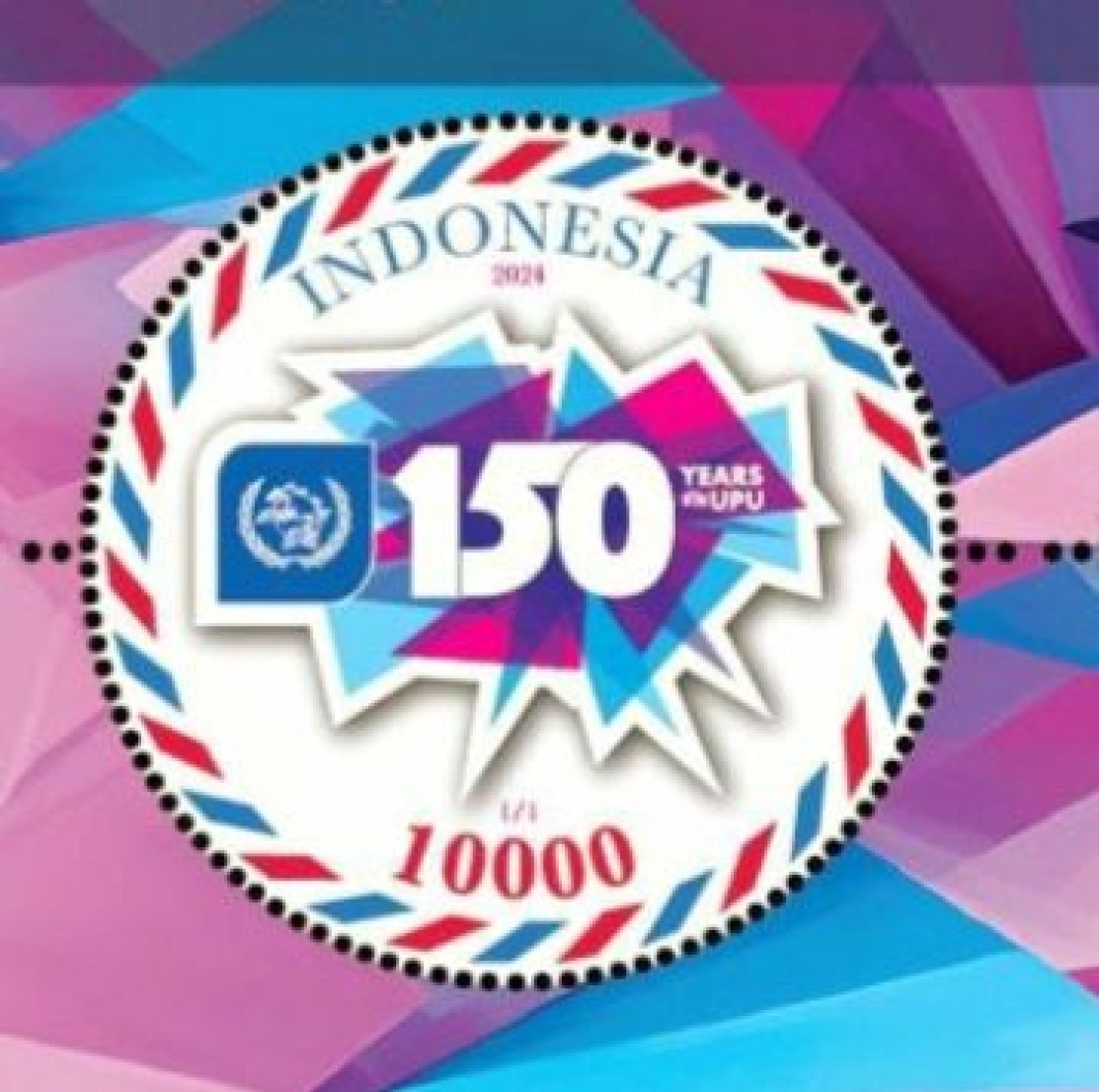
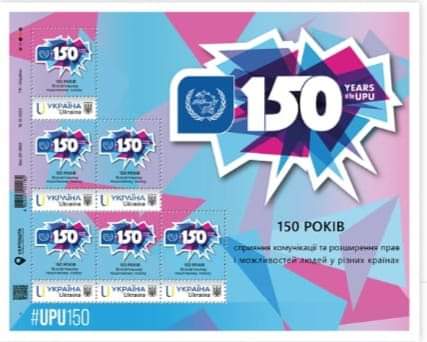
Also we have to report an additional product for Indonesia (souvenir sheet, illustration above). Already reported Ukrainian stamps available so far are provided in form of either isolated stamps or miniature sheets of 5 stamps made of a top part with the design and a label with the letter “U” which stands in place of the denomination. In these products, this letter “U” is located on the left side. It appears that in some FDCs, the label bears the letter “U” on the right side. FDCs with left-side positionned letter “U” do exist as well. Mint stamps or miniature sheets with “U” on the right side have not been seen so far. In fact, these Ukrainian products are from private production (personalized stamps), but approved by Ukrainian Post. Also, looking closer to the background of the illustrated part of each stamp, it appears that the miniature sheet shows 6 different designs background, which are different from the stamps in panes or used on FDCs.

New country of Type B (Concerted [C1], different dates, same design): Malta (October 31)

In this series it was also discovered that Mali stamps produced with denomination 200F and 1000F, do exist as miniature sheets of 6 and panes of 20 (French language), also as a postal card, but the 1000F value became also available in 5 additional languages in panes, in souvenir sheet of 6 different stamps, with two different formats ([2×3] and [3×2]), perforated or imperforated. This is obviously expensive material to fool collectors (even if reported as ‘official’, they will never reach postal offices) and as such, they will be reported in italic characters in the catalogue with the mention ‘not recommended to buy’. Just as an additional note, the denomination of 1000 Malian Francs (FCFA) is equivalent today to about € 1.50. Right now, as these stamps are still supposed to be available from the Malian post office (if true), one should not pay more than twice this amount. Otherwise, the terms of “official” or “proof” are just artificial and shortage/rarity is organized by the printer.

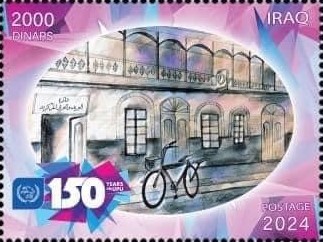
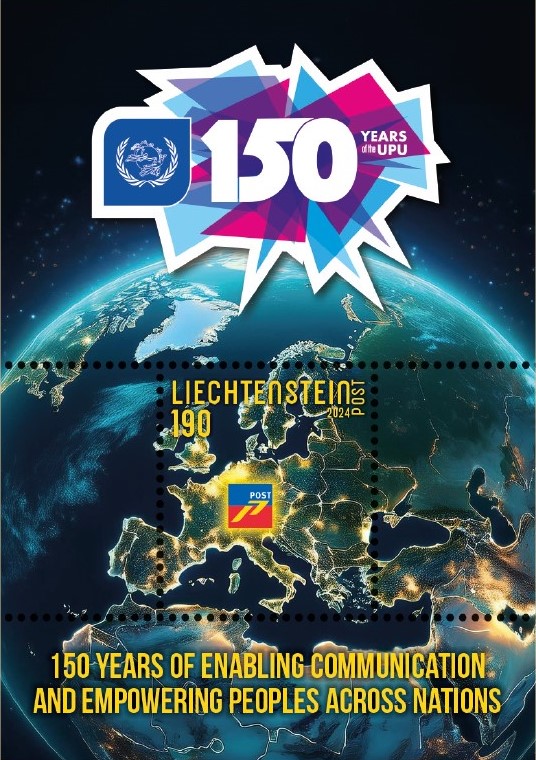
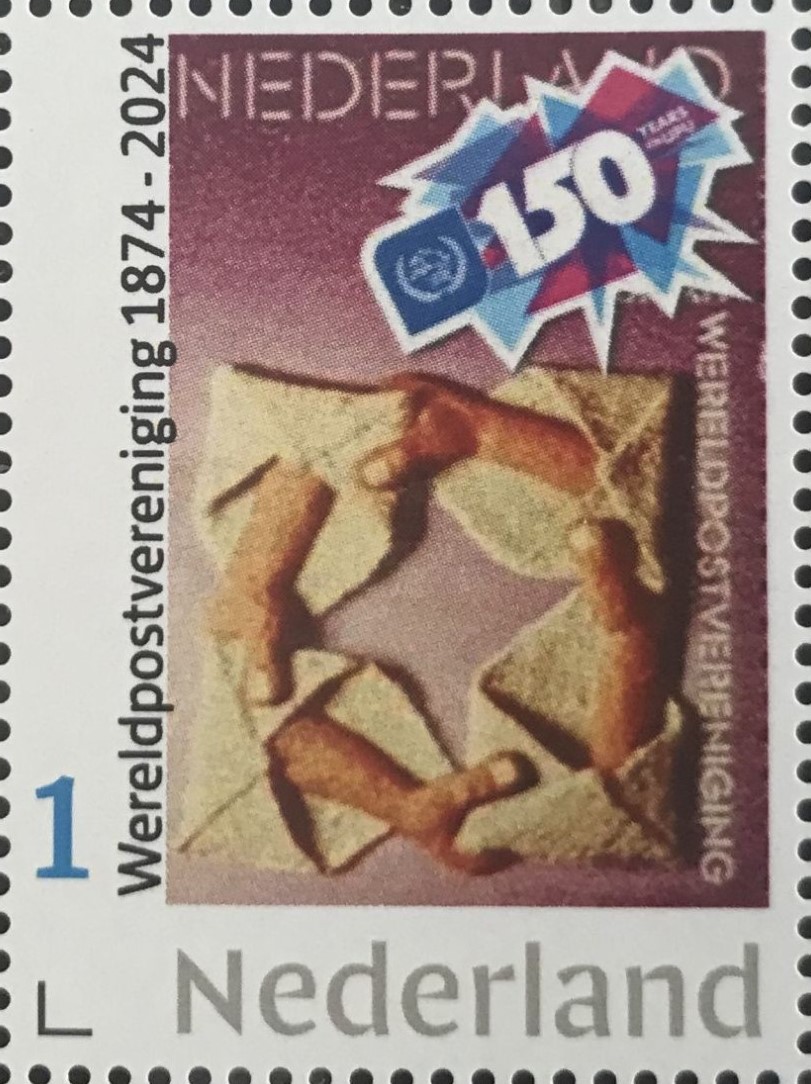
New countries of Type C (modified design – only logo [T2], [C2]): Botswana (September 29) IraqLiechtenstein Netherlands. The information about Liechtenstein and Netherlands stamps is still uncomplete. It seems that these stamps were produced last minute and they are not described with details in the official channel).

Regarding Botswana, the country issued on September 29, 2024 four different zebra stamps in panes and together in a miniature sheet with the four stamps. A fifth stamp became available as part of a souvenir sheet with the UPU logo in the margin. Only this souvenir sheet can be considered as being part of the joint issue.

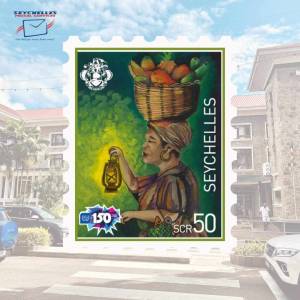
New country of Type D (different design, but same date [P1]): Seychelles

New country of Type E (different design, different date [N]): Poland (1 stamp, October 30, 2024)

This is a first update, because it is quite clear that more stamps related to this anniversary will be released (or simply discovered), probably even during the year 2025.

UPU 150th anniversary

The Universal Postal Union (UPU) is a specialized agency of the United Nations (UN) that coordinates postal policies among member nations and facilitates a uniform worldwide postal system. It comprises 192 member states and is headquartered in Bern, Switzerland. It was established on October 9, 1874, exactly 150 years ago.

Since more than one year, we know that this anniversary will be celebrated with a stamp which common design was proposed by UPU. In the past, the 75th (1949) UPU anniversary was celebrated, but in a non-coordinated way, mainly by colonial entities (British, Dutch and French – D19490704, D19491001, D19491010, D19491018) and the 100th (1974) anniversary with stamps that remained different for all participating countries (N19741009). The same situation happened in 1999, with absence of concertation for the 125th anniversary celebration (N19991009). Eventually, so far, only the 145th anniversary in 2019 (T20191009b) could be considered as a Twin issue.

During this year of 2024, a very large number of countries are participating. In the strict sense, this has to be considered as a true joint issue, even if there was no real cooperation between countries, but a proposal of a design accepted by most of them and translated in a locally adapted stamp, for a large part of them issued at the anniversary date. It is not an Omnibus series, as Omnibus is defined by a central printing, not by the large number of participating countries. The 2024 stamps will be reported in the catalogue as a Twin issue under [T20241009]. It is easily understandable that some joint issues collectors do not integrate such large series in their collection, in the same way Europa-CEPT stamps are not acceptable for them. Each individual collector has to decide on the basis of the following.

In the catalogue, the countries will be divided in subgroups:

  • A: the countries which take the exact original design proposed by UPU and issue the stamp(s) on October 9, 2024 (or actually around this date, plus or minus a week, roughly between October 1 and October 17, 2024), according to the definition of a twin issue [T]
  • B: the countries which take the exact original design but issue the stamp at a different date. It should not be surprising if some countries may issue their stamp in 2025 or even 2026. This is the equivalent of a Concerted issue [C]
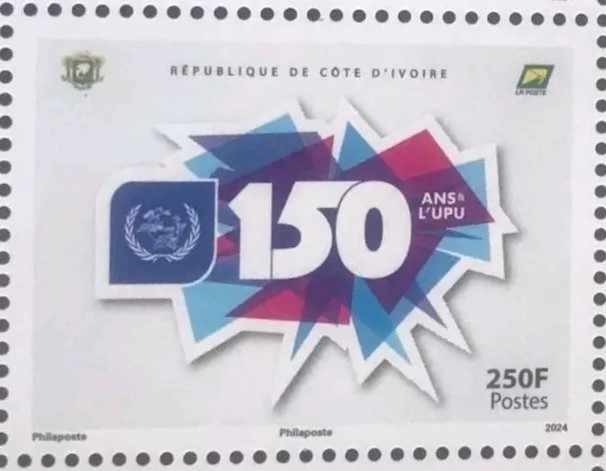
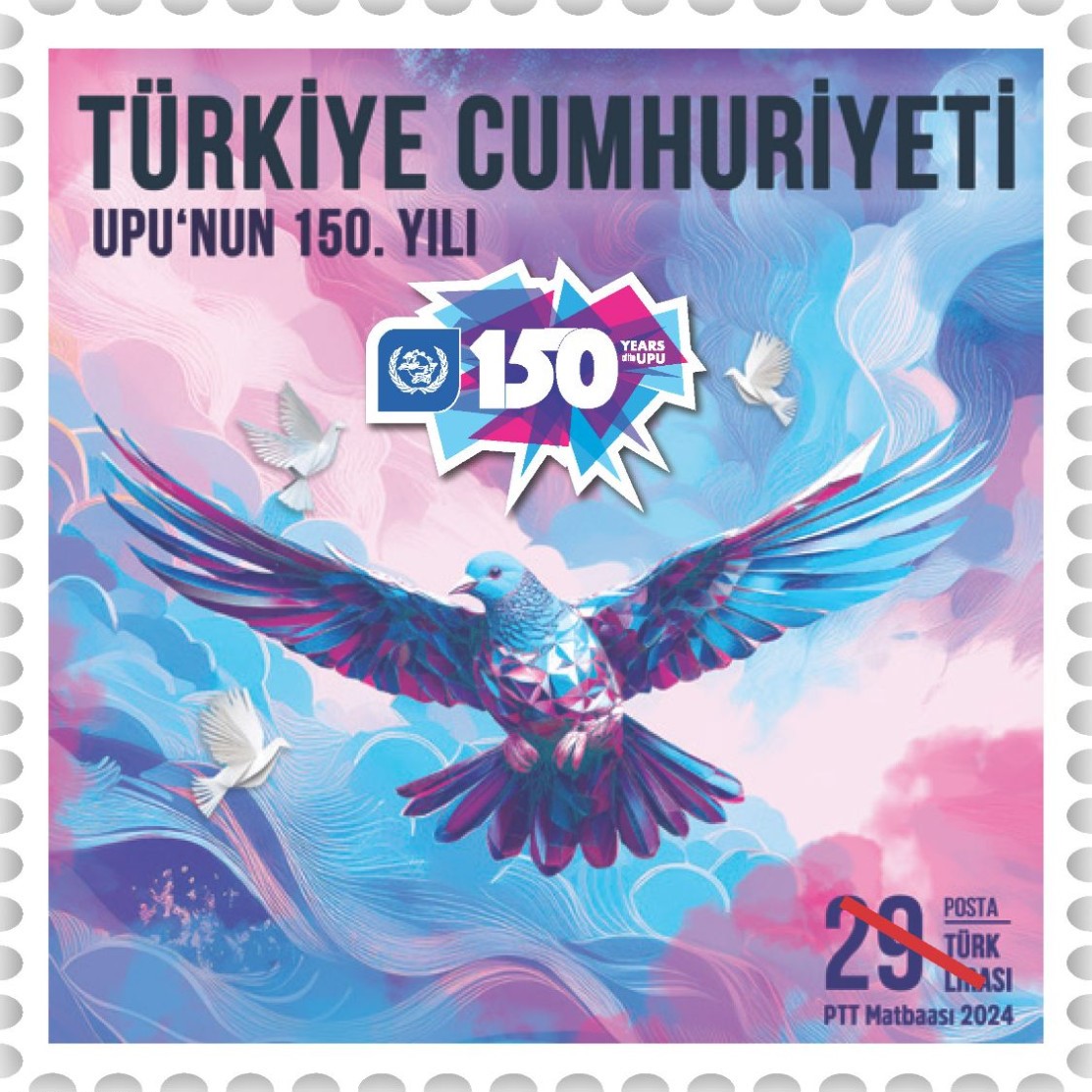
  • C: the countries which use only a part of the design, actually integrating only the “150” logo and add some other illustrations. This logo can appear within the stamp, or on the margin of a souvenir sheet or within a label. Those stamps are also considered as twin or concerted issues of Type [T2] or [C2]
  • D: the countries which use a completely different design, but still issue their stamp(s) around October 9, 2024. This is the equivalent of a Parallel issue [P]. In this case, the original logo may appear on the stamp, but at a size that remains smaller than the half of the surface of the stamp
  • E: finally the countries that do not want to stick to design and date, and work on their own, just referring to the UPU anniversary. These countries are simply listed, without details, as they cannot be considered as joint [N].
We will have again to take care of stamps that are created by agencies that are producing stamps for certain countries but which have been given the freedom to issue stamps without a real control from the reference countries. These stamps are easily recognized by the number of stamps issued in a series and they are produced to fool collectors. In order to better identify these stamps and because they remain real stamps but never reach the originating country, they will be reported in the catalogue, but in italics. In the same way, some other stamps such as the French stamp with a full common logo are of private origin (personalized stamp) that cannot be considered as part of this joint issue either. This will be true for any other privately produced stamp from other countries, if any, and also described in italic characters.

The countries for which we already have information are reported below. If a date between brackets is missing behind the country name, this means that this stamp(s) was issued on October 9, 2024. If the content of the brackets remains empty, this means that the exact issue date is not known yet. A large number of images were provided by Enzo Cafaro (Italy). The following list is of course not yet complete.

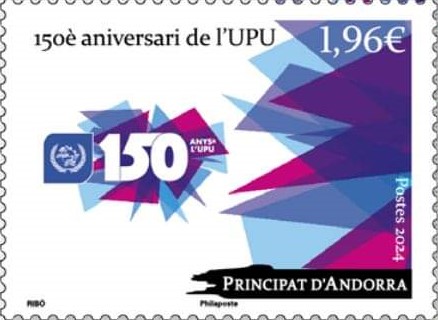
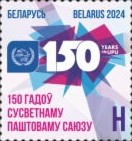
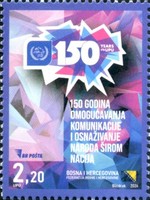
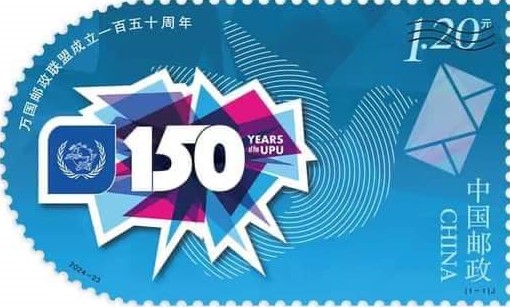
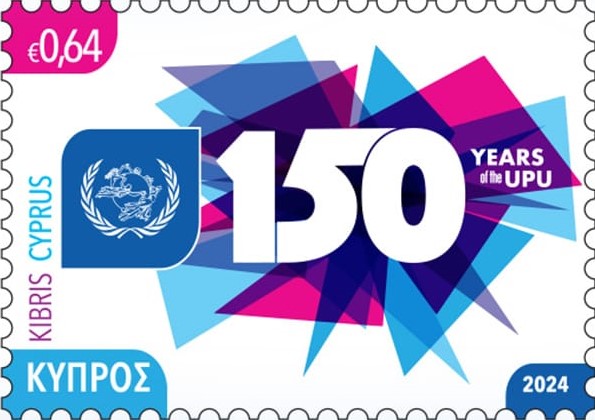
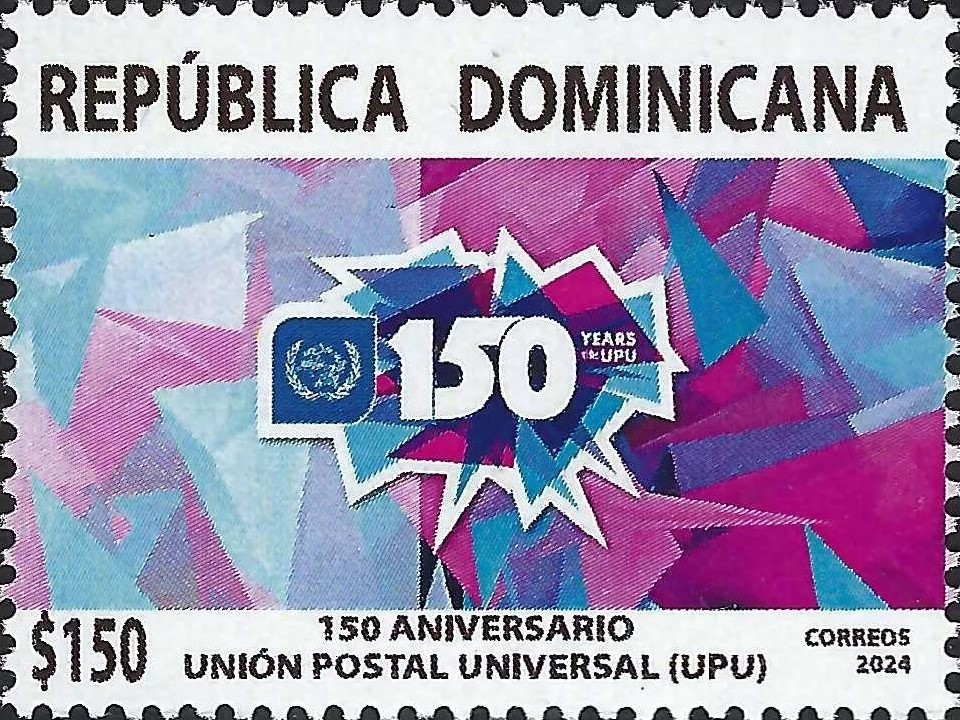
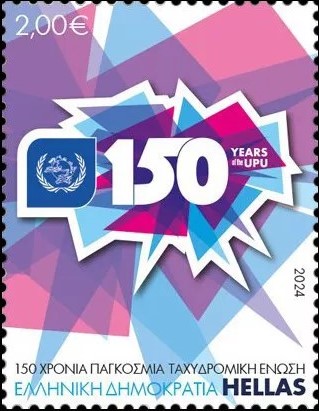
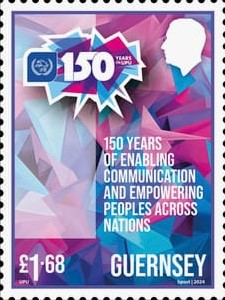
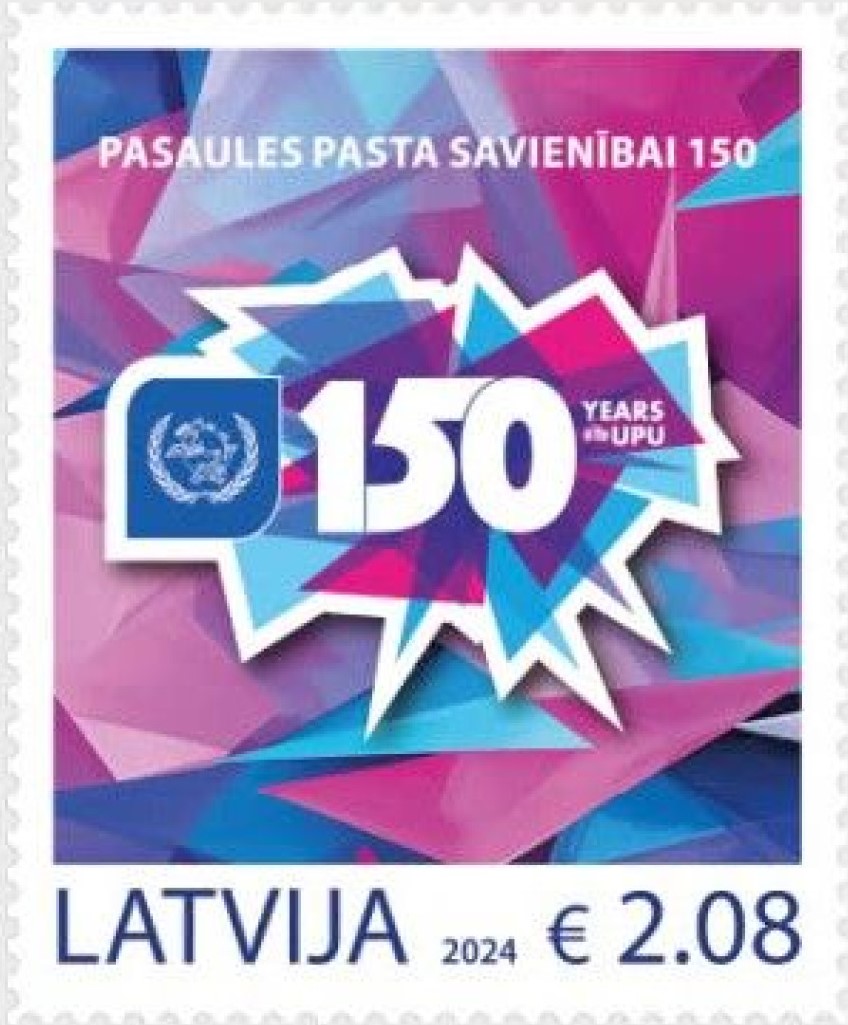
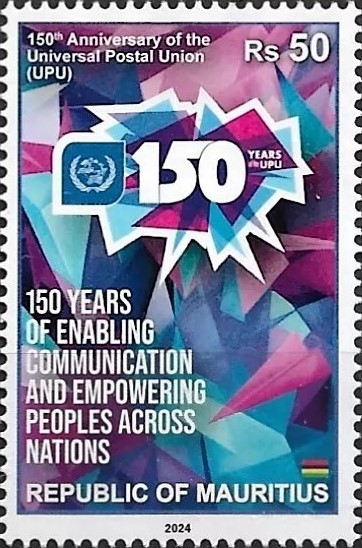
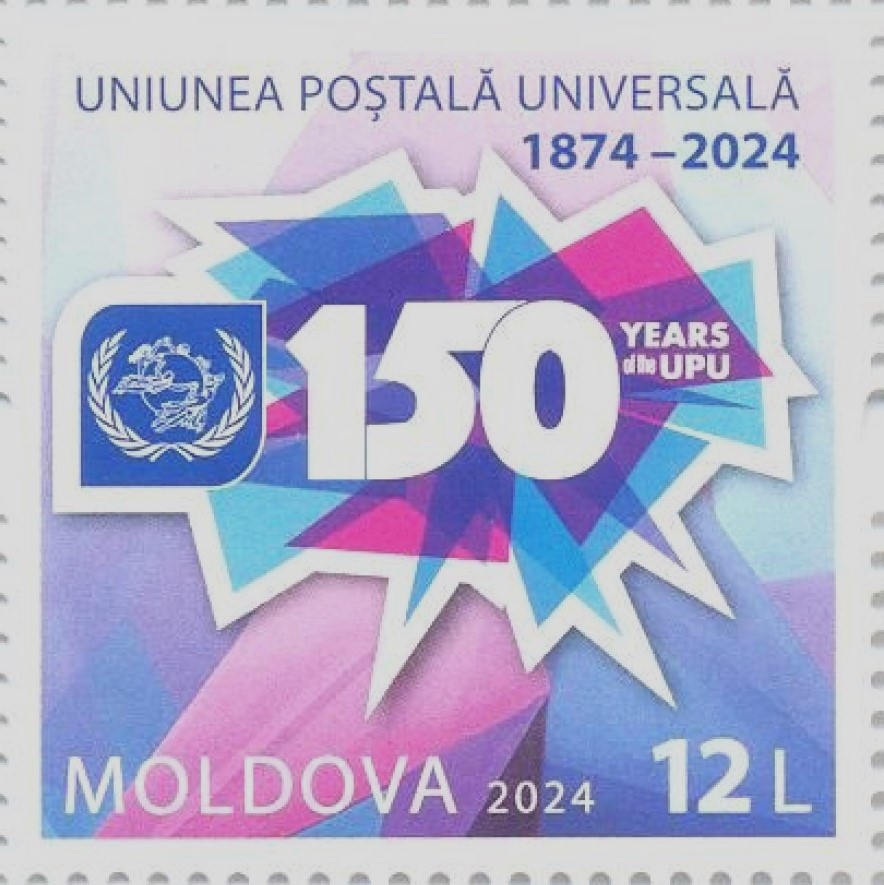
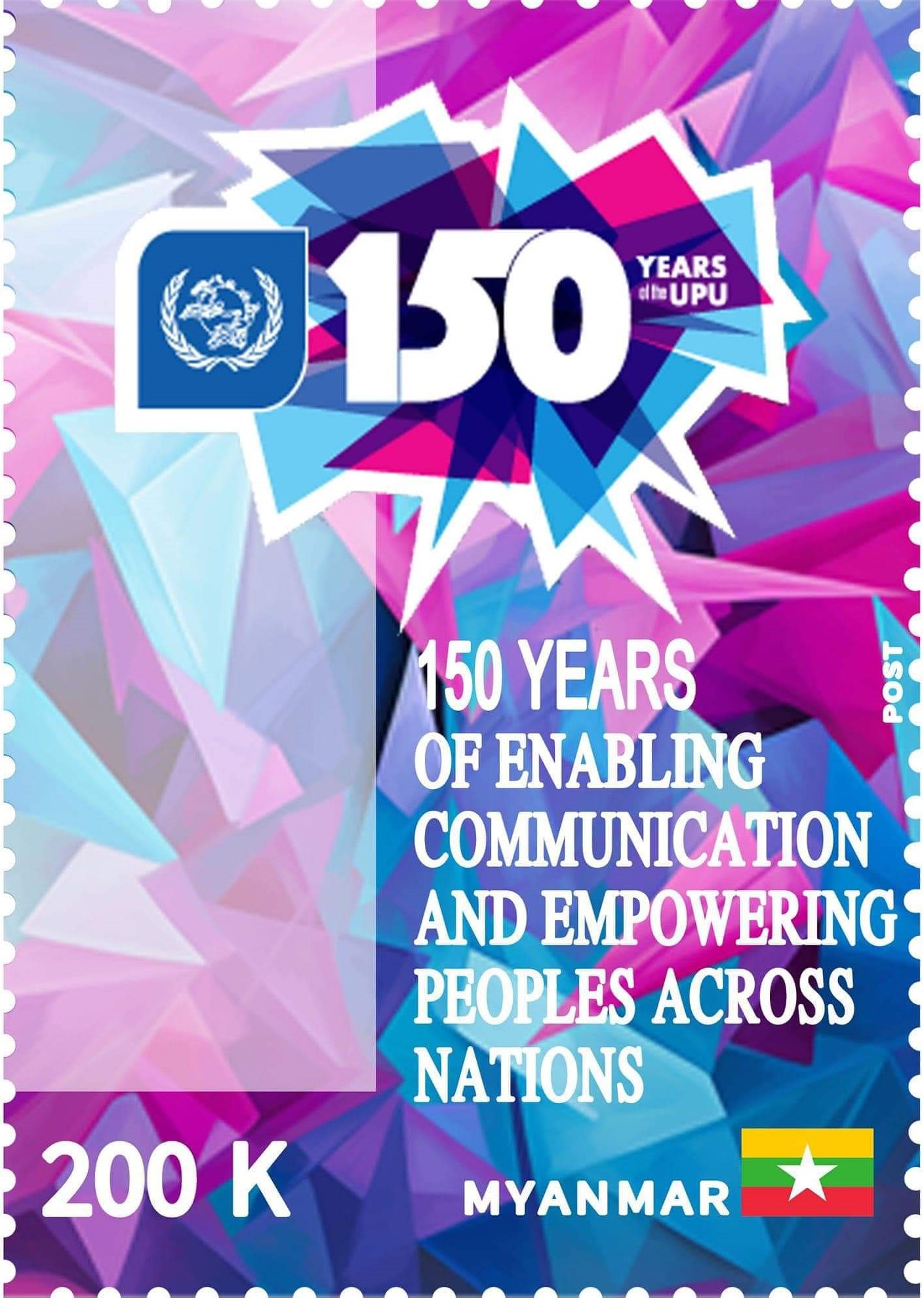
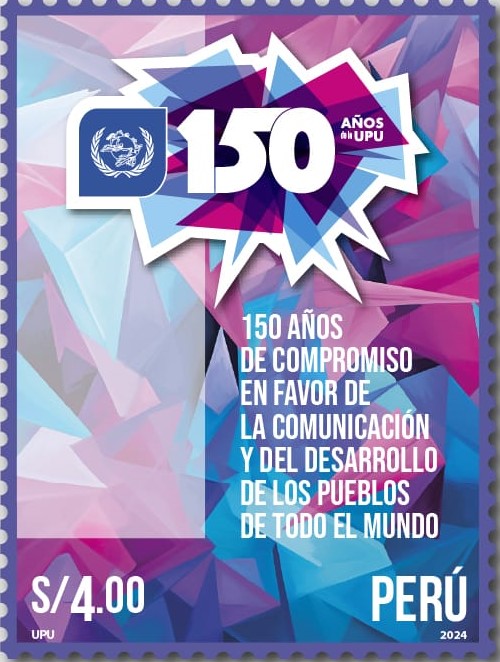
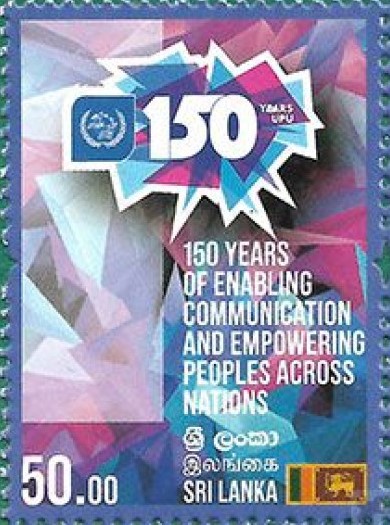
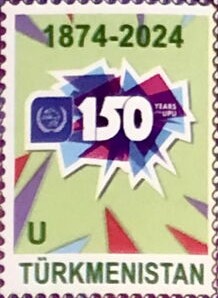
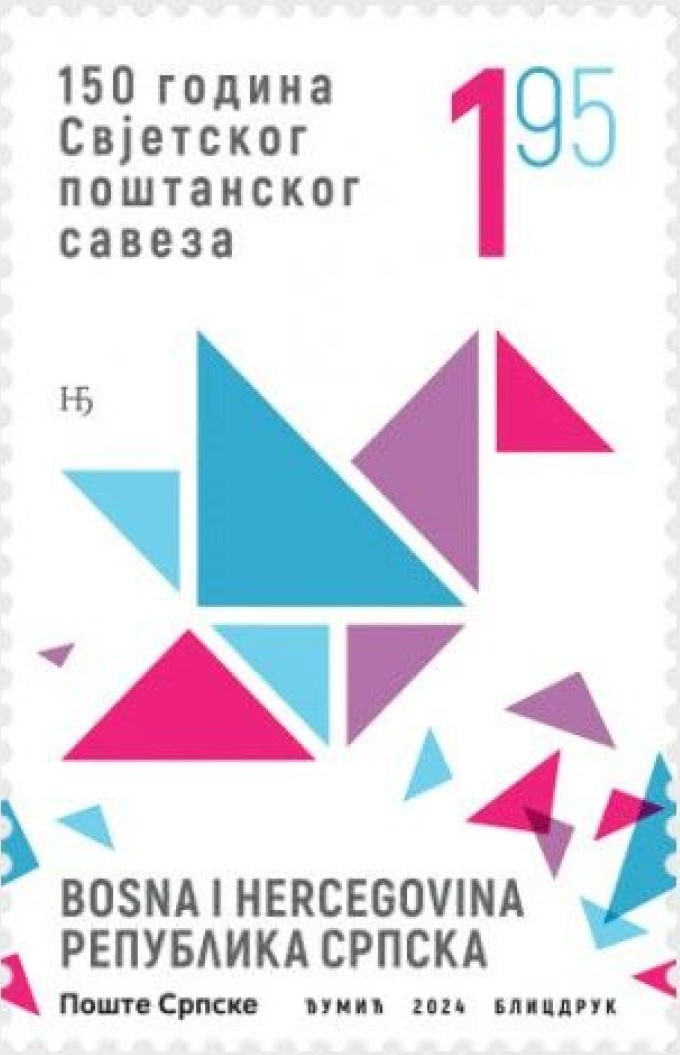
Countries of type A (Twin [T1]): Algeria – Andorra (French) (October 10) – Andorra (Spanish) – Armenia – Bangladesh – Belarus – Bosnia Herzegovina (Bosnia) – Brazil – China (PR) – Croatia – Cyprus – Dominican Republic – Greece – Guernsey – India – Indonesia – Ivory Coast – Jordan – Latvia – Lithuania (October 4) – Mauritius – Moldova – Myanmar – Paraguay – Peru – Romania – Sri Lanka – Thailand – Turkmenistan (October 8) – Ukraine – United Arab Emirates

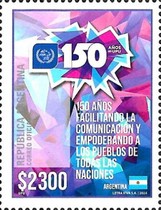
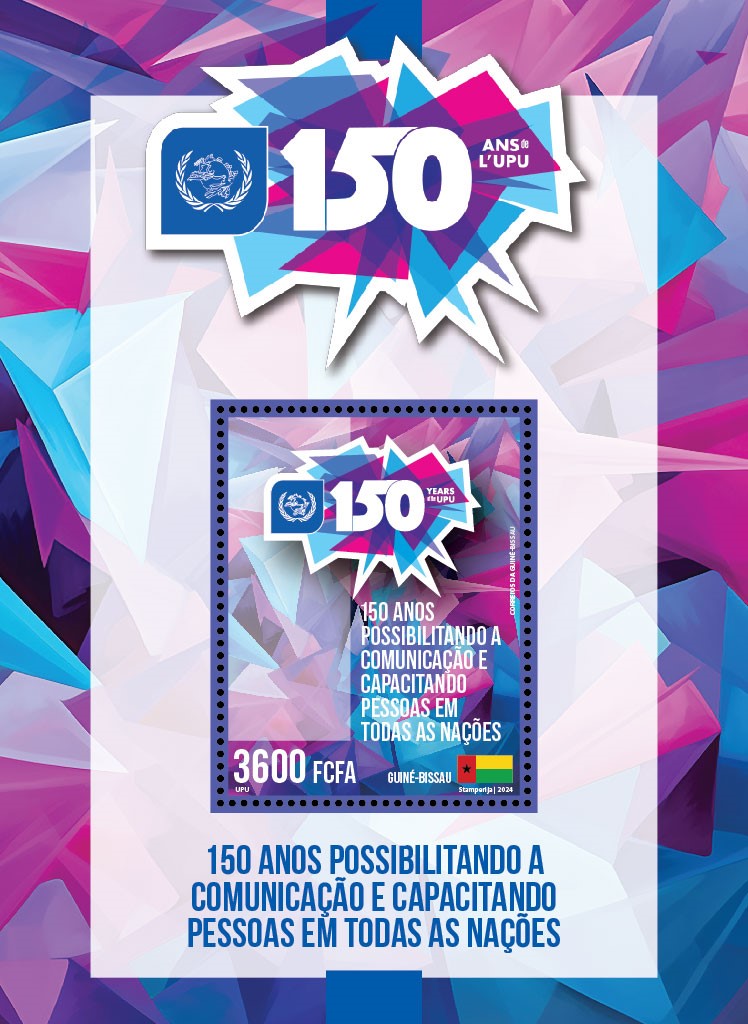
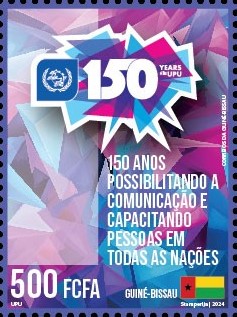
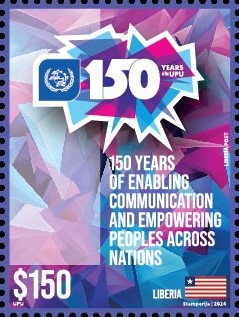
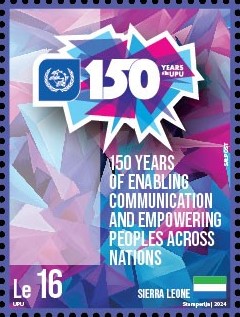
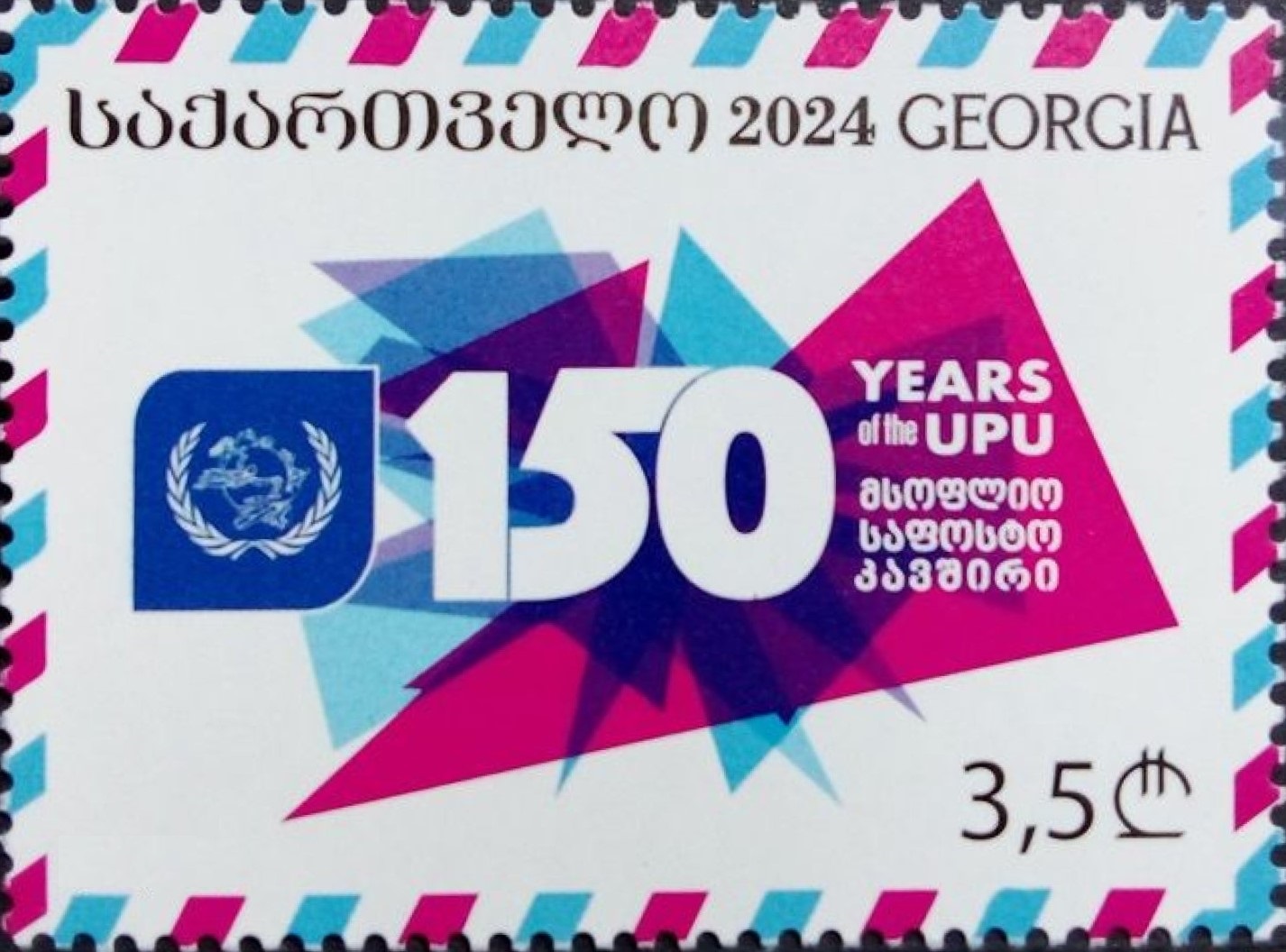
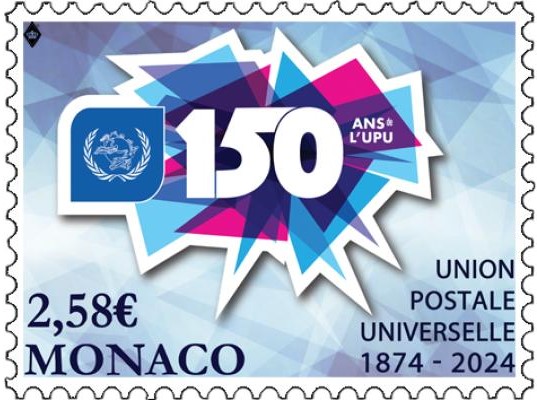
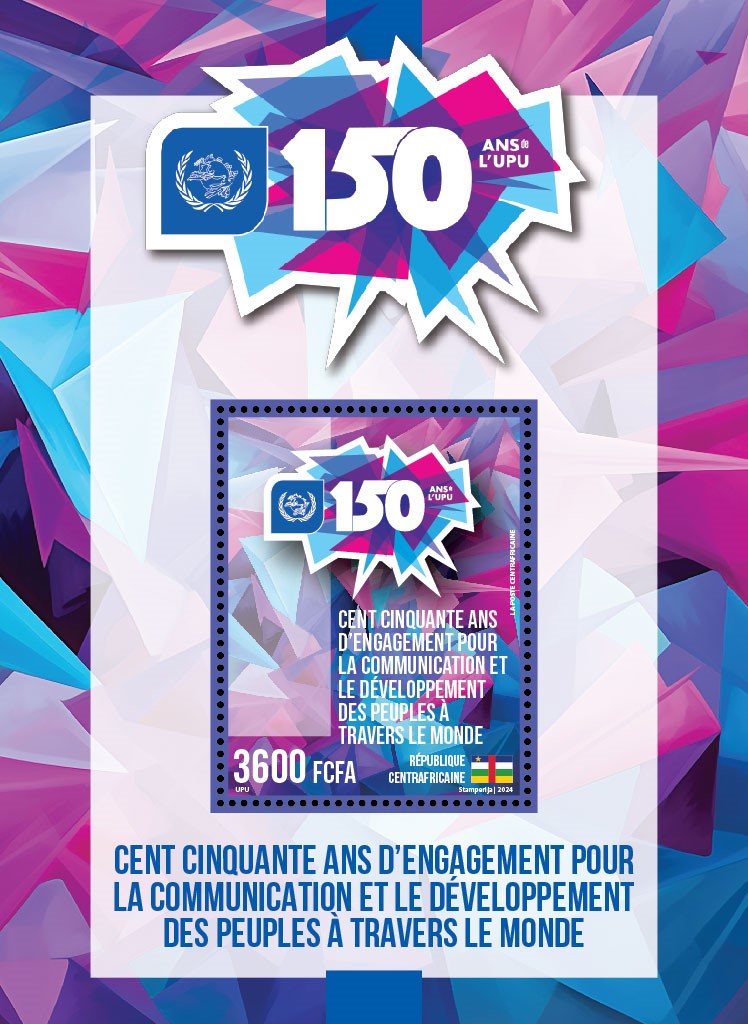
Countries of type B (Concerted [C1]): Argentina (August 28) – Azerbaijan (February 1)Burundi (September)Central Africa (September)Djibouti (September) – Georgia (June 1) – Guinea (September)Guinea-Bissau (September)Liberia (September)Mali (September) – Monaco (May 30) – Mongolia (September 25) – Sierra Leone (September)Togo (September)

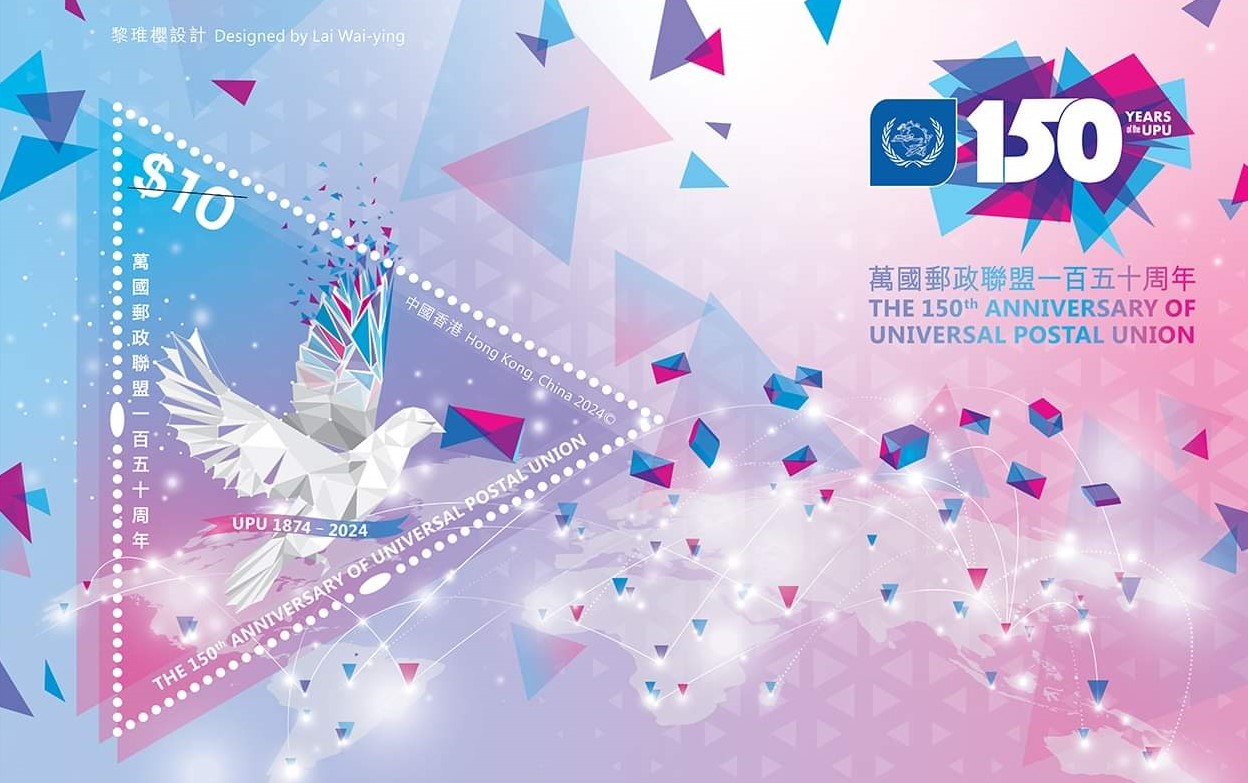
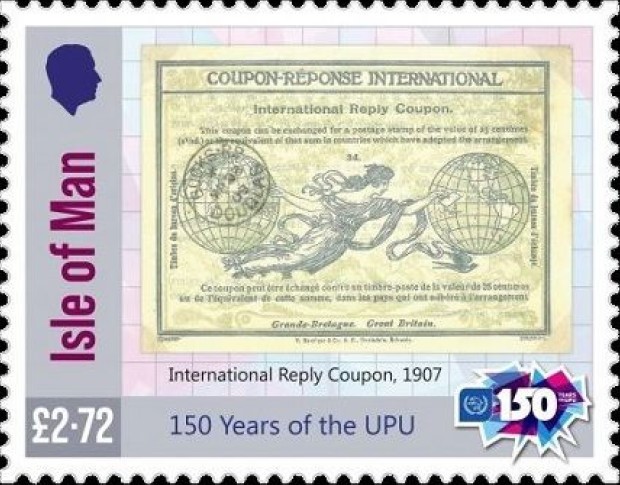
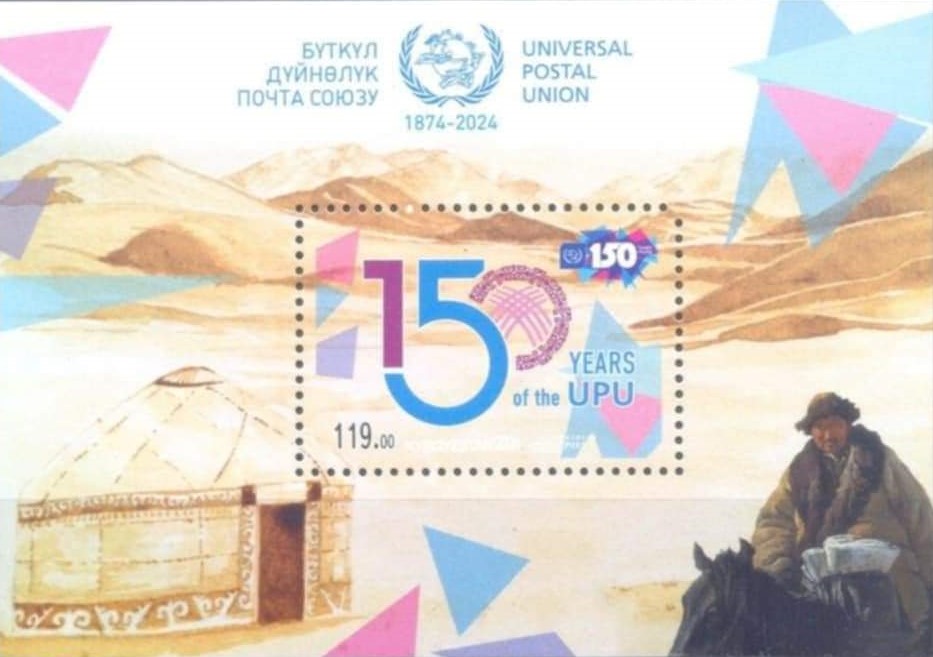
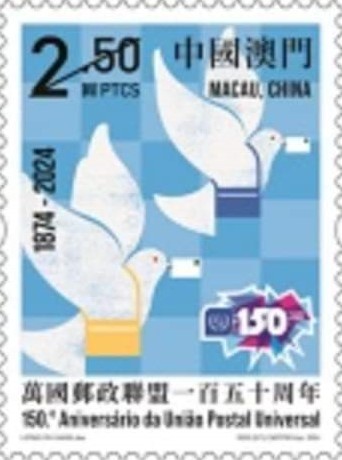
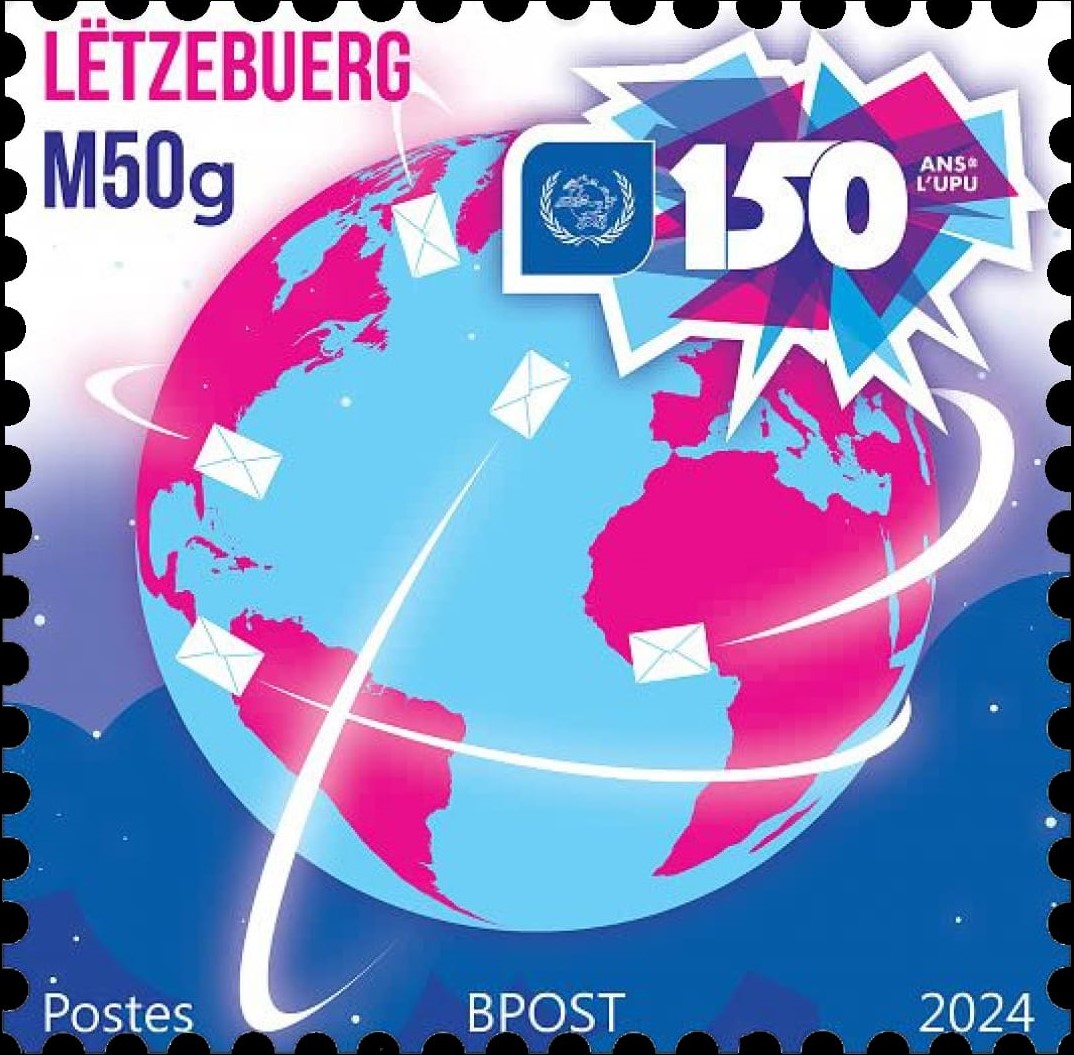
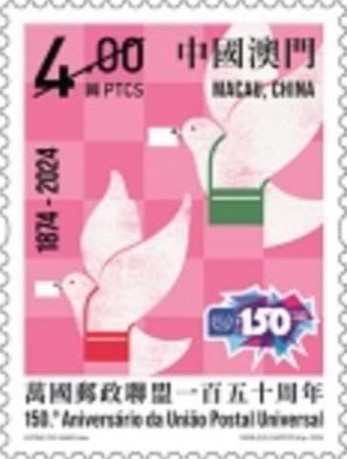
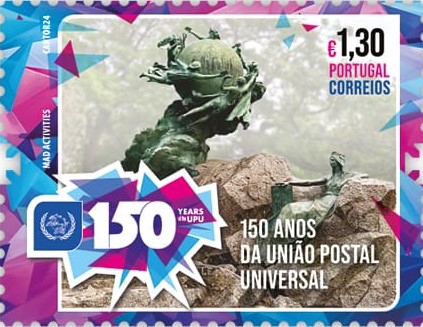
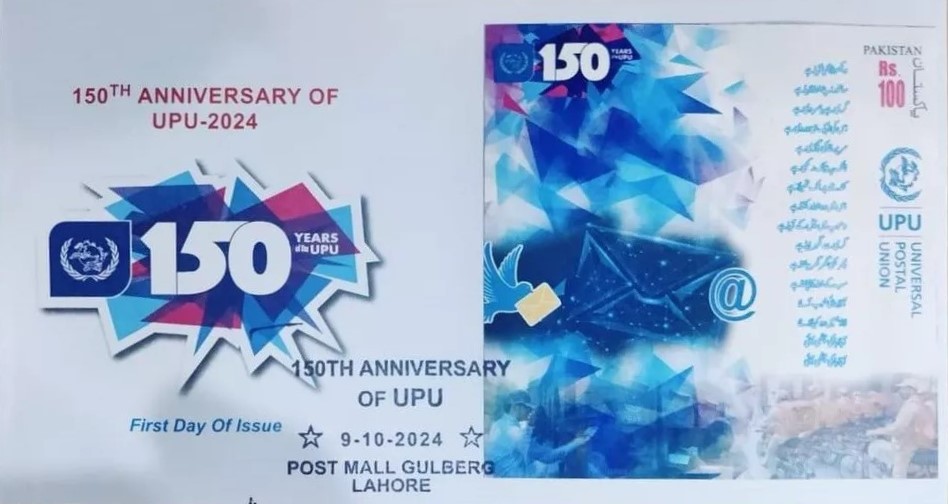
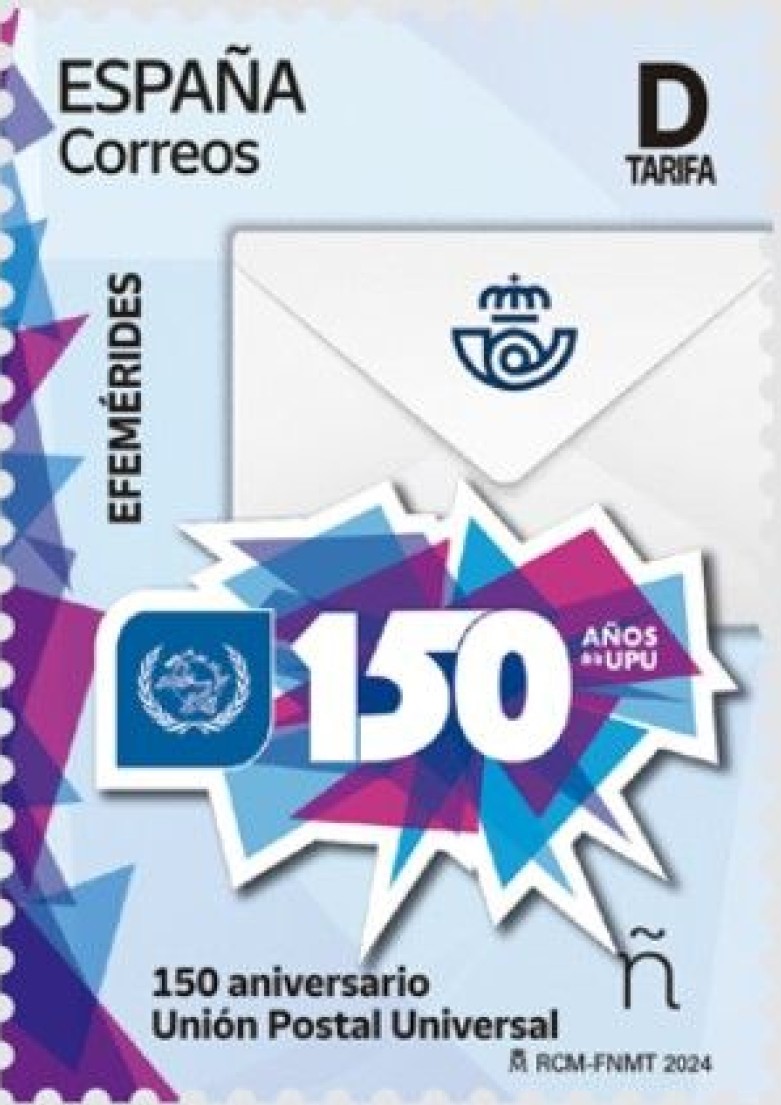
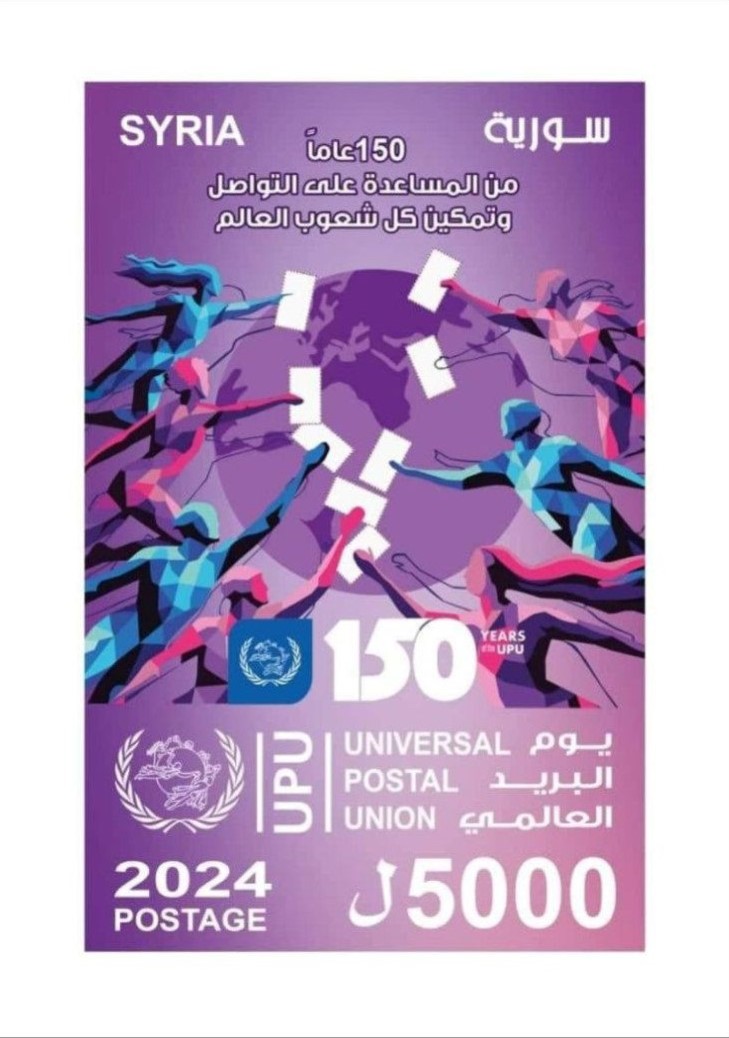
Countries of type C (Twin or concerted [T2] or [C2]): Bosnia (Serbia) – Egypt () – France (October 14) – Hong Kong – Hungary (July 24) – Isle of Man (August 30) – Japan – Kyrgyzstan (October) – Luxembourg (September 10) – Macau – Malaysia – Morocco – Pakistan – Portugal – San Marino – Saudi Arabia () – Singapore – Slovenia – Spain – Syria – Tunisia – Türkiye – Uruguay – Uzbekistan () – Vietnam

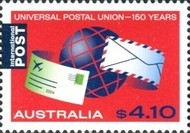
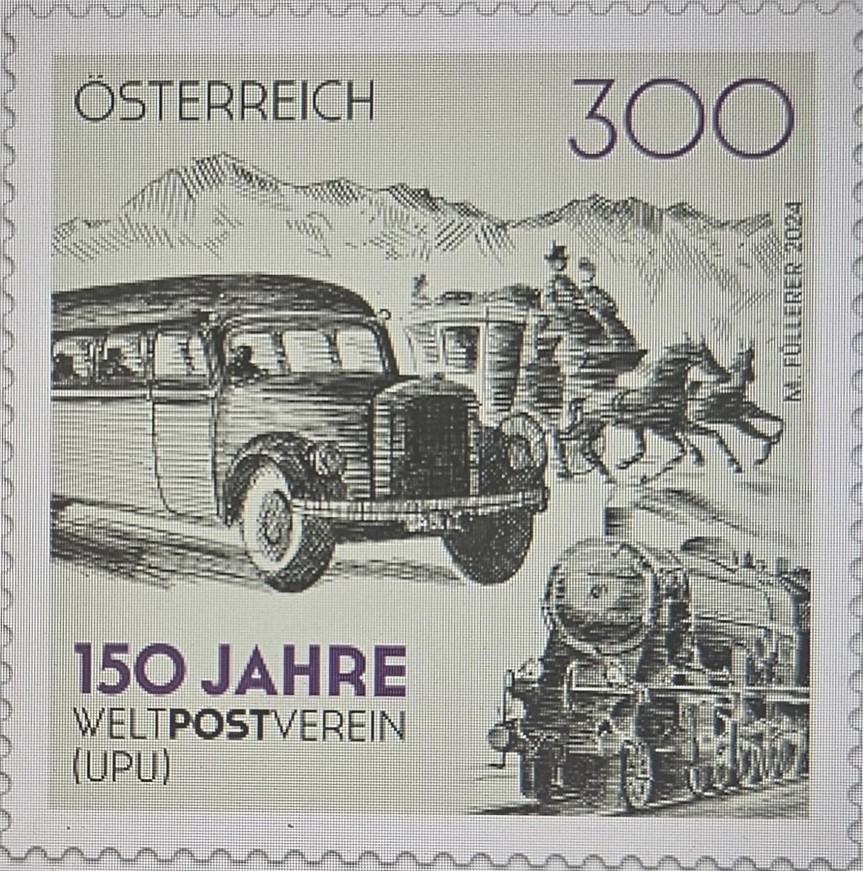
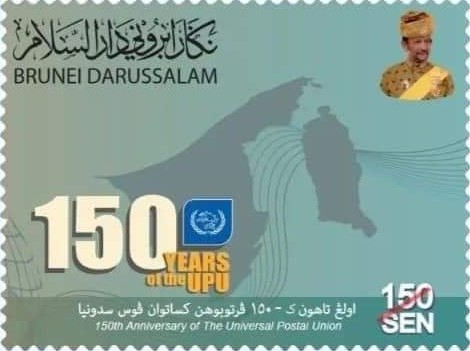
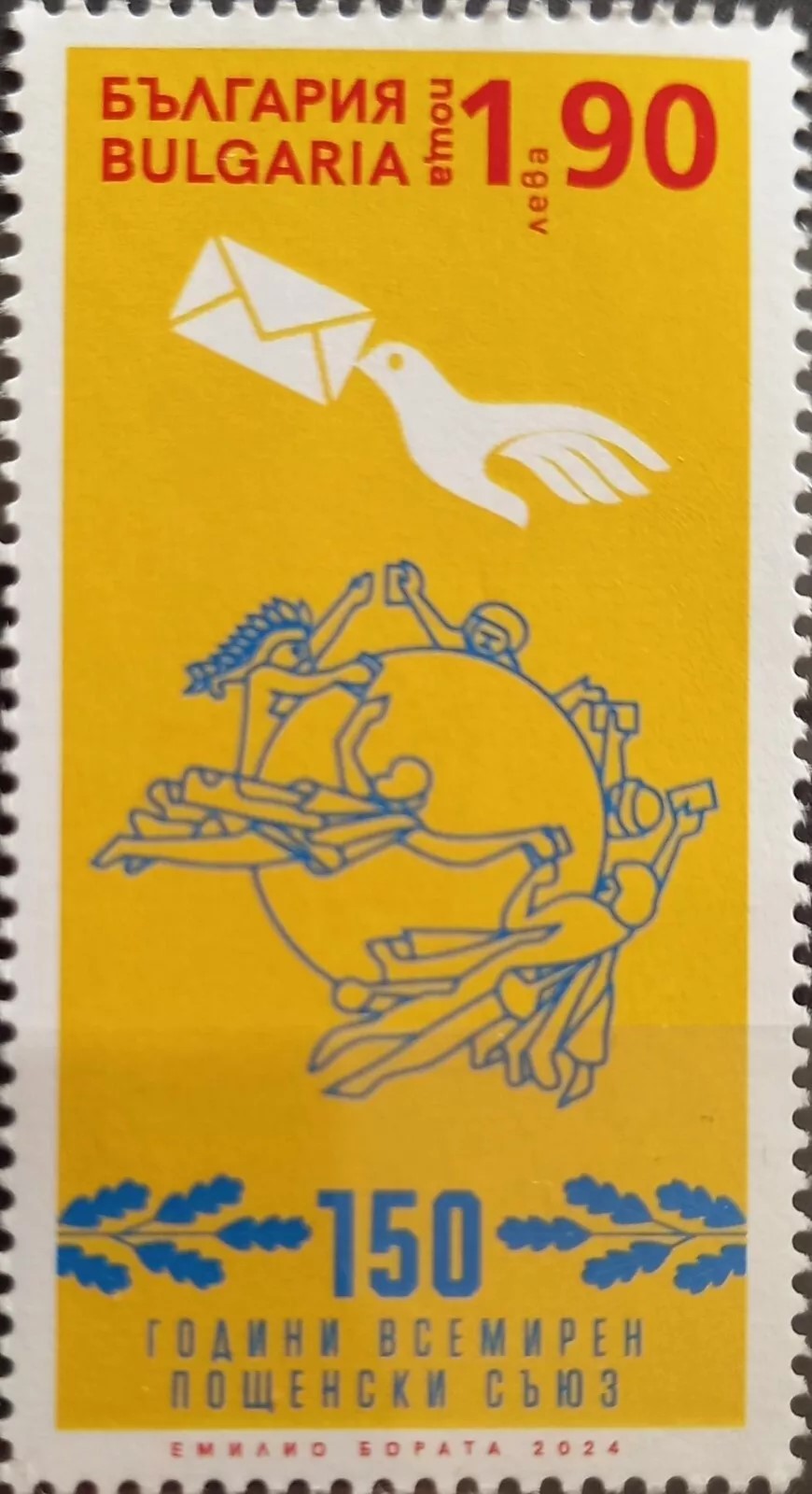
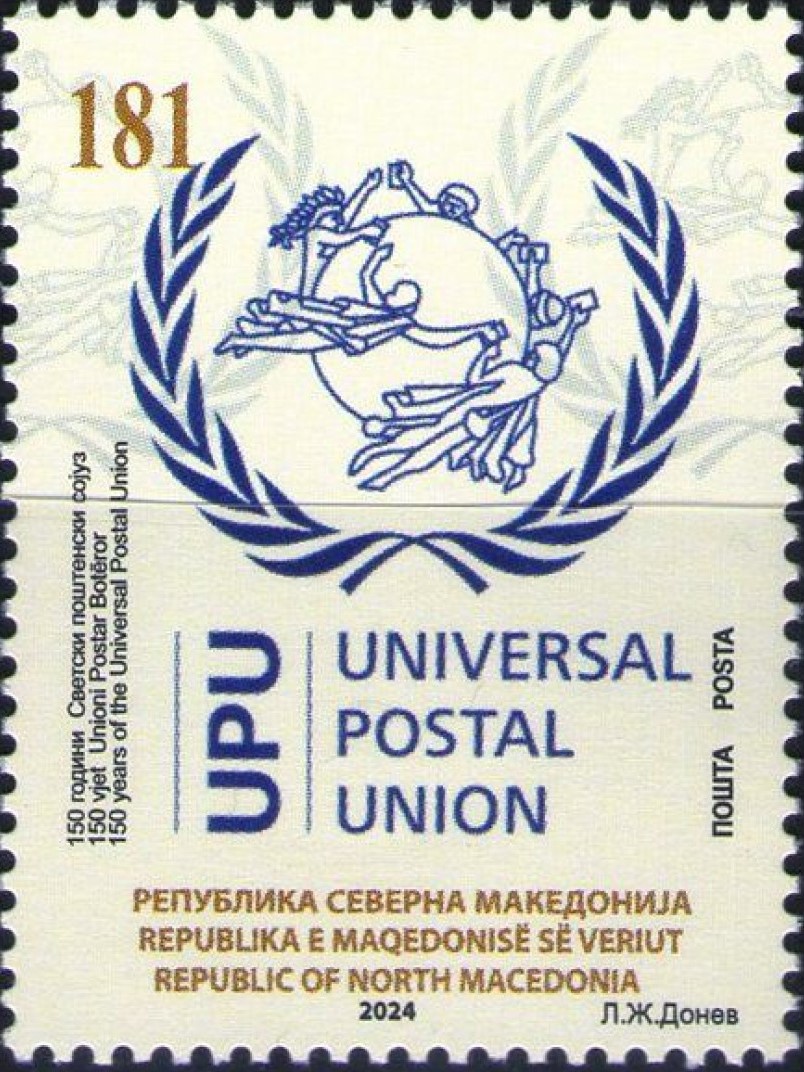
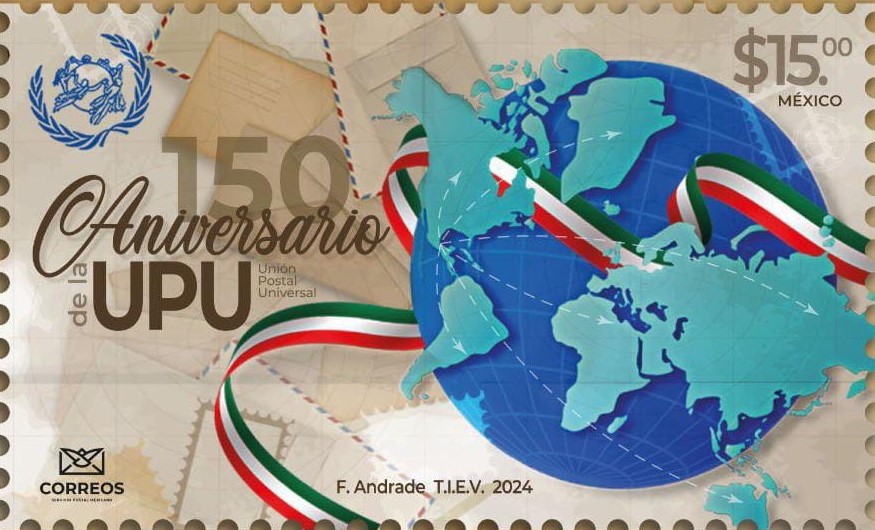
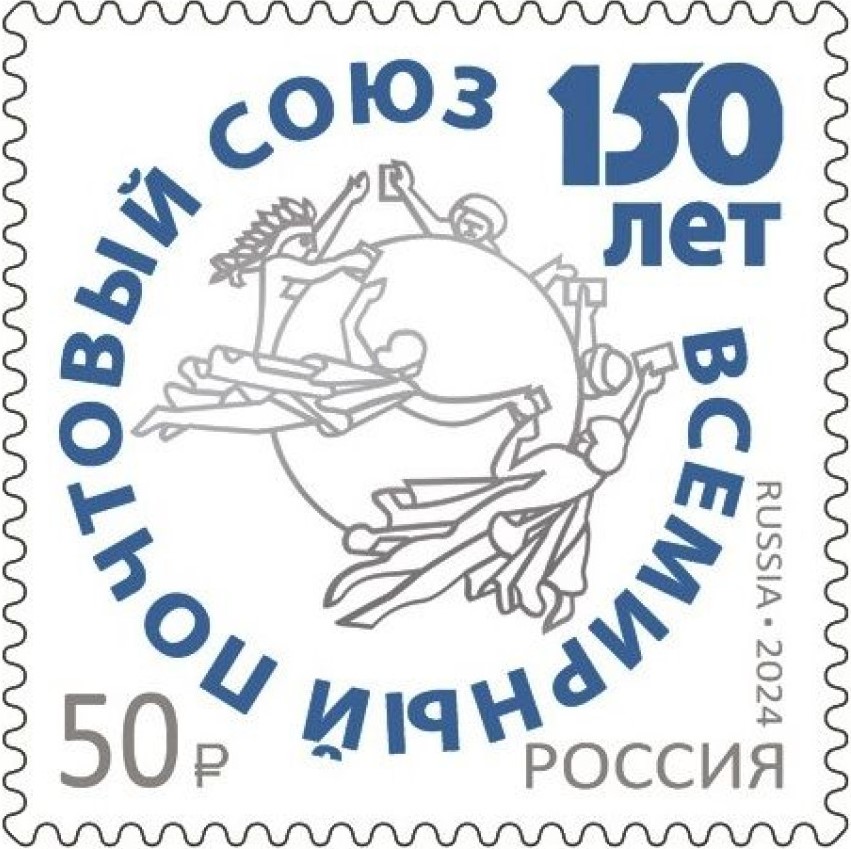
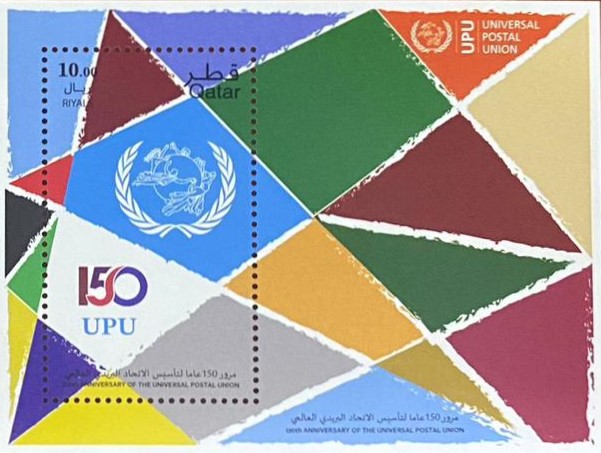
Countries of type D (Parallel issue [P]): Australia (October 1) – Austria (October 4) – Brunei Darussalam () – Bulgaria – Czech Republic – French Polynesia – Germany (October 10) – Macedonia (North) – Mexico – Montenegro – Qatar () – Russia – Slovakia – Switzerland (September 5) – Tajikistan (May) – Vatican (September 16) – Wallis and Futuna

Countries of type E (not considered as joint): Belgium (June 10) – Serbia (May 25) – United Nations – Geneva (May 30) – United Nations – New York (May 30) – United Nations – Vienna (May 30).

So far, 86 countries are listed above to which one has to add 2 postal authorities that have issued stamps that cannot be considered as joint (Type E – United Nations offices are not taken in account as countries, UPU being a sub-unit of the United Nations). The UPU counts presently 192 members, which means information from 106 countries (!) is missing. Obviously there will be an update of this page. A great help is needed here to recover information from other participating countries. We are also missing better quality images for stamps from Ivory Coast and Ukraine. Thanks a lot in advance for providing name of missing countries, exact dates of issue, and when possible illustrations, printing runs, sizes of panels and by-product lists.

The catalogue pages should be updated within the next week.

Cancellations

Kenneth Sequeira (Dubai) and Jaap Sarelse (the Netherlands) reported a few cancellations of previously announced joint issue. The Tajikistan philatelic program shows now the Tajikistan – Kyrgyzstan joint issue crossed out. This issue was initially planned for Quarter 4, 2021, but without more precision regarding the date. At the same time the Kyrgyzstan philatelic office informed us that the issue of the Kyrgyzstan stamps from the Croatia – Kyrgyzstan joint issue is postponed (i.e. probably towards early 2022), but not cancelled. Croatia had issued their stamps as planned on September 22, 2021 (topic: woodpeckers) and (identical) designs of the Kyrgyzstan stamps appeared on the Delcampe web site before being retrieved. At the same time, Ukraine announces three joint issues for 2022 with Italy (150th birthday of Solomiya Krushelnytska), Singapore (topic unknown) and the USA (100th anniversary of the first performance of the Ukrainian carol ‘Shchedryk’ in Carnegie Hall, New York), without more precise date, and no confirmation from the partner country.
The TAAF/Portugal joint issue must also be considered as cancelled. Stamps on the expected topic (Portuguese prersence in the Austral seas by Joao da Nova) were issued by Portugal on October 11, 2021, without any reference to a joint character. There is no more information available on this topic from the French side.