The following provides some information to complete description from issues released over the part couple of yeras and provided by friend collectors.
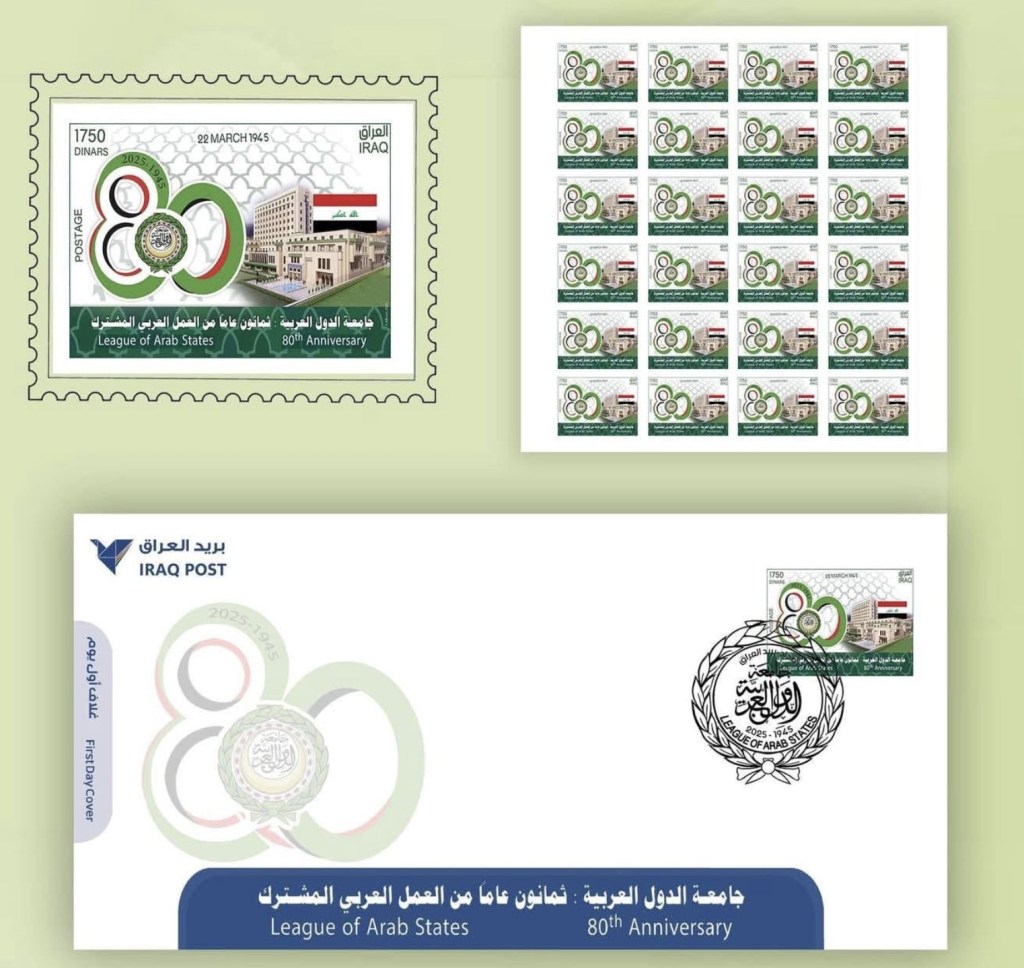
Kenneth Sequeira (Dubai) discovered a new stamp from Iraq to be added to the 80th Arab League anniversary series issued on March 22, 2025. The stamp is available in panels of 4×6 stamps and officially cancelled covers were also produced, but those do not show a date. We do not know the exact date of issue of this stamp, but of course it has been integrated in the catalogue. As 22 countries are members of the Arab League and as so far, only 10 countries have issued a stamp in the frame of this anniversary, it can be expected that other countries can be discovered as having participated. In particular, philatelic programs for Bahrein, Jordan or Oman, which are used to participate to such anniversaries, should be explored. Thanks for any feedback.
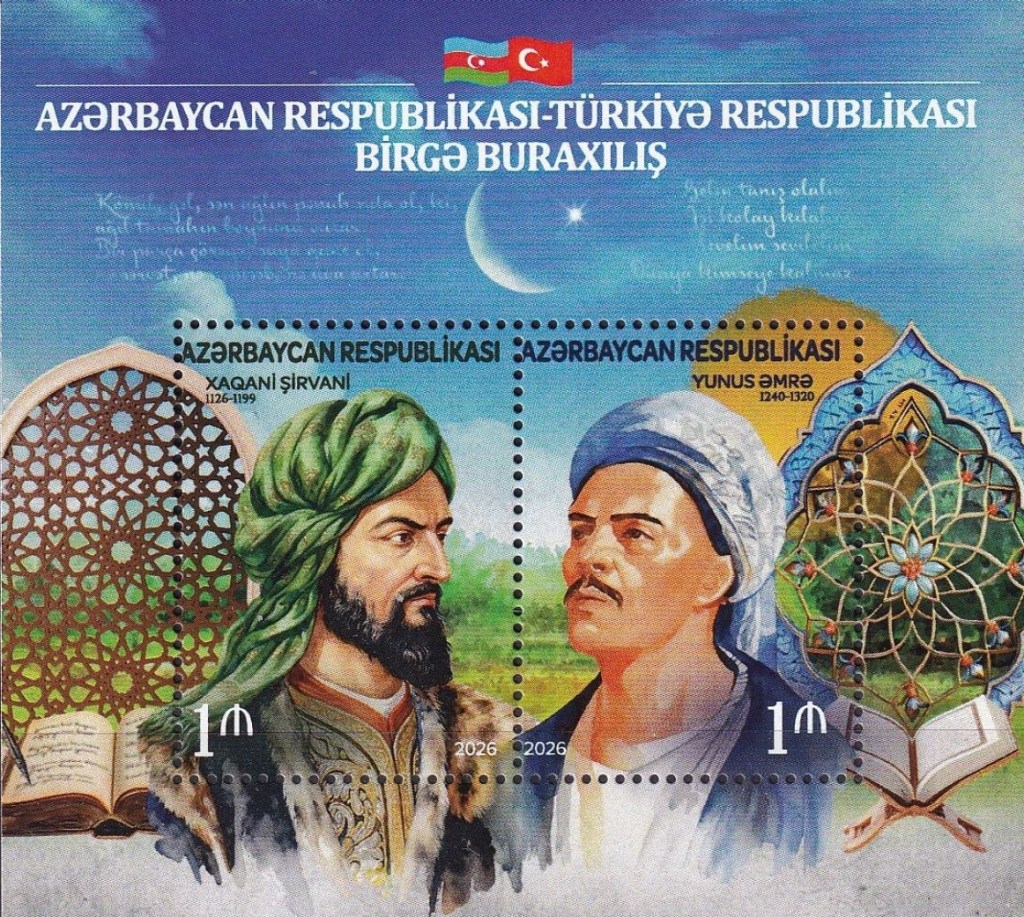
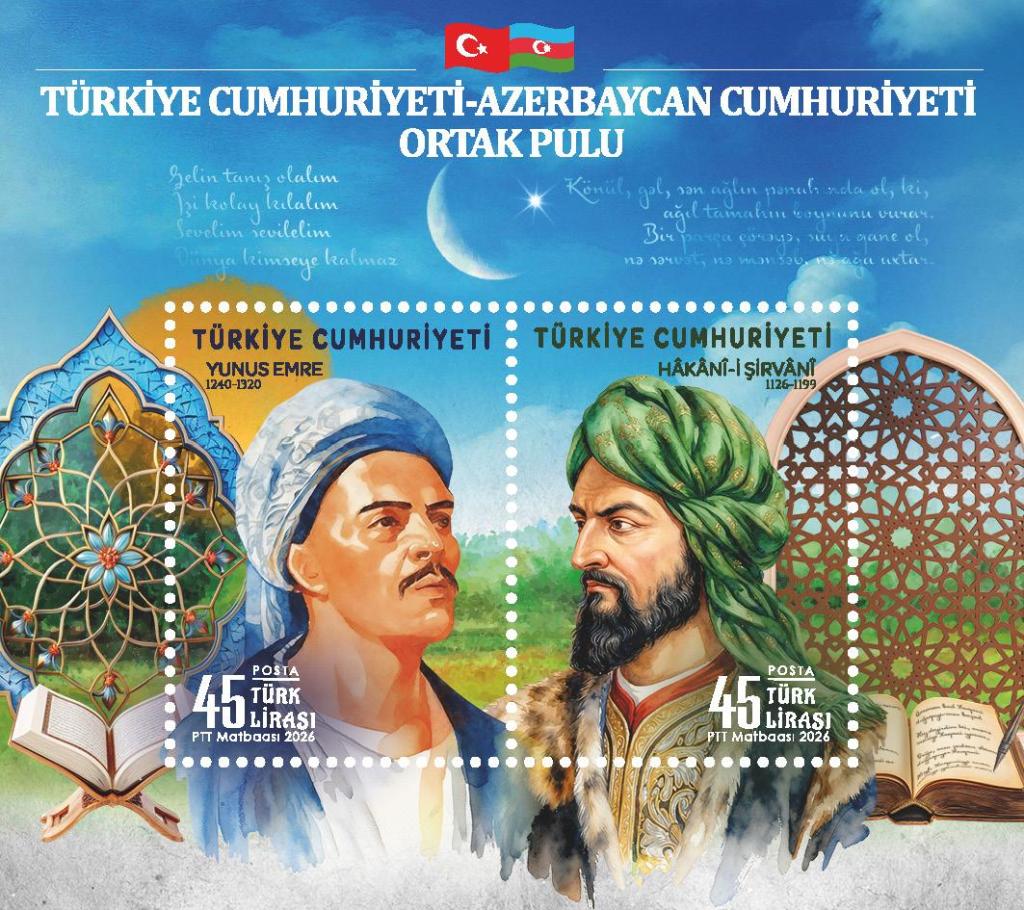
The Azerbaijan souvenir sheet, counterpart of the Türkiye souvenir sheet from June 10, 2026, appeared on Delcampe. At this stage we are missing the exact date of issue, but there are great chance that it could be the same as for Türkiye. For that reason, this issue remains filed as a Twin issue [T]. The two souvenir sheets are identical, but with mirrored illustrations.
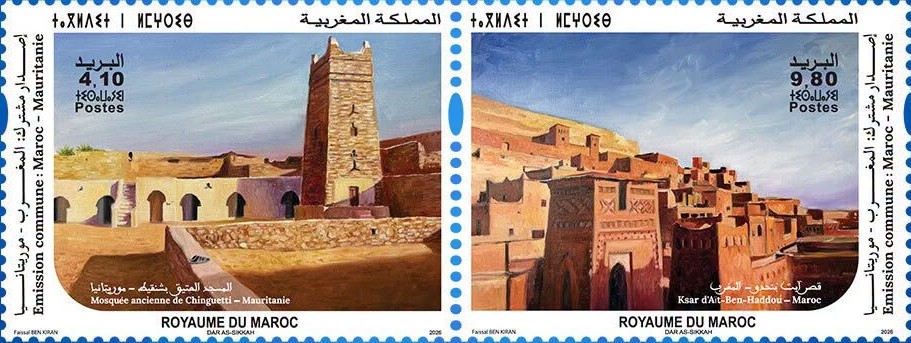
A Mauritania – Morocco joint issue was supposed to be released on June 23, 2026. Eventually, the stamps from Morocco became available on July 29, 2026 and the Moroccan description notice is stating that this would be the second North-African joint issue involving Morocco, confirming indirectly the participation of Mauritania. Unfortunately, so far, no information is available from the Mauritanian side. The Moroccan stamps issued in se-tenant pairs and in miniature sheet of 5 pairs represent the City of Aït‑Ben‑Haddou Ksar, Morocco and the Chinguitti Mosque, in the capital city of the Adrar Wilaya, Mauritania. Both sites are listed as UNESCO world heritage (information provided by Roland Montagne, France). Any additional information is welcome.
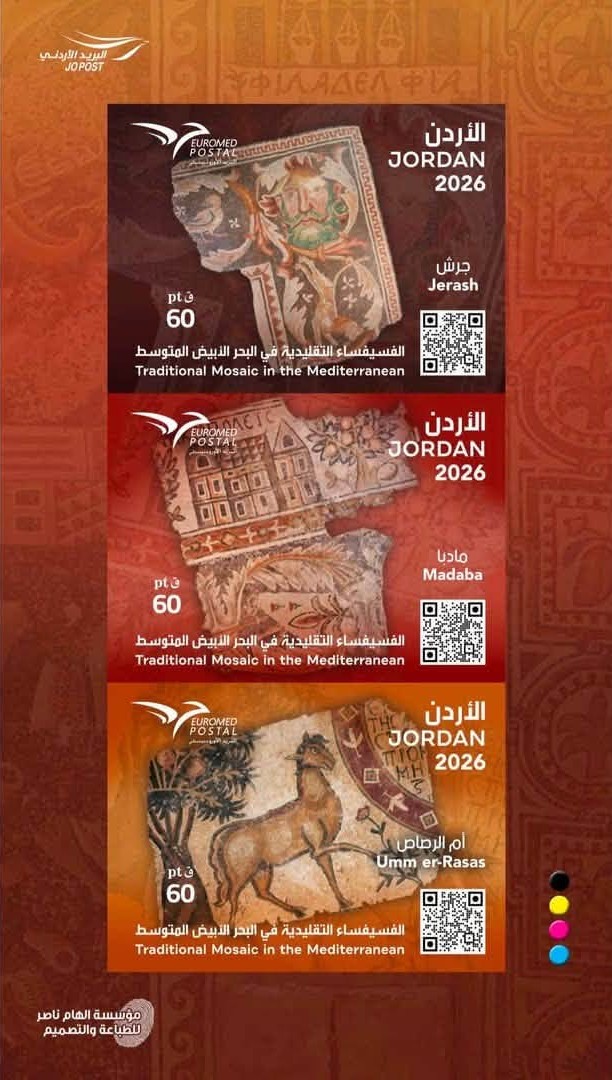
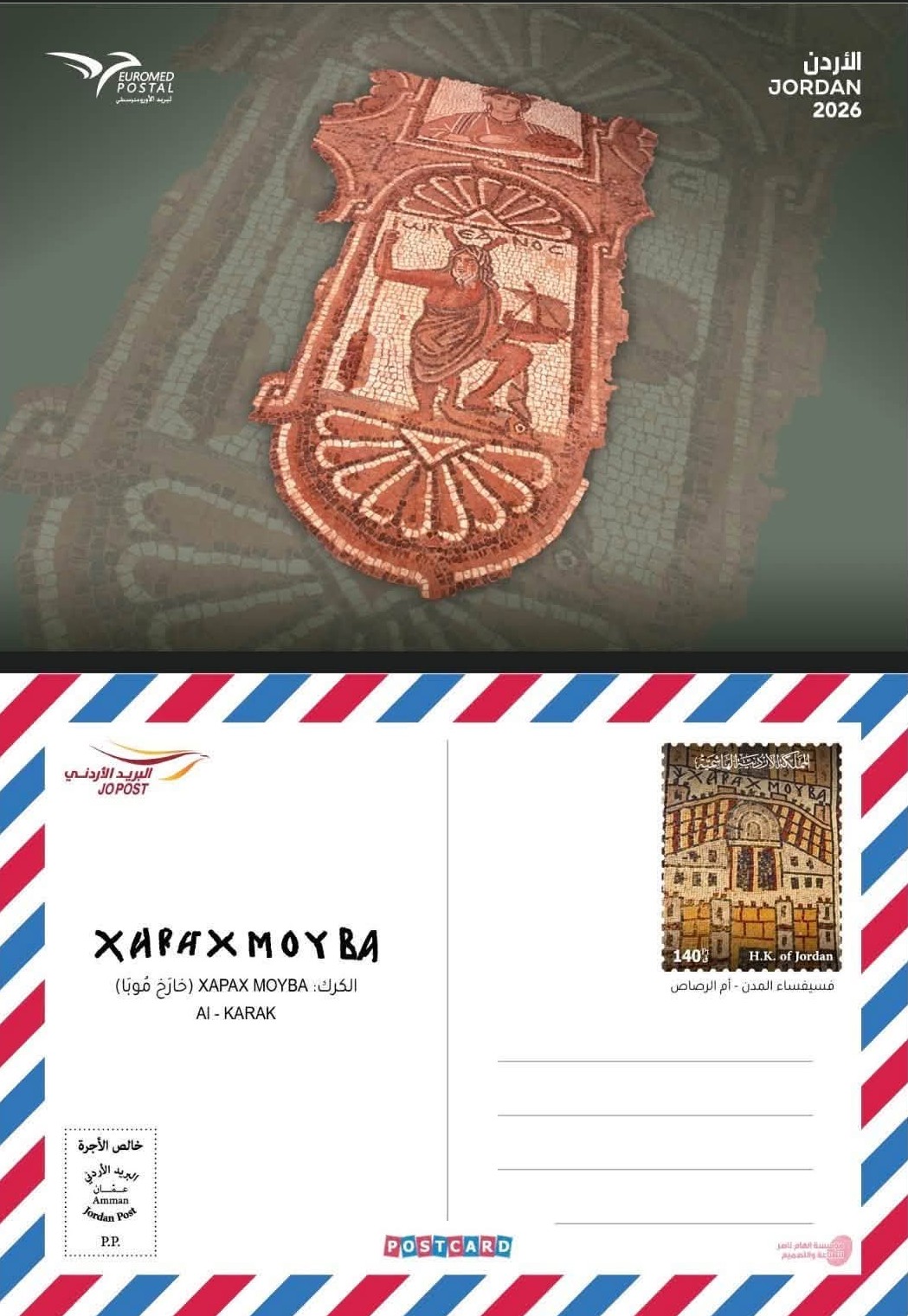
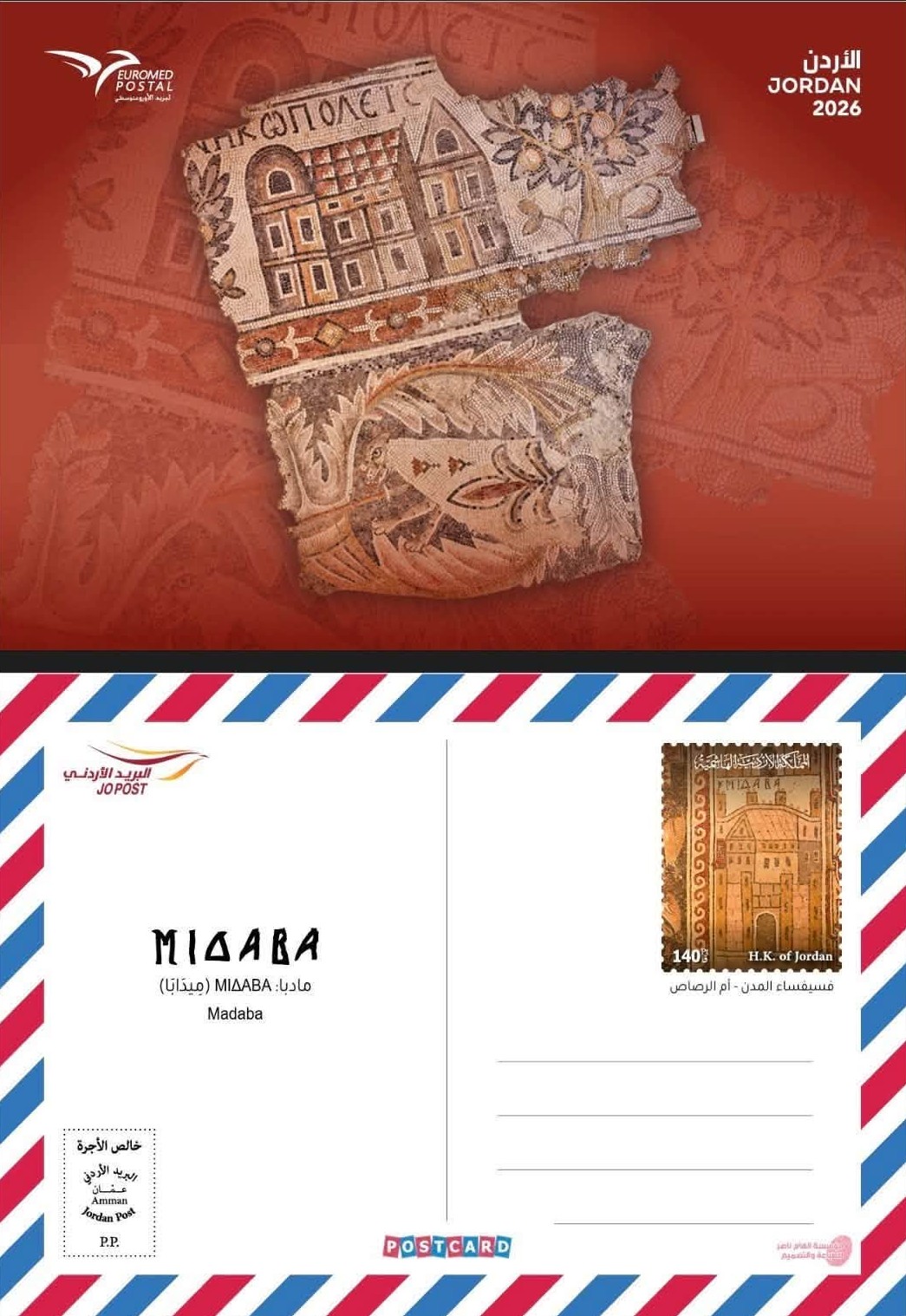
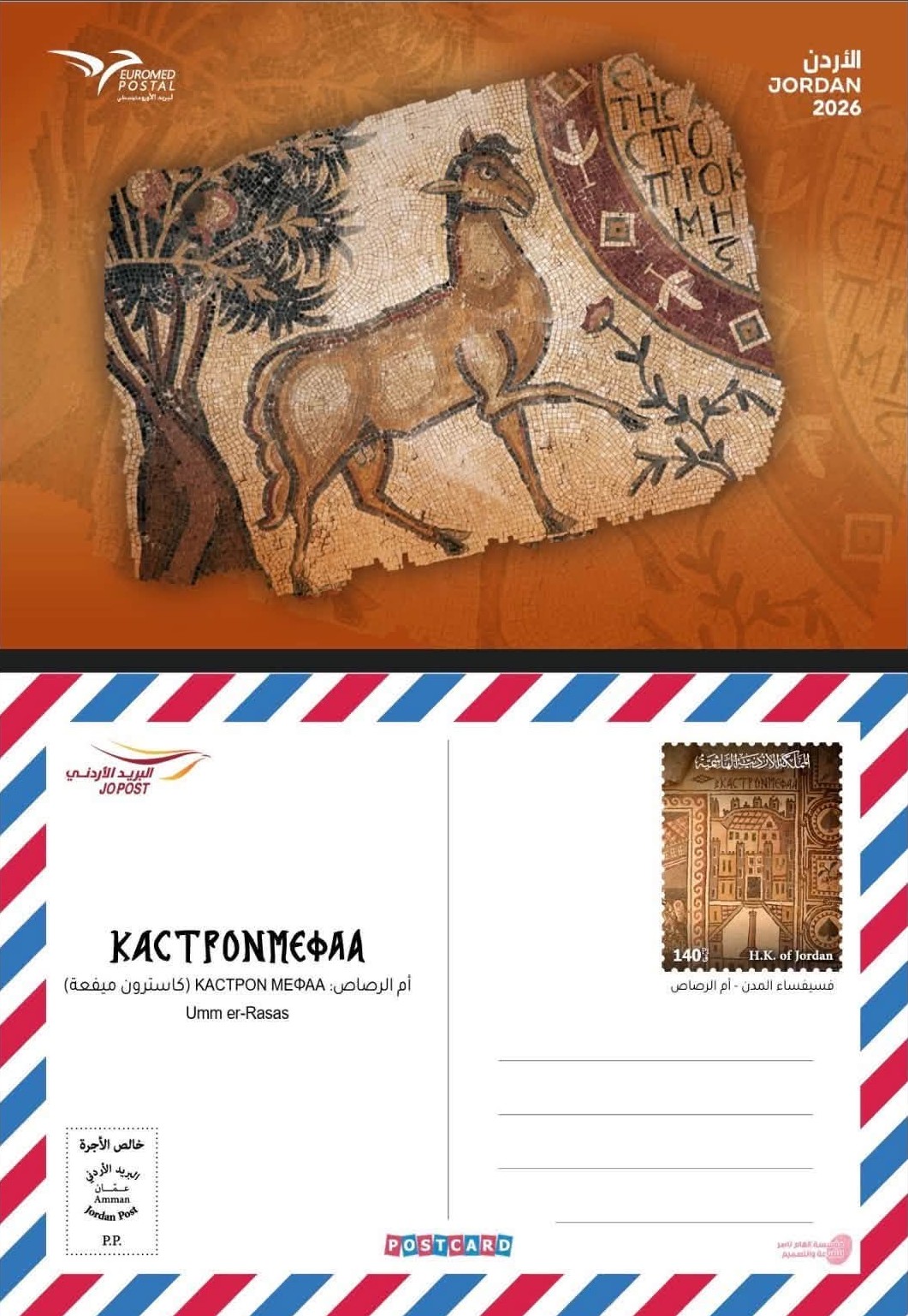
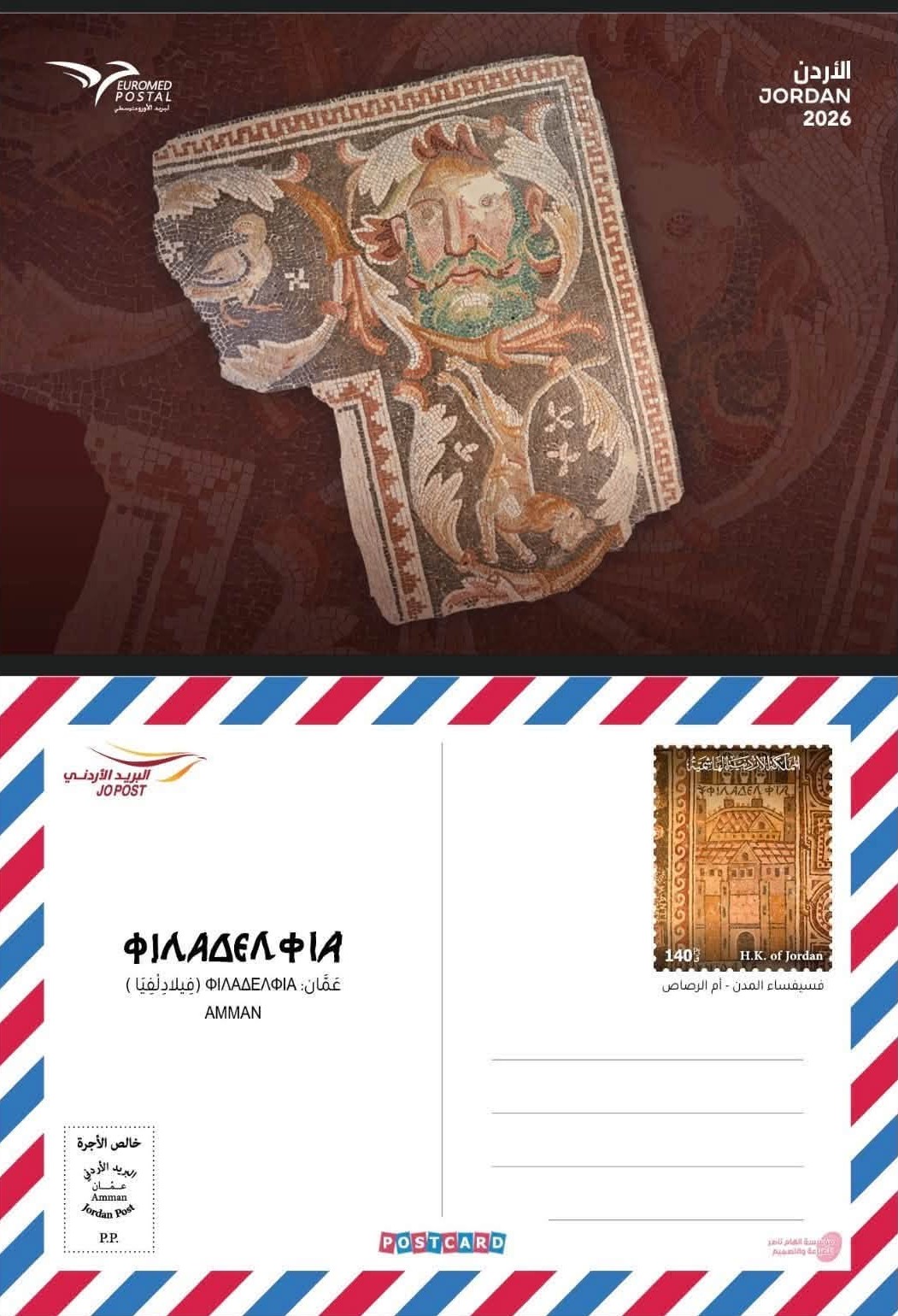
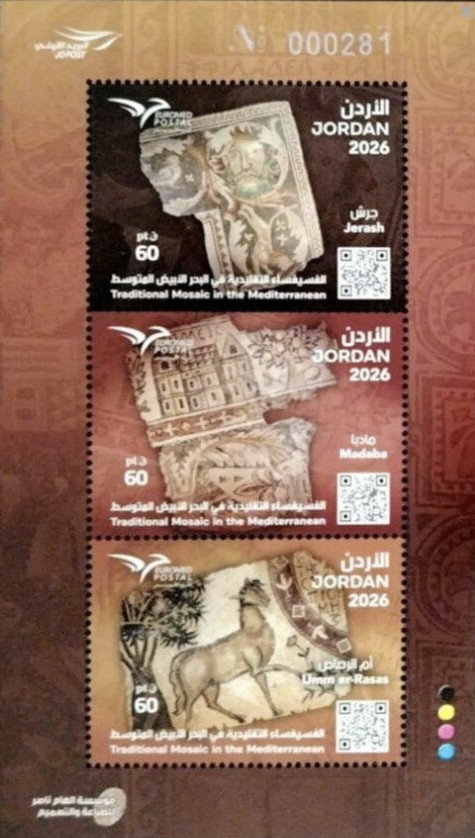
In the frame of the Euromed stamp series dated July 13, 2026, Jordan issued three stamps in a same souvenir sheet as well as a non-perforated smaller souvenir sheet. Actually, in parallel, it was discovered that Jordan issued also four different illustyrated postal cards (postal stationery). These products have been added to the catalogue (Information provided by Fabio Bonacina, Italy, and Med Achour Ali Ahmed, Algeria).
We are still missing information about Albania and Egypt, two countries that were supposed to be involved in this same 2026 Euromed series. At the level of the 2026 Europa stamps we are also missing information about Albania, as well as Ireland (but this one is supposed to be issued by September 10, 2026).
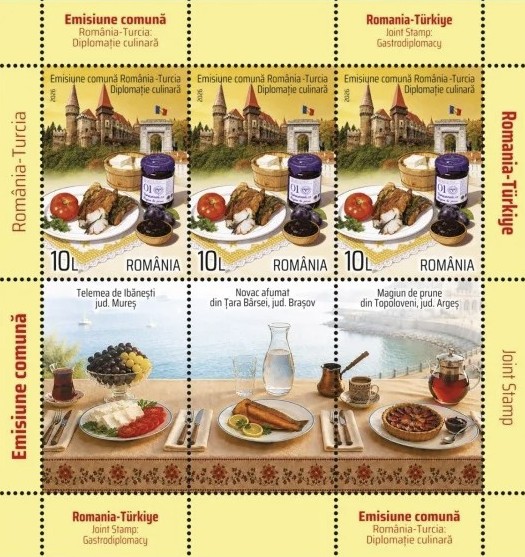
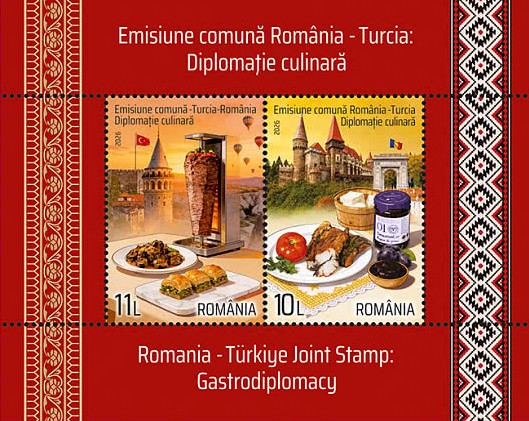
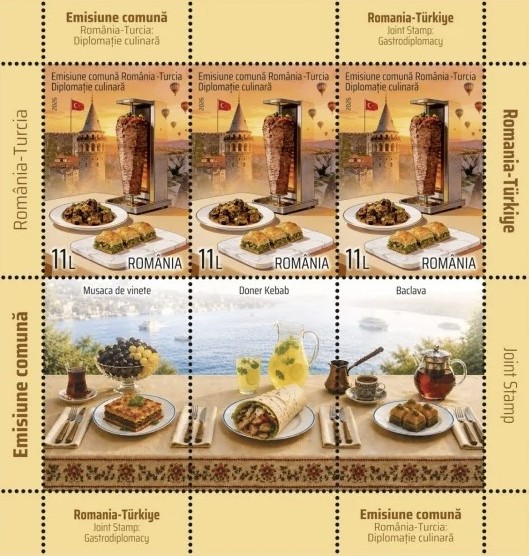
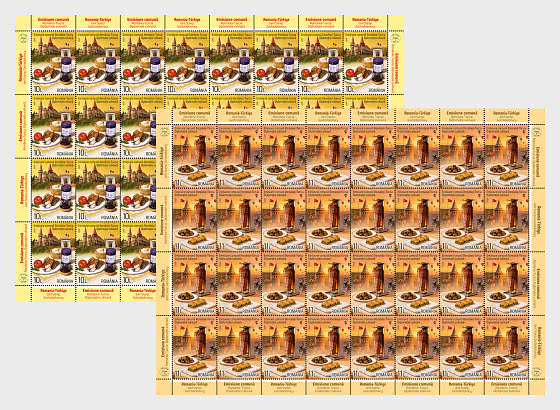
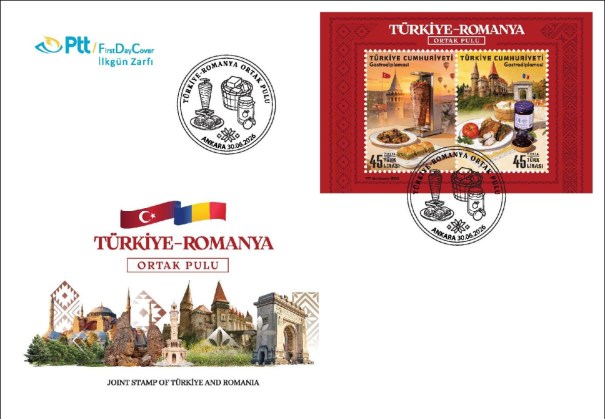
On June 30, 2026, Romania and Türkiye celebrated relationship with joint stamps depicting local gastronomy. Both countries issued two stamps with the same design. The postage stamp with the theme of Romania reproduces three representative products with European recognition: Topoloveni Plum Jam, Ibănești Telemea and Smoked Bighead Carp from the Land of Bârsa. On the stamp background are illustrated Corvin Castle located in the southwestern part of Transylvania, in the centre of Hunedoara County, and a miniature image of the Arch of Triumph in Bucharest, bearing the Romania’s flag. The postage stamp to the Republic of Türkiye, depicts the world-renowned Döner kebab, alongside a serving of eggplant moussaka and the traditional dessert known as baklava, set against an iconic view of Istanbul featuring the Galata Tower with a Turkish flag.
Turkiye issued the pair of stamps as se-tenant included in a souvenir sheet produced at 100,000 samples. As usual, Romanian production is more complicated with both stamps produced in panes of 32 units (2x[8×4]) (2×8,768 stamps corresponding to 2×274 panes), but also in two miniature sheets containing three stamps each above three different labels (2×2,925 miniature sheets issued), as well as a souvenir sheet with both stamps se-tenant (4,500 souvenir sheets).
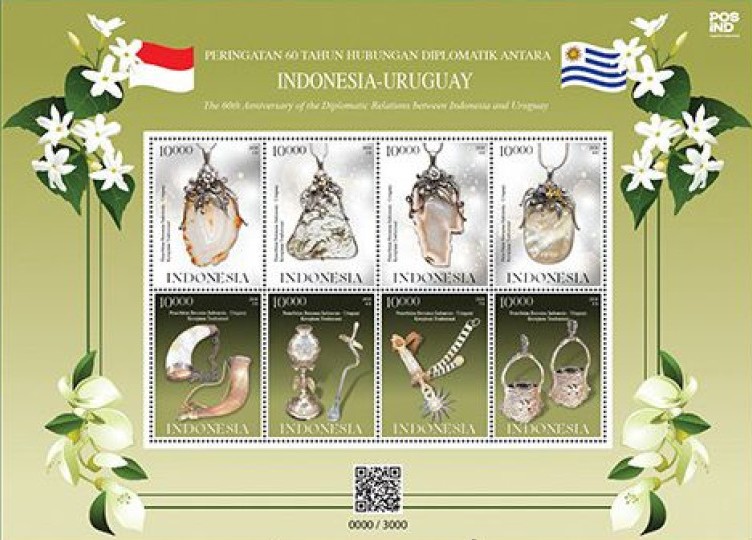
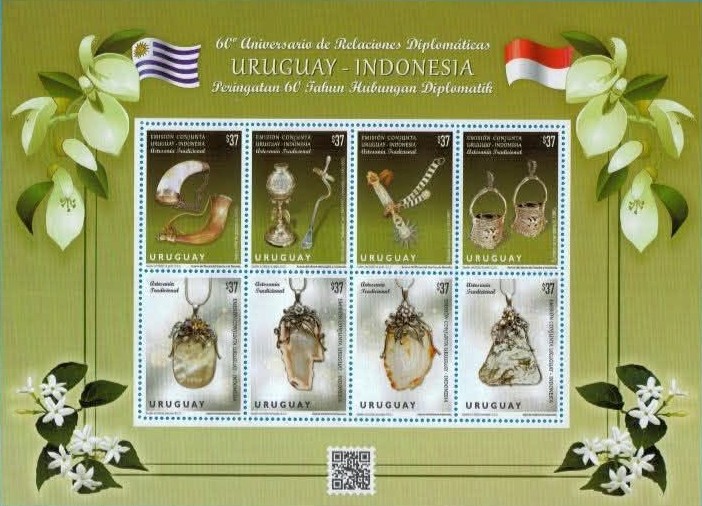
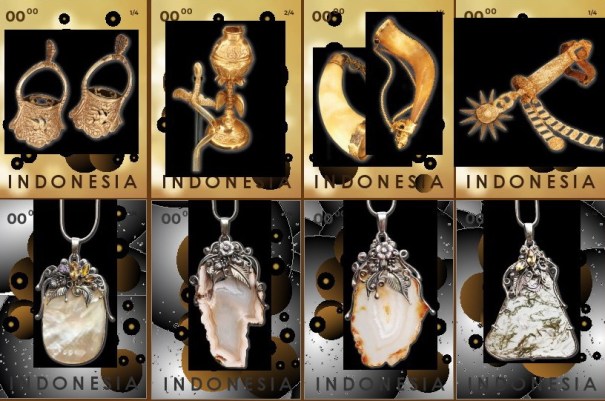
Big surprise with the Indonesia Uruguay joint issue scheduled initially for release on March 30, 2026 and remaining without news since: both designs appeared now on the web. Both countries issued a miniature sheet with 8 different stamps, showing as announced, handicrafts with jewelry. The stamps were issued on July 20, 2026, and for Indonesia apparently only at 3,000 samples.
The stamps do show the items displayed based on the original proposal, but the overall design has been greatly modified. Below is a reminder of the image we had in hands since beginning of the year.
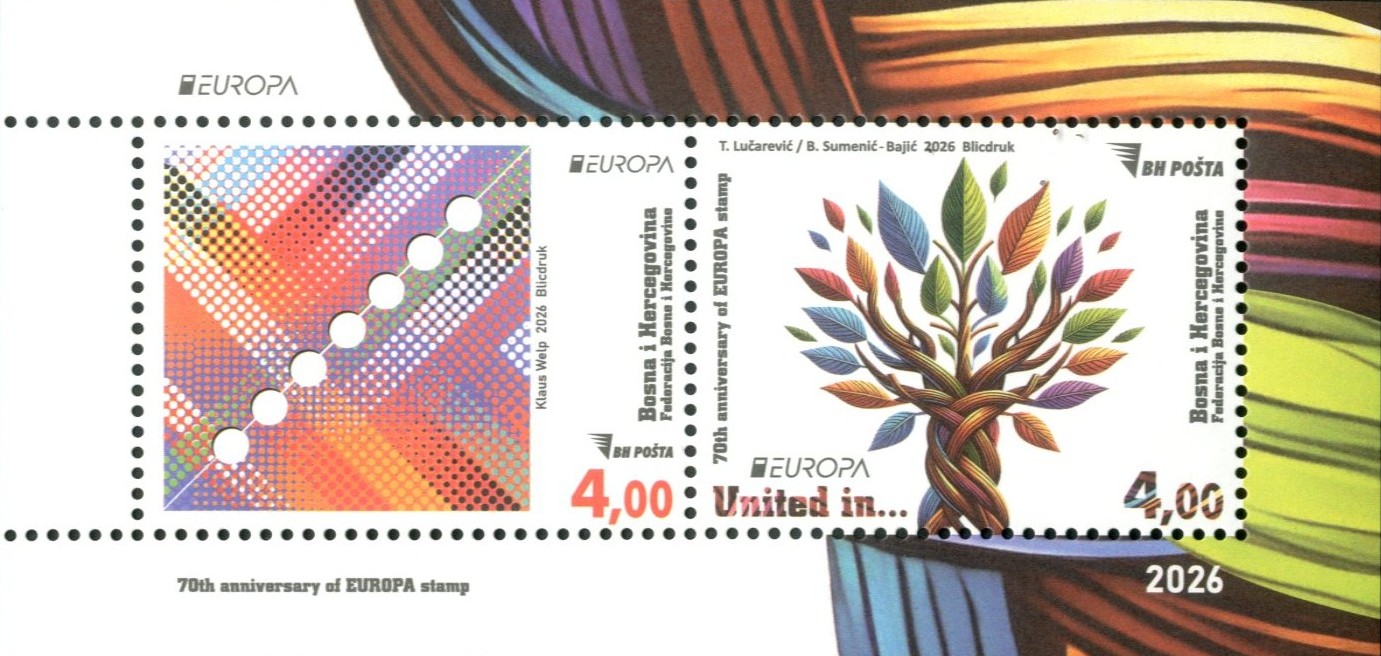
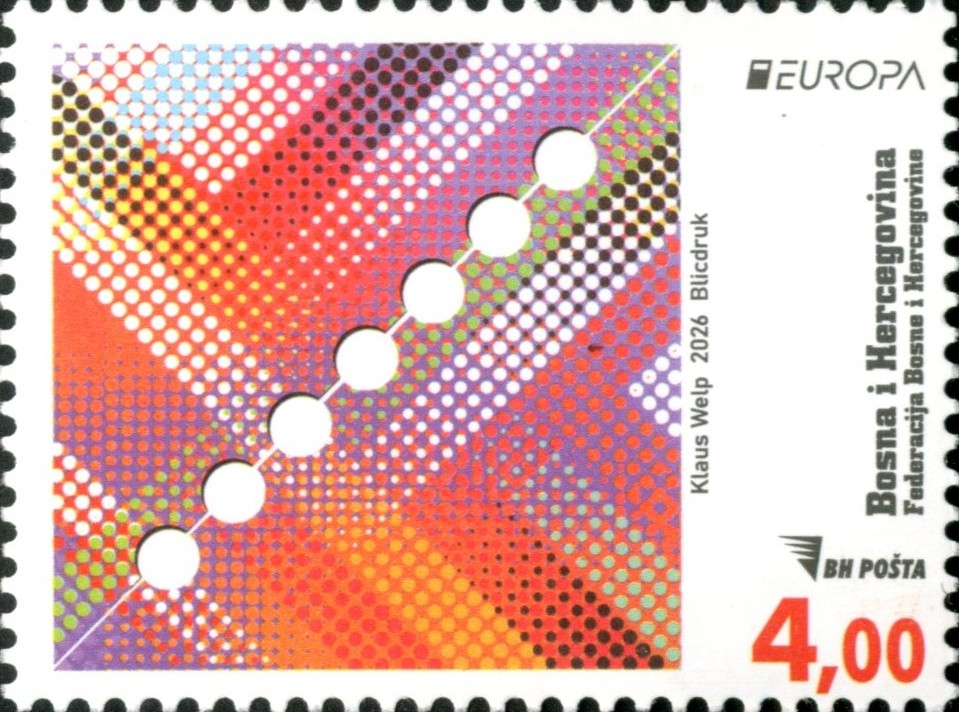
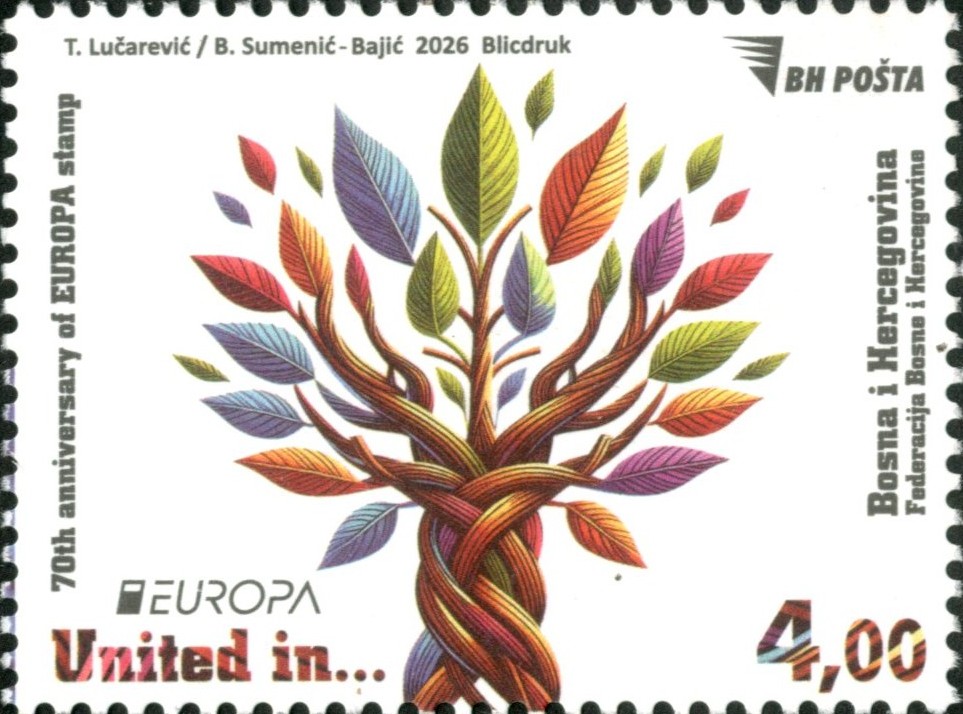
Regarding the 2026 Europa series [T20260508], Bosnia Herzegovina issued stamps on June 25, 2026 (and not on May 8 as initially scheduled). Bosnia Herzegovina issued two stamps, one with the common design, in panes of 10 stamps (2x[2×5]) and in a souvenir sheet containing both se-tenant stamps.
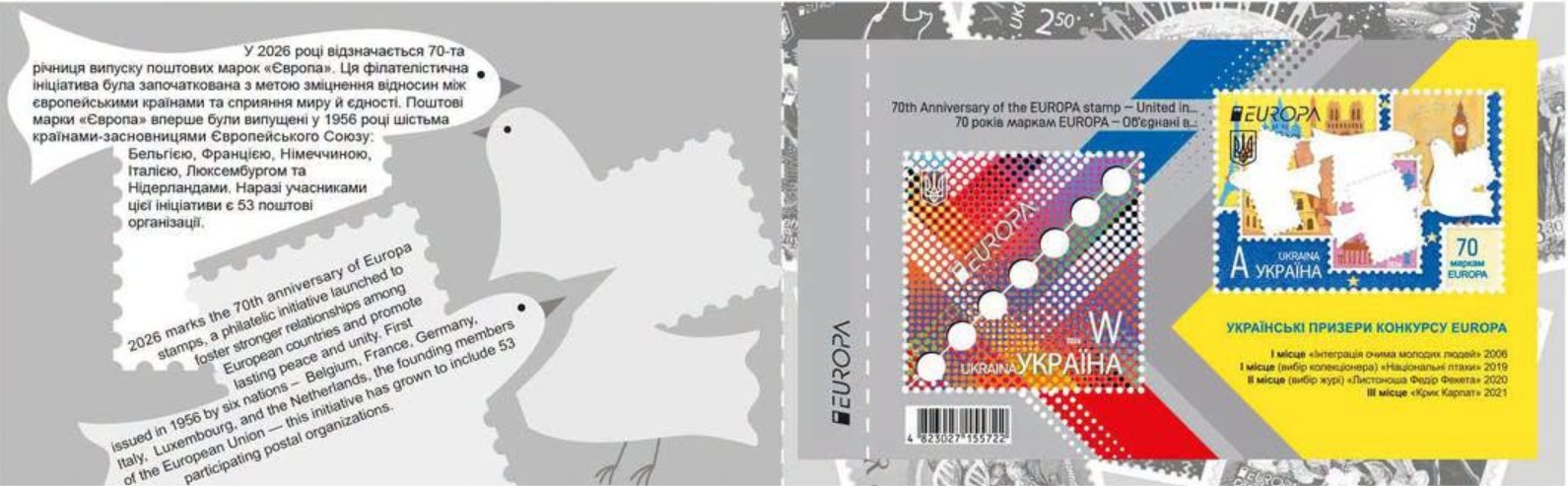
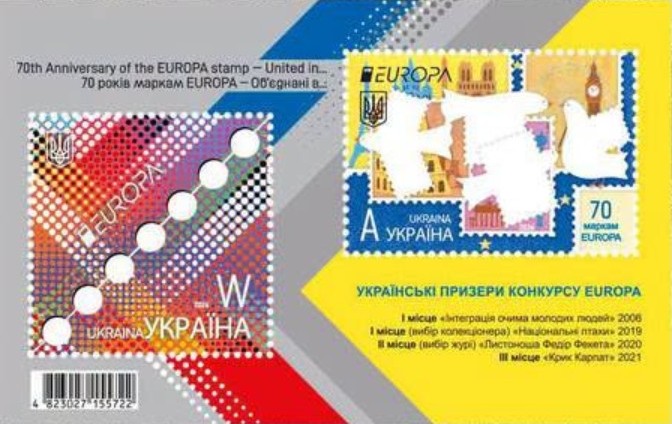
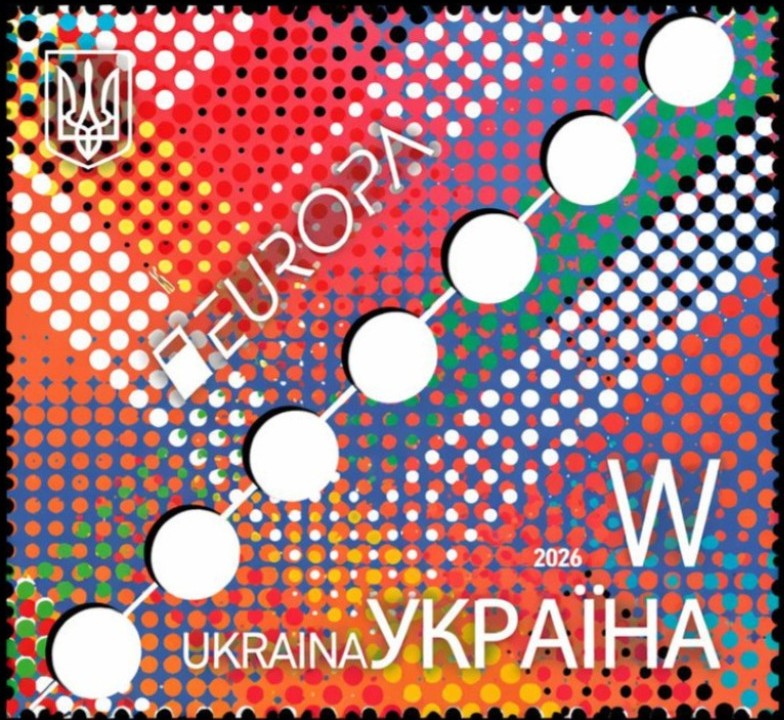
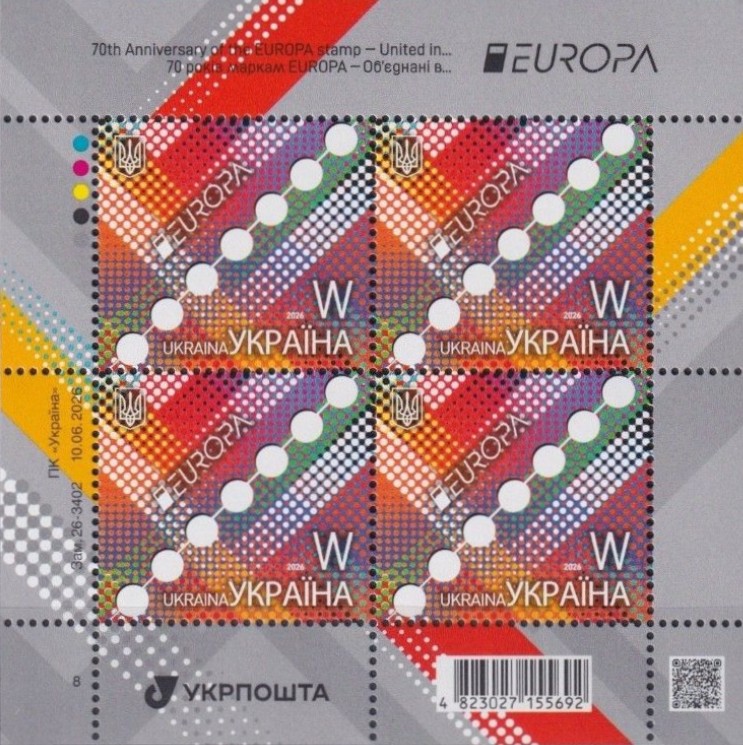
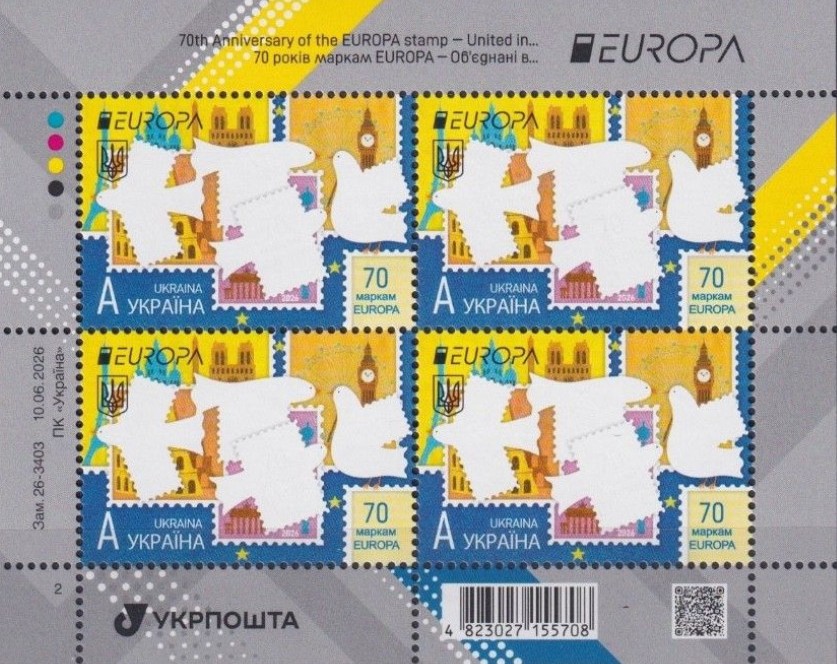
On July 10, 2026, Ukraine‘s Europa stamps were also released in forms of two different designs, available in miniature sheets of 4 stamps (2x[2×2]), a booklet with a souvenir sheet containing both stamps (issued at 1,700 samples) and a similar souvenir sheet with both stamps, issued at 4,400 samples (and available only for yearly Ukrainian stamp subscribers).
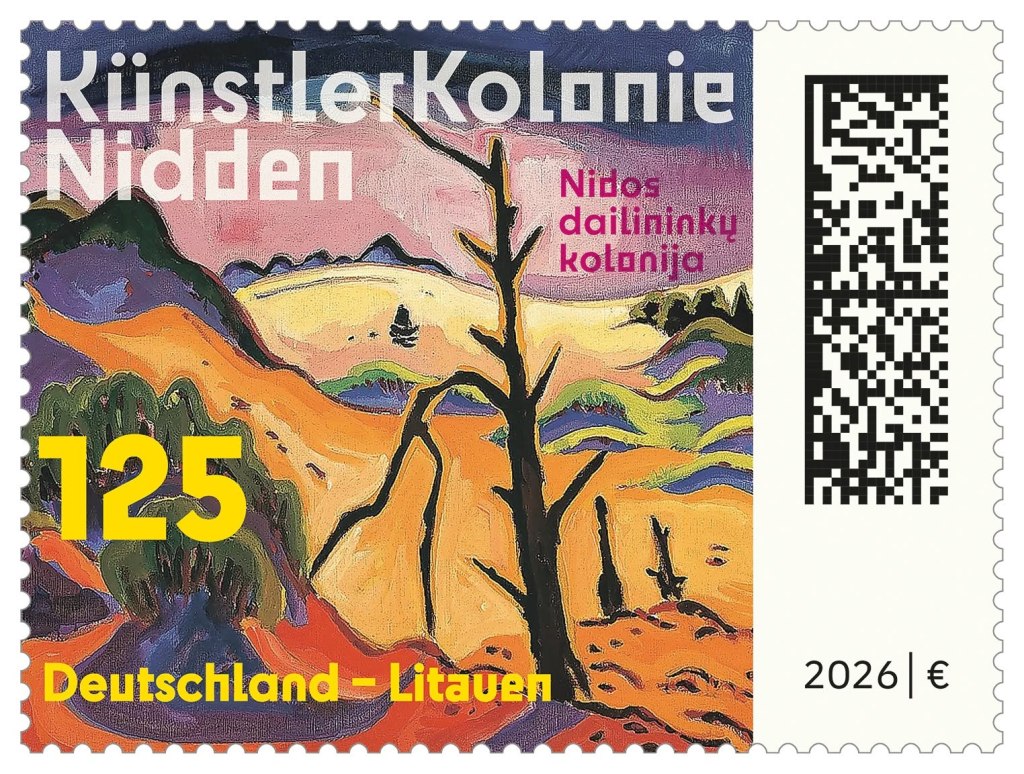
On August 6, 2026, Germany and Lithuania will celebrate with a joint issue, the existence of the Nida Colony, a Lithuanian coastal village that hosted numerous of artists since the end of the 19th century (at that time part of Prussia). The designs of the stamps became already available and show a painting from Karl Schmidt-Rottluff (1884-1976).
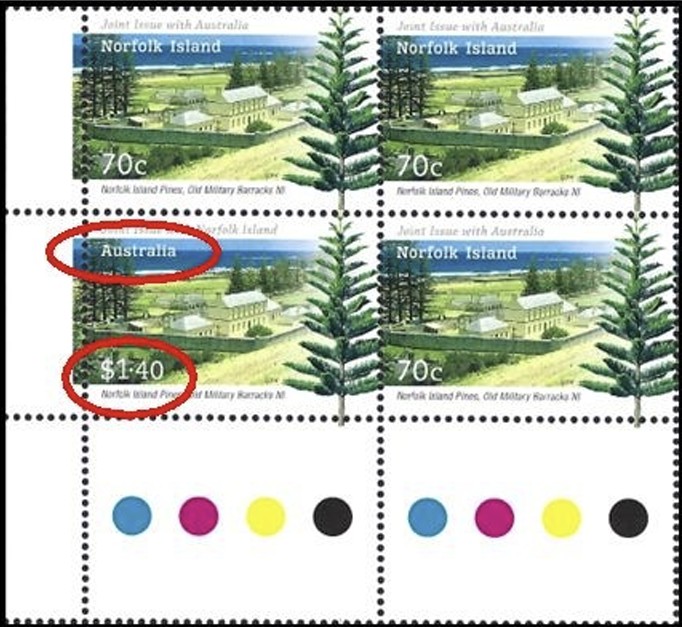
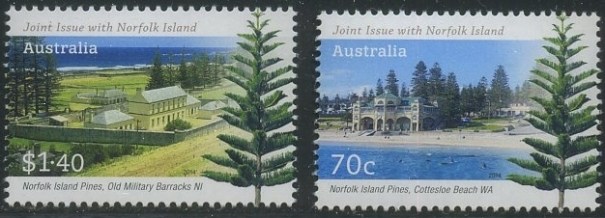
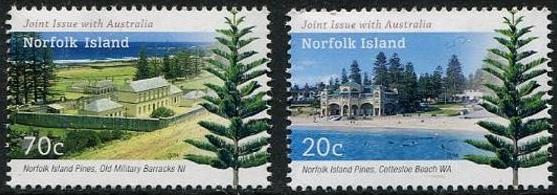
In the most recent issue of the the journal Pacifica (July 2026, Vol 64 N° 256), from the Pacific Islands Study Circle (PISC), B. Allen Shaw, a specialist of Norfolk, describes over two pages (p43-44) a surprising constant error in the panes of the Norfolk stamps from the July 22, 2014 joint issue with Australia [catalogue Vol 12, D20240722]. On that date, the Norfolk Island Philatelic Bureau, and Australia Post, produced four stamps of two designs featuring the emblematic Norfolk Island Pine. Endemic to Norfolk Island. The two designs featured were: a view of the Norfolk Island Pines on Cottesloe Beach, in Western Australia; and a view of the Norfolk Island Pines surrounding the Old Military Barracks, on Norfolk Island. The values of the Norfolk Island stamps were: 20c for the Cottesloe Beach design; and 70c for the Old Military Barracks design. The Australian counterparts were 70c and $1.40 respectively. The stamps were printed by RA Printing Pty Ltd, Melbourne, Australia, on Tullis Russell gummed paper in sheets of 50; two panes of 25 separated by a gutter, and the gutter having the printers colour dots only. The quantity of Norfolk Island stamps printed was 12,000 for each value. This equates to 240 sheets of 50 stamps each.
An error occuring on each sheet of Norfolk Island 70c stamps was discovered: stamp #21, located in row 5 and position 1, was actually the Australian counterpart of this joint issue. The stamp is inscribed “Australia”, with the value of “$1.40”, in error. The remaining forty-nine stamps are correctly inscribed “Norfolk Island”, with the value of “70c”. The items (full panes) were discovered in the archives of the Norfolk philatelic offices. With the very low number of printed sheets (240) and the late discovery, it is possible that this archive sheet will remain unique. So, do not lose time to try finding another sample, but if so, do not hesitate to tell us.
Mario Moni (Italy) enquired about an explanation regarding the absence of description of some colonial Italian issues in the catalogue, while others, such as the 700th anniversary of the death of Saint Anthony of Padua [D19310507], the Graf Zeppelin’s airship journey [D19330505] or the Naples Colonial Exhibition [D19341016] are present. Mario’s additional list includes the following: Dante Alighieri Society, March 14, 1932 with additional value issued on August 6, 1932; Giuseppe Garibaldi, April 6, 1932; 10 years of Rome March, October 27, 1932; Balboa Cruise, May 20, 1933; Football championship, May 24, 1934; 100 years of the Courage Gold Medal, September 6, 1934 and 2000 years of August Emperor on September 23, 1937.
By re-checking the Italian colonies that have used the similar topics and stamps as basis (including Aegean Islands, Cyrenaica, Eritrea, Italian East Africa, Italian Ethiopia, Italian Libya, Italian Somalia and Tripolitania), it appears that none of the rare stamps issued at the same occasions as listed above can be considered as joint. Stamps issued at different dates with different designs (e.g. Balboa Cruise) are excluded on the basis of the definition of joint issues. Also, overprints of existing stamps from another country are not to be considered as joint as well. In particular, this is the case for the Aegean Islands stamps which are all overprinted Italian stamps. As a conclusion, the list of Italian territorial series [D] from the period 1927-1937 described in the catalogue seems to be complete already.
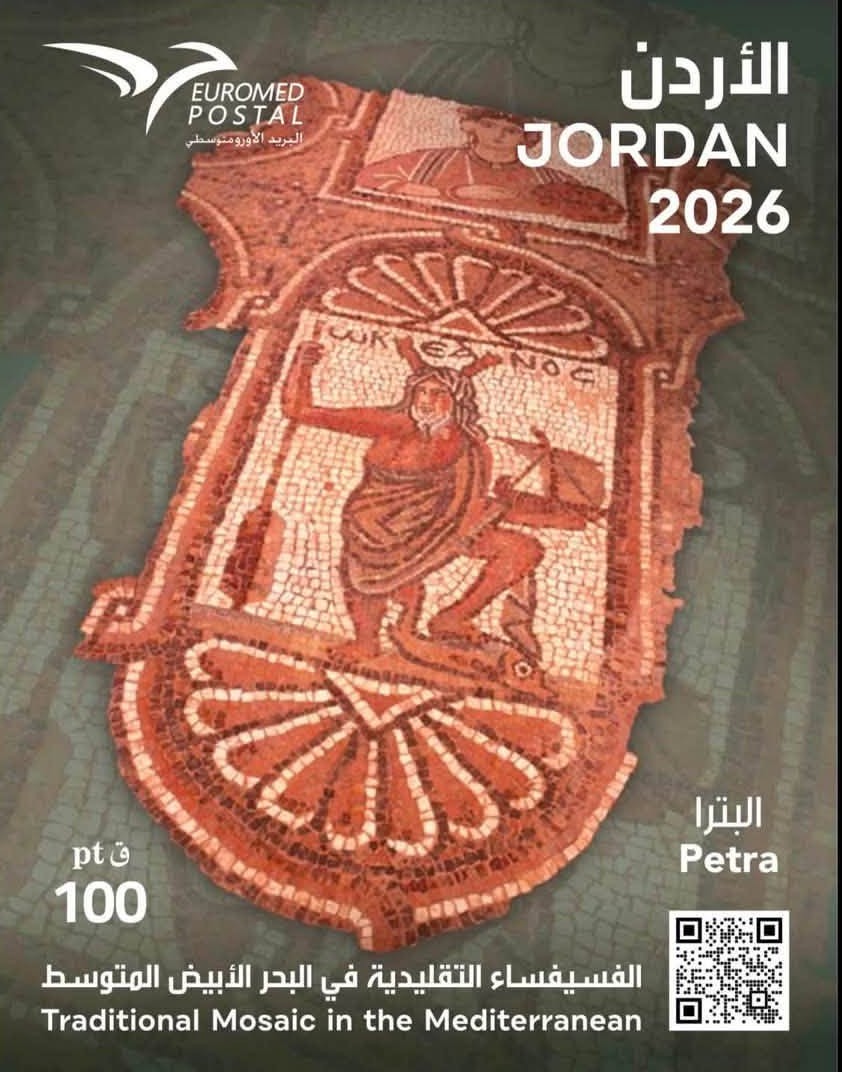
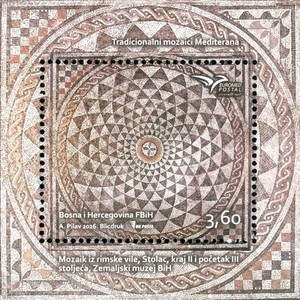
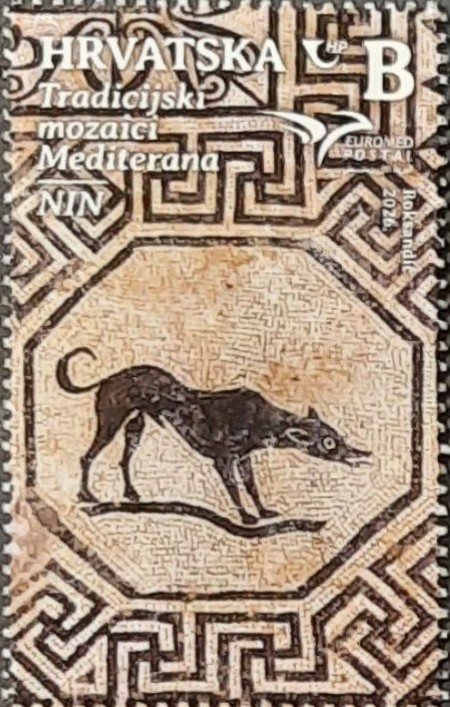
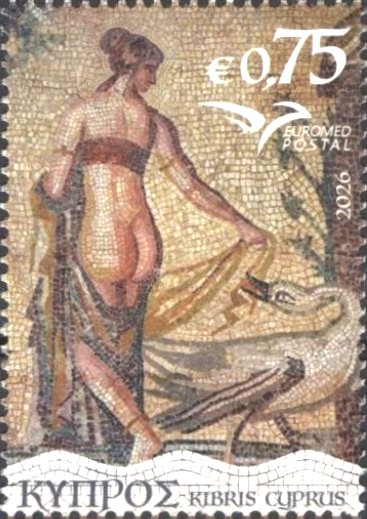
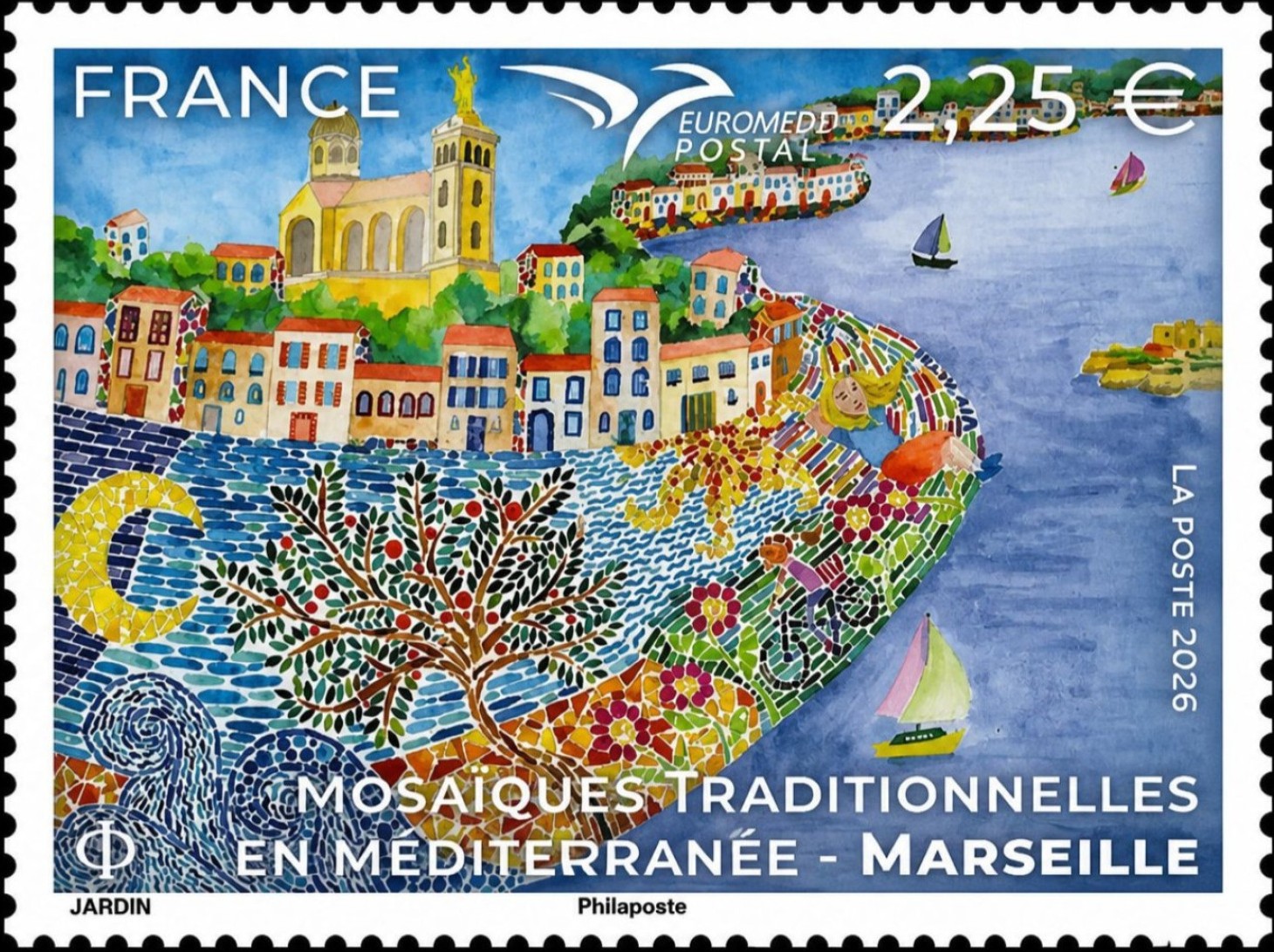
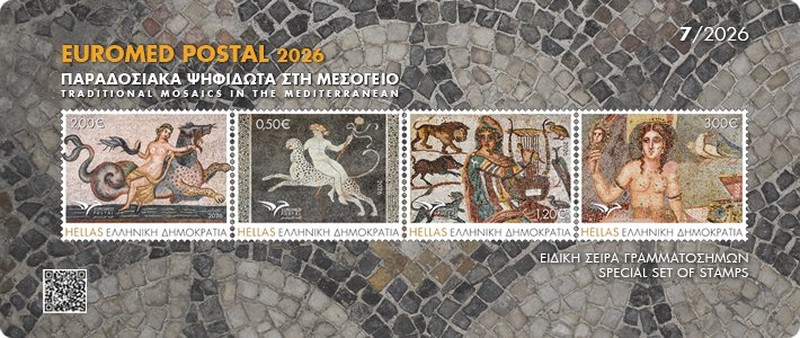
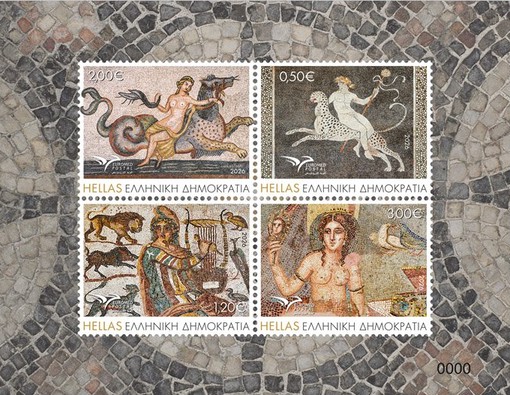
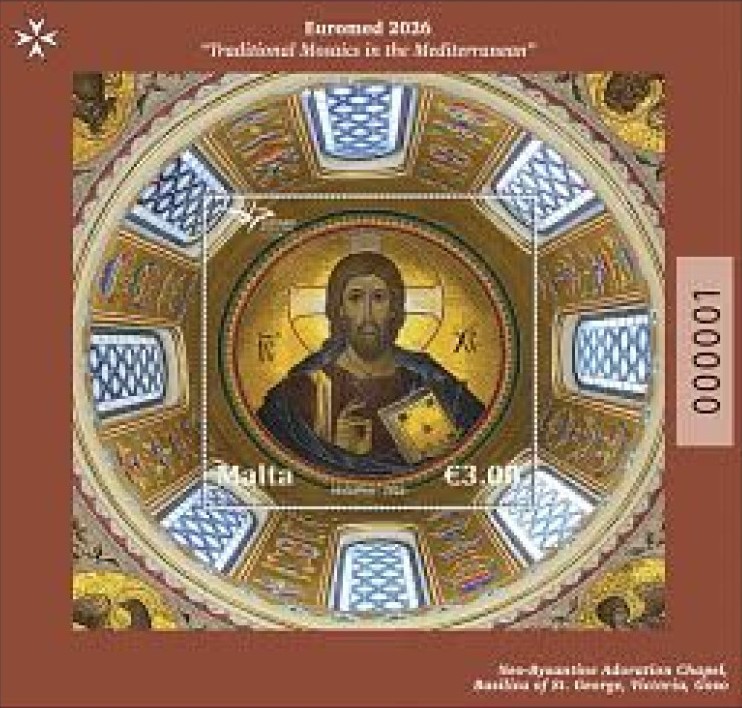
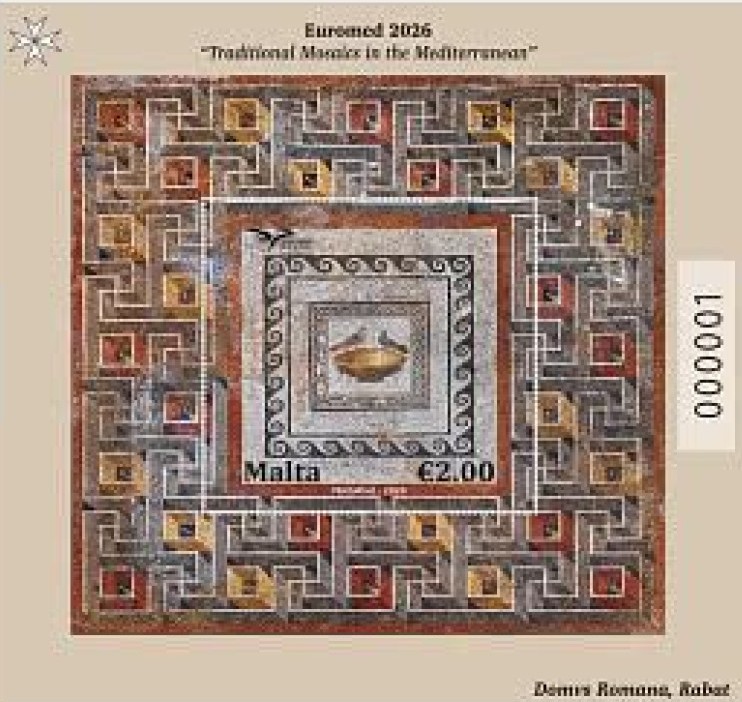
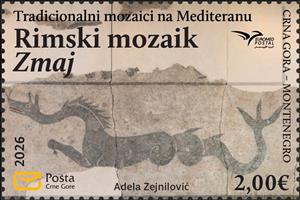
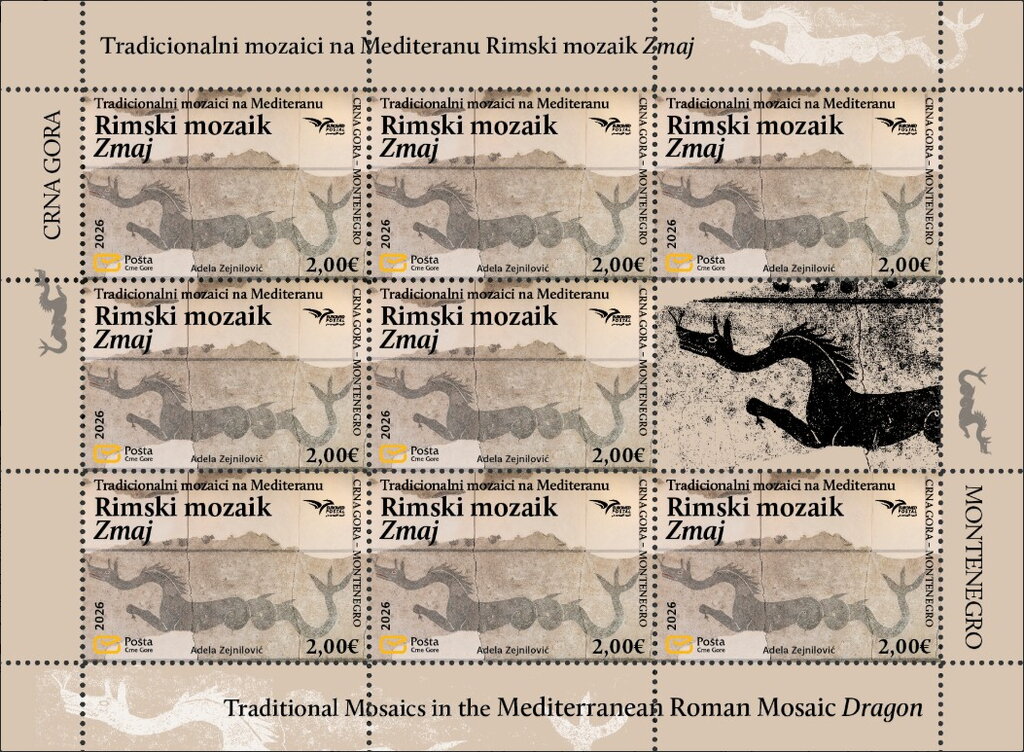
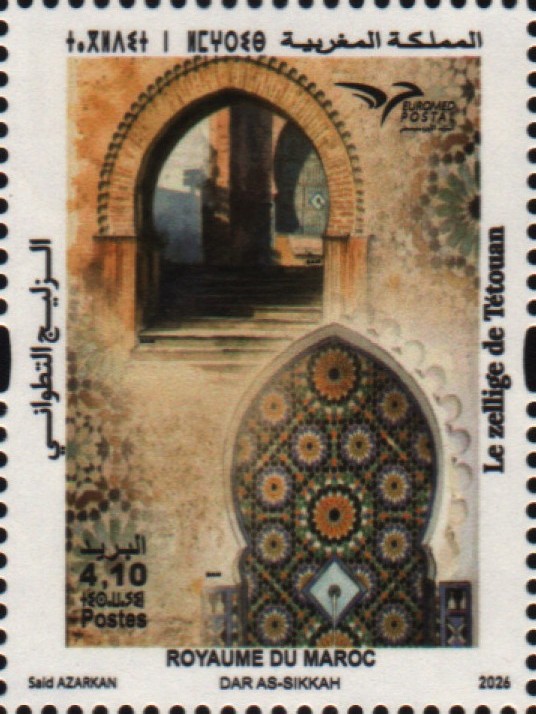
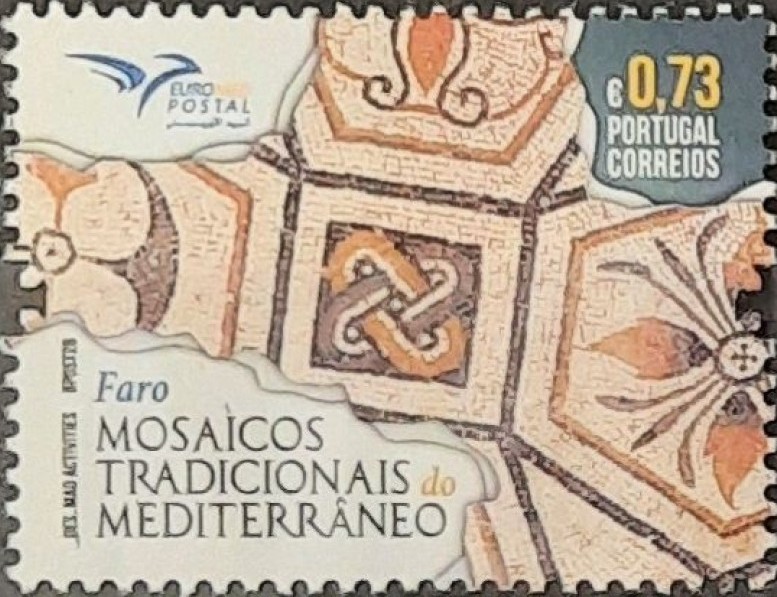
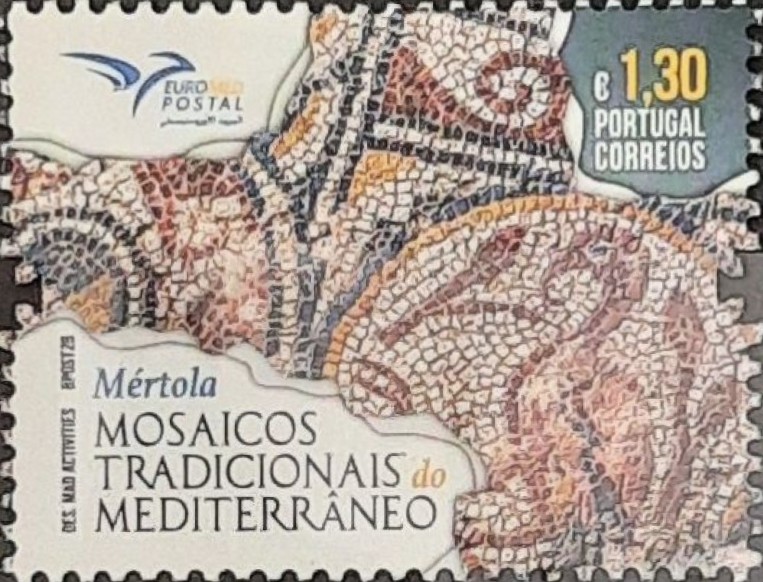
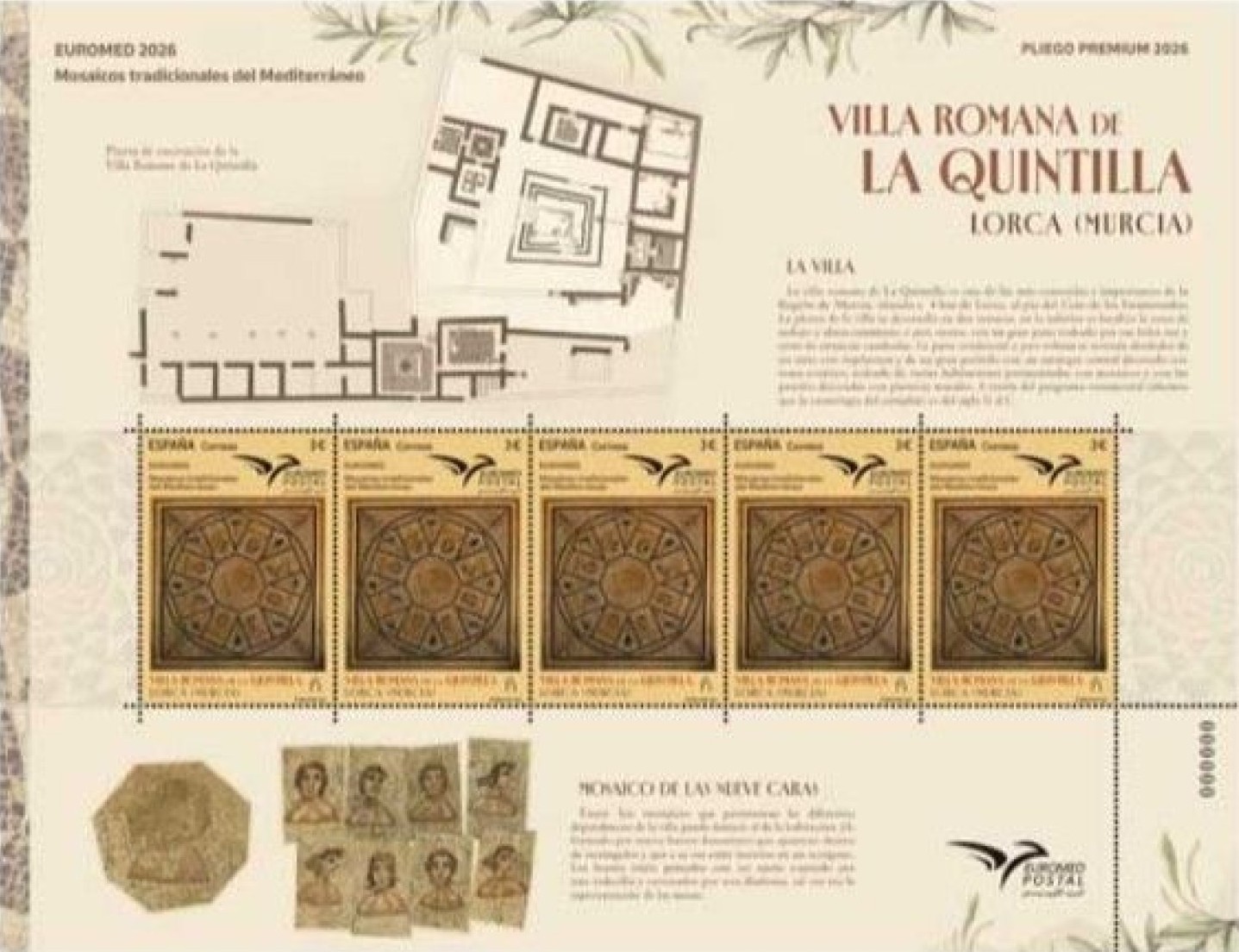
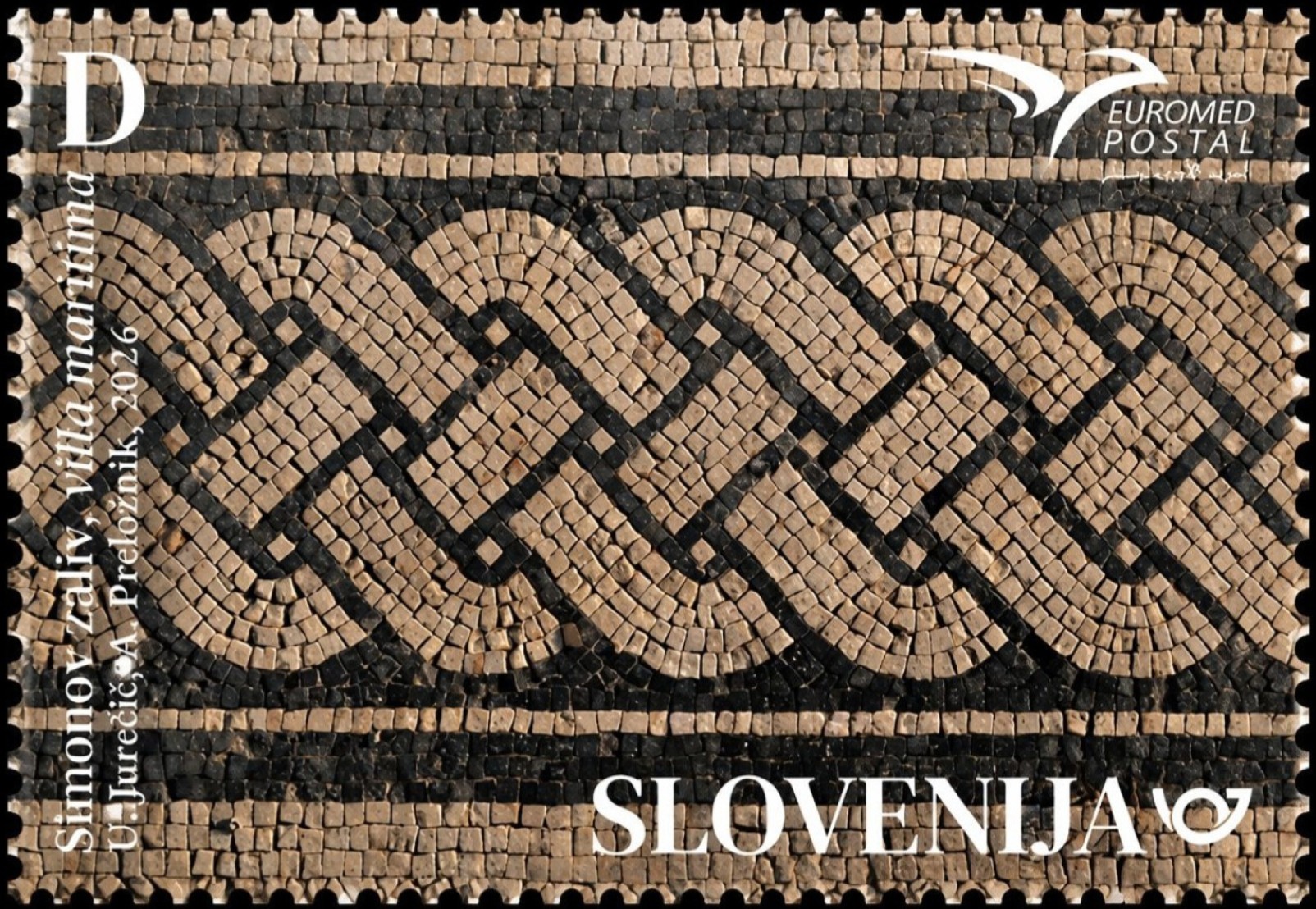
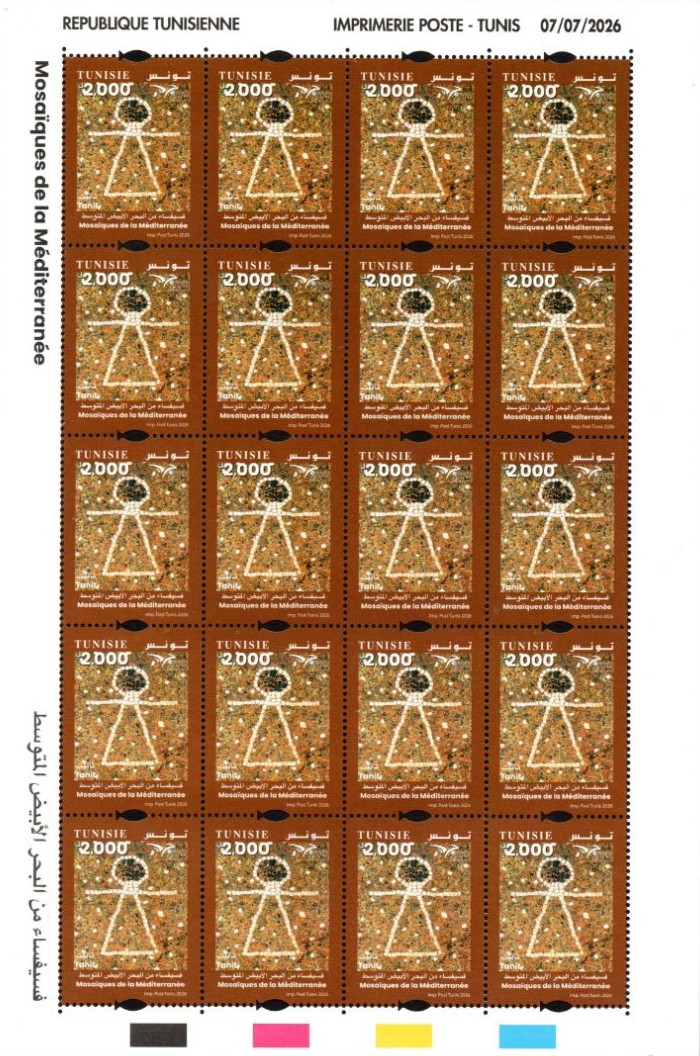
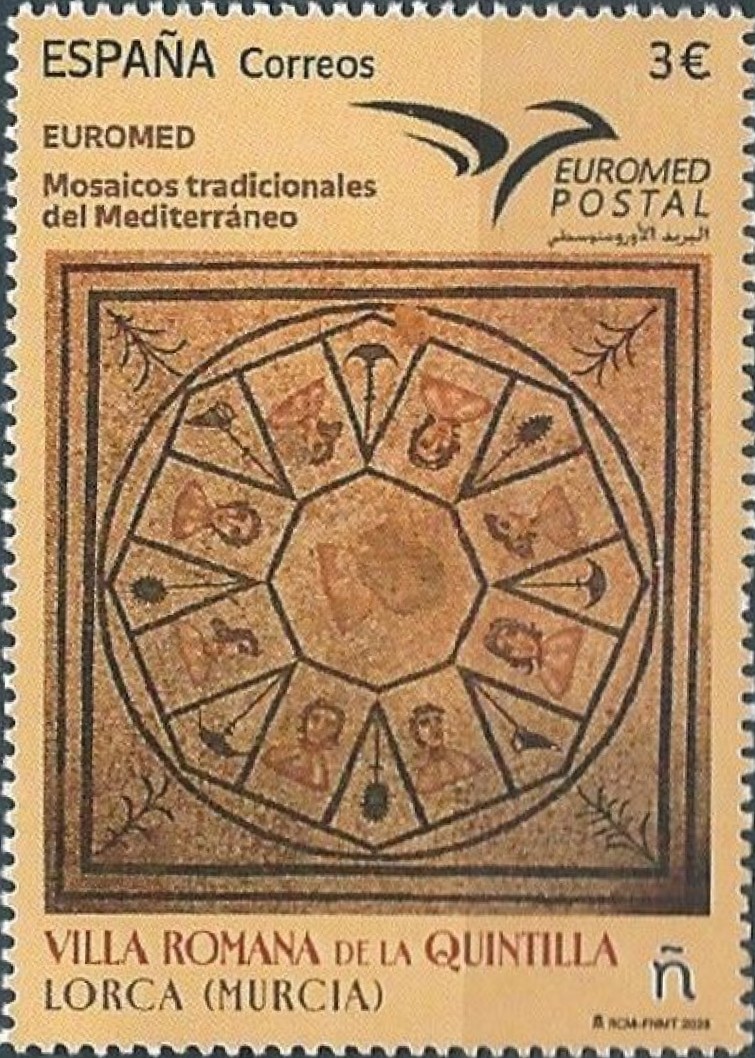
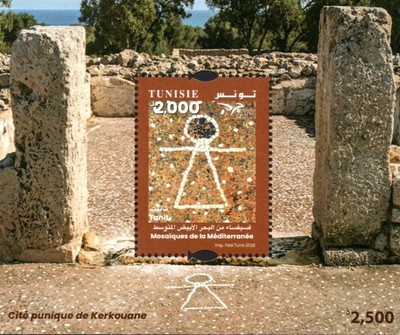
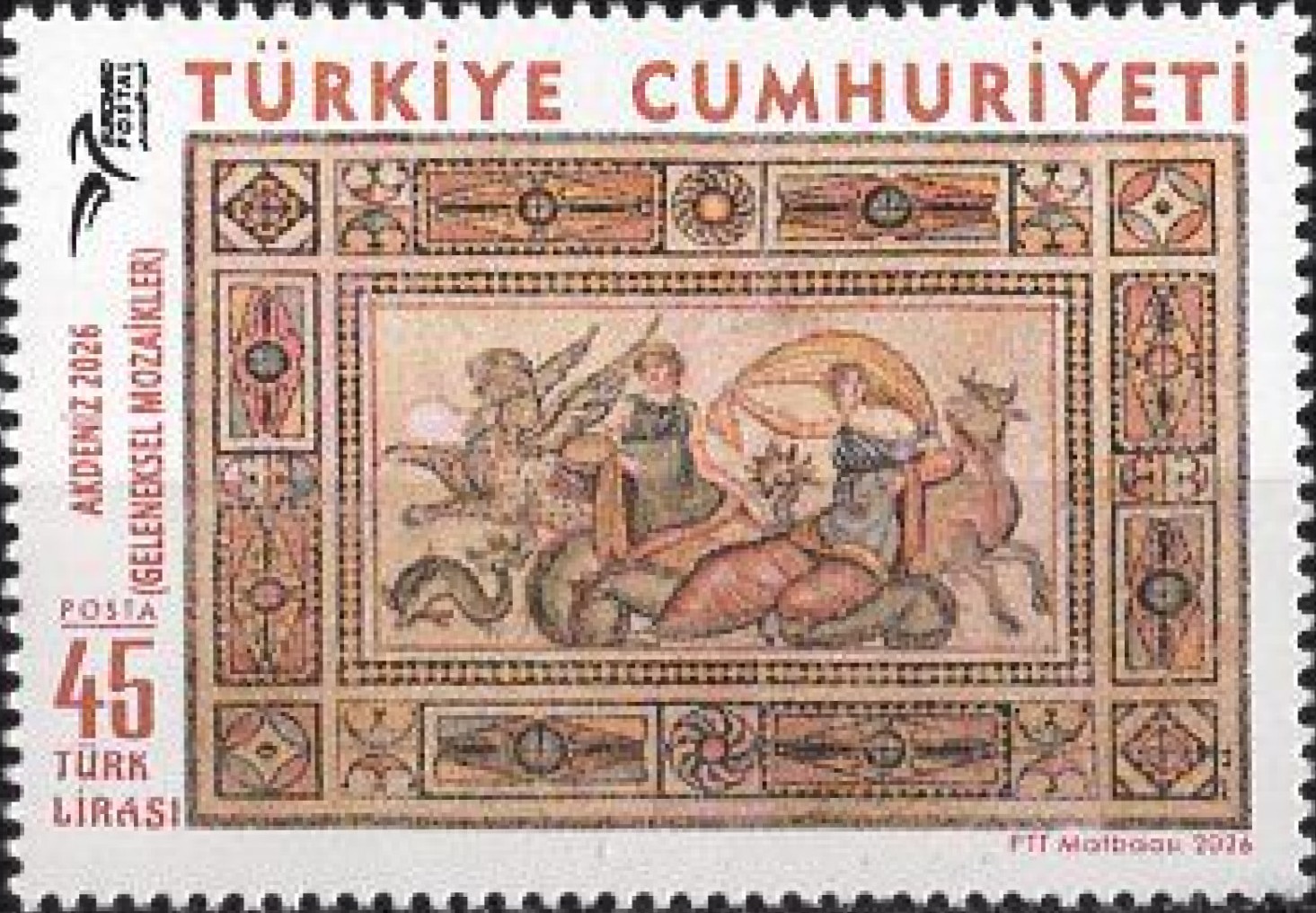
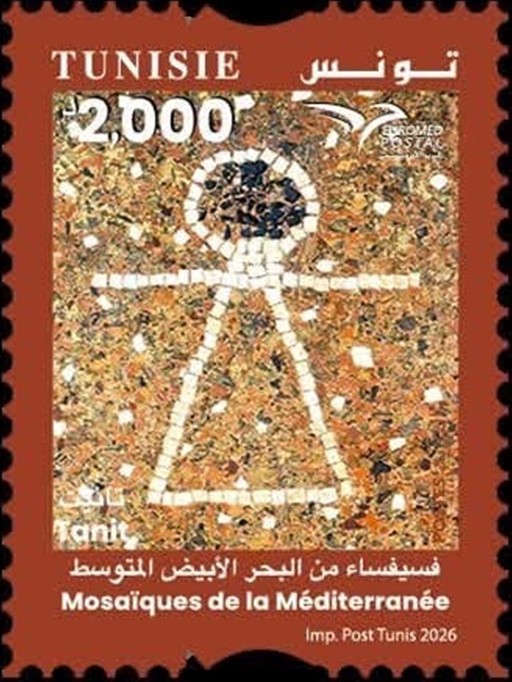
Since more than 15 years now, the European, Asian and African countries surrounding the Mediterranean Sea are issuing common stamps around the 9th of July with, each year, a specific related topic. This year, the participating countries have decided to focus on traditional mosaics of the Mediterranean. The most common issue date was July 13, 2026 and the first stamps were released as early as July 1st. The designs are all different and so far, 14 countries have already issued their stamps, namely Bosnia Herzegovina (July 13) – Croatia (July 14) – Cyprus (July 10) – France (July 3) – Greece (July 13) – Jordan (July 1) – Malta (July 9) – Montenegro (July 13) – Morocco (July 16) – Portugal (July 13) – Slovenia (July 13) – Spain (July 8) – Tunisia (July 7) – Türkiye (July 7).
The issue from Egypt was announced (July 14) but details are missing. Albania will probably issue its stamp with one year delay as for the previous series, so we can expect these stamps to become available only during the year 2027 (the Albanian Euromed stamp from 2025 is still not available yet). No information is available from other countries that participated to earlier common issues such as Lebanon or Palestine, while Algeria will apparently not participate.
On June 12, 2026, Serbia and Slovenia issued a similar souvenir sheet containing one single stamp entitled “Humanitarians, Queen Marija Karađorđević and her court lady Franja Tavčar”. The Serbia souvenir sheet, 100×67 mm, was issued at 10,000 samples while the Slovenian souvenir sheet was printed at 18,000 samples. (Information was provided by Janko Stampfl, Slovenia).
Russia and the Philippines celebrated their 50th anniversary of diplomatic relationship on June 2, 2026 with an issue on June 18, 2026 of stamps representing fauna: the Russian Greater jerboa (Allactaga major) and the Philippine mouse deer (Tragulus nigricans). To date, no information from the Philippines postal administration is available, but Enzo Cafaro (Italy) was able to provide a copy of the Philippines miniature sheet, confirming that it could translate in either a twin or a concerted issue. Any additional information is welcome.
Moldova and Romania celebrated the centenary of the first flight of the Bucharest – Galați – Chișinău airmail service, illustrated by a Haviland DH-9 plane. This is a nice twin issue released on June 24, 2026. Romania released two stamps, showing either a plane over a landscape with a bridge (design A), or a flying plane, next to the names of the three towns from the airmail line, as well as a cancelled cover (design B). These two stamps were issued in panes of 32 stamps, or in miniature sheets of 3 stamps and a label. Additionally, a souvenir sheet with a single stamp showing the design A, with flag, cancelled cover as well as a black and white photograph became also available. Moldova released the same two stamps A and B in miniature sheets of 8 stamps (with two additional labels) and a souvenir sheet containing the design B, together with a map.
Note that 2×3,200 Romanian stamps (A and B) were printed in panes of 32 stamps, i.e., in 2 sheets showing 4 lines of 8 stamps. The third line was intentionally printed upside down, making possible to create 8 pairs tête-bêche out of each each pane. These printed stamps represent only 100 panes of 32, from which a maximum of 2×8 tête-bêche pairs could have been isolated, resulting in a maximum of 2×800 tête-bêche pairs possible. The real number of tête-bêche pairs will definitely remain far below that figure.
On June 10, 2026, Türkiye issued a souvenir sheet showing the portraits of Yunus Emre (1240-1320), Turkish folk poet, and Hakani-I Sirvani (1126-1199), actually Afzal al-Dīn Badīl ibn ʿAlī ibn ʿOthmān, commonly known as Khāqānī, Persian poet, entitled ‘joint issue with Azerbaijan‘. Unfortunately, by the time of publishing this page, no information has been made available from this country.
The situation is similar with a joint issue involving Morocco and Mauritania, which illustration was provided by Eric Contesse (France). On the Moroccan stamps, it is clearly stated that it is a joint issue. These stamps are also supposed to be released during the month of June and information from Mauritania is missing so far.
Another Türkiye – Romania joint issue was announced in the Türkish philatelic program, expected to be released on June 30, 2026, but no counterpart is mentionned in the Romanian philatelic program. On the other hand, Romania still describes a joint issue with Kazakhstan scheduled for June 2026 (Biosphere reserves), but there are no news that came up recently from both countries about this issue.
The first year of office of the Pope Leo XIV announced originally by the Vatican State as a joint issue with Italy, was eventually reduced to an anniversary issue from Vatican alone, on May 8, 2026, and this entry had to be removed from the poten,tial 2026 issues.
All the above news were introduced in the catalogue which is now available in an updated form in the appropriate section.
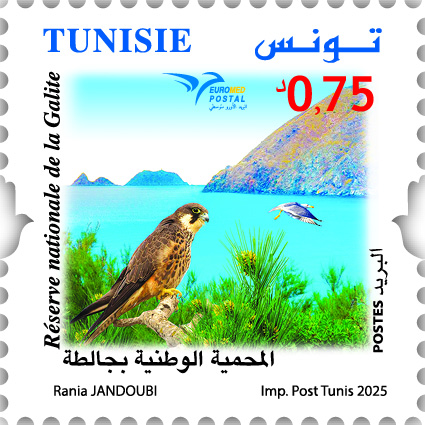
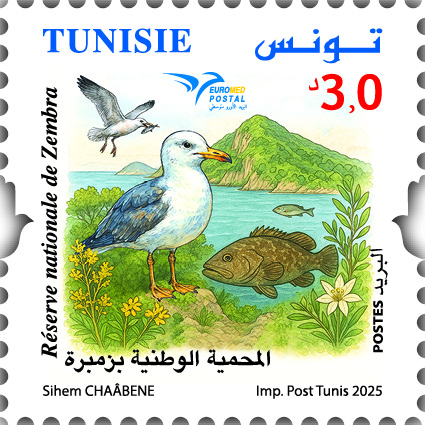
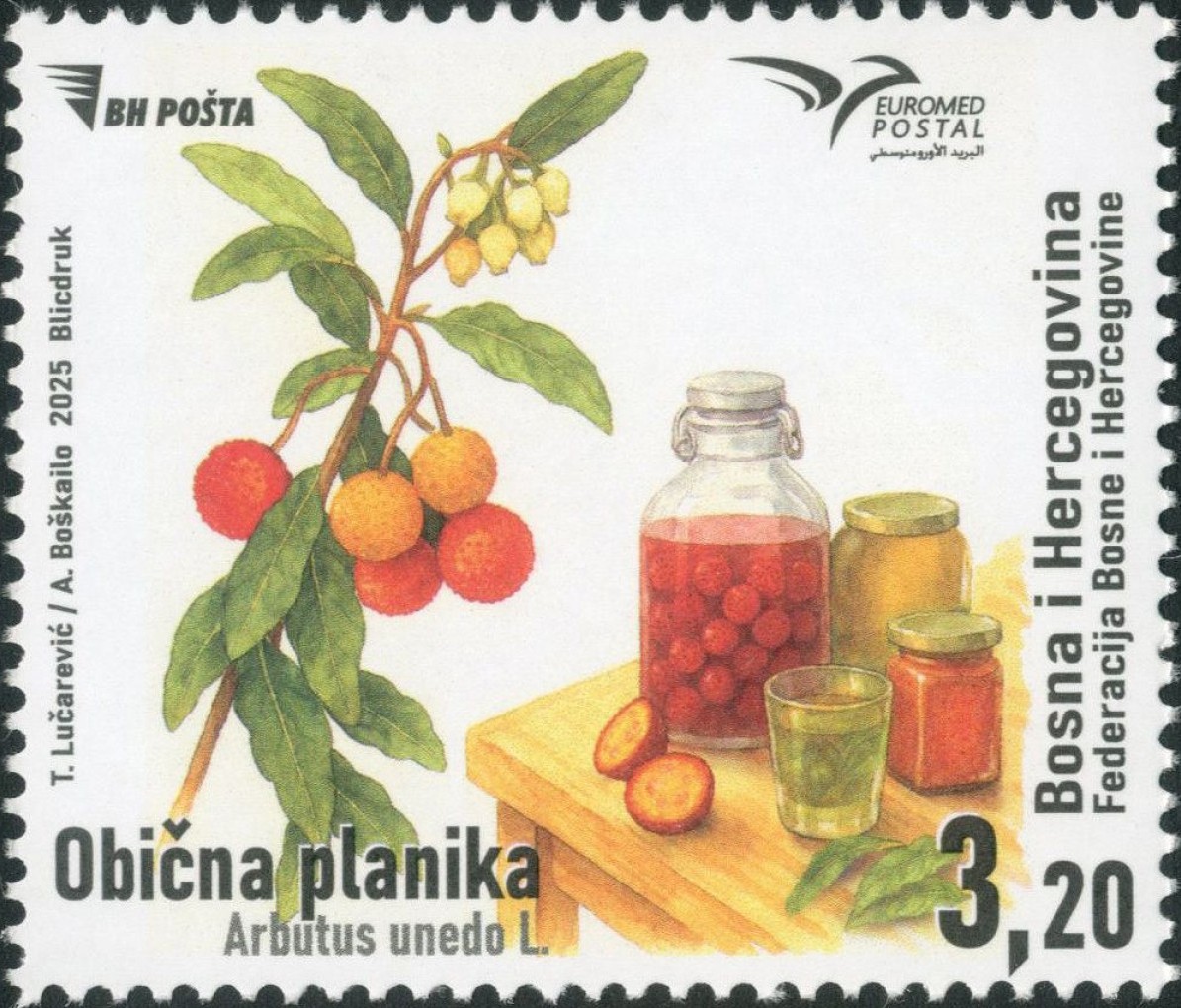
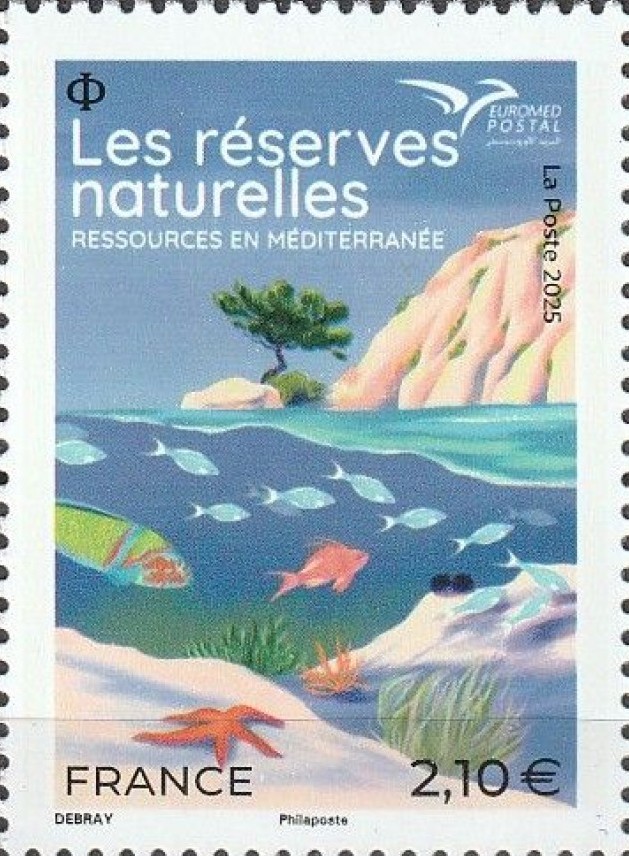
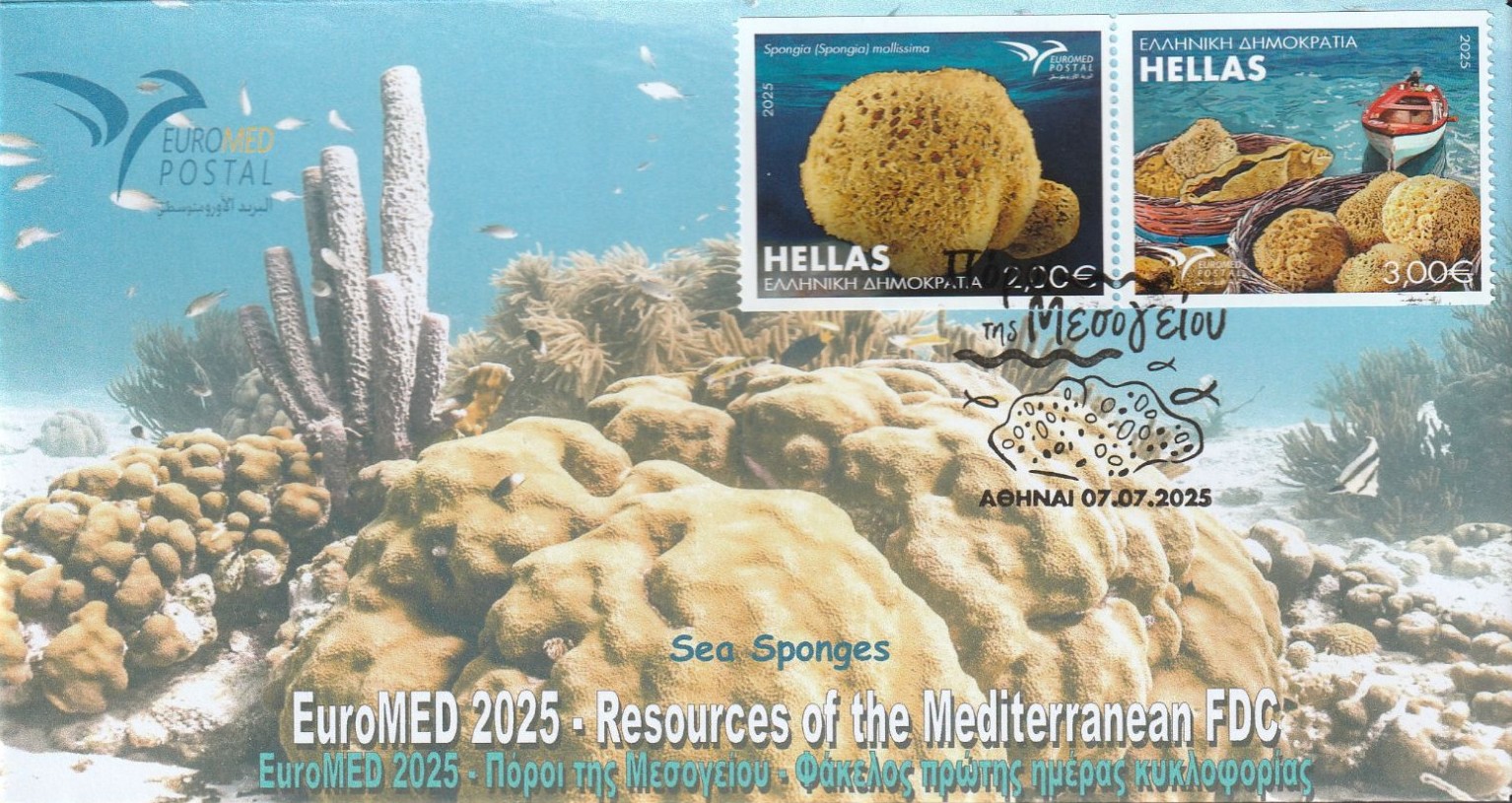
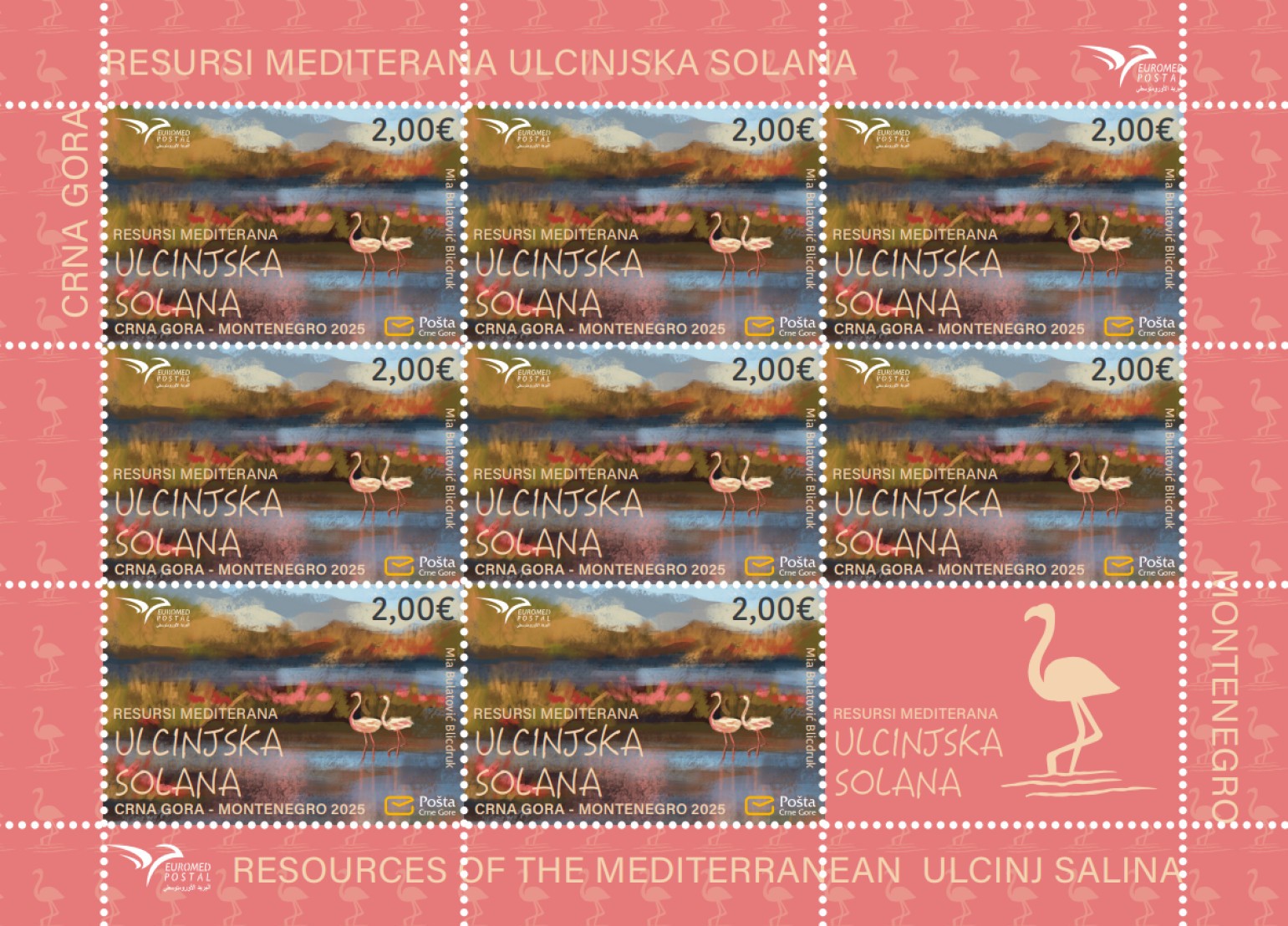
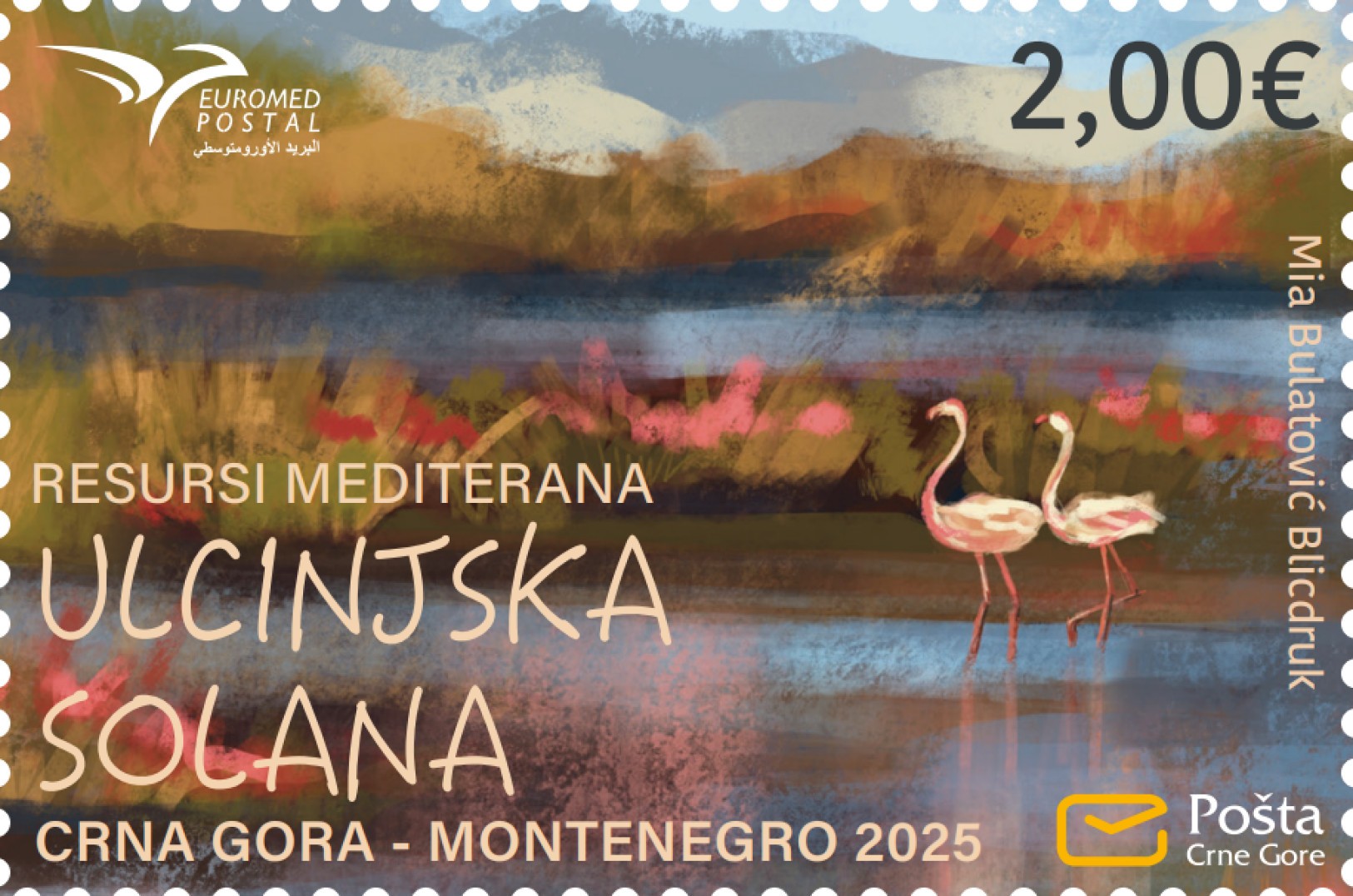
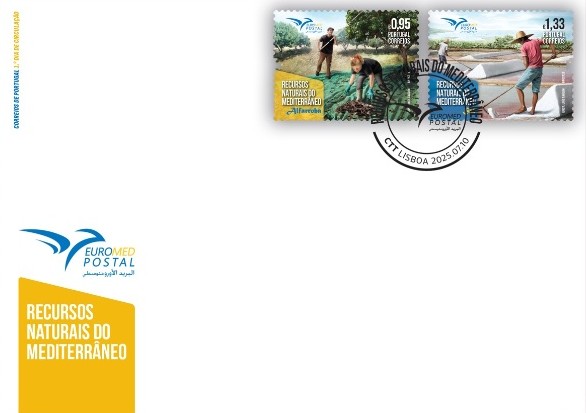
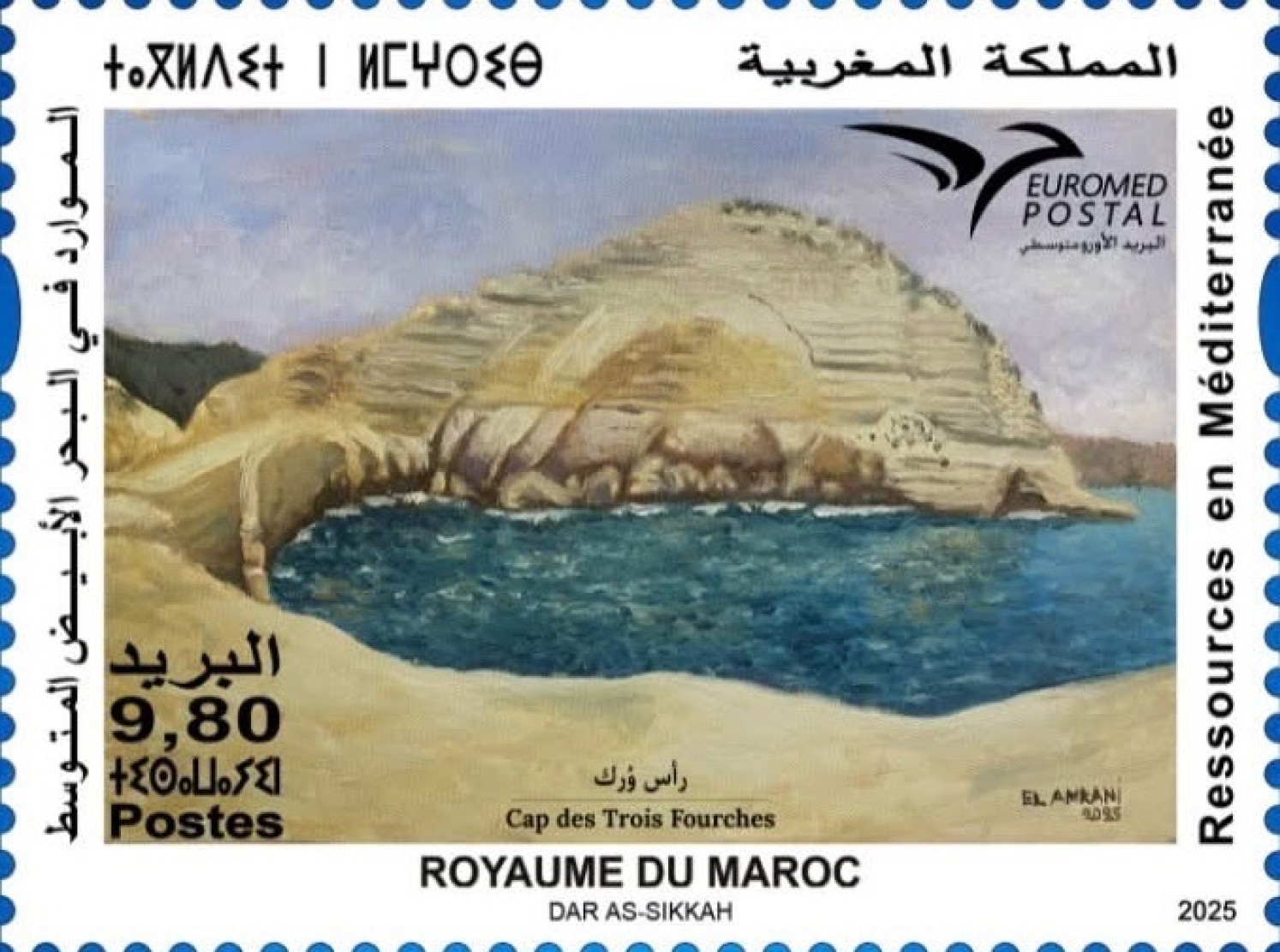
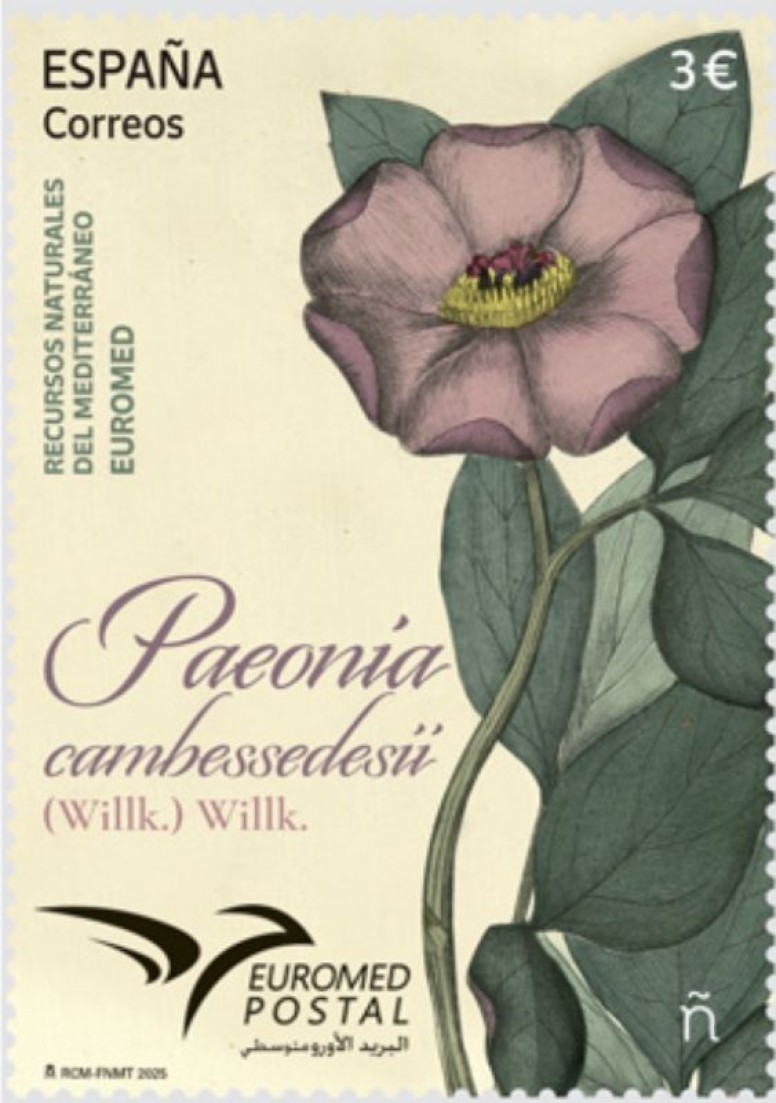
The 2025 EUROMED issue is dedicated this year to European resources. Almost full freedom was given to the postal administrations to design their stamps, and, as a consequence, individual stamps describe very different topics including national parks, natural (local) or energy resources (wind and sun), landscapes, food, crafts or access to raw material (e.g., salt), with Türkiye showing in a souvenir sheet all possible country resources. So far, 14 countries have released their stamps with the most ciommon date on July 14, 2025. Those countries include: Bosnia Herzegovina (July 10, 2025), strawberry tree (Arbutus unedo) derived products, preserves, jam; Croatia (July 14), the Neretva Delta; Cyprus (July 9), wind turbine; Egypt (July 14), energy, oil, sea resources; France (July 11), sea and shore; Greece (July 7), sea sponge (Spongia mollissima) and boat; Malta (July 9), sculptor and building; Montenegro (July 14), Ulcinjska Solana (Ulcinj saltworks); Morocco (July ?), natural resources, “Cap des Trois Fourches” (Cape of the Three Forks), Ramsar wetland; Portugal (July 10), carob collecting and salt harvesting; Slovenia (July 11), karst edge; Spain (July 8), flower (Paeonia cambessedesii), Balearic peony; Tunisia (July 7), Galite and Zembra national parks; Türkiye (Turkey) (July 7), landscape with different resources.
The Euromed association includes also Albania, Algeria, Jordan, Lebanon, Palestine. With the exception of Albania which always issues their Euromed stamp with a delay of one year, there is limited chances that one of these other countries will participate this year, but who knows?
Information was mainly provided by Med Achour Ali Ahmed (Algeria) and Enzo Cafaro (Italy). Thanks to both of them.
Complementary information came from diverse collectors over the past three weeks. They are reported here, without any sense of priority.
Wayne Chen (USA) came across a vast number of se-tenant sheets fabricated and sold by Stampera. The full list is available through the companies’ site using the search tool and the word ‘siamese’ (reminder: in the joint issues definition, this word has to be replaced by ‘se-tenant’) https://stampera.eu/stamps?search=Siamese&page=1. As mentioned several times in the past in these pages, products released by this company are true stamps, but produced only for collectors in small amounts, without topic related to the country, and at a very high number of sub-types (souvenir sheets, miniature sheets, perforated and not) also with very high denomination. They are not called cinderellas, just because they show a denomination. A collector who wants to buy the complete set of these ‘se-tenant’ products (35 different products have been identified so far) will have to spend at least € 1,900 (souvenir sheets, perforated and non-perforated, both mint or FDC, without taking in account individual isolated stamps). All these products are simply made to fool collectors and cannot be approved as true joint issue. With the new printing technologies, they are also suspected to be printed upon demand only, i.e., sheet by sheet, so there is no limitation in terms of printing runs. In this case, they will not be reported in the catalogue, but we wanted to bring this information to your attention.
All described products have been printed by associating in a same miniature sheet, stamps from up to 6 different countries, available normally in panes. Some examples are provided below.
Robert Schrijvers (Mongolia) talked with Mongol Post about the potential joint issue between India and Mongolia intended to celebrate the 70th anniversary of diplomatic relations (December 1955 ?). These relations were initiated on December 24, 1955. Robert has seen the Mongolian version, but was not allowed to take a picture. It depicts Mongolian (biyelgee) and Indian dances. Decision to release and date of issue are pending upon Indian Post agreement.
Milan Csaplár (Slovakia) provided the design of the joint issue to be released in August 2025, by the Slovak Post and the Luxembourg Post, which is dedicated to King Sigismund of Luxembourg (640 years of the crowning of Sigmund of Luxembourg in Hungary).
Ali Allawati (Oman) points to an error in the catalogue regarding the image of the Oman stamp from the Oman–Singapore joint issue [T20250221]. This mistake appears in both the blog and the catalogue. The image of the stamp currently shown is taken from the souvenir sheet, which does not display a denomination. The actual stamp is priced at 500 Baisa. The stamp on the souvenir sheet does not display a price. The souvenir sheet price can be seen in the bottom left corner of the souvenir sheet. Below, in the reproduction, you can see the differences between the two stamps, the second one taken from the souvenir sheet, next to the complete souvenir sheet with denomination in the margin. This mistake was corrected in the catalogue. Thanks Ali.
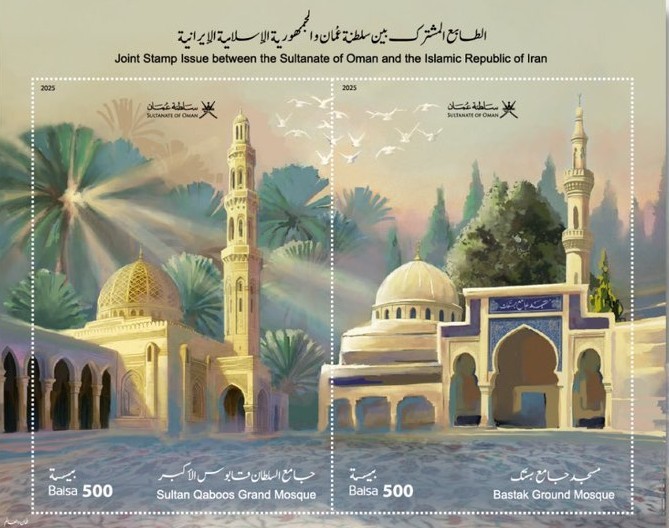
Ali provided additionally, a corrected version of the image used for the Oman–Iran joint issue from May 27, 2025. In the previous blog page, the illustration contains an error at the level of the title at bottom right, in which ‘Grand’ was mistakenly spelled ‘Ground’. This is corrected in the final version and to our knowledge, no stamp with the mistake was released. Both souvenir sheets (design left with mistake and final, corrected, right) are reproduced below. We are still missing information from Iran.
On the other hand, we are also waiting information about the Oman – Russia joint issue announced in the press for a release on April 22, 2025.
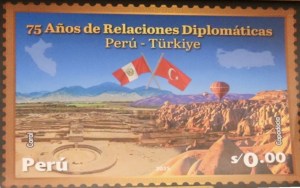
Kenneth Sequeira (Singapore) found the design of the next Peru –Türkiye joint issue to be released in the second half of 2025, to commemorate the 75 years of relationship. No idea if both stamps will show the same design.
The issues involving Bosnia Herzegovina (Croatia) and Bosnia Herzegovina (Serbia) commemorating the 150th anniversary of the Herzegovina uprising, translated in two different stamps, issued at two different dates respectively June 15 and June 19, 2025, but above all, without any joint character, i.e. not claimed as joint by the two postal authorities. These stamps are to be considered as a simple anniversary commemoration, around the same date, and will not be included in the catalogue.
The catalogues Vol 1 and Vol 16 have been updated accordingly.
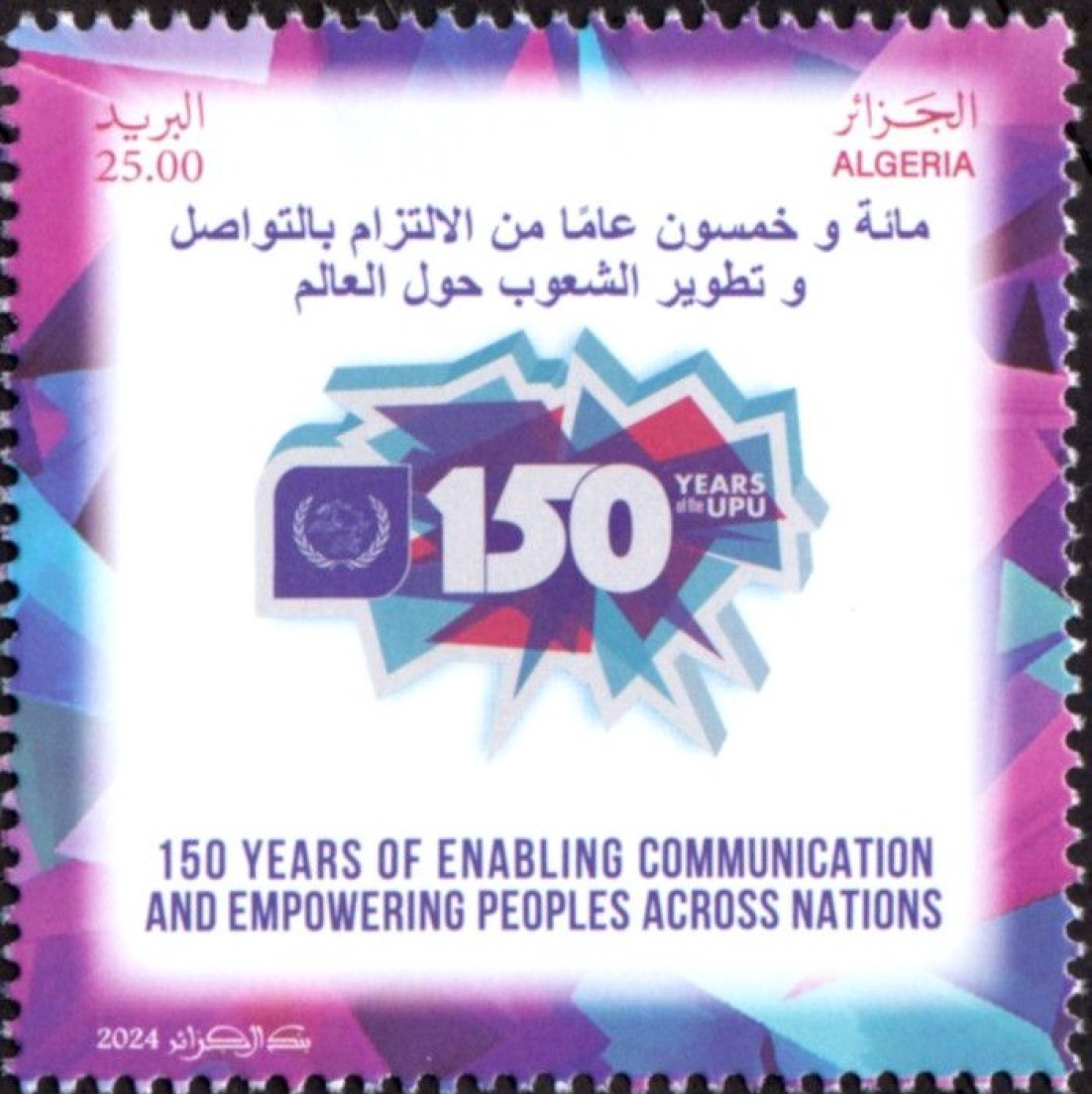
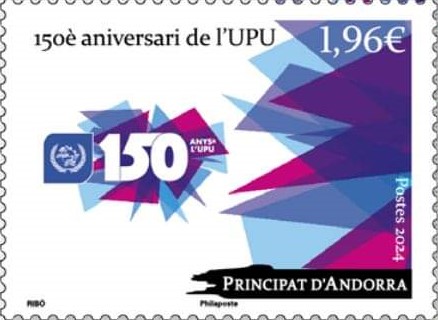
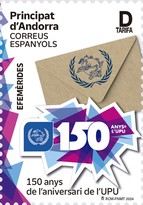
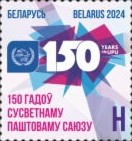
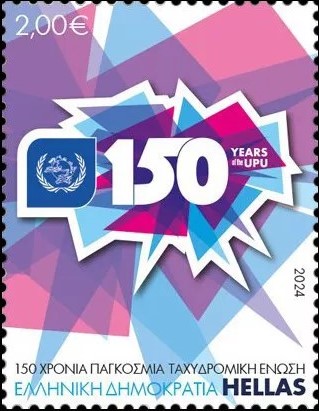
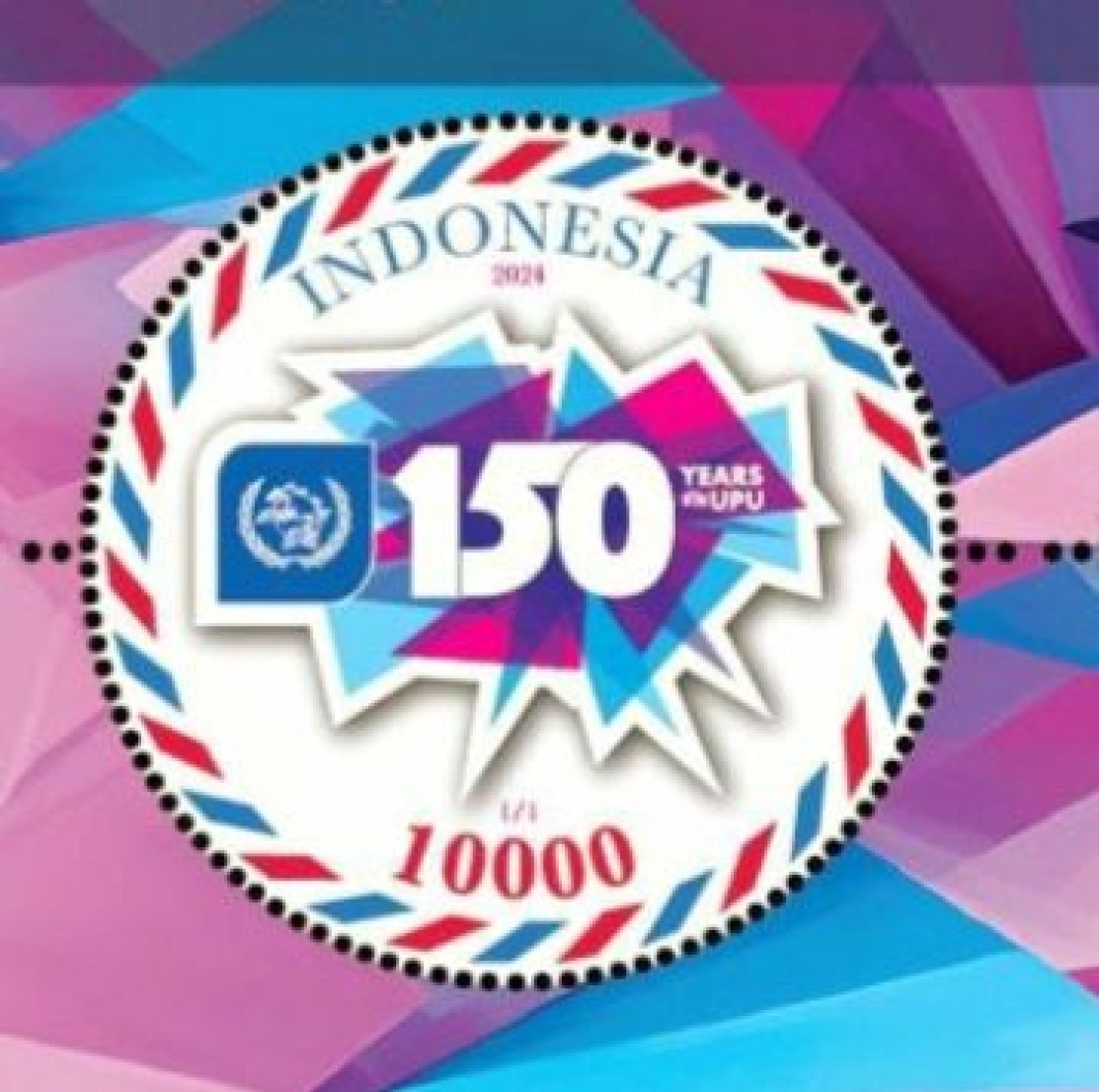
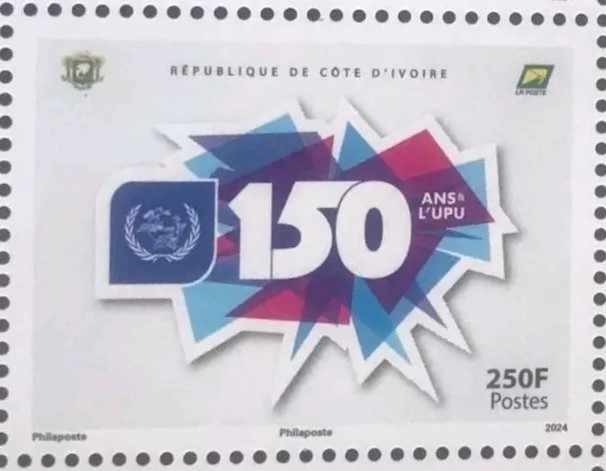
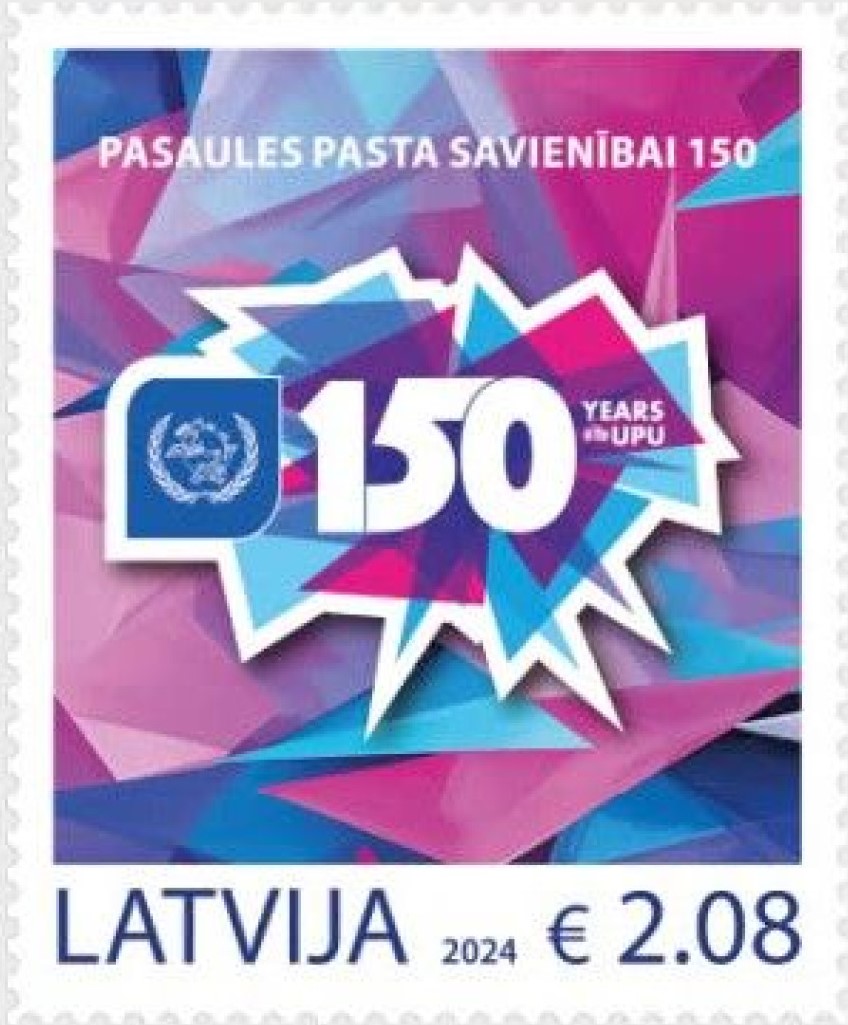
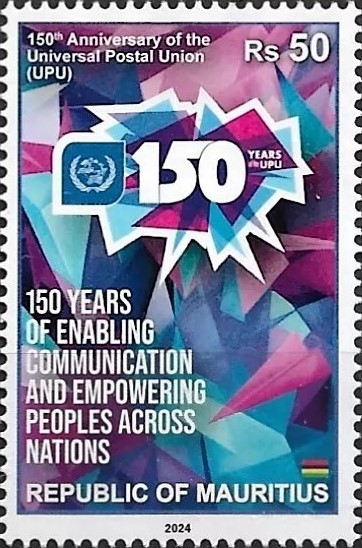
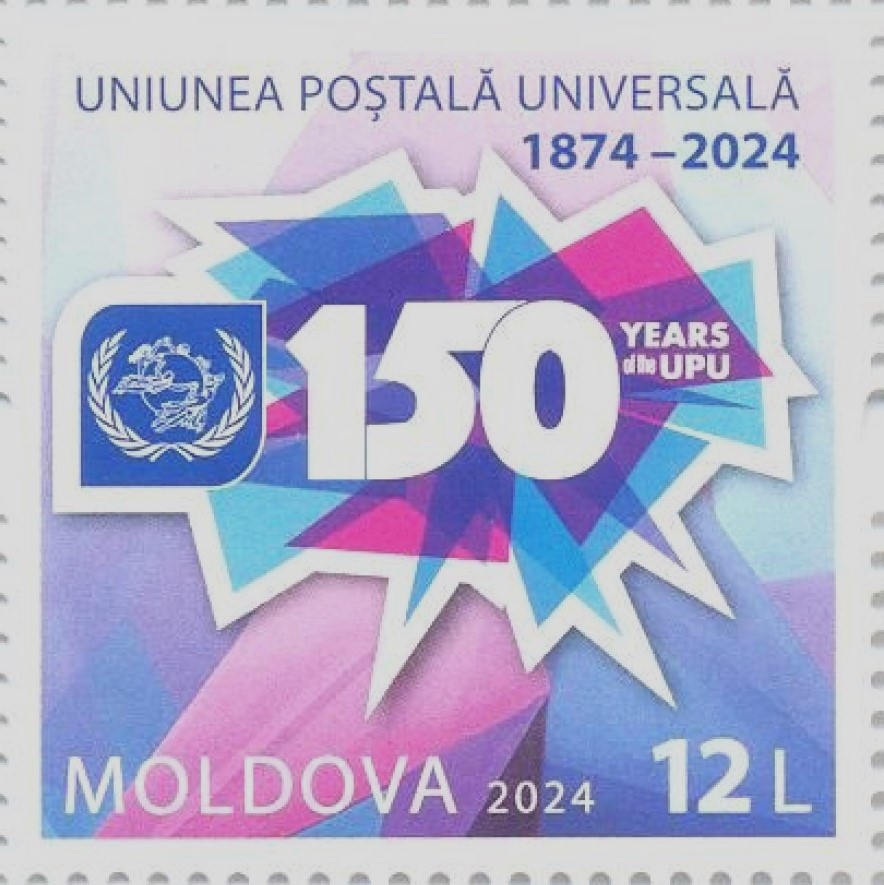
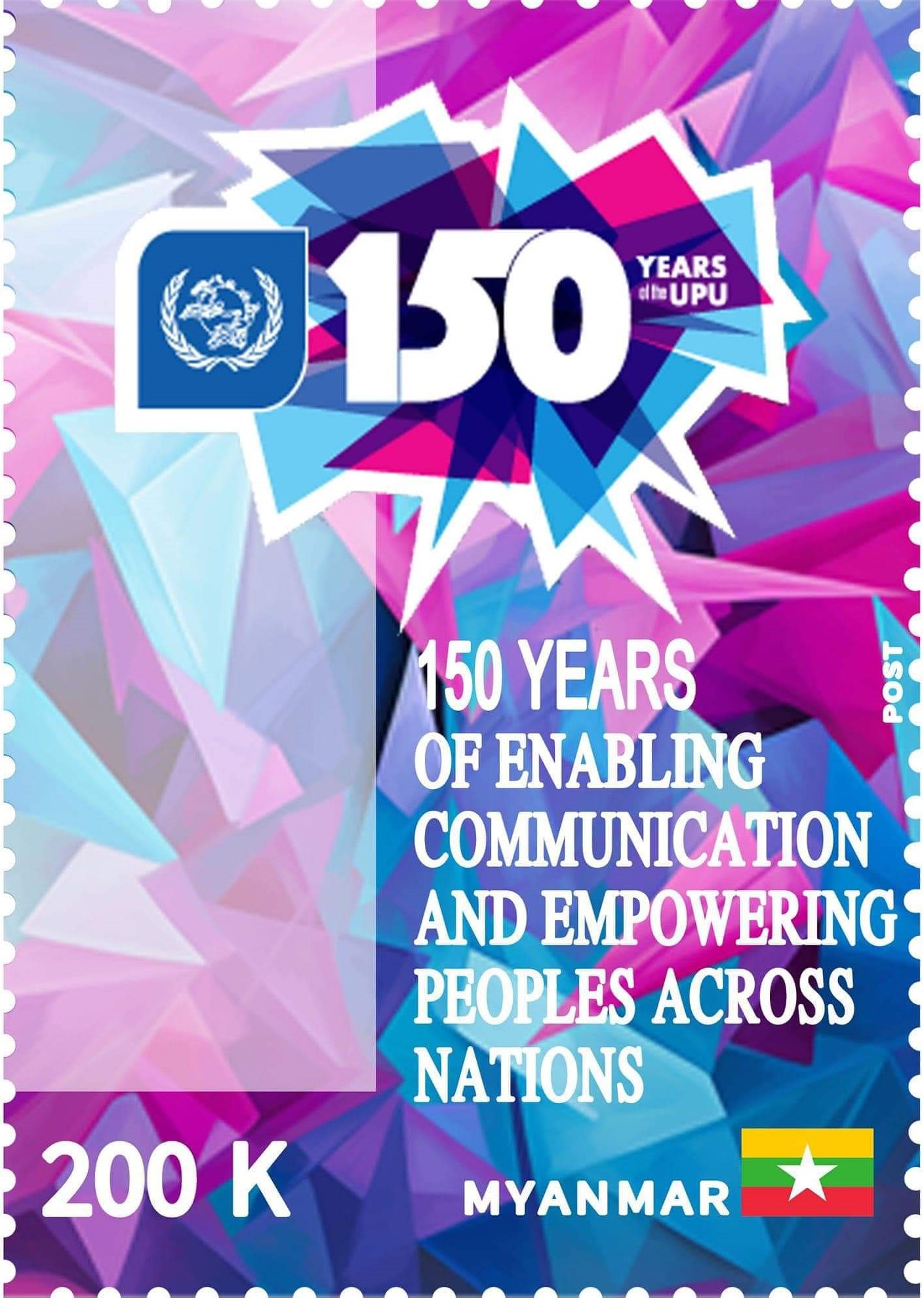
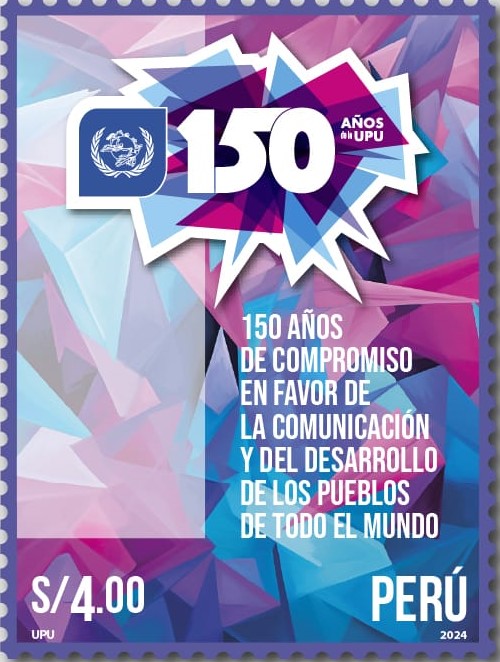
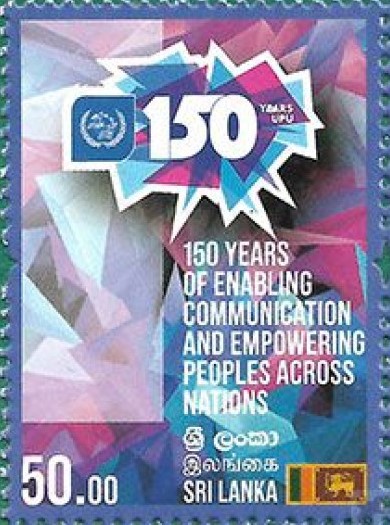
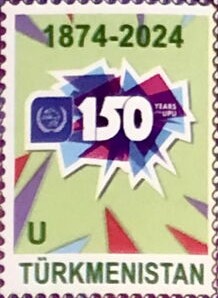
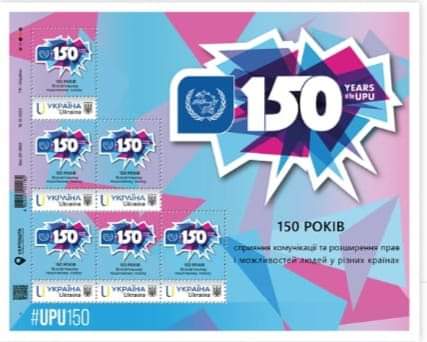
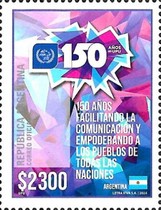
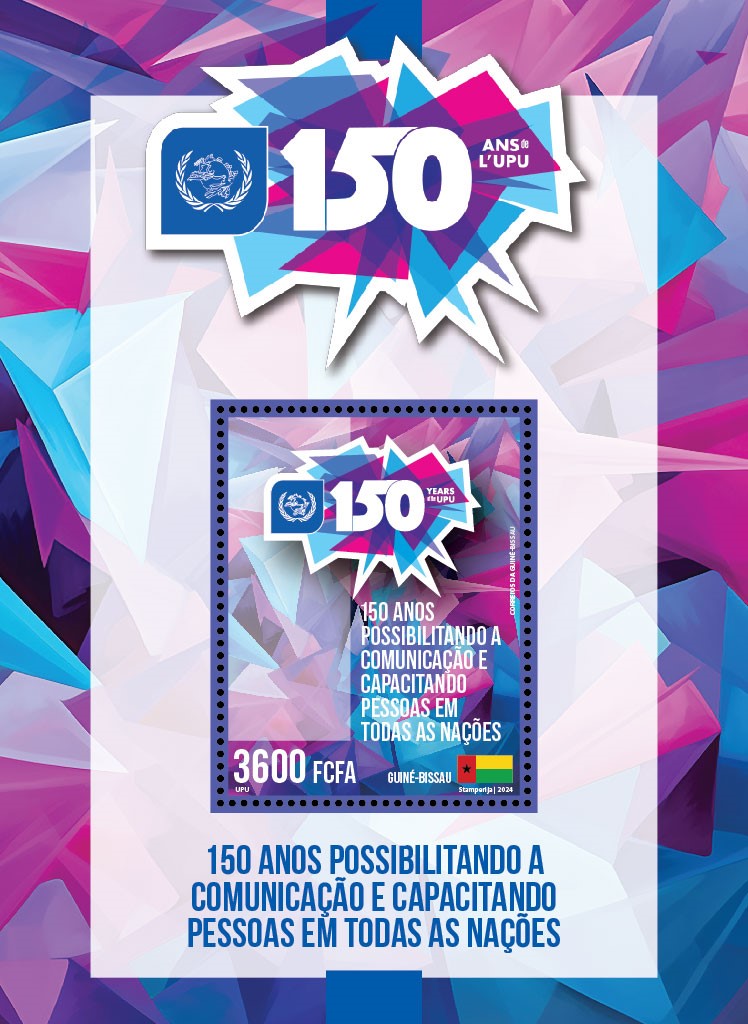
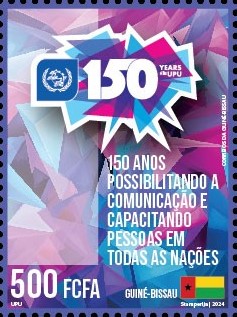
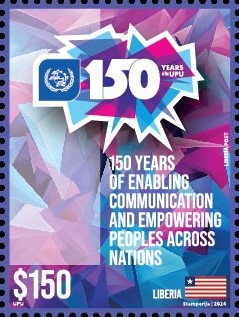
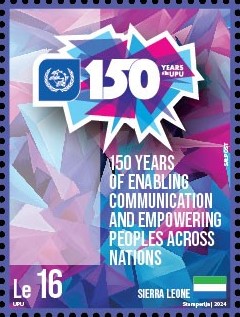
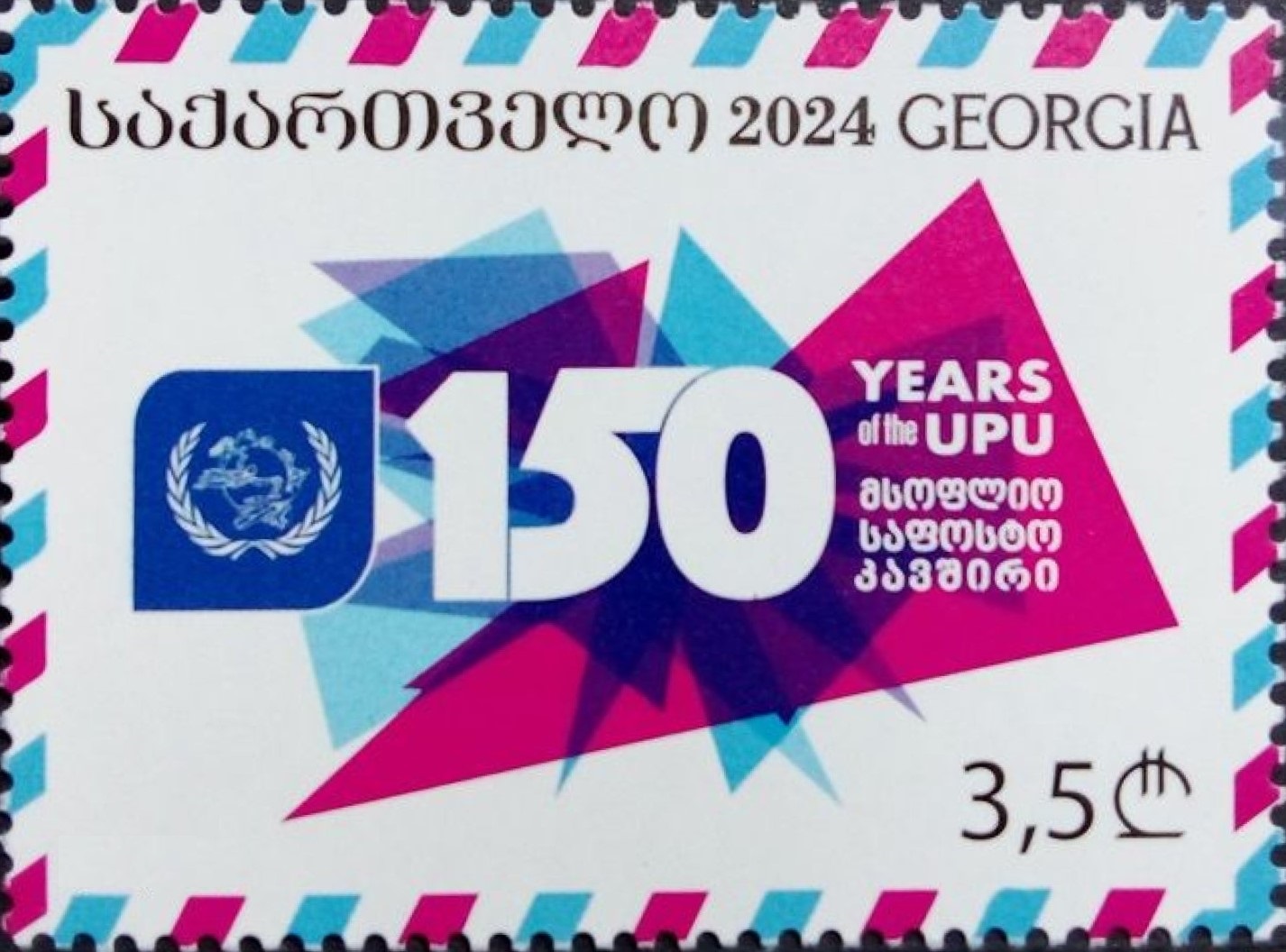
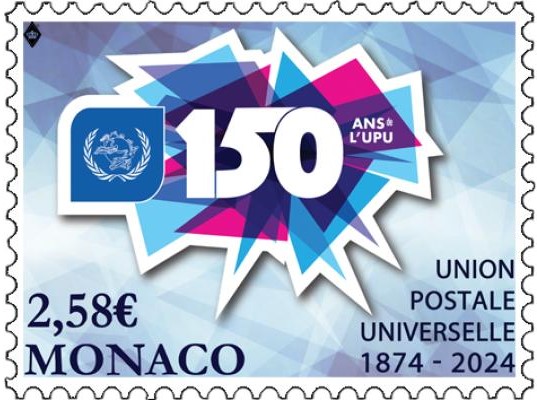
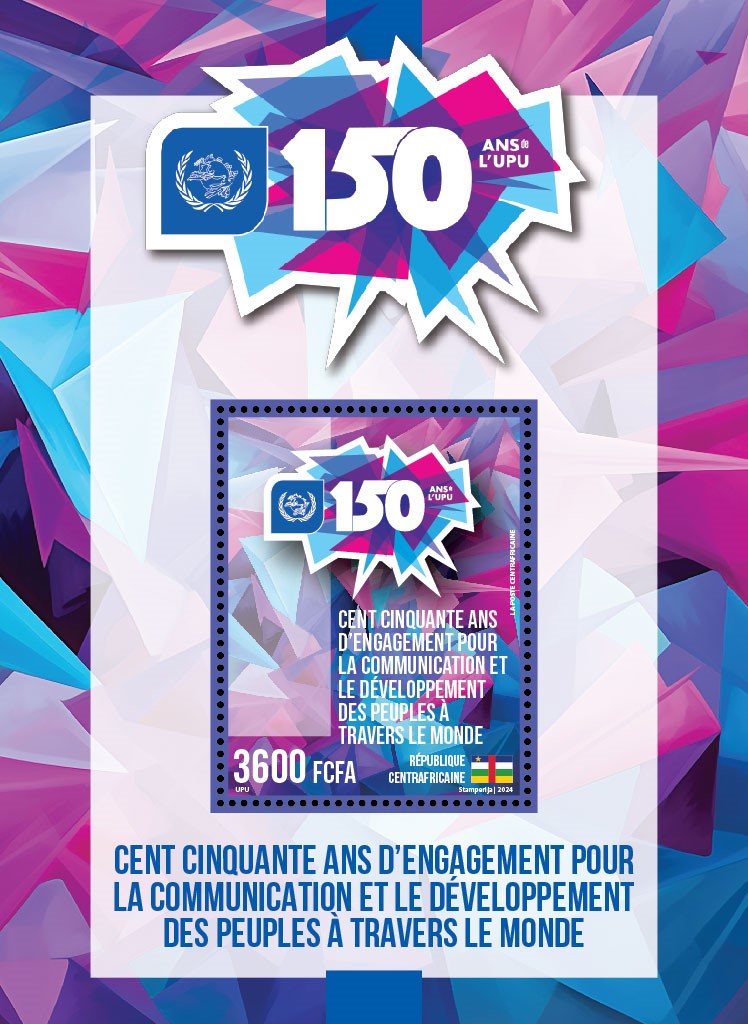
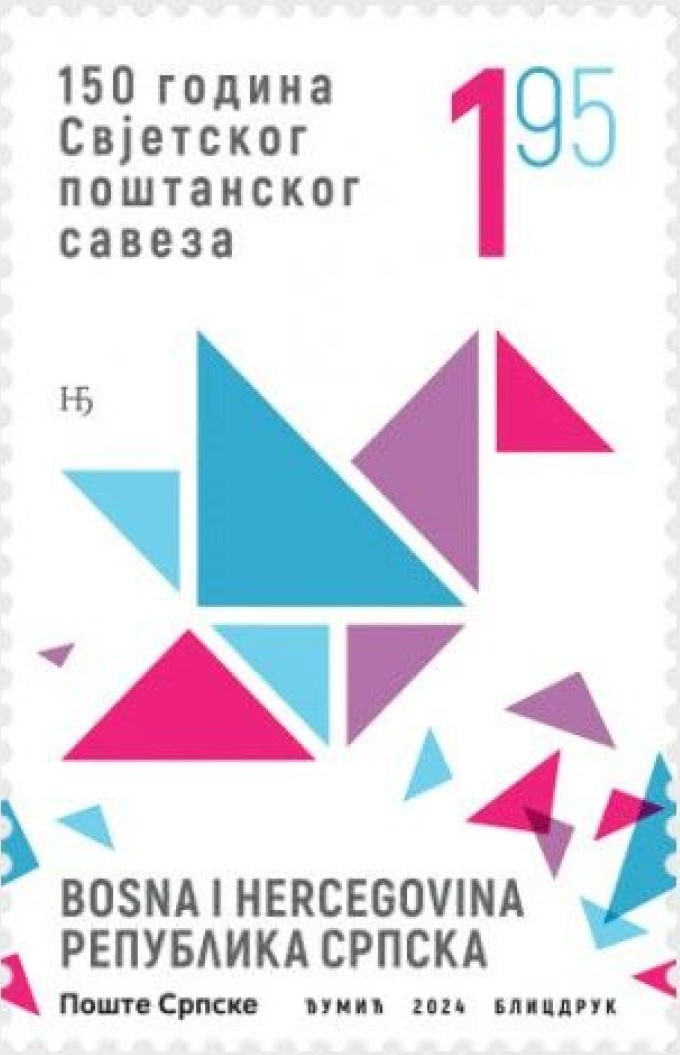
The Universal Postal Union (UPU) is a specialized agency of the United Nations (UN) that coordinates postal policies among member nations and facilitates a uniform worldwide postal system. It comprises 192 member states and is headquartered in Bern, Switzerland. It was established on October 9, 1874, exactly 150 years ago.
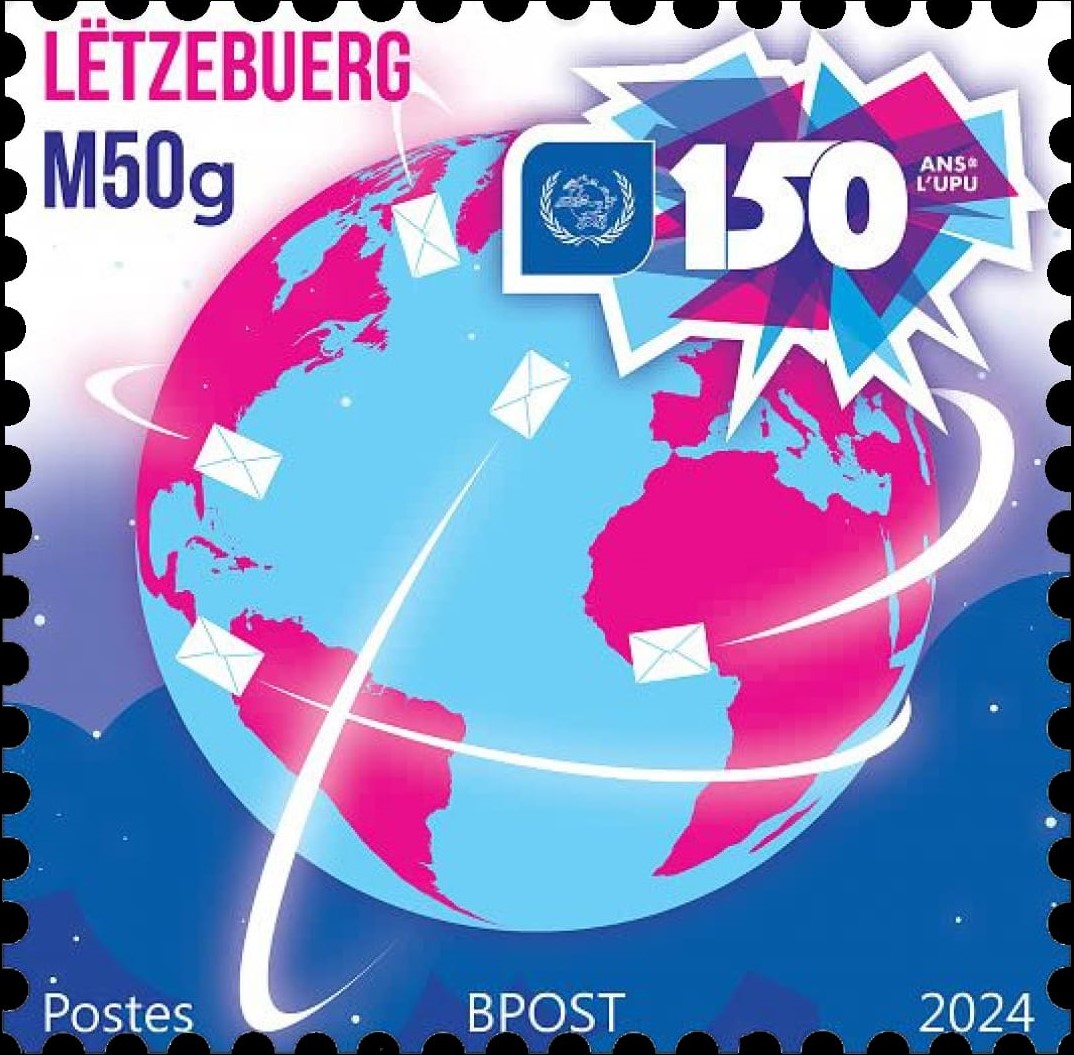
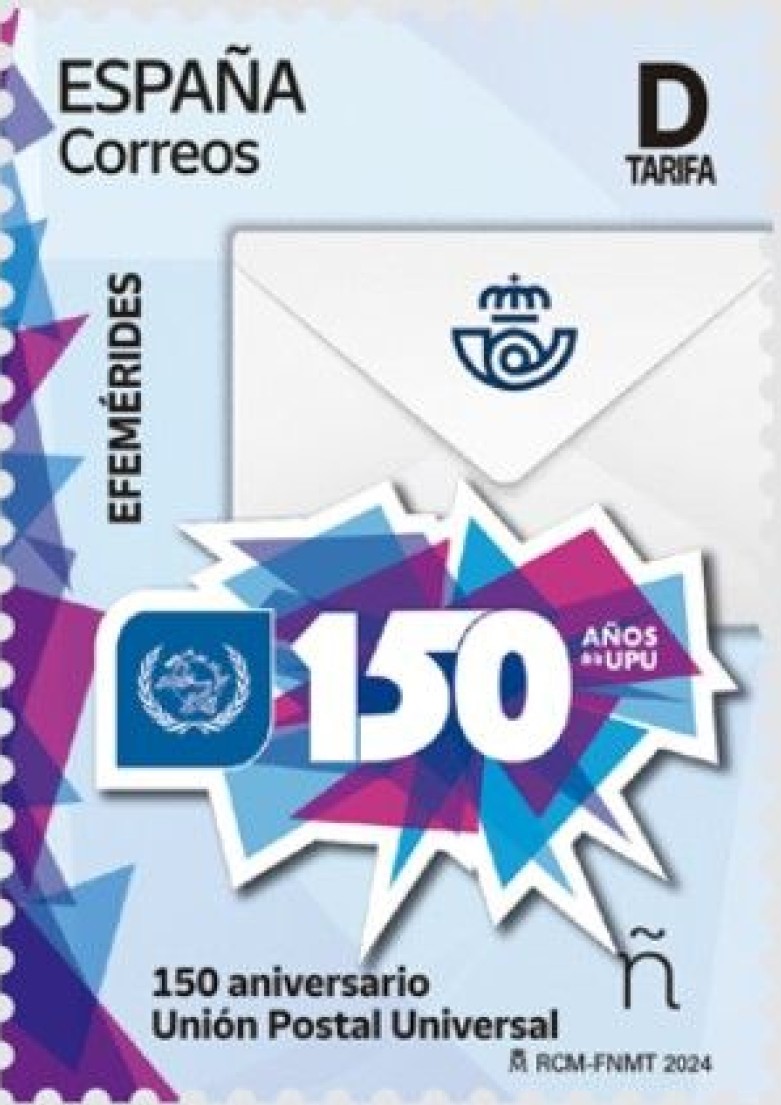
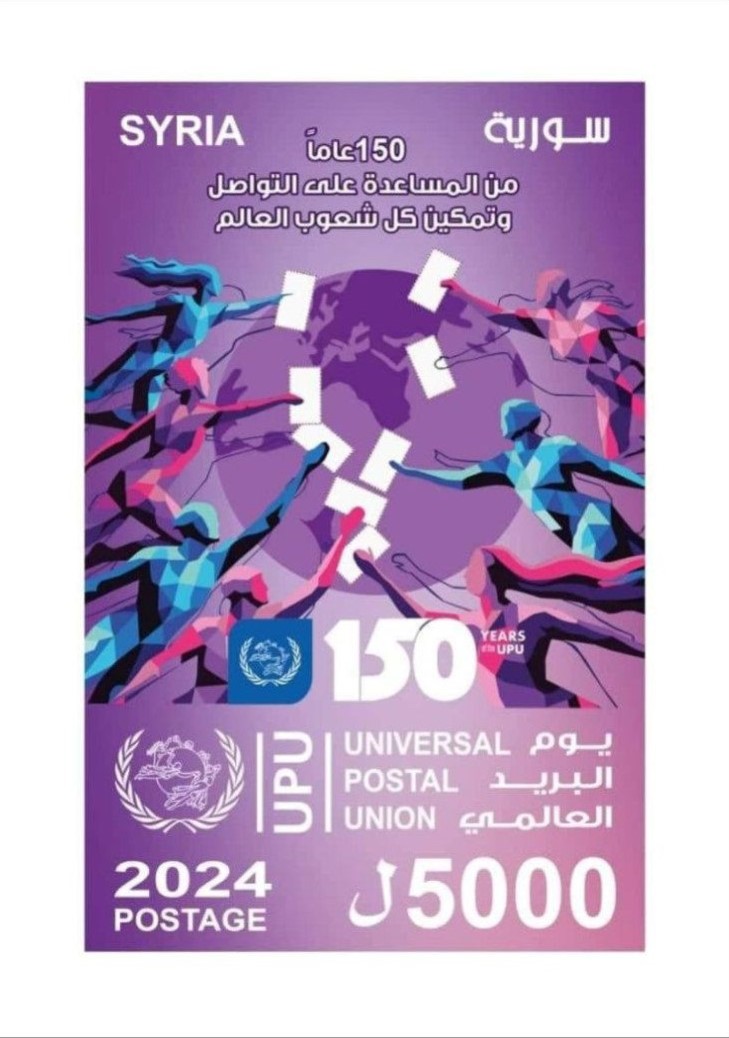
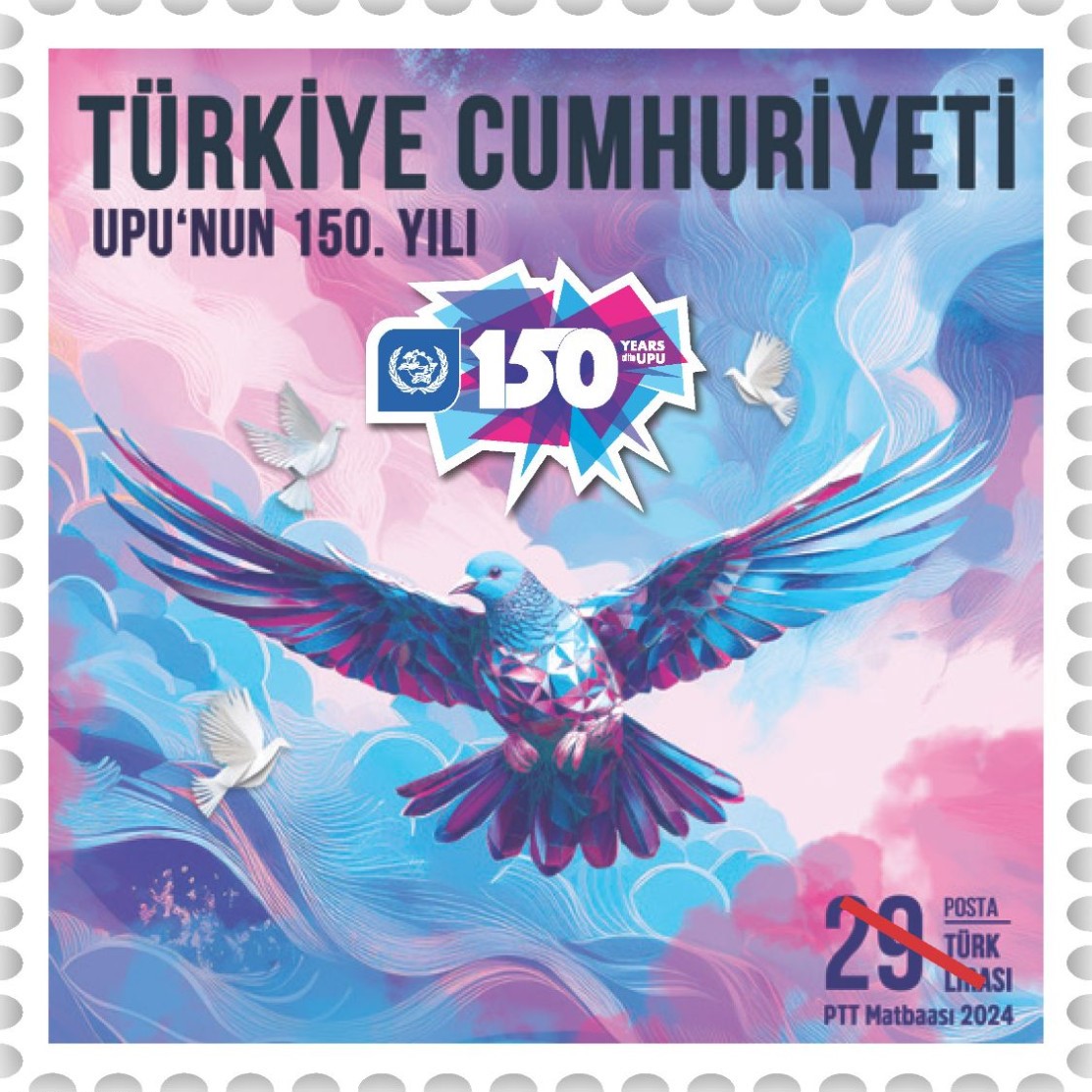
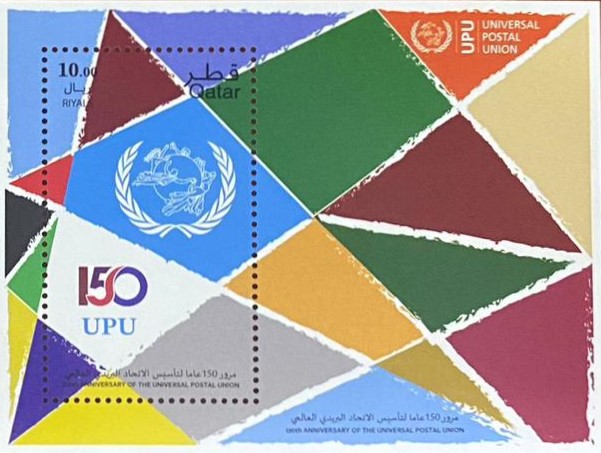
Since more than one year, we know that this anniversary will be celebrated with a stamp which common design was proposed by UPU. In the past, the 75th (1949) UPU anniversary was celebrated, but in a non-coordinated way, mainly by colonial entities (British, Dutch and French – D19490704, D19491001, D19491010, D19491018) and the 100th (1974) anniversary with stamps that remained different for all participating countries (N19741009). The same situation happened in 1999, with absence of concertation for the 125th anniversary celebration (N19991009). Eventually, so far, only the 145th anniversary in 2019 (T20191009b) could be considered as a Twin issue.
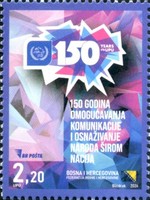
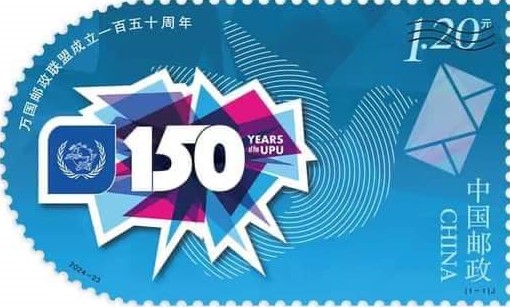
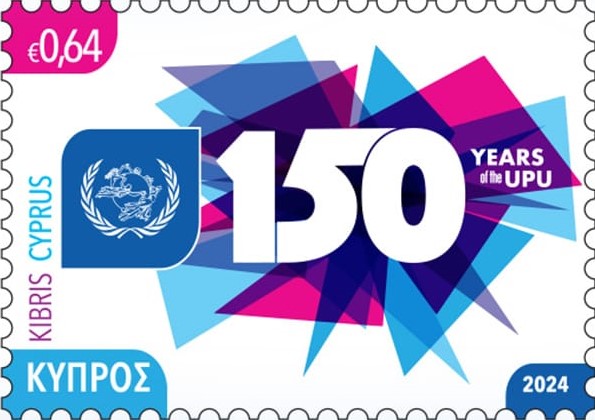
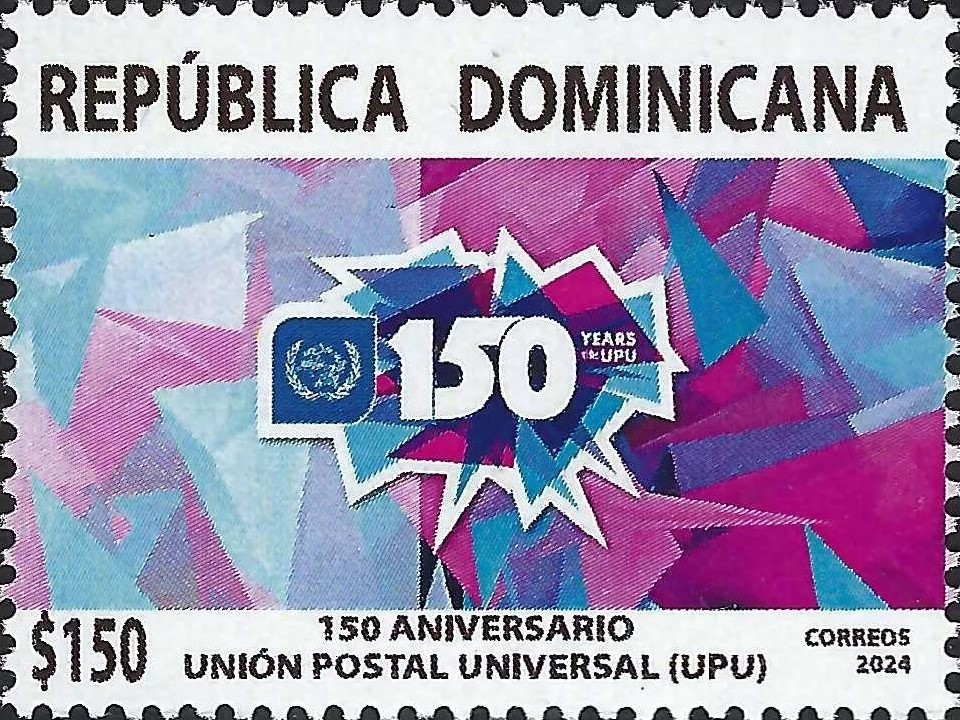
During this year of 2024, a very large number of countries are participating. In the strict sense, this has to be considered as a true joint issue, even if there was no real cooperation between countries, but a proposal of a design accepted by most of them and translated in a locally adapted stamp, for a large part of them issued at the anniversary date. It is not an Omnibus series, as Omnibus is defined by a central printing, not by the large number of participating countries. The 2024 stamps will be reported in the catalogue as a Twin issue under [T20241009]. It is easily understandable that some joint issues collectors do not integrate such large series in their collection, in the same way Europa-CEPT stamps are not acceptable for them. Each individual collector has to decide on the basis of the following.
In the catalogue, the countries will be divided in subgroups:
A: the countries which take the exact original design proposed by UPU and issue the stamp(s) on October 9, 2024 (or actually around this date, plus or minus a week, roughly between October 1 and October 17, 2024), according to the definition of a twin issue [T]
B: the countries which take the exact original design but issue the stamp at a different date. It should not be surprising if some countries may issue their stamp in 2025 or even 2026. This is the equivalent of a Concerted issue [C]
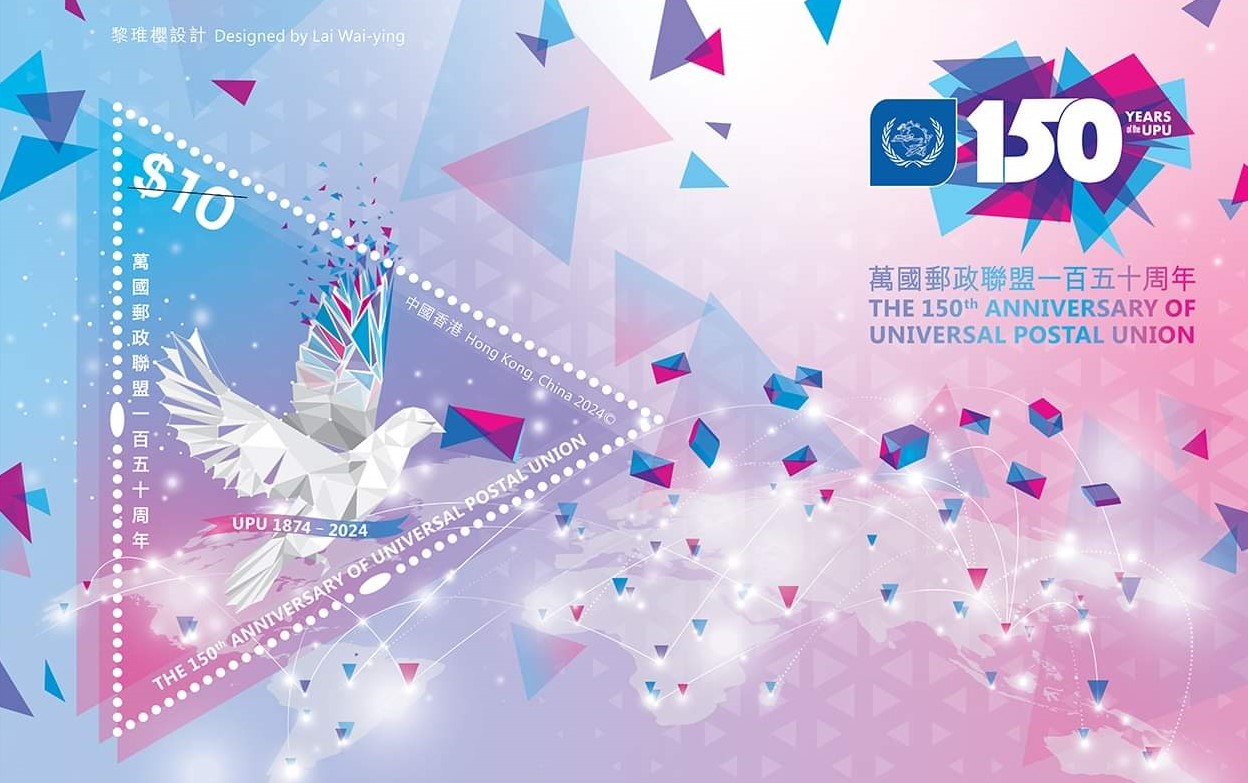
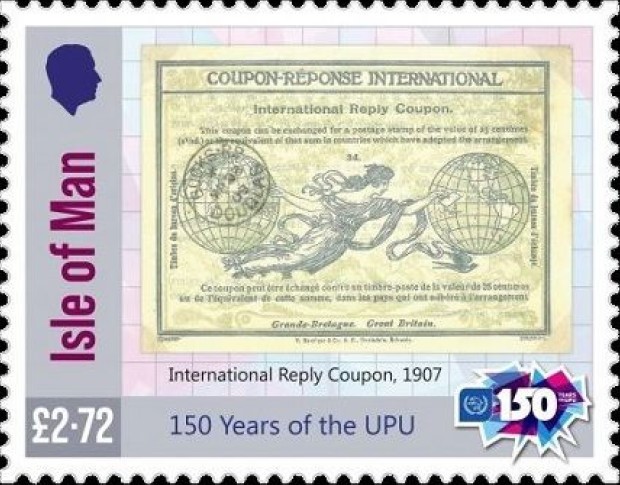
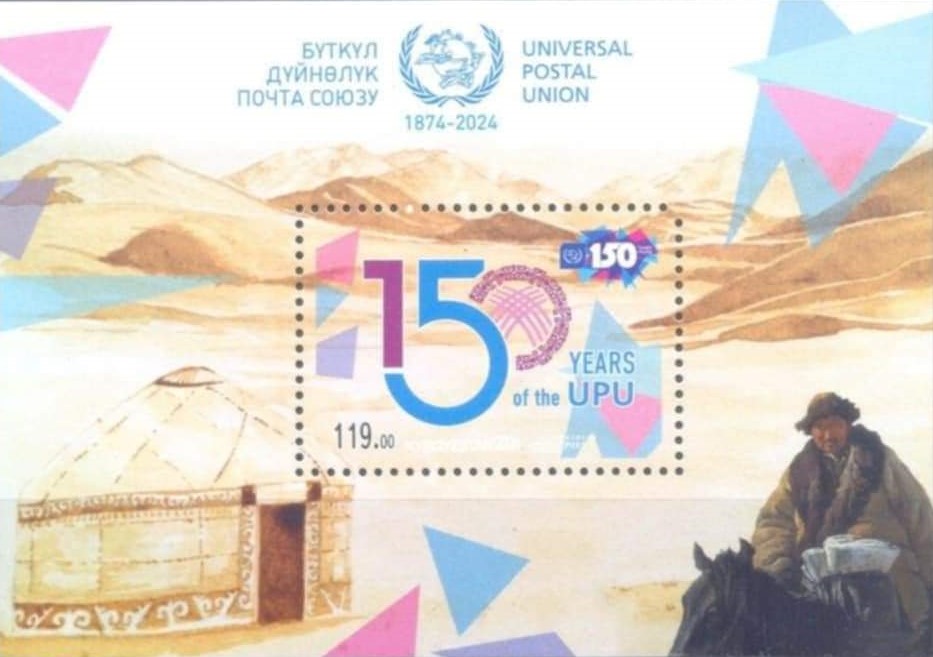
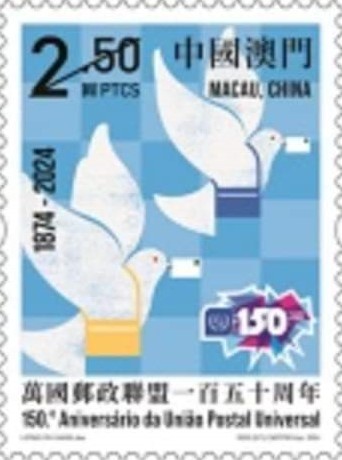
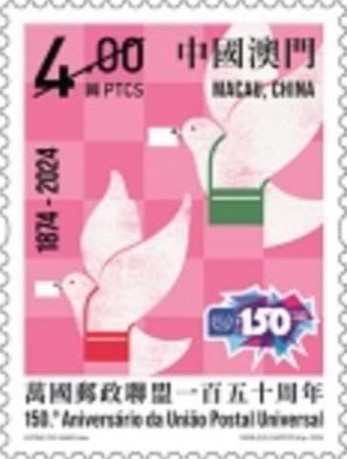
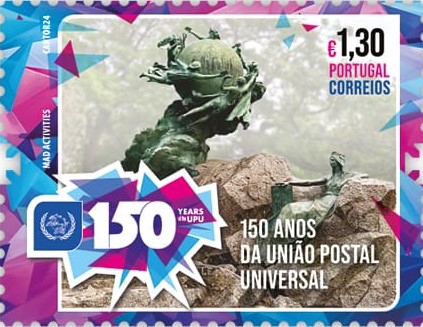
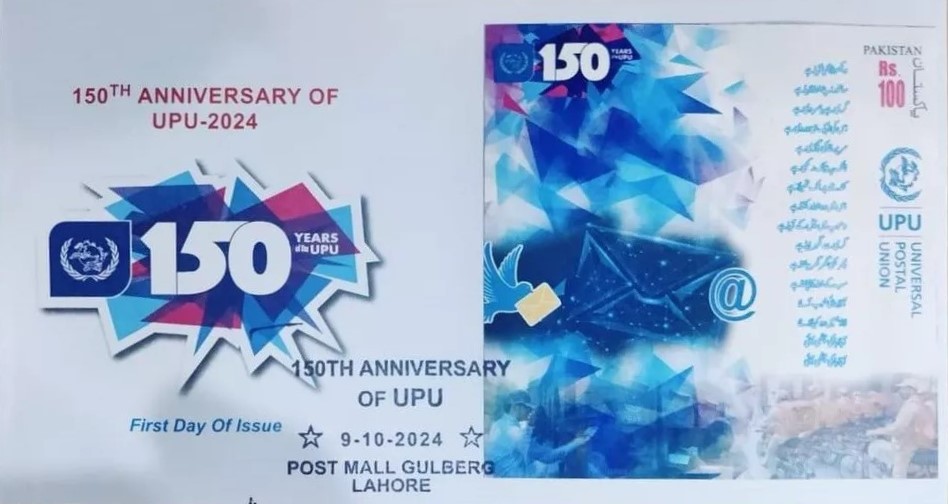
C: the countries which use only a part of the design, actually integrating only the “150” logo and add some other illustrations. This logo can appear within the stamp, or on the margin of a souvenir sheet or within a label. Those stamps are also considered as twin or concerted issues of Type [T2] or [C2]
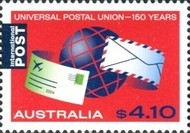
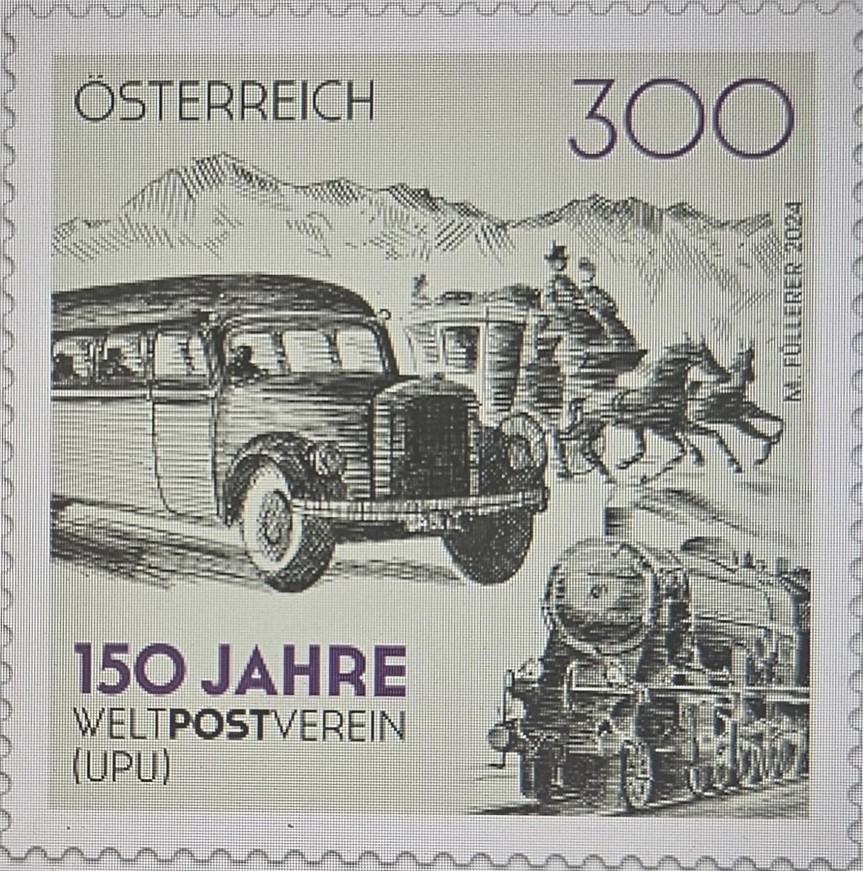
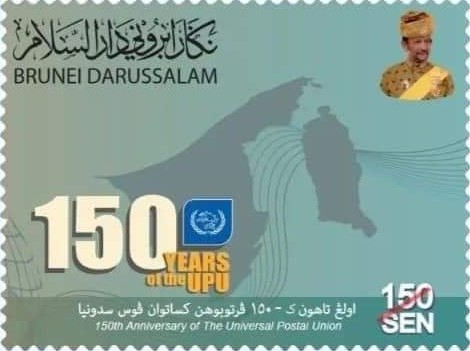
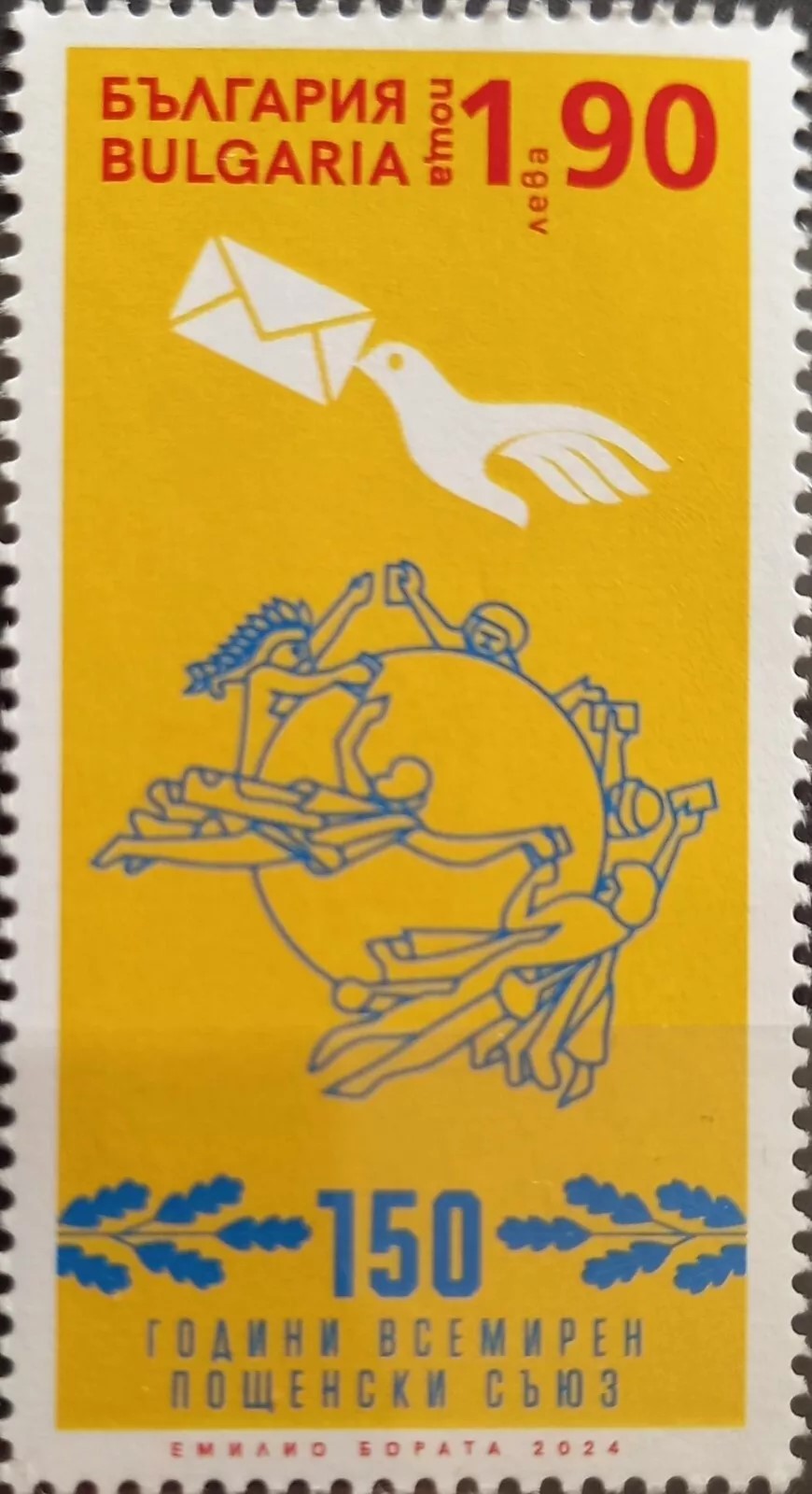
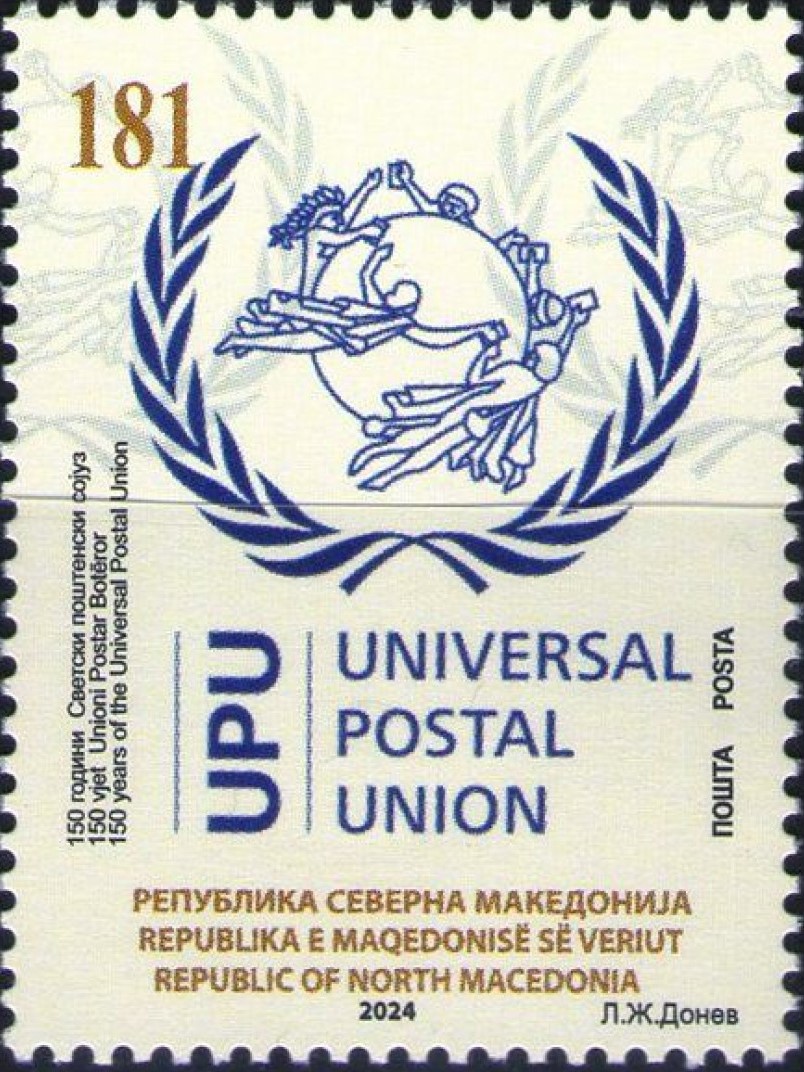
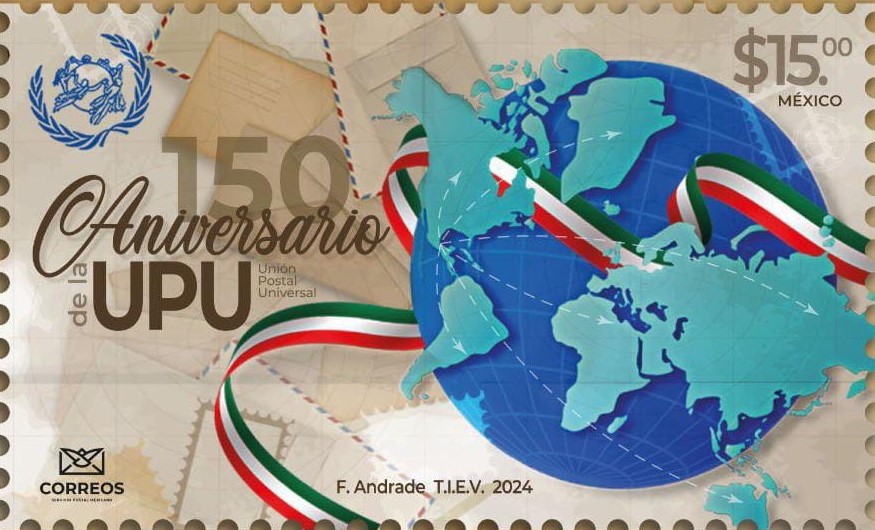
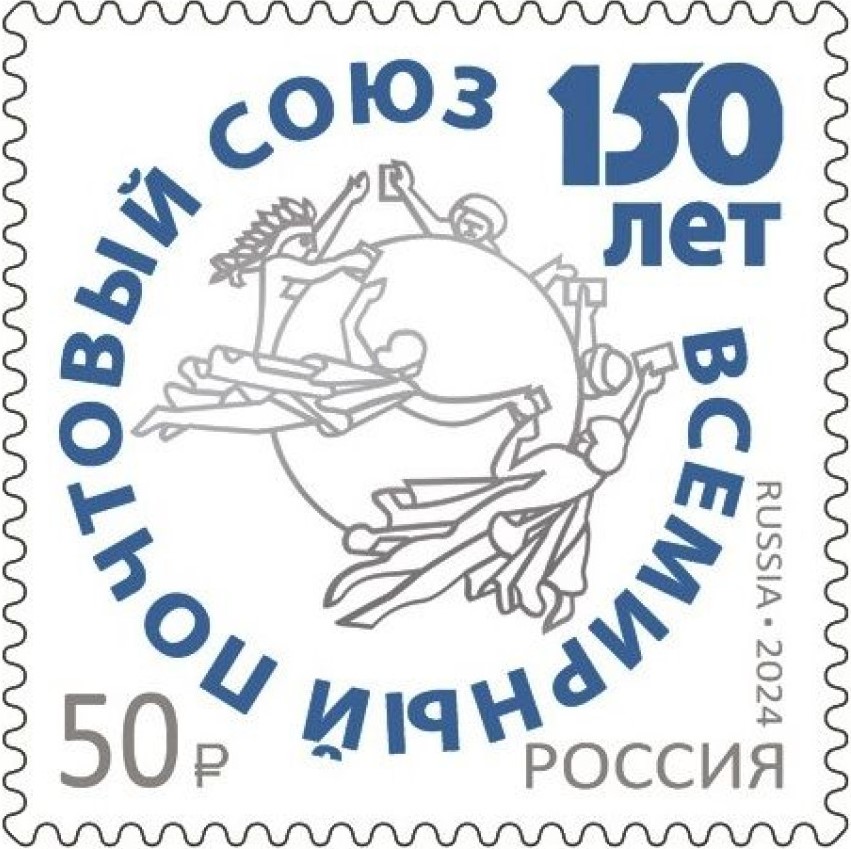
D: the countries which use a completely different design, but still issue their stamp(s) around October 9, 2024. This is the equivalent of a Parallel issue [P]. In this case, the original logo may appear on the stamp, but at a size that remains smaller than the half of the surface of the stamp
E: finally the countries that do not want to stick to design and date, and work on their own, just referring to the UPU anniversary. These countries are simply listed, without details, as they cannot be considered as joint [N].
We will have again to take care of stamps that are created by agencies that are producing stamps for certain countries but which have been given the freedom to issue stamps without a real control from the reference countries. These stamps are easily recognized by the number of stamps issued in a series and they are produced to fool collectors. In order to better identify these stamps and because they remain real stamps but never reach the originating country, they will be reported in the catalogue, but in italics. In the same way, some other stamps such as the French stamp with a full common logo are of private origin (personalized stamp) that cannot be considered as part of this joint issue either. This will be true for any other privately produced stamp from other countries, if any, and also described in italic characters.
The countries for which we already have information are reported below. If a date between brackets is missing behind the country name, this means that this stamp(s) was issued on October 9, 2024. If the content of the brackets remains empty, this means that the exact issue date is not known yet. A large number of images were provided by Enzo Cafaro (Italy). The following list is of course not yet complete.
Countries of type A (Twin [T1]): Algeria – Andorra (French) (October 10) – Andorra (Spanish) – Armenia – Bangladesh – Belarus – Bosnia Herzegovina (Bosnia) – Brazil – China (PR) – Croatia – Cyprus – Dominican Republic – Greece – Guernsey – India – Indonesia – Ivory Coast – Jordan – Latvia – Lithuania (October 4) – Mauritius – Moldova – Myanmar – Paraguay – Peru – Romania – Sri Lanka – Thailand – Turkmenistan (October 8) – Ukraine – United Arab Emirates
Countries of type B (Concerted [C1]): Argentina (August 28) – Azerbaijan (February 1) – Burundi (September) – Central Africa (September) – Djibouti (September) – Georgia (June 1) – Guinea (September) – Guinea-Bissau (September) – Liberia (September) – Mali (September) – Monaco (May 30) – Mongolia (September 25) – Sierra Leone (September) – Togo (September)
Countries of type C (Twin or concerted [T2] or [C2]): Bosnia (Serbia) – Egypt () – France (October 14) – Hong Kong – Hungary (July 24) – Isle of Man (August 30) – Japan – Kyrgyzstan (October) – Luxembourg (September 10) – Macau – Malaysia – Morocco – Pakistan – Portugal – San Marino – Saudi Arabia () – Singapore – Slovenia – Spain – Syria – Tunisia – Türkiye – Uruguay – Uzbekistan () – Vietnam
Countries of type D (Parallel issue [P]): Australia (October 1) – Austria (October 4) – Brunei Darussalam () – Bulgaria – Czech Republic – French Polynesia – Germany (October 10) – Macedonia (North) – Mexico – Montenegro – Qatar () – Russia – Slovakia – Switzerland (September 5) – Tajikistan (May) – Vatican (September 16) – Wallis and Futuna
Countries of type E (not considered as joint): Belgium (June 10) – Serbia (May 25) – United Nations – Geneva (May 30) – United Nations – New York (May 30) – United Nations – Vienna (May 30).
So far, 86 countries are listed above to which one has to add 2 postal authorities that have issued stamps that cannot be considered as joint (Type E – United Nations offices are not taken in account as countries, UPU being a sub-unit of the United Nations). The UPU counts presently 192 members, which means information from 106 countries (!) is missing. Obviously there will be an update of this page. A great help is needed here to recover information from other participating countries. We are also missing better quality images for stamps from Ivory Coast and Ukraine. Thanks a lot in advance for providing name of missing countries, exact dates of issue, and when possible illustrations, printing runs, sizes of panels and by-product lists.
The catalogue pages should be updated within the next week.
During the month of August 2024 a few joint issues were supposed to take place and did not as expected. Also some additional information was provided for existing issues. Several collectors provided interesting information that are now described in this post.
The ASEAN series of August 8, 2024 was not completely described in the first blog page. Here are some additional pictures that were not shown so far. Brunei, Cambodia, Laos and the Philippines stamp pictures became available in the meantime.
On August 24, 2024, Russia and China (PR) were supposed to release joint stamps representing pandas. The date had already been postponed from originally August 4, 2024. Indeed, Russian stamps were released on that new date, but so far there are no news from China, the last Chinese stamps having been released on August 22, 2024. Any information is welcome.
When the Japan Turkish joint issue from August 6, 2024was released, another miniature sheet containing five different stamps became available from the Turkish Post. This item was part of a limited edition folder that was printed only at 4,000 samples. Of course, this item needs to be described as complementary material in the catalogue, but this is not the kind of items we like, as, even if those stamps are to be considered a true postage material, due to the limited availability and probably their absence of use on mail, they are closer to expensive cinderellas than to true stamps.
Enzo Cafaro (Italy) contacted the Turkish postal administration, which answered that this issue is not considered by them as joint, despite same date and common logo. In fact, some postal administrations do consider an issue to be really joint only if they organize a common booth in both countries on the first day of issue and/or if they produce official mixed FDC. If that would be the criteria for defining joint issues, then half of the catalogue should be discarded. But in this case we still have a real proof of collaboration during the preparation phase, which eventually led to the conclusion that each country would work by its own, following just to an agreement about the content. Some exchange of material did take place (e.g., the logo). This issue will be considered and maintained in the catalogue as a parallel joint issue. Note that over the past 30 years, Türkiye (Turkey) and Japan issued at several occasions stamps with the common topic of relationship (1988, 1990, 2010, 2019, 2021 and now 2024), some of them being considered as joint and described in the catalogue. Up to you to decide if you want to add those to your collection. In the catalogue, the stamps will be considered as a true parallel issue, but the additional Turkish miniature sheet will be described in italics and gray color.
On a completely different aspect, note also that the Turkish government has recommended and requested that the English spelling of the country name should now be ‘Türkiye‘ instead of ‘Turkey’, while the adjective Turkish can continue to be used. Starting 2024, we will use in the catalogue the new spelling ‘Türkiye’ but keep the older spelling between brackets i.e. ‘Türkiye (Turkey)’, in order to avoid the loss of some information when using e.g. the ‘Search’ tool.
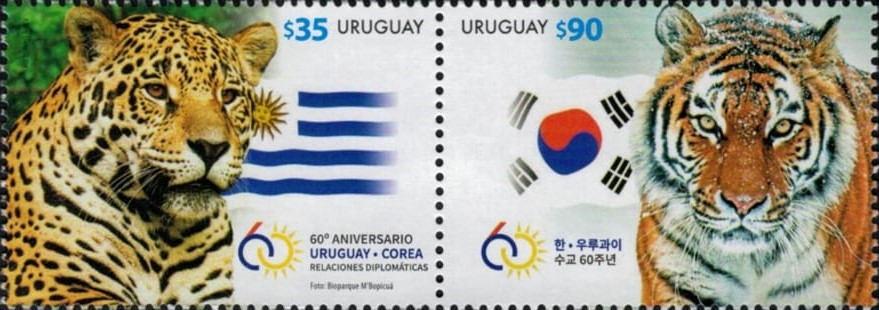
Very recently, we heard about an Uruguay – Korea (South) joint issue and got, through Enzo Cafaro (Italy), information from the Uruguayan side. The stamps were issued on September 10, 2024, but no information is available so far from South Korea. Help is also needed here.


























































































You must be logged in to post a comment.