The Universal Postal Union (UPU) is a specialized agency of the United Nations (UN) that coordinates postal policies among member nations and facilitates a uniform worldwide postal system. It comprises 192 member states and is headquartered in Bern, Switzerland. It was established on October 9, 1874, exactly 150 years ago.
Since more than one year, we know that this anniversary will be celebrated with a stamp which common design was proposed by UPU. In the past, the 75th (1949) UPU anniversary was celebrated, but in a non-coordinated way, mainly by colonial entities (British, Dutch and French – D19490704, D19491001, D19491010, D19491018) and the 100th (1974) anniversary with stamps that remained different for all participating countries (N19741009). The same situation happened in 1999, with absence of concertation for the 125th anniversary celebration (N19991009). Eventually, so far, only the 145th anniversary in 2019 (T20191009b) could be considered as a Twin issue.
During this year of 2024, a very large number of countries are participating. In the strict sense, this has to be considered as a true joint issue, even if there was no real cooperation between countries, but a proposal of a design accepted by most of them and translated in a locally adapted stamp, for a large part of them issued at the anniversary date. It is not an Omnibus series, as Omnibus is defined by a central printing, not by the large number of participating countries. The 2024 stamps will be reported in the catalogue as a Twin issue under [T20241009]. It is easily understandable that some joint issues collectors do not integrate such large series in their collection, in the same way Europa-CEPT stamps are not acceptable for them. Each individual collector has to decide on the basis of the following.
In the catalogue, the countries will be divided in subgroups:
- A: the countries which take the exact original design proposed by UPU and issue the stamp(s) on October 9, 2024 (or actually around this date, plus or minus a week, roughly between October 1 and October 17, 2024), according to the definition of a twin issue [T]
- B: the countries which take the exact original design but issue the stamp at a different date. It should not be surprising if some countries may issue their stamp in 2025 or even 2026. This is the equivalent of a Concerted issue [C]
- C: the countries which use only a part of the design, actually integrating only the “150” logo and add some other illustrations. This logo can appear within the stamp, or on the margin of a souvenir sheet or within a label. Those stamps are also considered as twin or concerted issues of Type [T2] or [C2]
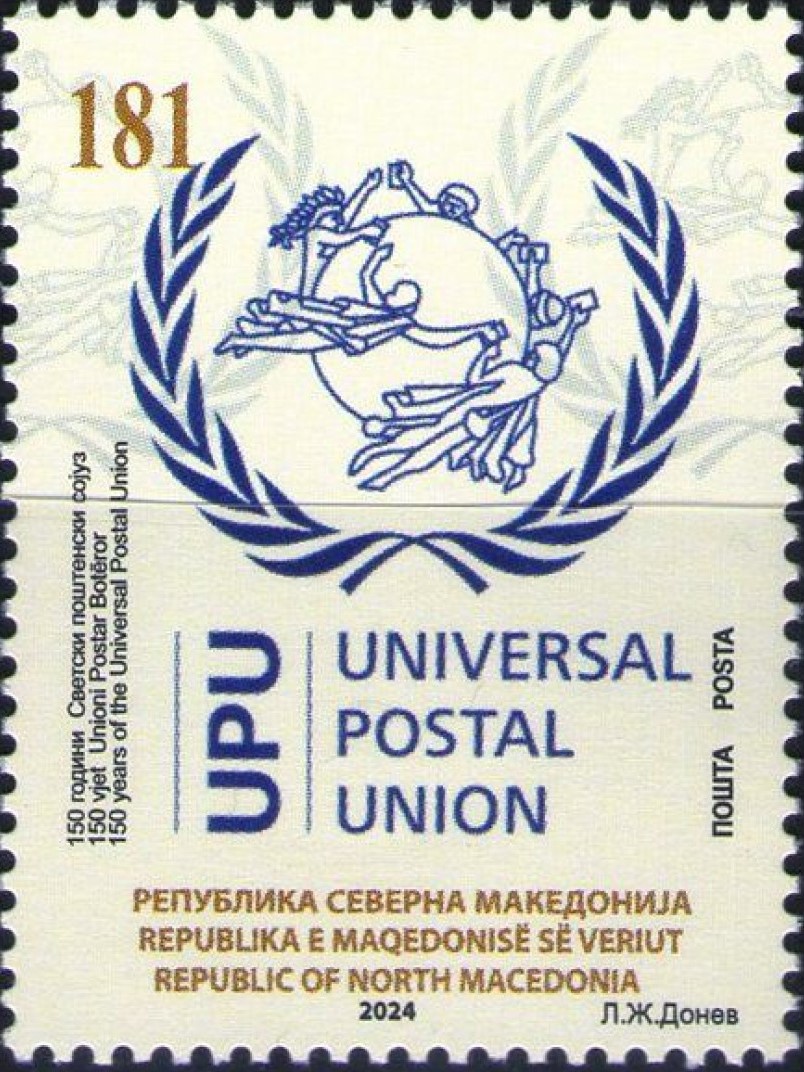
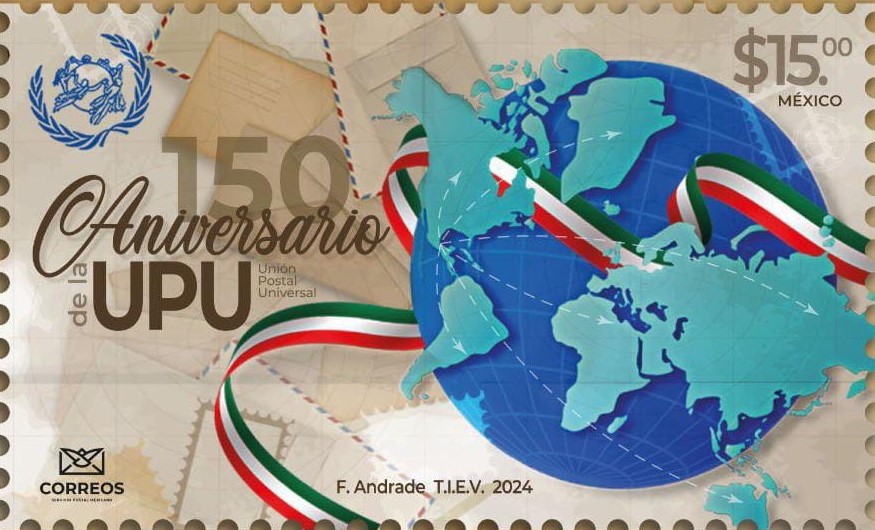
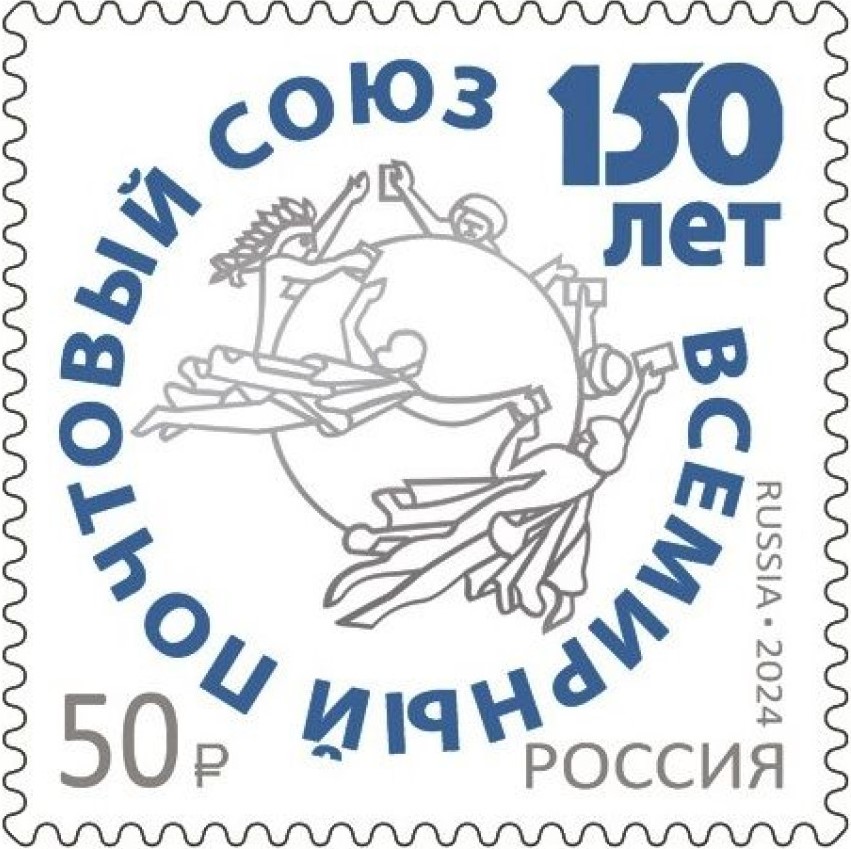
- D: the countries which use a completely different design, but still issue their stamp(s) around October 9, 2024. This is the equivalent of a Parallel issue [P]. In this case, the original logo may appear on the stamp, but at a size that remains smaller than the half of the surface of the stamp
- E: finally the countries that do not want to stick to design and date, and work on their own, just referring to the UPU anniversary. These countries are simply listed, without details, as they cannot be considered as joint [N].
We will have again to take care of stamps that are created by agencies that are producing stamps for certain countries but which have been given the freedom to issue stamps without a real control from the reference countries. These stamps are easily recognized by the number of stamps issued in a series and they are produced to fool collectors. In order to better identify these stamps and because they remain real stamps but never reach the originating country, they will be reported in the catalogue, but in italics. In the same way, some other stamps such as the French stamp with a full common logo are of private origin (personalized stamp) that cannot be considered as part of this joint issue either. This will be true for any other privately produced stamp from other countries, if any, and also described in italic characters.
The countries for which we already have information are reported below. If a date between brackets is missing behind the country name, this means that this stamp(s) was issued on October 9, 2024. If the content of the brackets remains empty, this means that the exact issue date is not known yet. A large number of images were provided by Enzo Cafaro (Italy). The following list is of course not yet complete.
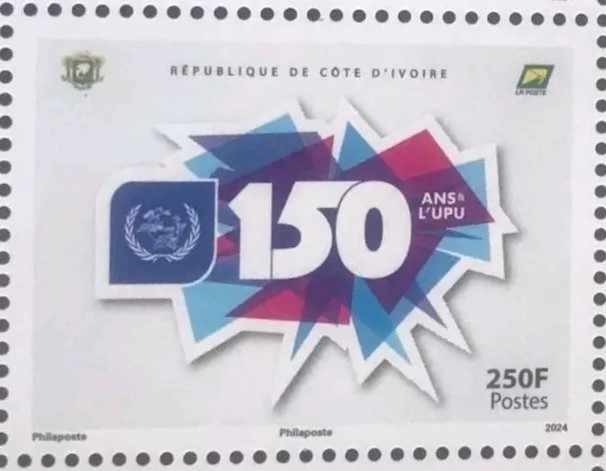
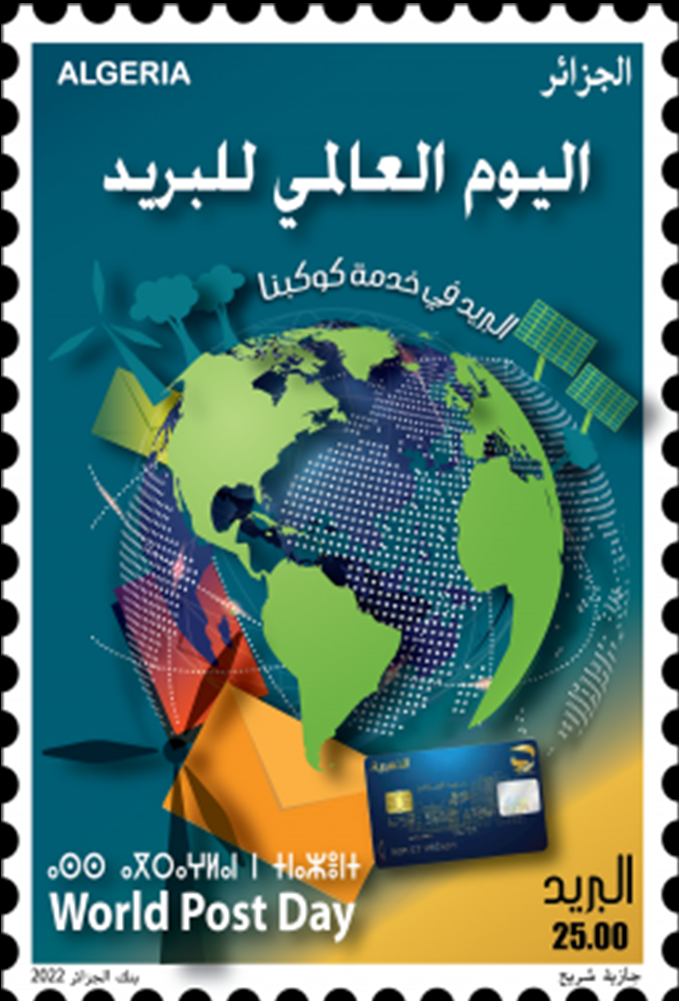
Countries of type A (Twin [T1]): Algeria – Andorra (French) (October 10) – Andorra (Spanish) – Armenia – Bangladesh – Belarus – Bosnia Herzegovina (Bosnia) – Brazil – China (PR) – Croatia – Cyprus – Dominican Republic – Greece – Guernsey – India – Indonesia – Ivory Coast – Jordan – Latvia – Lithuania (October 4) – Mauritius – Moldova – Myanmar – Paraguay – Peru – Romania – Sri Lanka – Thailand – Turkmenistan (October 8) – Ukraine – United Arab Emirates
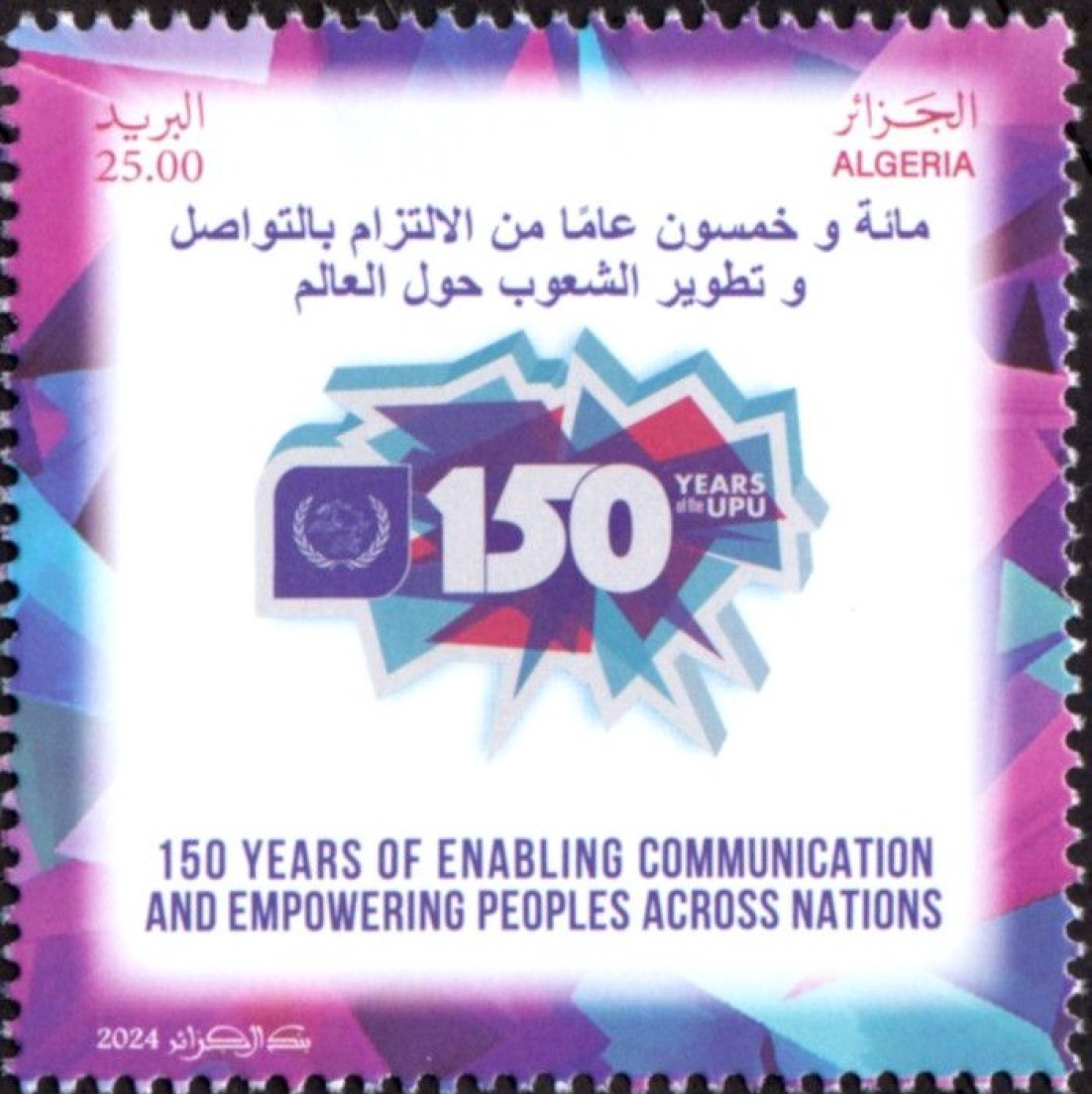
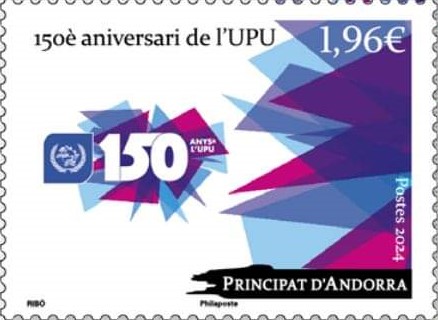






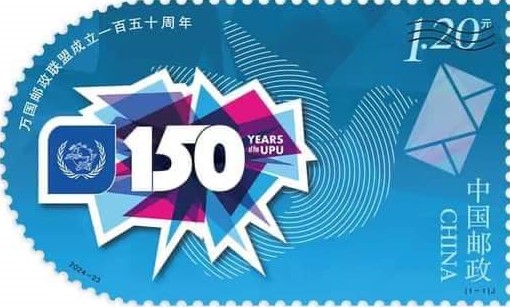

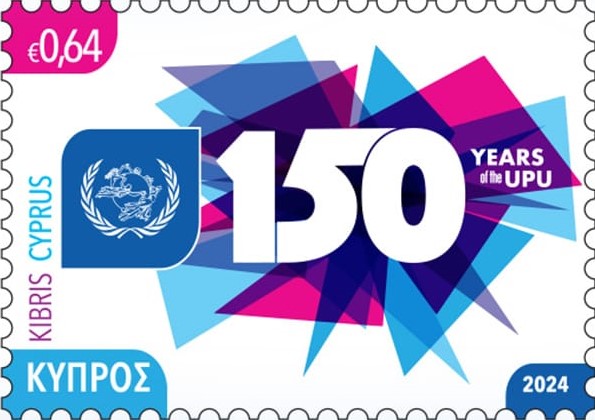
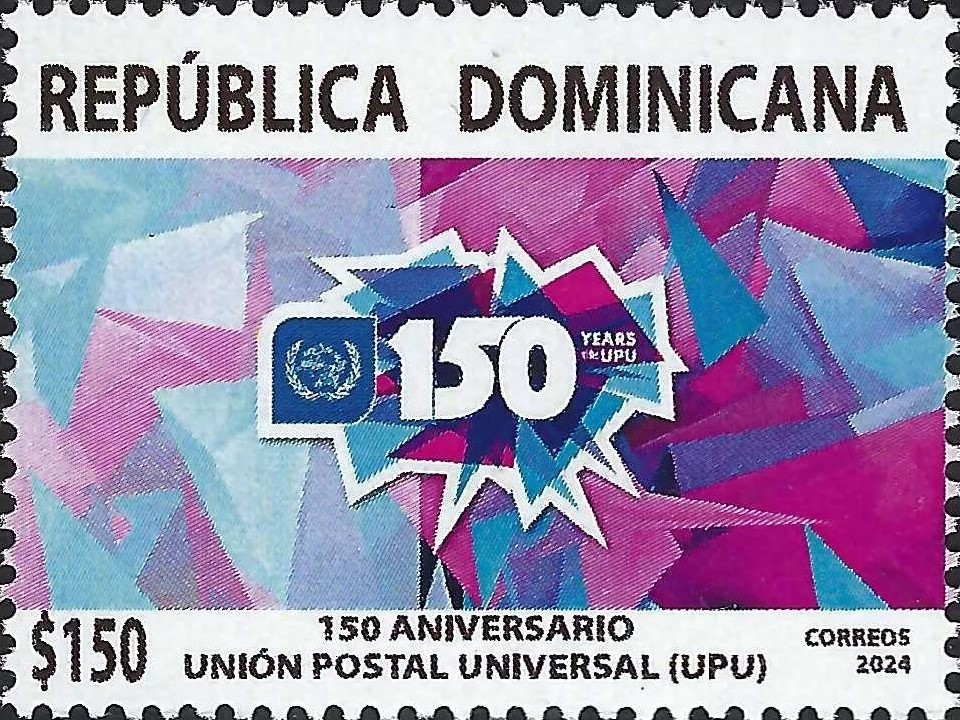
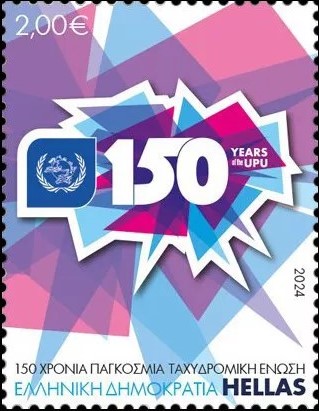
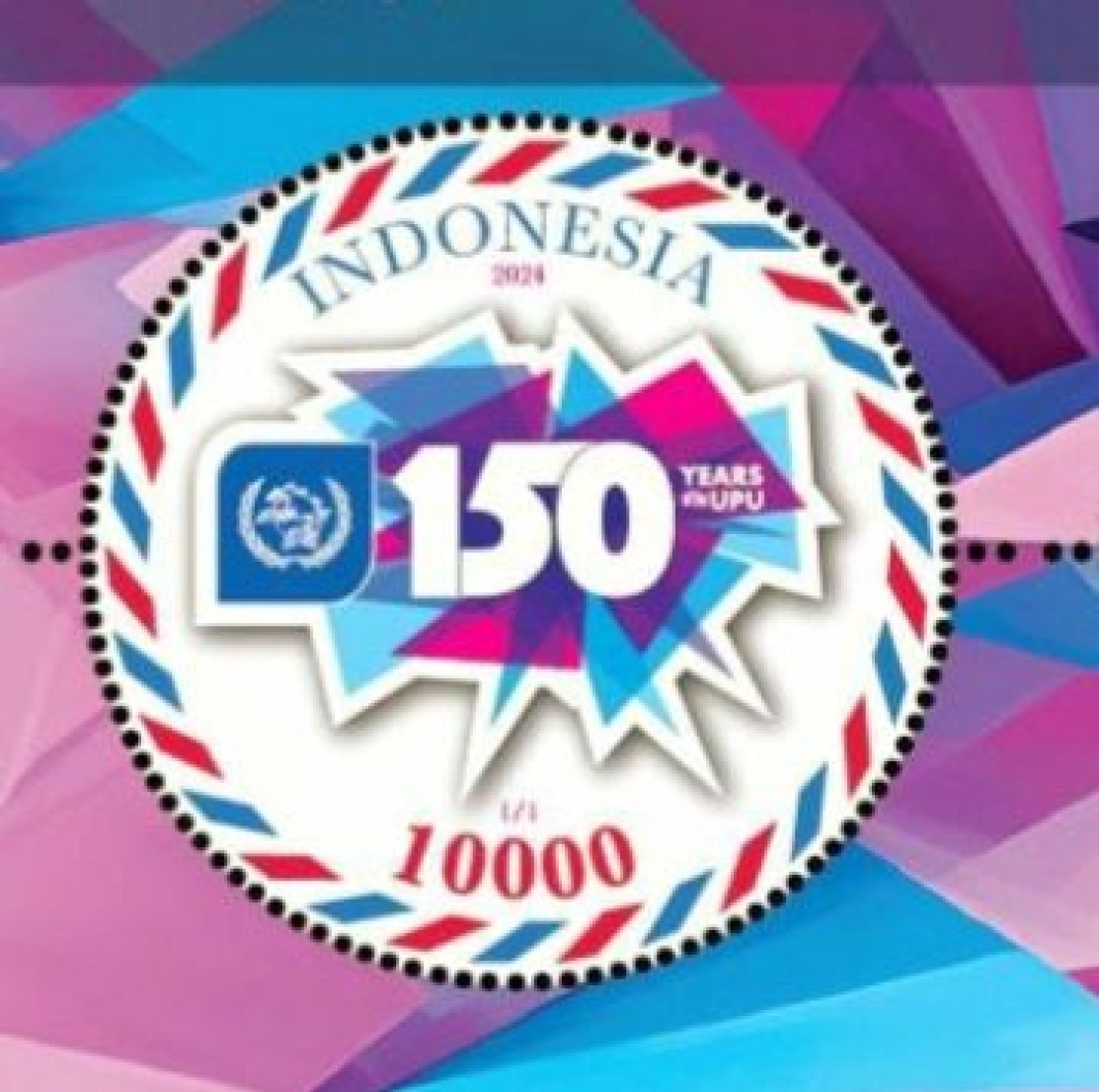




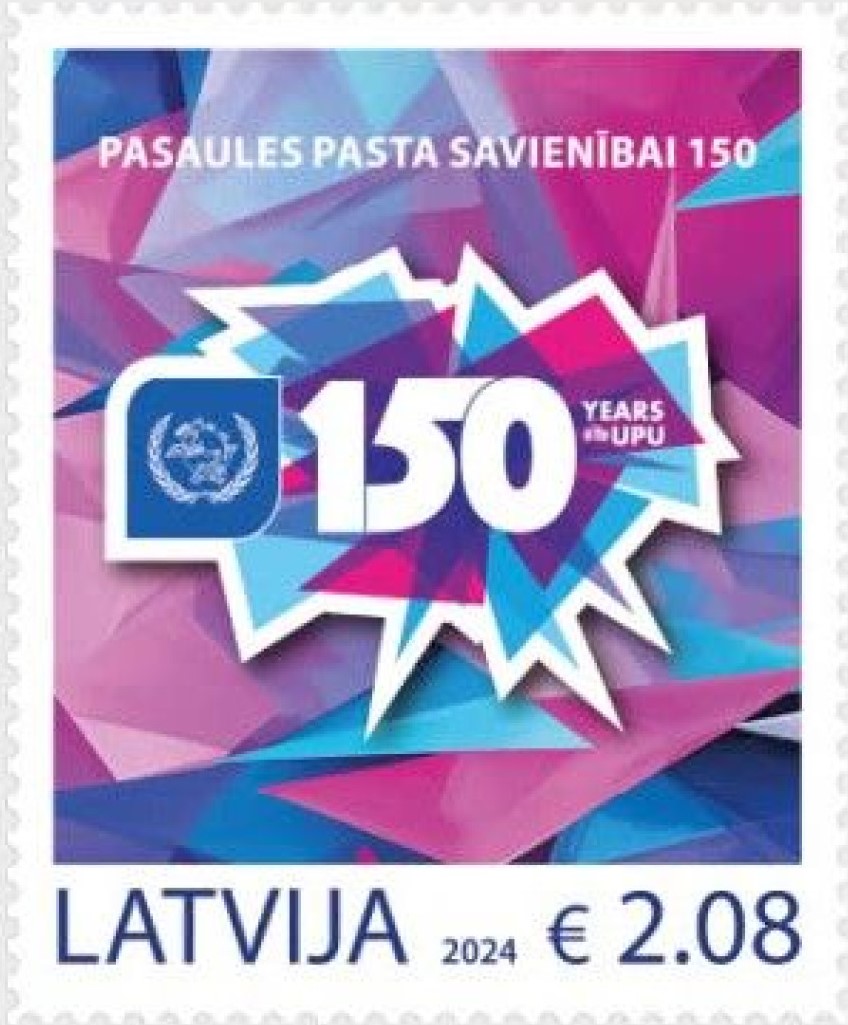

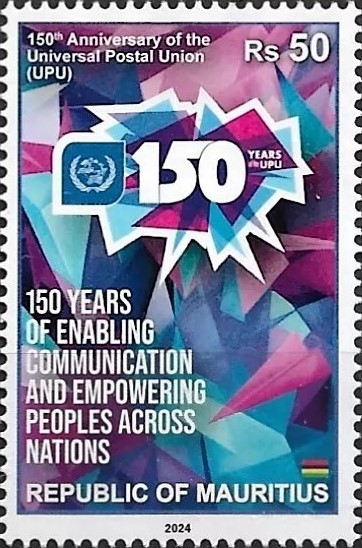
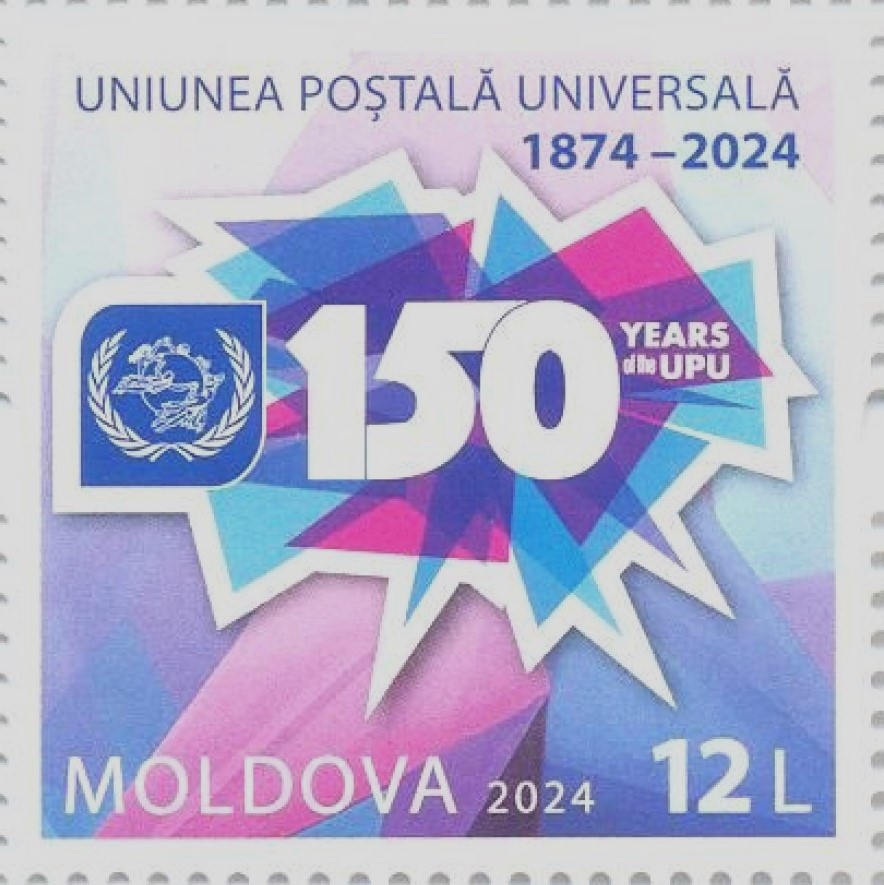
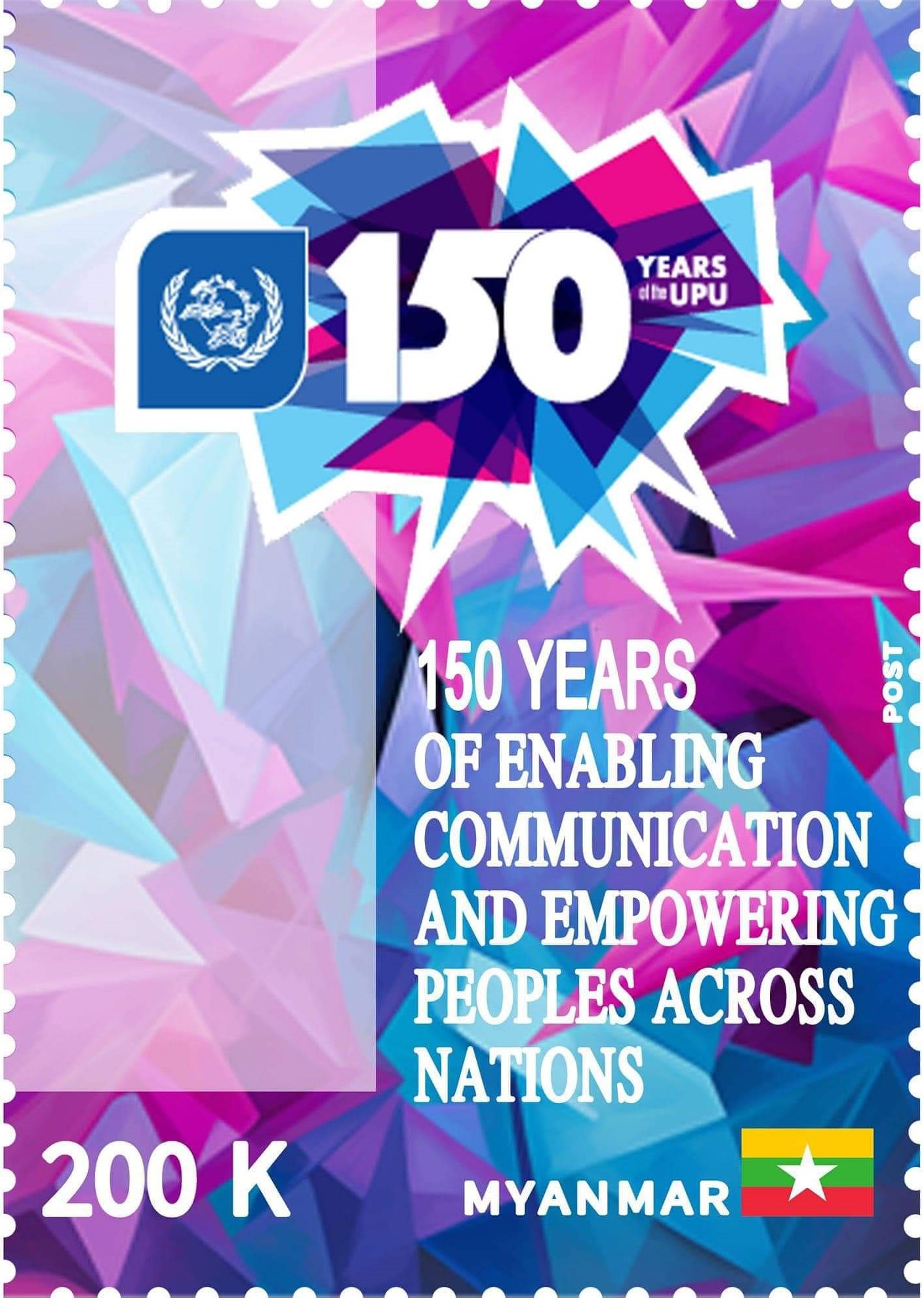

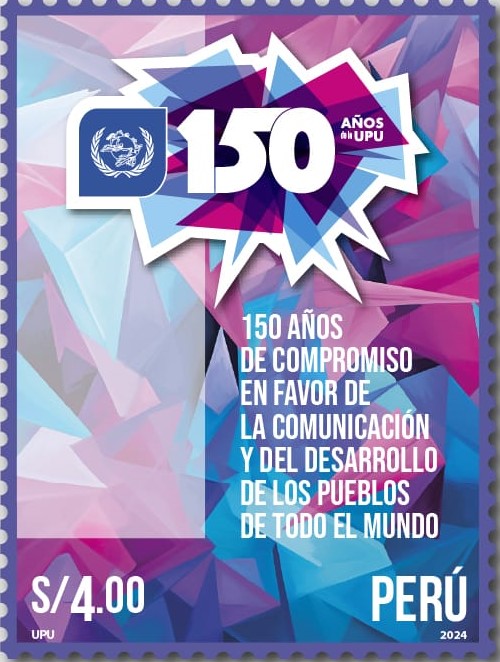



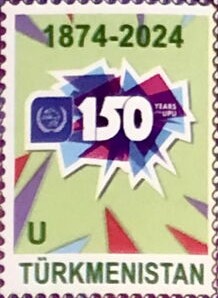

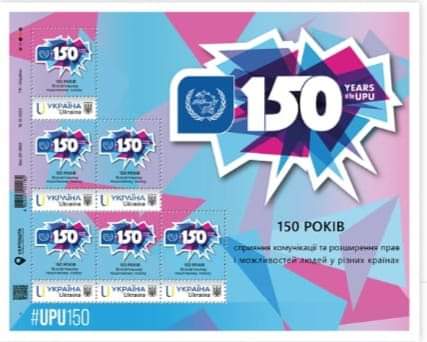
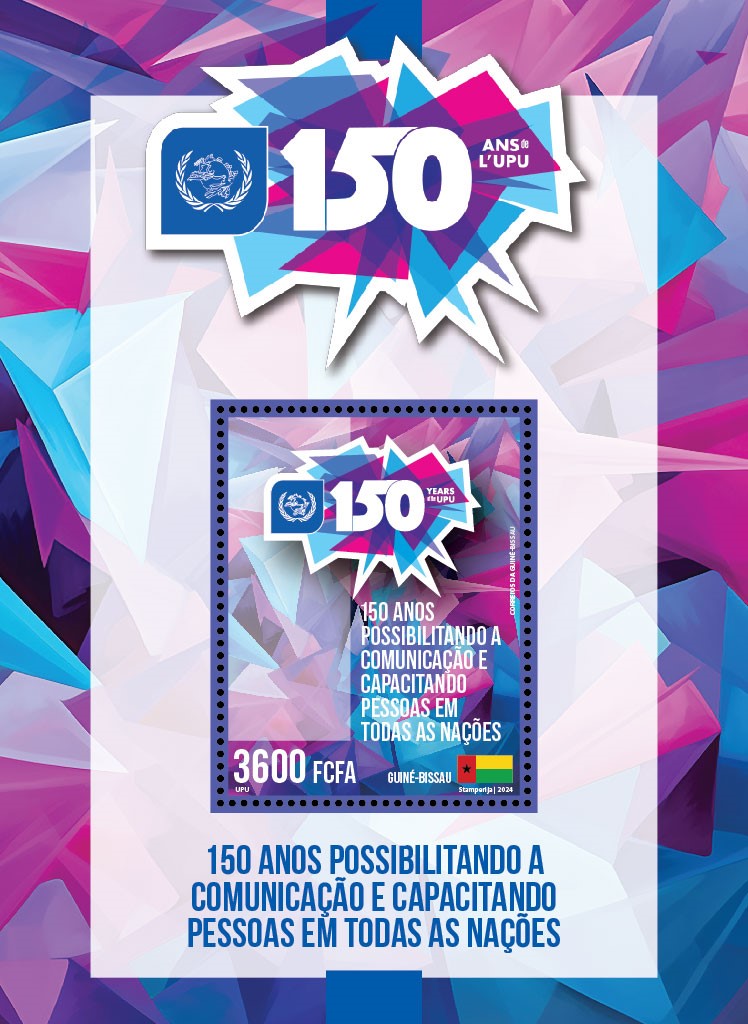
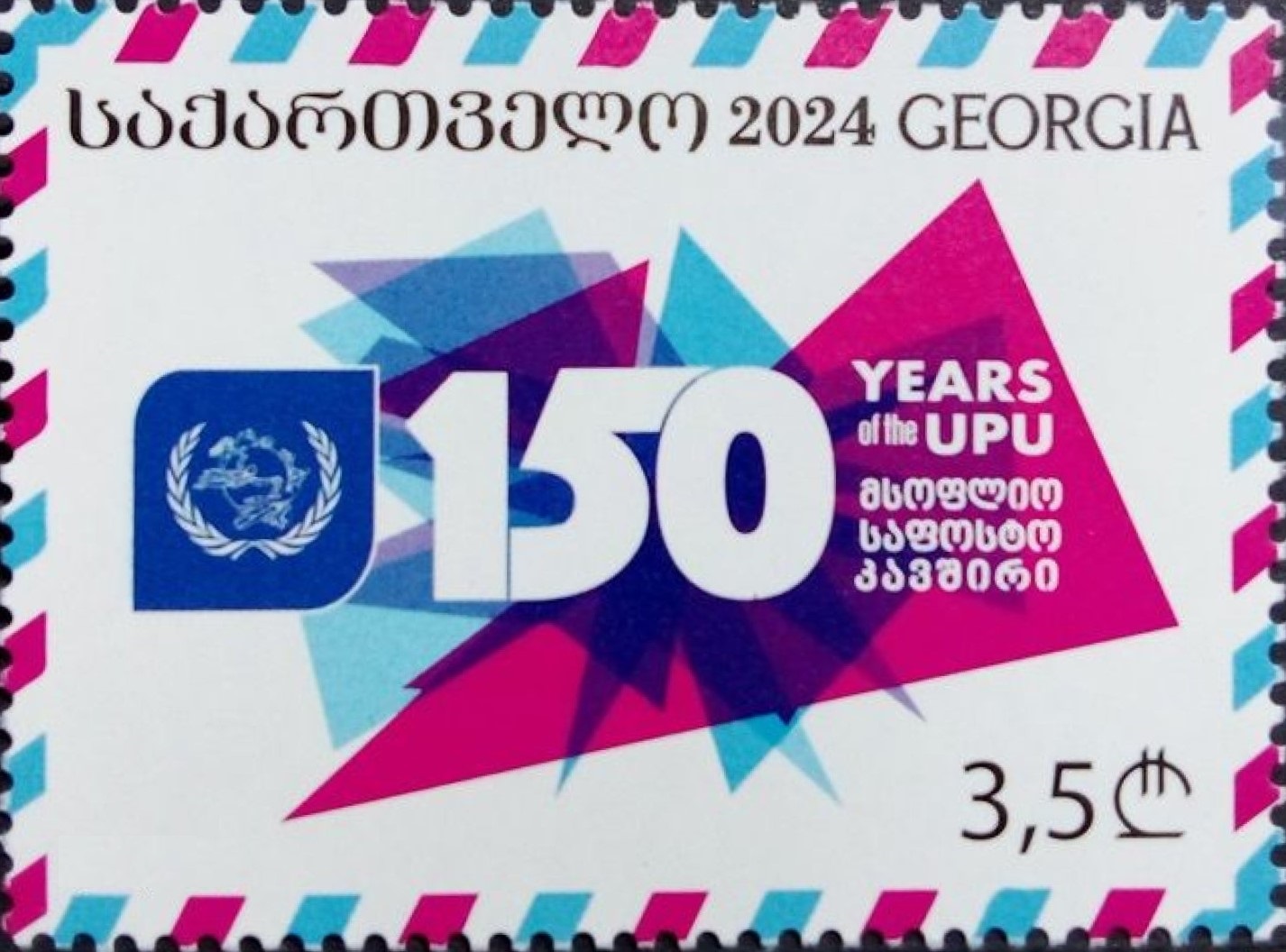
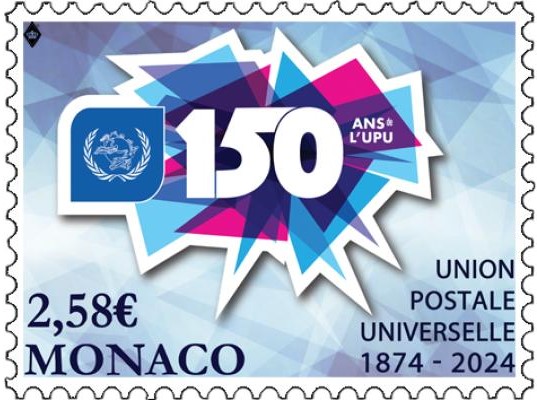
Countries of type B (Concerted [C1]): Argentina (August 28) – Azerbaijan (February 1) – Burundi (September) – Central Africa (September) – Djibouti (September) – Georgia (June 1) – Guinea (September) – Guinea-Bissau (September) – Liberia (September) – Mali (September) – Monaco (May 30) – Mongolia (September 25) – Sierra Leone (September) – Togo (September)
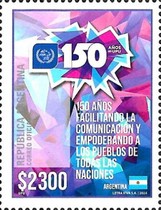














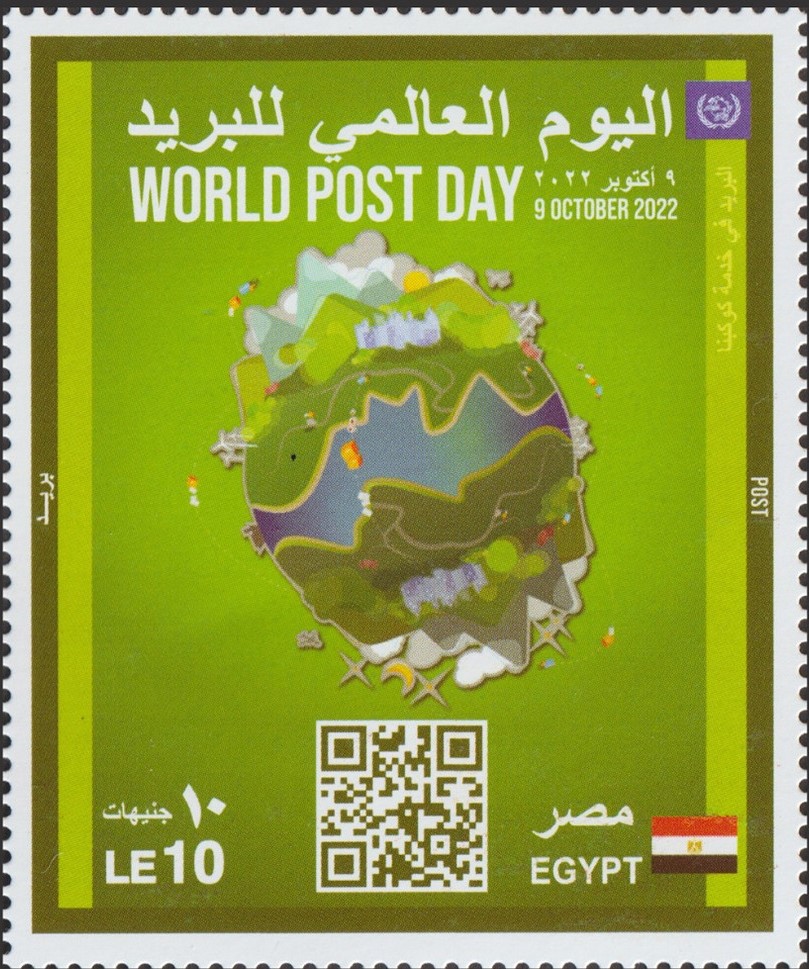
Countries of type C (Twin or concerted [T2] or [C2]): Bosnia (Serbia) – Egypt () – France (October 14) – Hong Kong – Hungary (July 24) – Isle of Man (August 30) – Japan – Kyrgyzstan (October) – Luxembourg (September 10) – Macau – Malaysia – Morocco – Pakistan – Portugal – San Marino – Saudi Arabia () – Singapore – Slovenia – Spain – Syria – Tunisia – Türkiye – Uruguay – Uzbekistan () – Vietnam

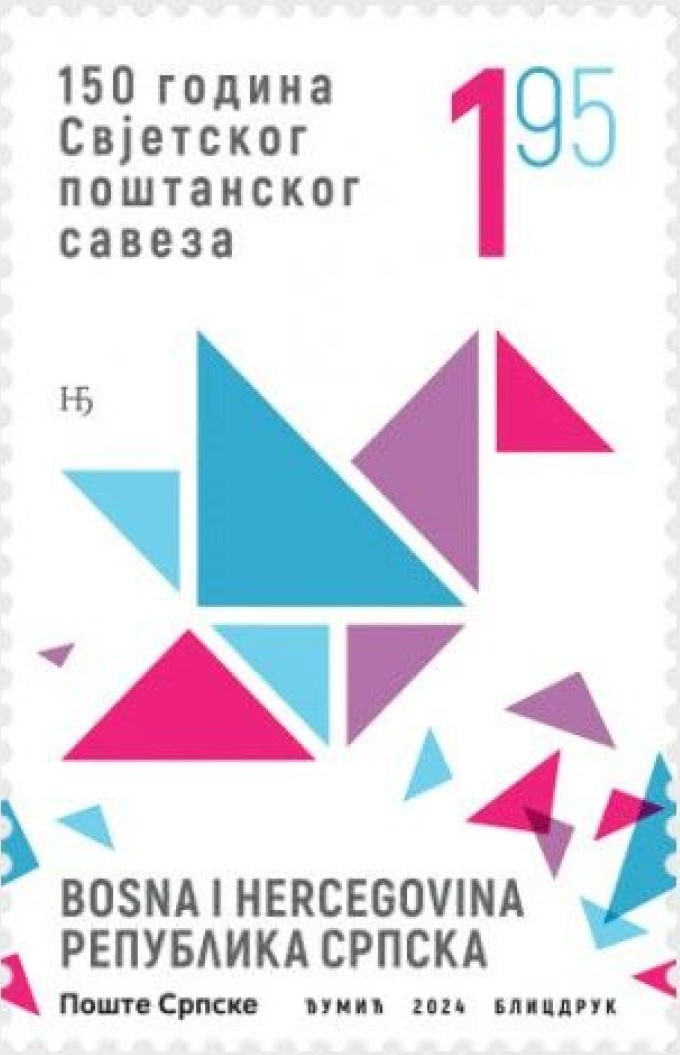
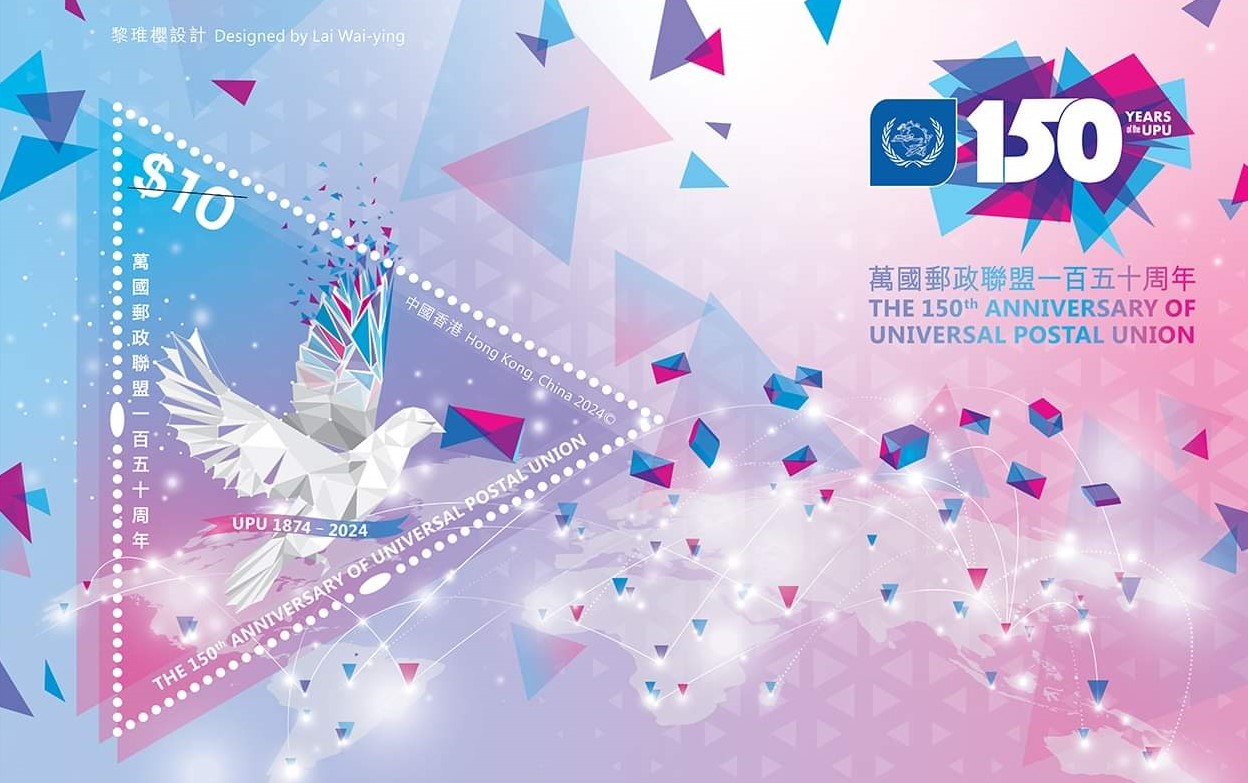



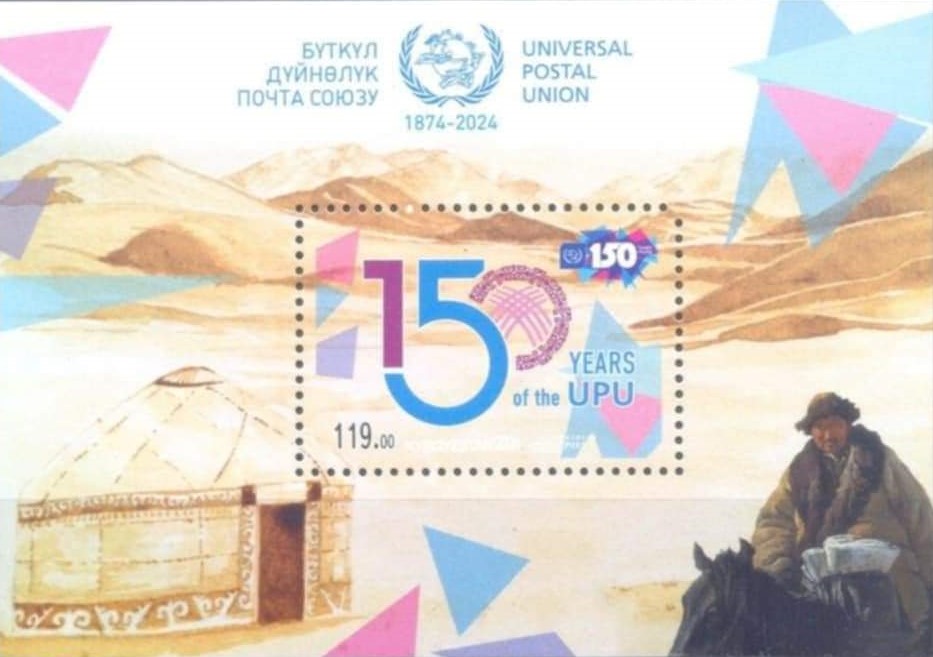

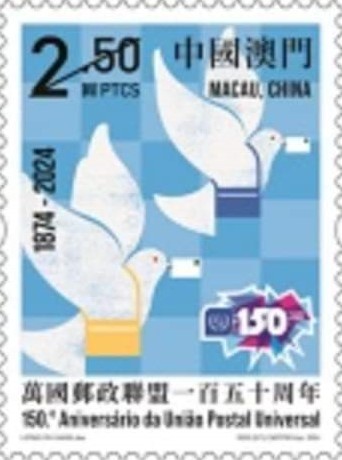
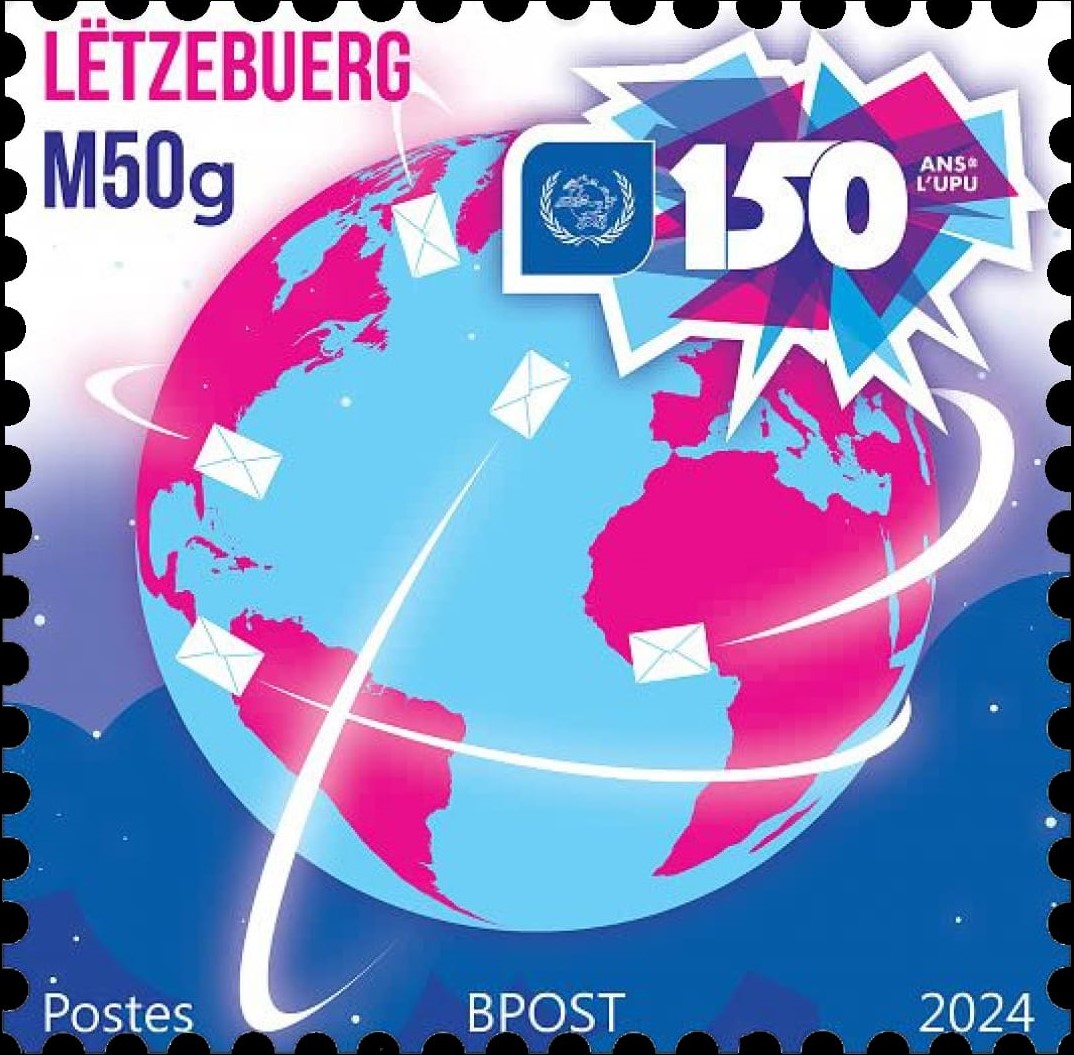

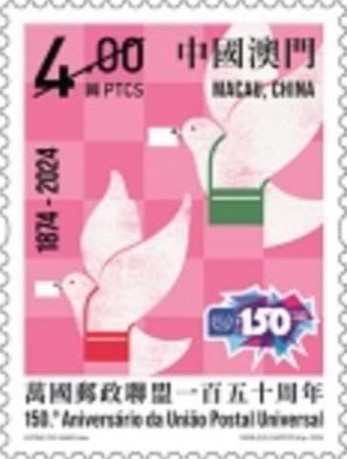










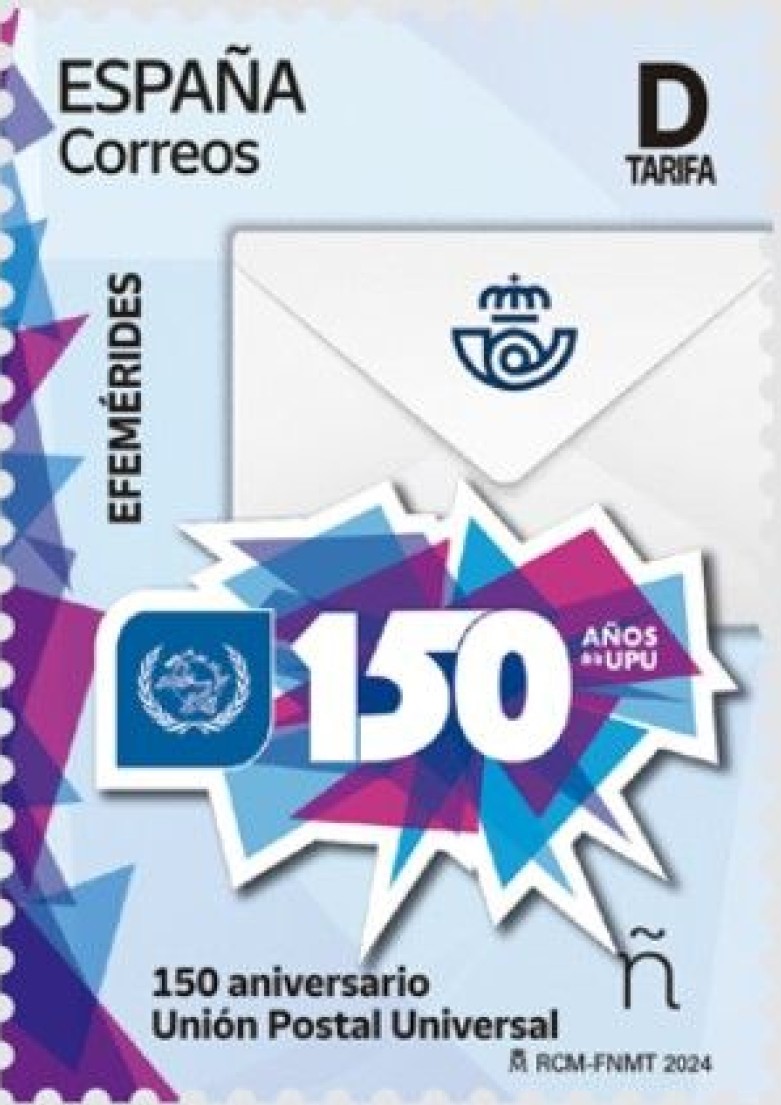

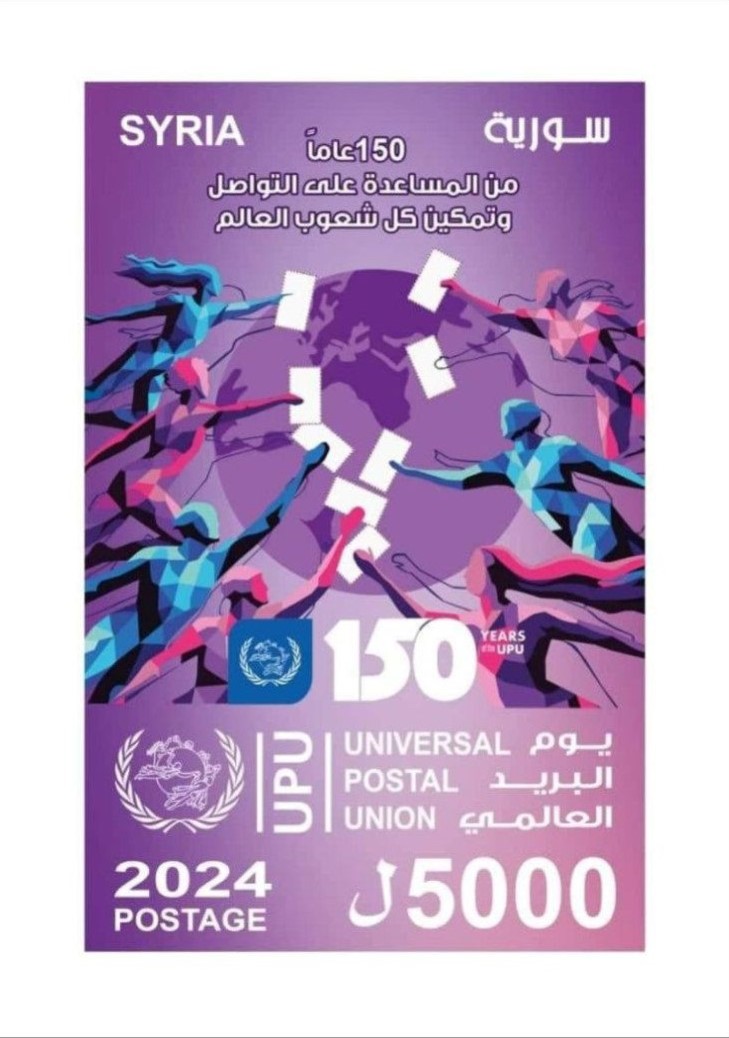

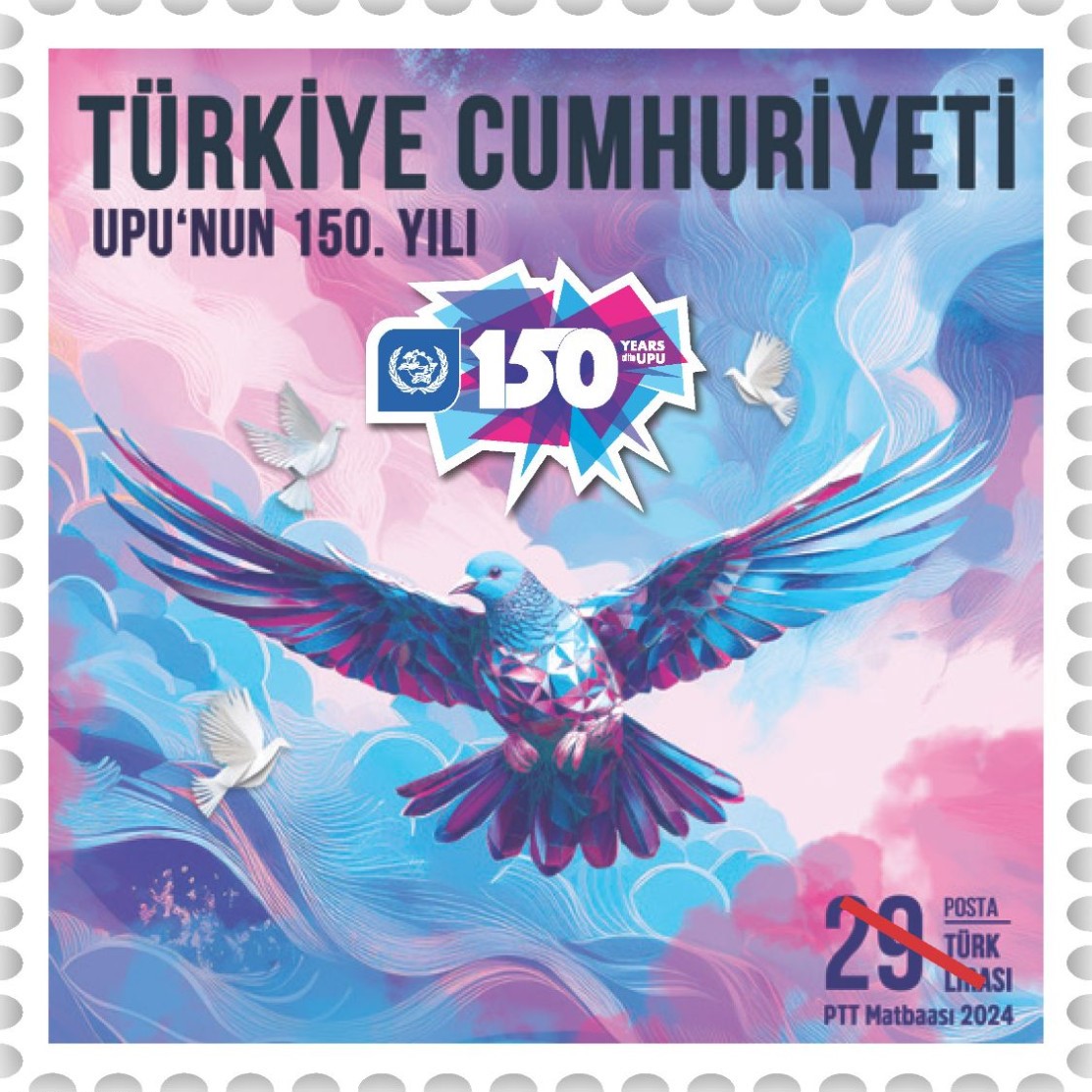


Countries of type D (Parallel issue [P]): Australia (October 1) – Austria (October 4) – Brunei Darussalam () – Bulgaria – Czech Republic – French Polynesia – Germany (October 10) – Macedonia (North) – Mexico – Montenegro – Qatar () – Russia – Slovakia – Switzerland (September 5) – Tajikistan (May) – Vatican (September 16) – Wallis and Futuna


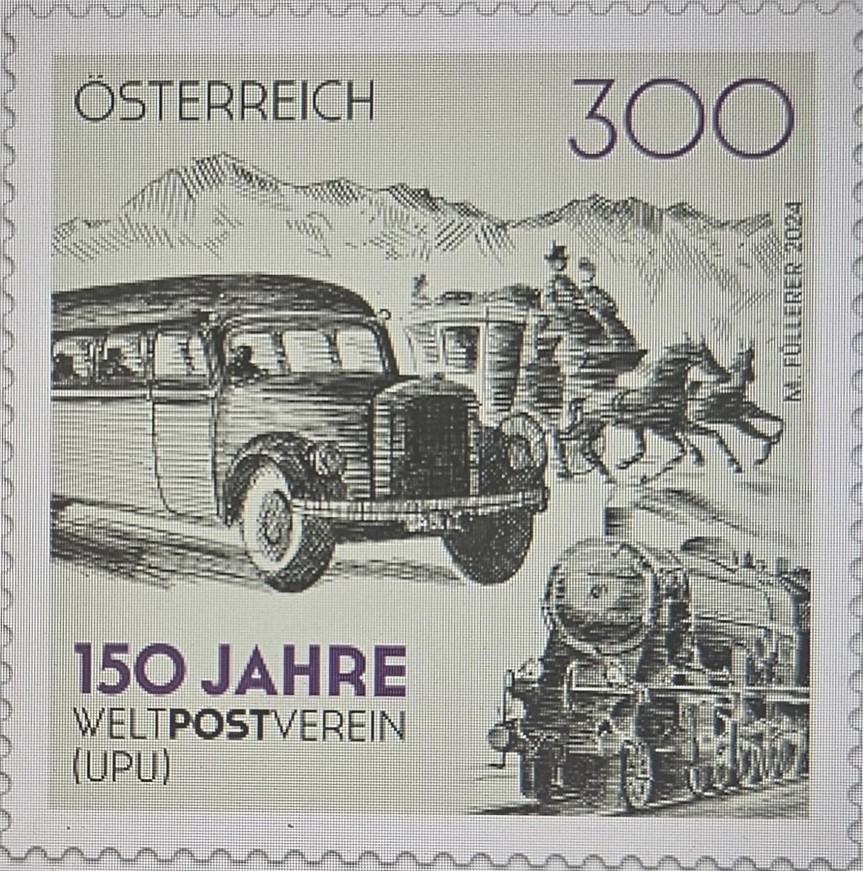

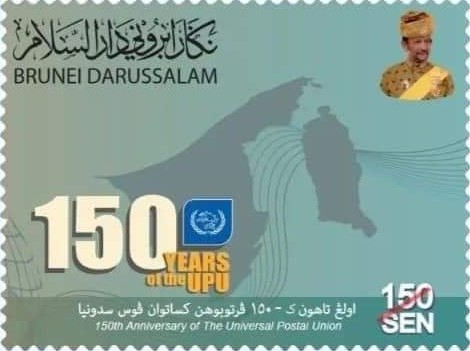

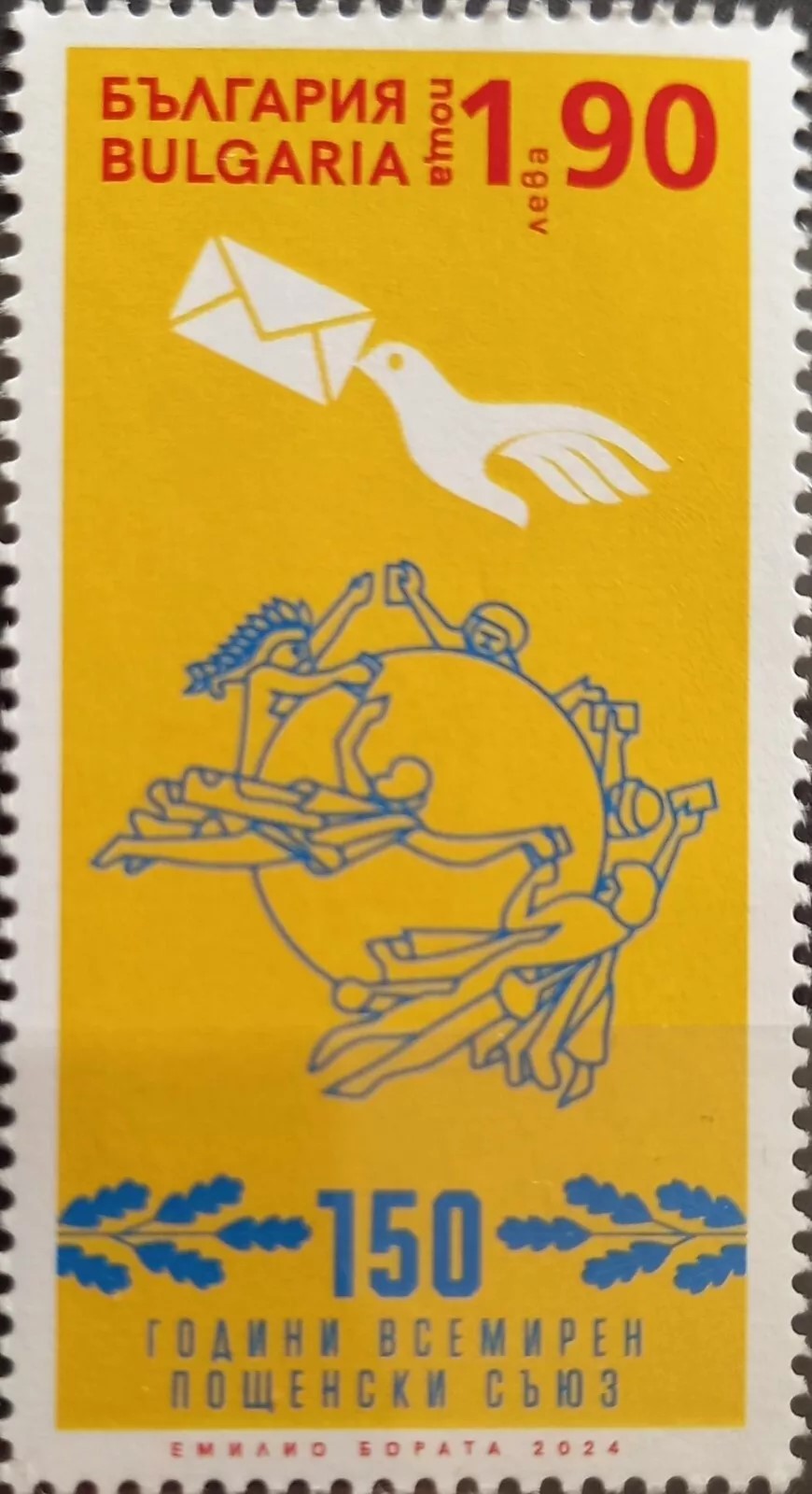
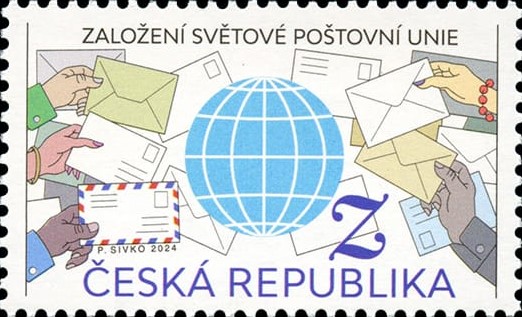



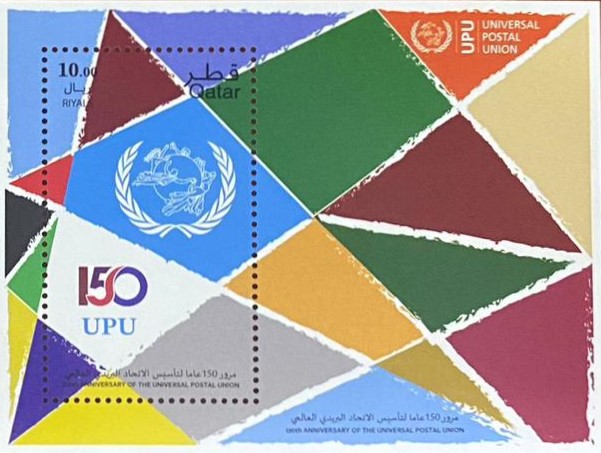



Countries of type E (not considered as joint): Belgium (June 10) – Serbia (May 25) – United Nations – Geneva (May 30) – United Nations – New York (May 30) – United Nations – Vienna (May 30).
So far, 86 countries are listed above to which one has to add 2 postal authorities that have issued stamps that cannot be considered as joint (Type E – United Nations offices are not taken in account as countries, UPU being a sub-unit of the United Nations). The UPU counts presently 192 members, which means information from 106 countries (!) is missing. Obviously there will be an update of this page. A great help is needed here to recover information from other participating countries. We are also missing better quality images for stamps from Ivory Coast and Ukraine. Thanks a lot in advance for providing name of missing countries, exact dates of issue, and when possible illustrations, printing runs, sizes of panels and by-product lists.
The catalogue pages should be updated within the next week.






































 Joint Stamp Issues
You must be logged in to post a comment.