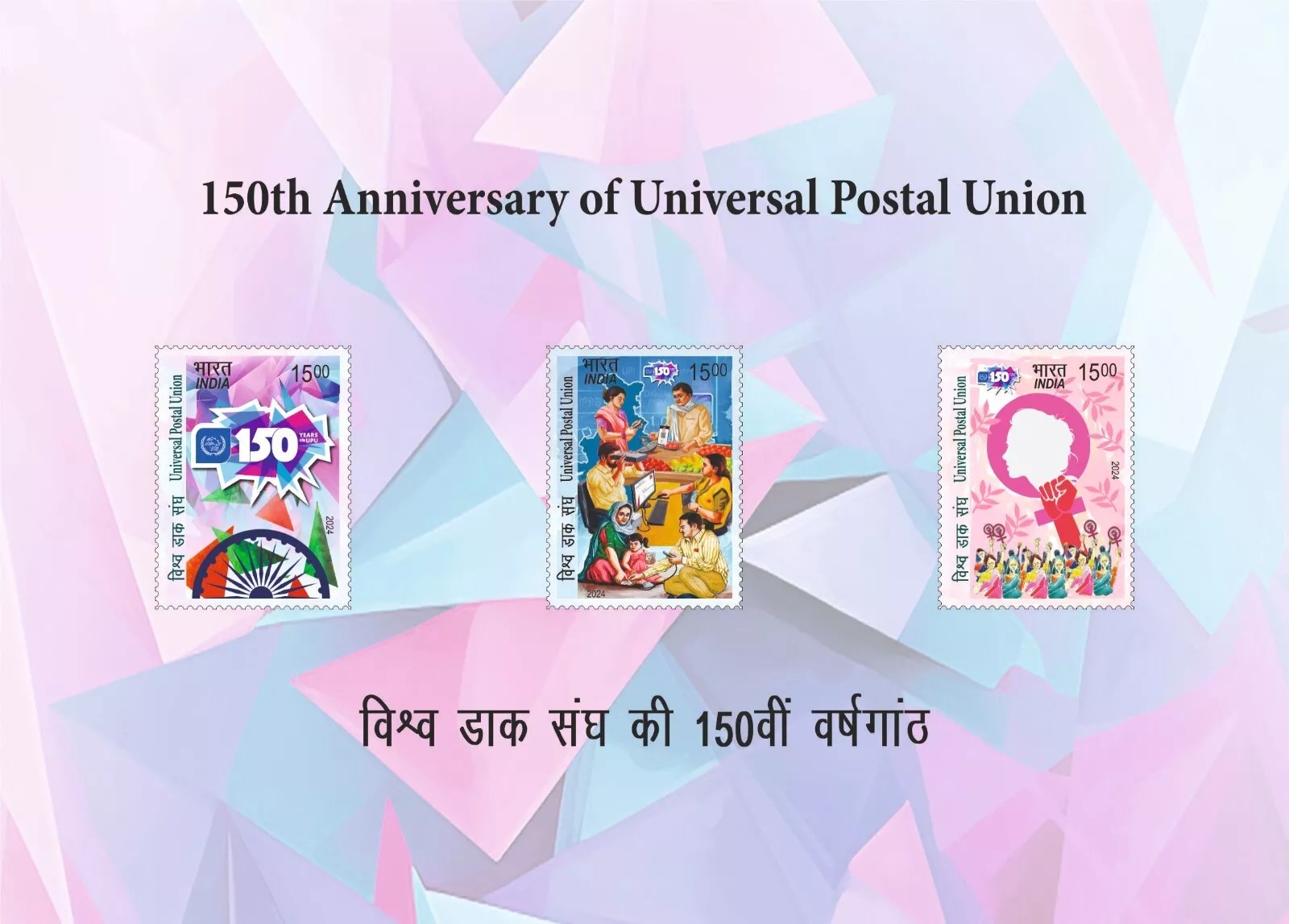
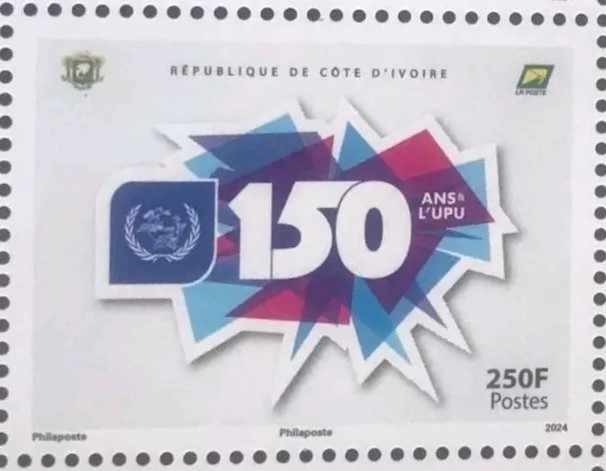
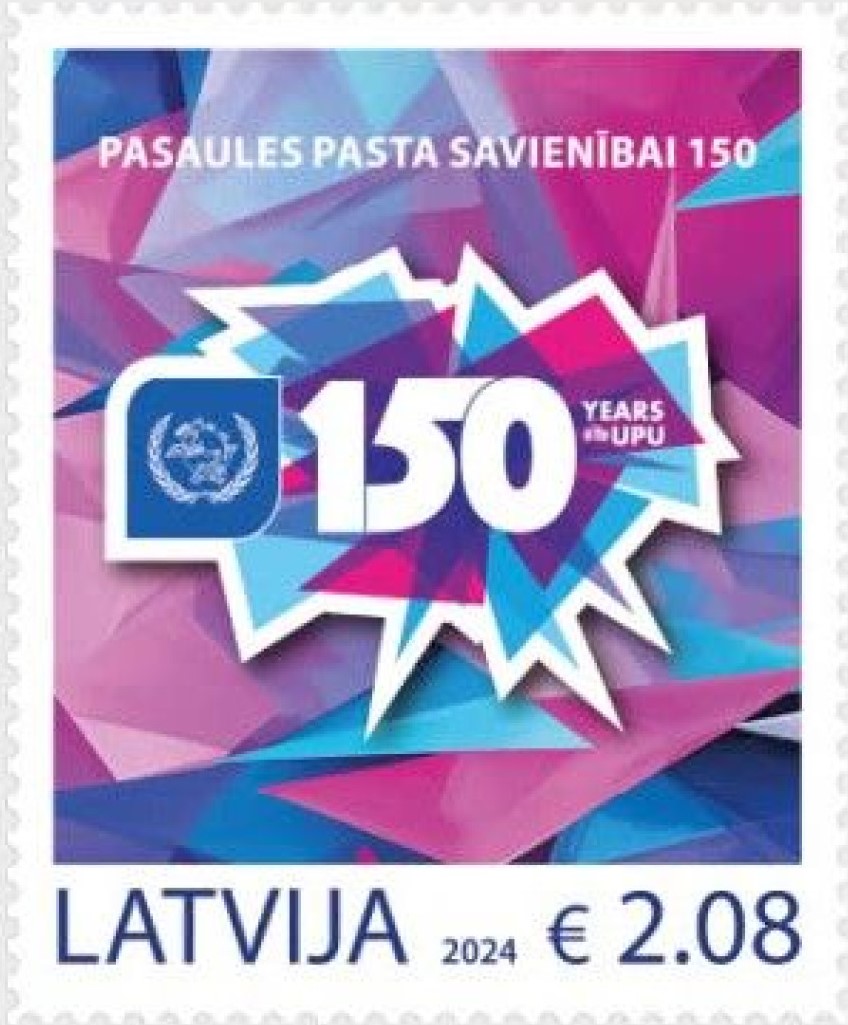
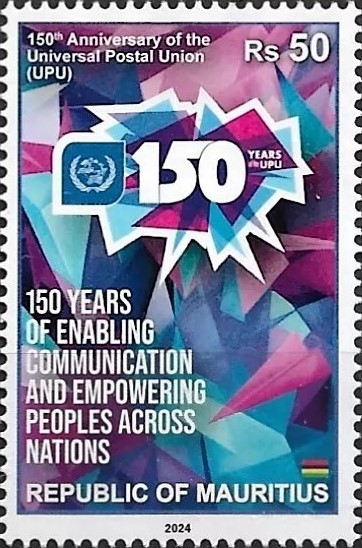
UPU 150th anniversary

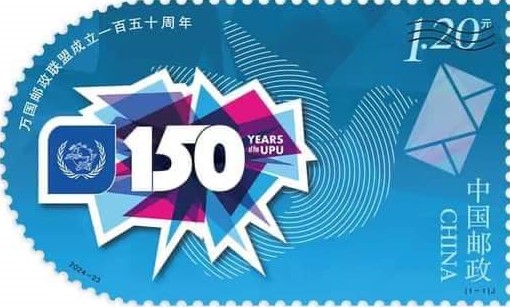
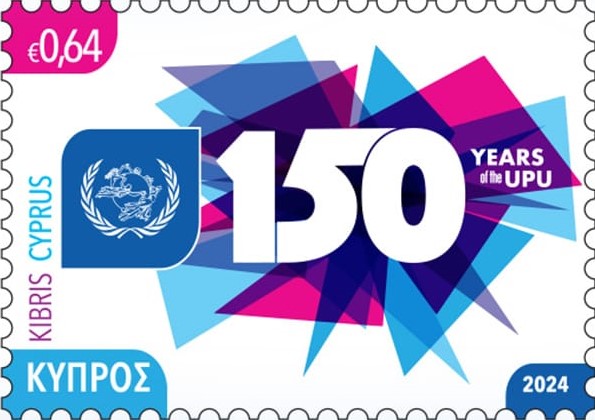
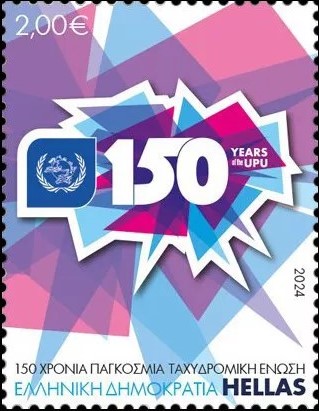
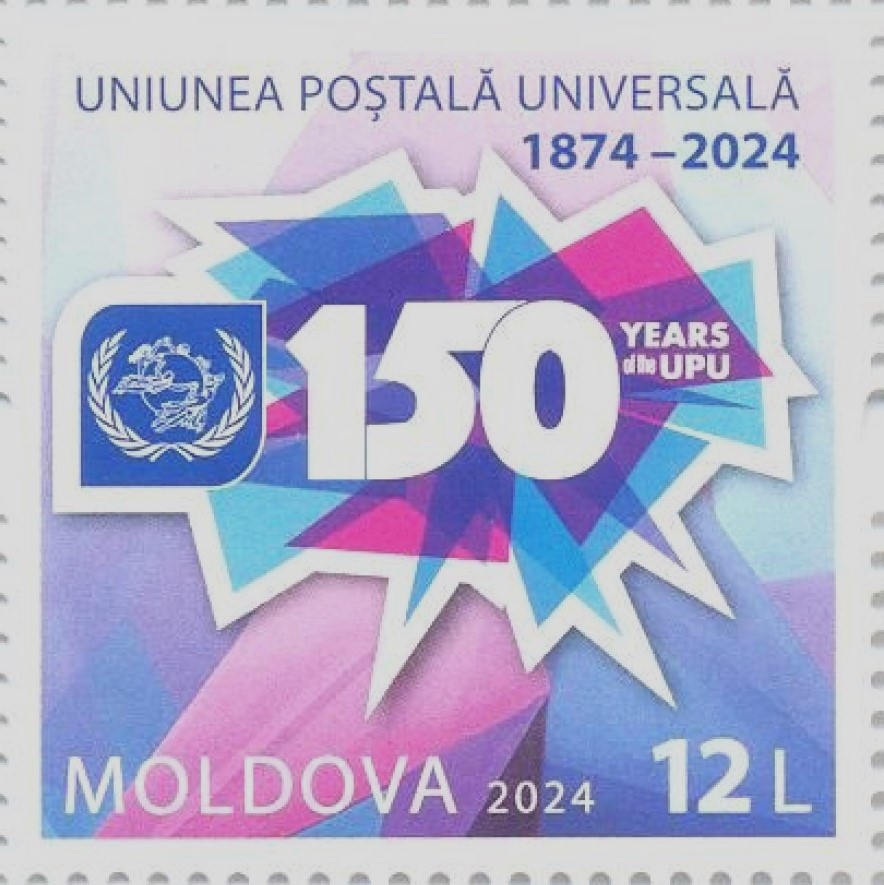
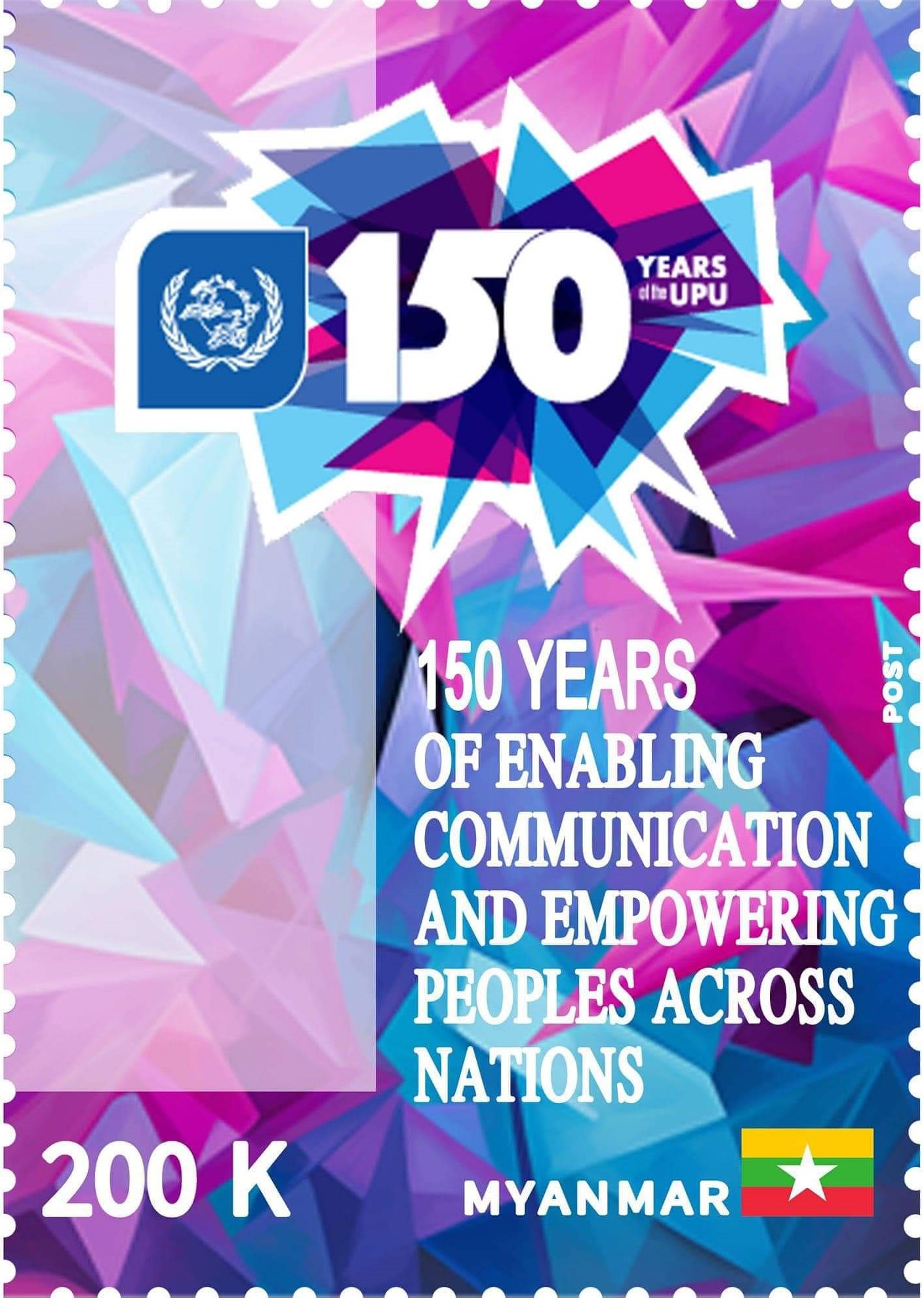
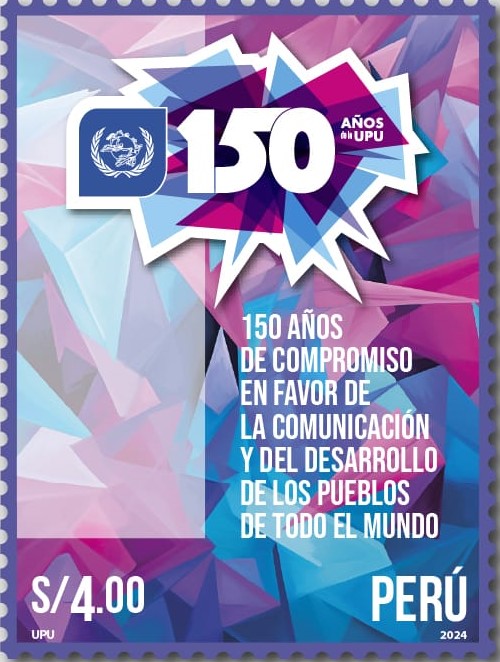
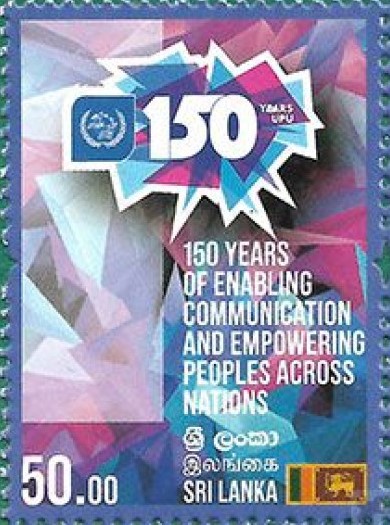
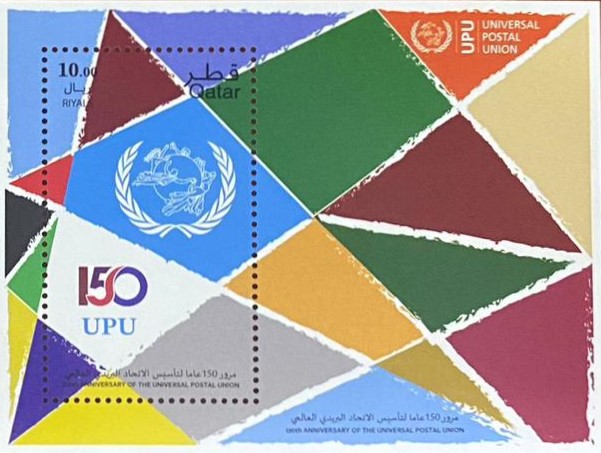
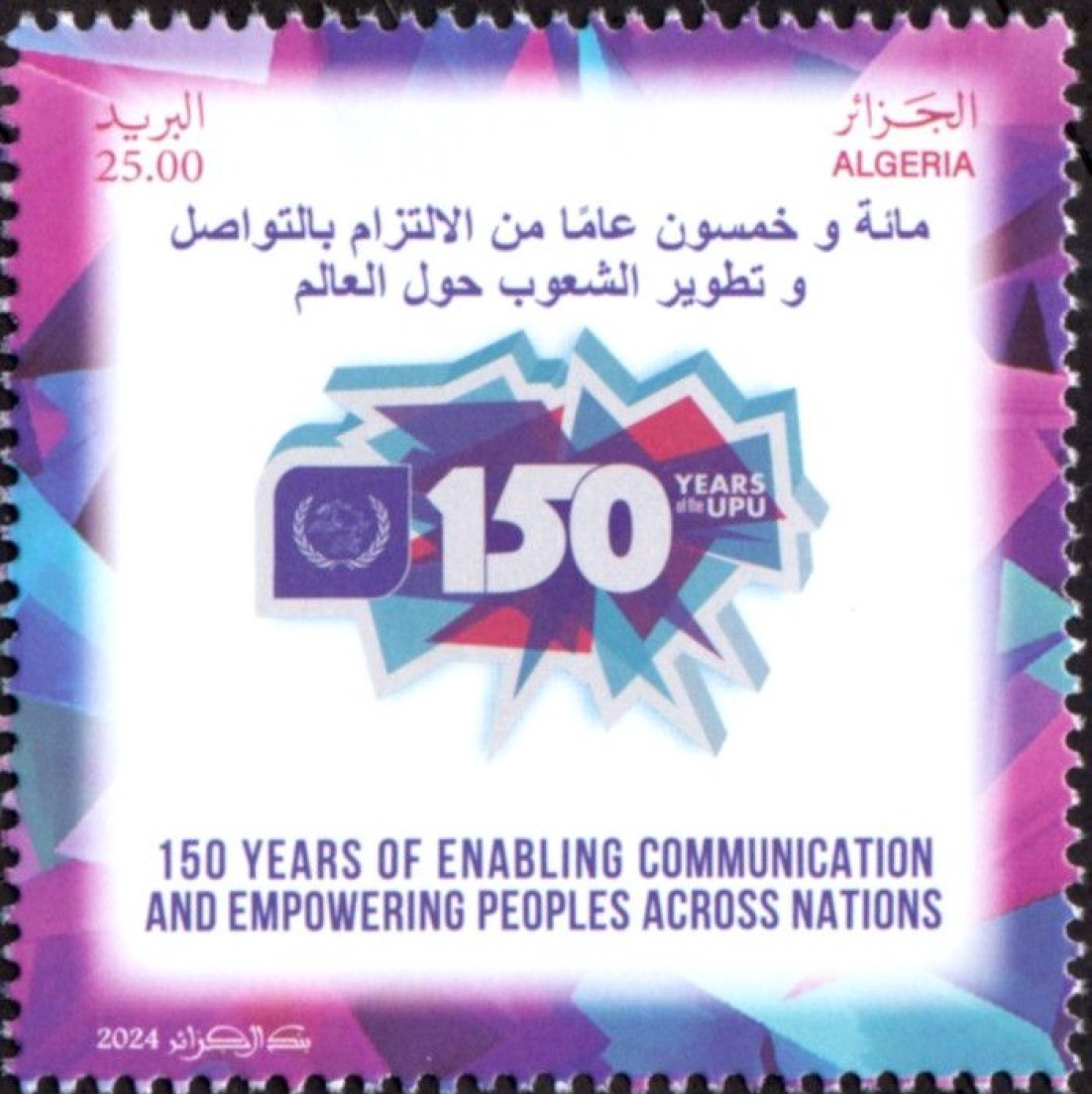
The Universal Postal Union (UPU) is a specialized agency of the United Nations (UN) that coordinates postal policies among member nations and facilitates a uniform worldwide postal system. It comprises 192 member states and is headquartered in Bern, Switzerland. It was established on October 9, 1874, exactly 150 years ago.

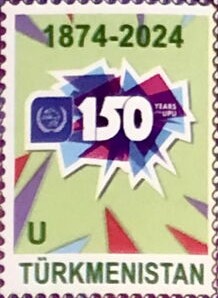
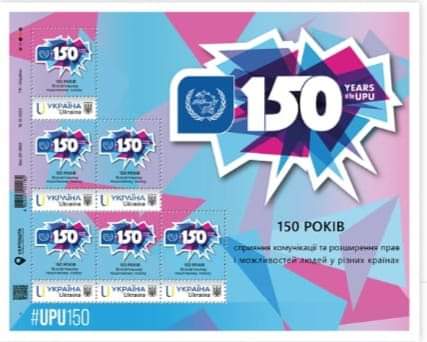
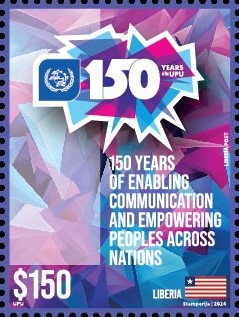
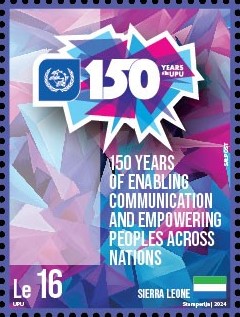
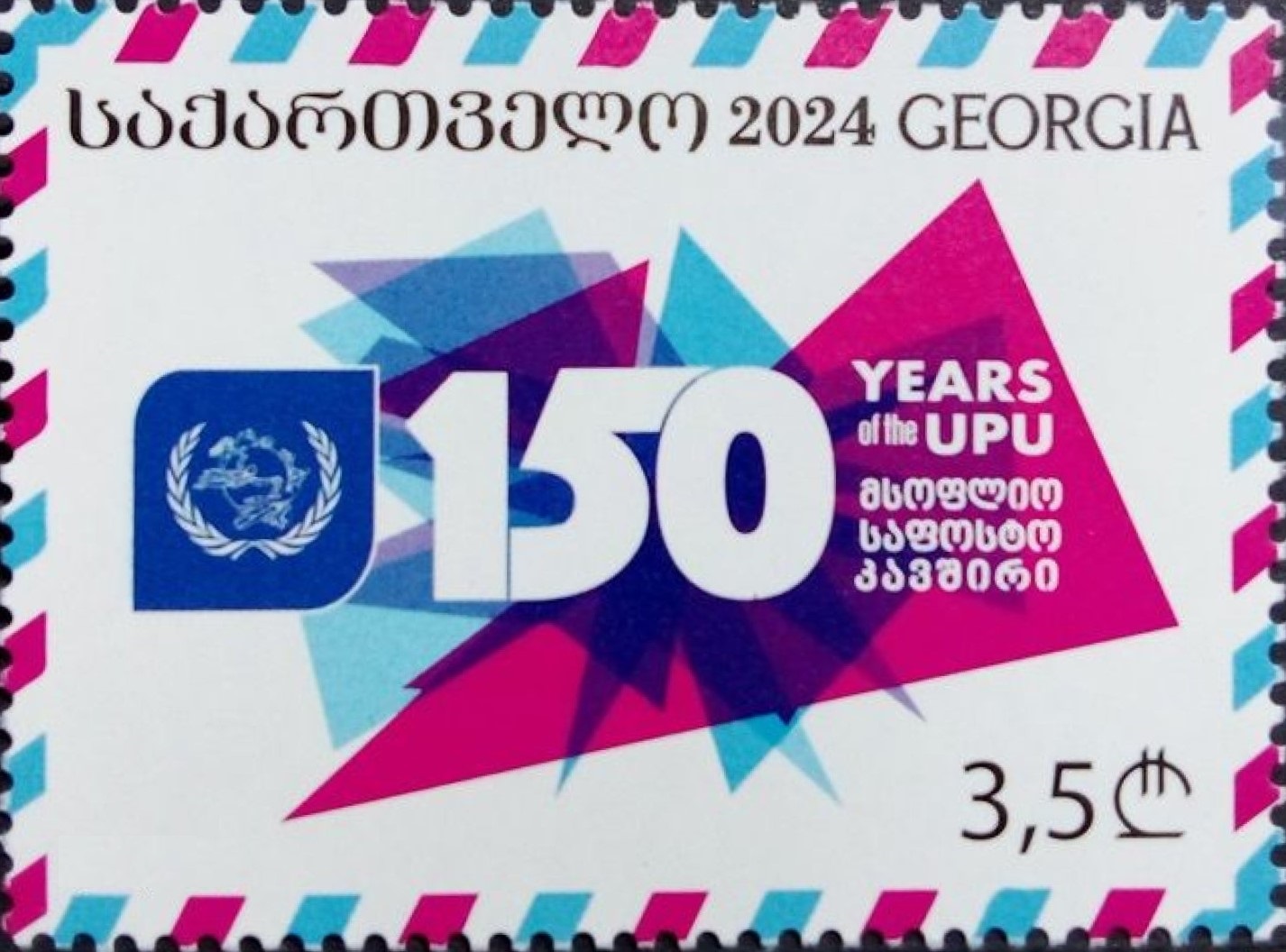
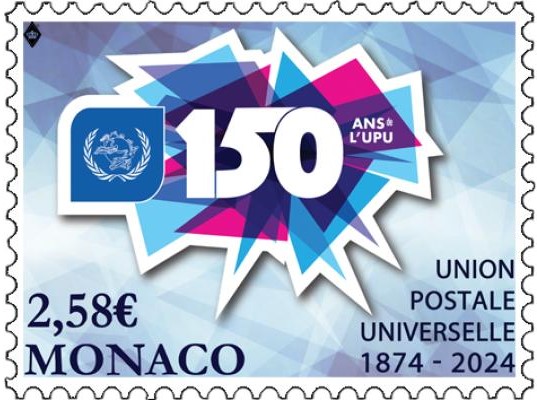
Since more than one year, we know that this anniversary will be celebrated with a stamp which common design was proposed by UPU. In the past, the 75th (1949) UPU anniversary was celebrated, but in a non-coordinated way, mainly by colonial entities (British, Dutch and French – D19490704, D19491001, D19491010, D19491018) and the 100th (1974) anniversary with stamps that remained different for all participating countries (N19741009). The same situation happened in 1999, with absence of concertation for the 125th anniversary celebration (N19991009). Eventually, so far, only the 145th anniversary in 2019 (T20191009b) could be considered as a Twin issue.

During this year of 2024, a very large number of countries are participating. In the strict sense, this has to be considered as a true joint issue, even if there was no real cooperation between countries, but a proposal of a design accepted by most of them and translated in a locally adapted stamp, for a large part of them issued at the anniversary date. It is not an Omnibus series, as Omnibus is defined by a central printing, not by the large number of participating countries. The 2024 stamps will be reported in the catalogue as a Twin issue under [T20241009]. It is easily understandable that some joint issues collectors do not integrate such large series in their collection, in the same way Europa-CEPT stamps are not acceptable for them. Each individual collector has to decide on the basis of the following.

In the catalogue, the countries will be divided in subgroups:

  • A: the countries which take the exact original design proposed by UPU and issue the stamp(s) on October 9, 2024 (or actually around this date, plus or minus a week, roughly between October 1 and October 17, 2024), according to the definition of a twin issue [T]
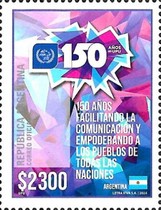
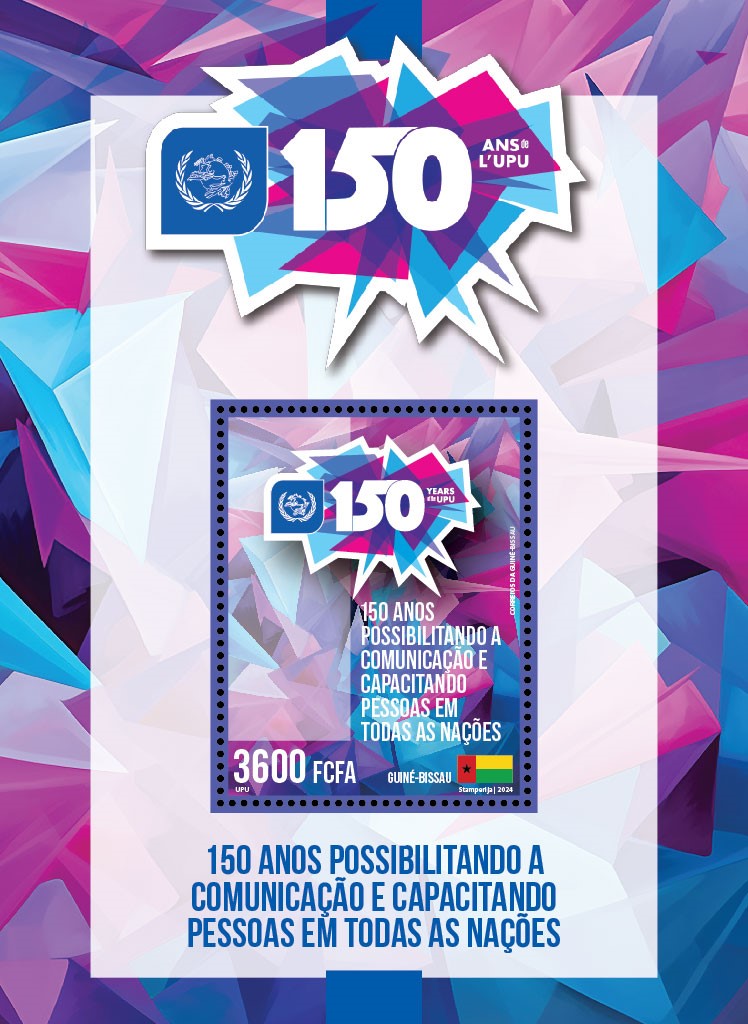
  • B: the countries which take the exact original design but issue the stamp at a different date. It should not be surprising if some countries may issue their stamp in 2025 or even 2026. This is the equivalent of a Concerted issue [C]
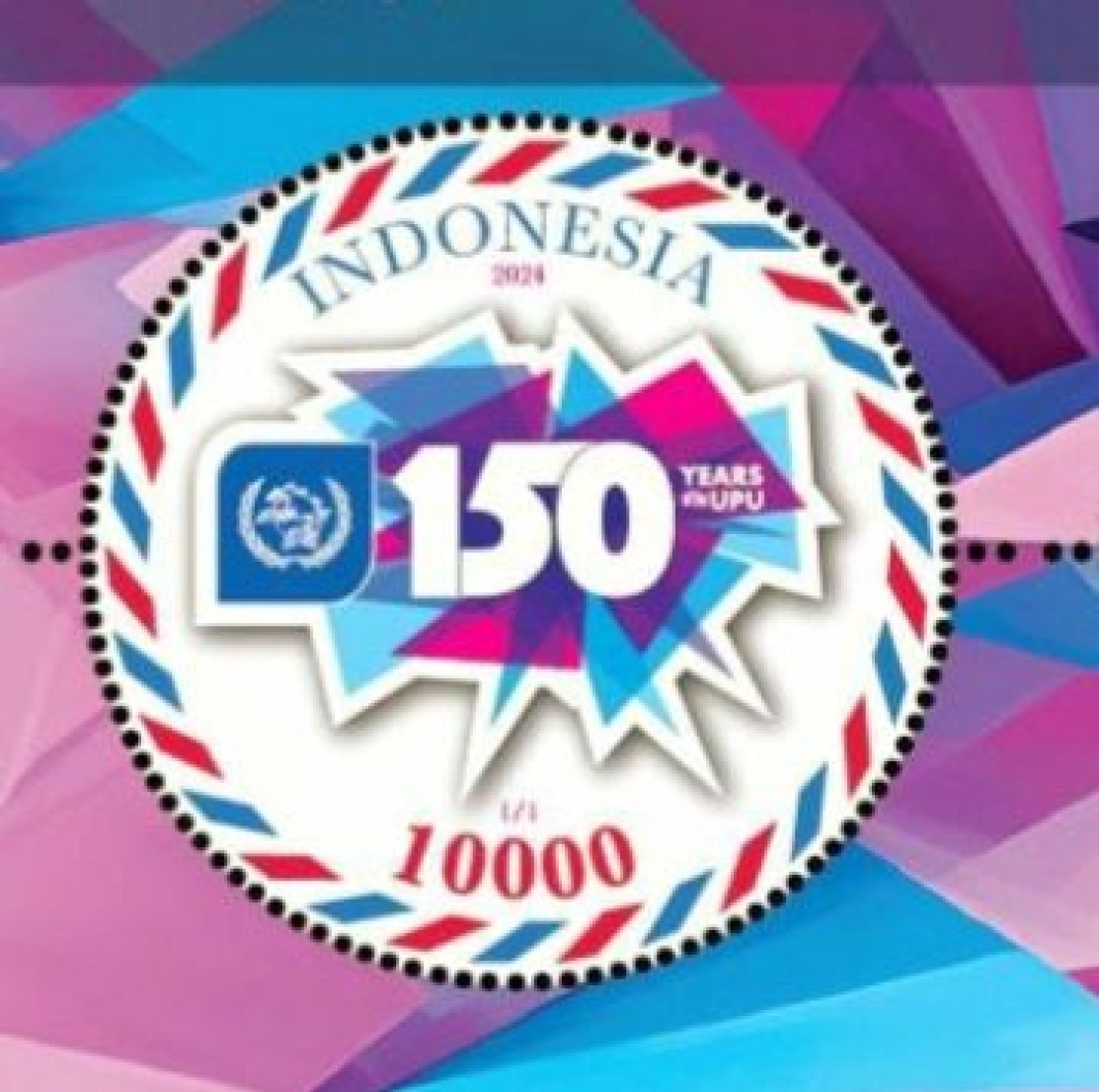
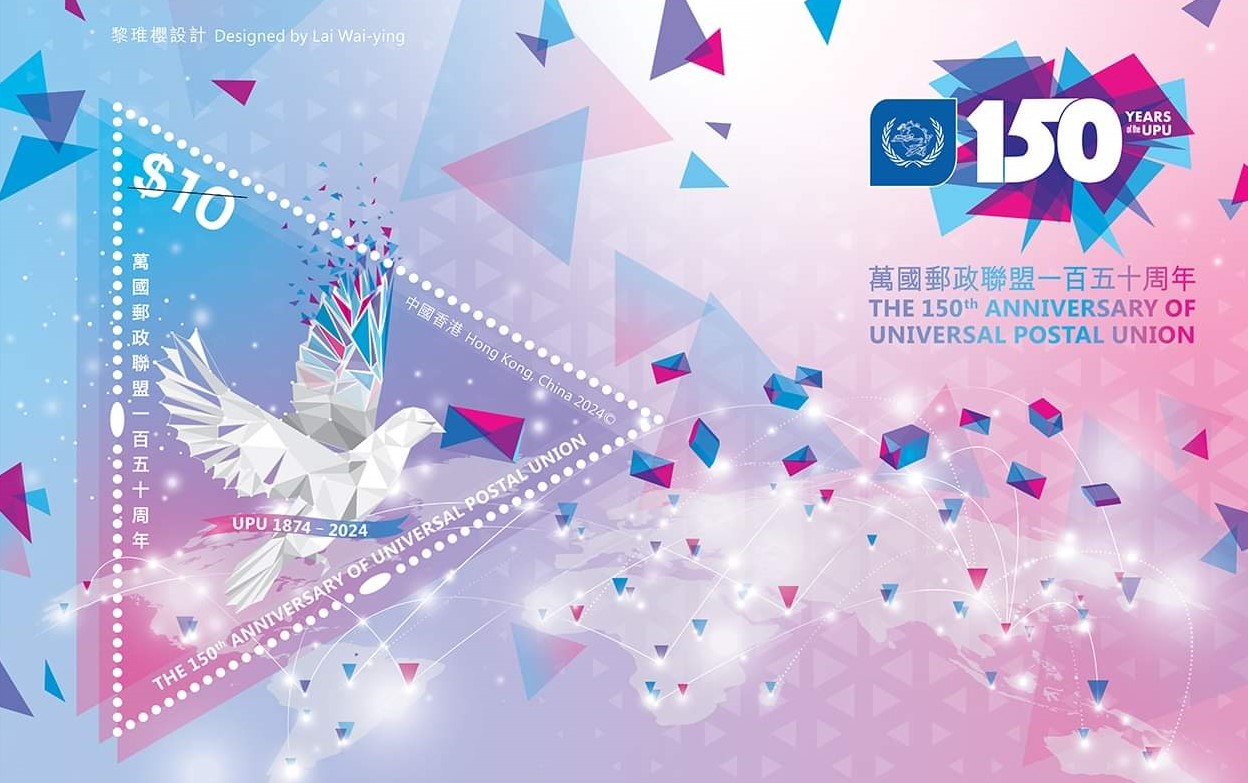
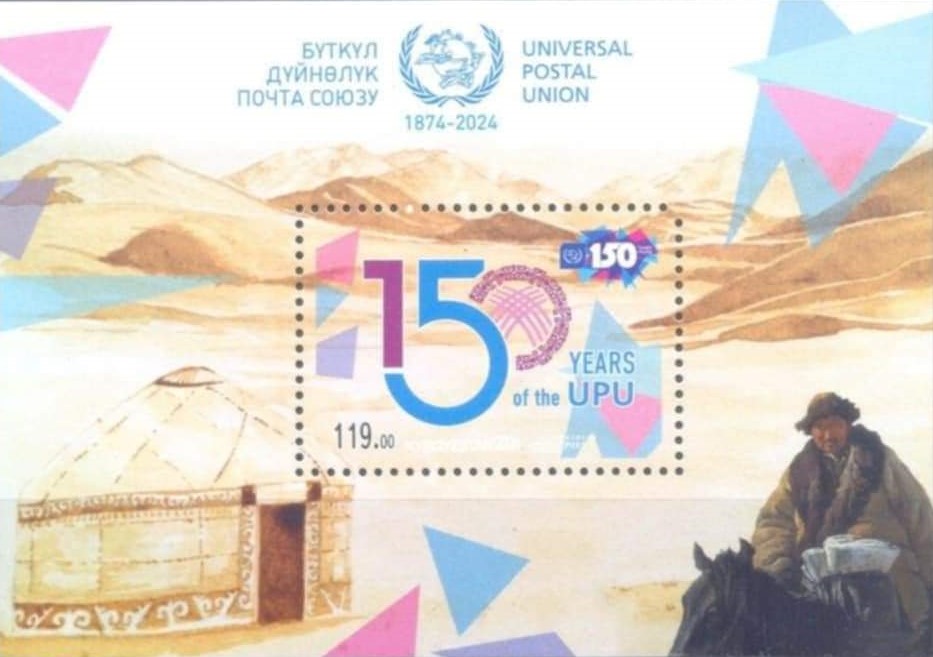
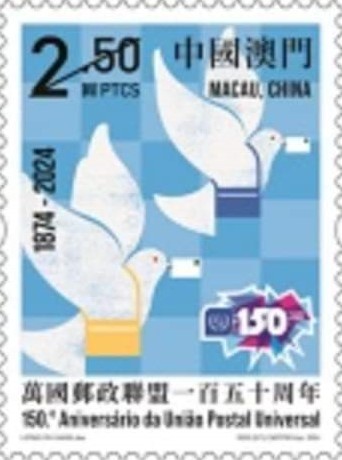
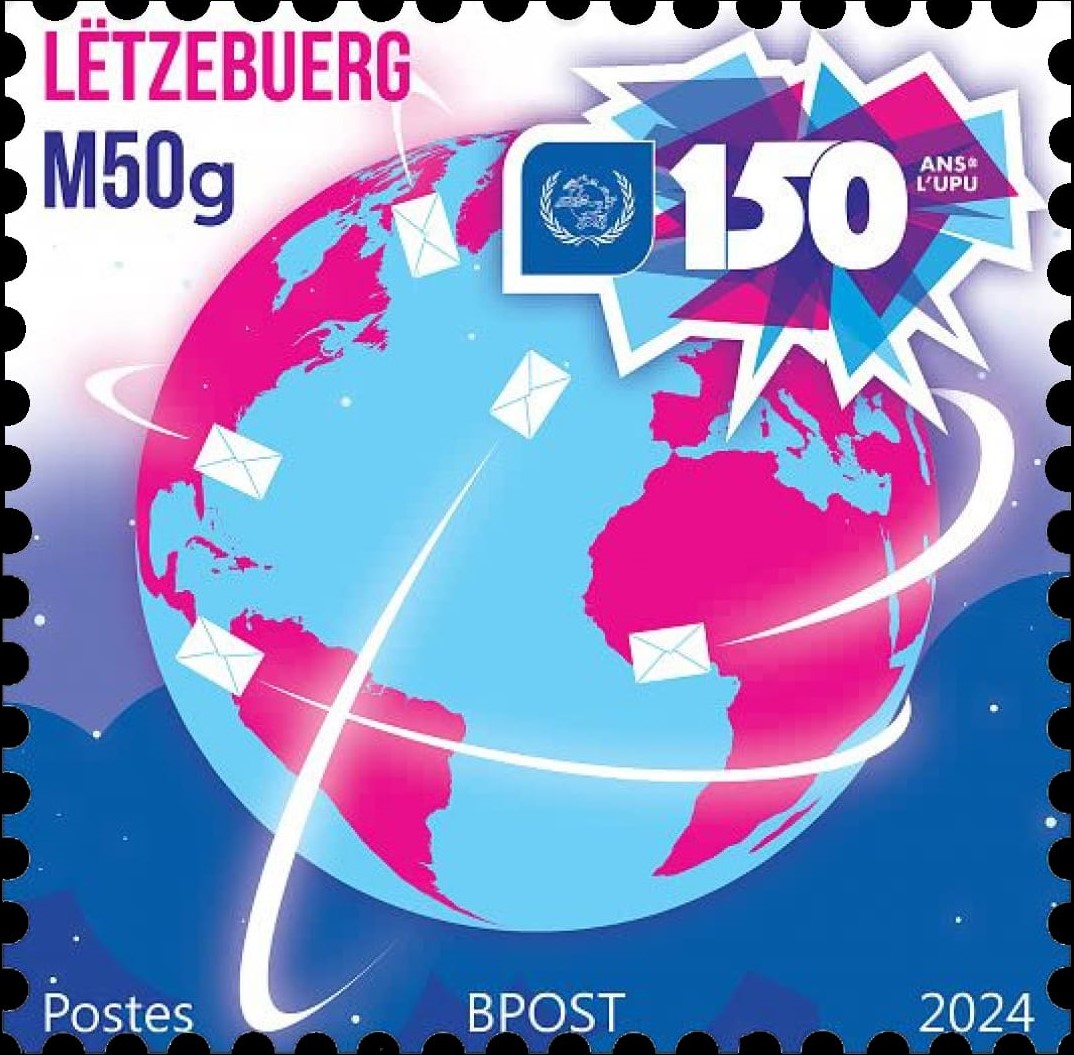
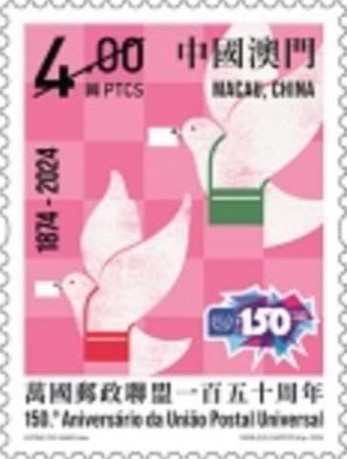
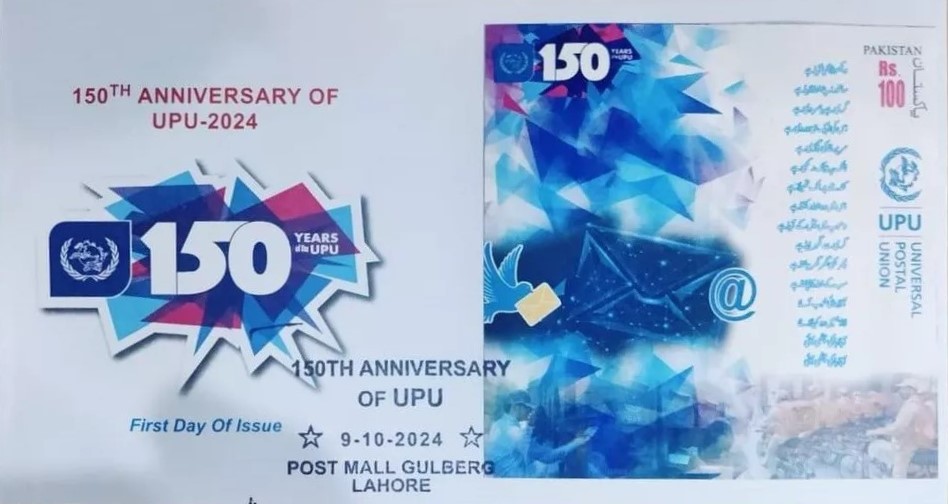
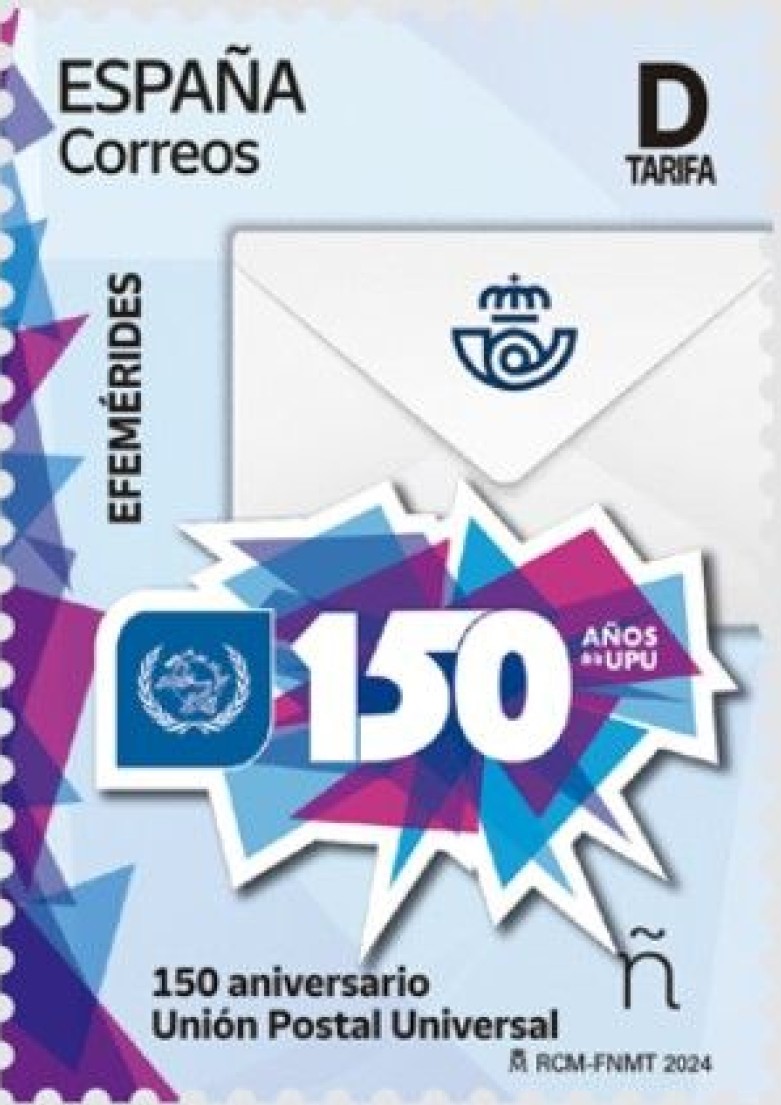
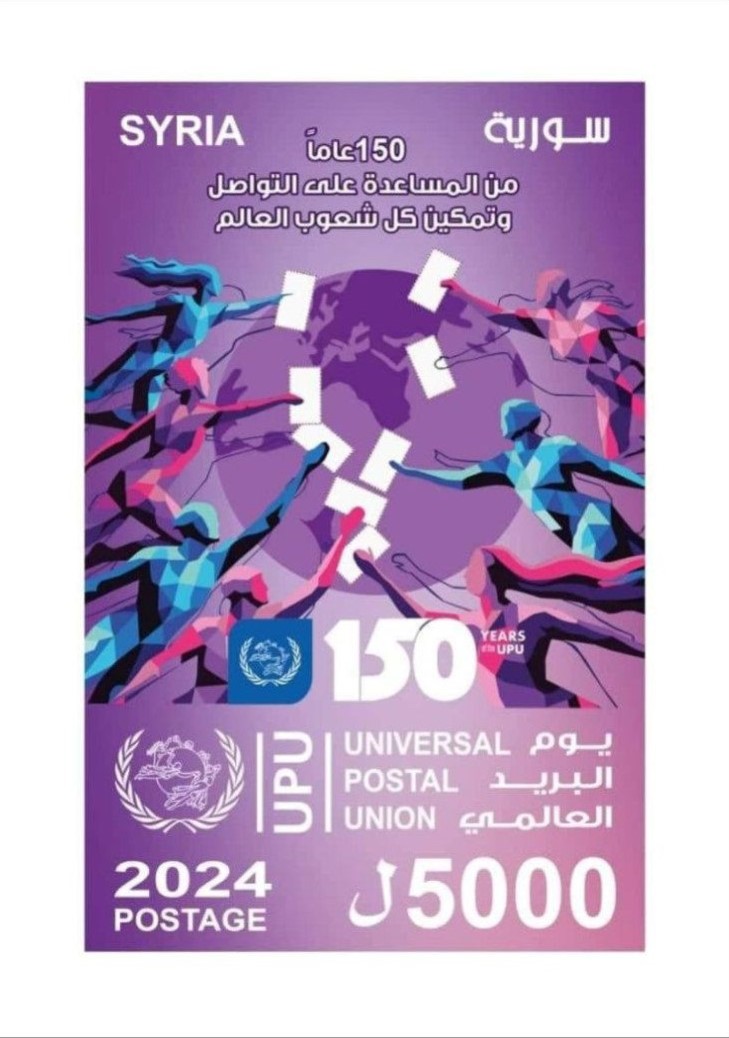
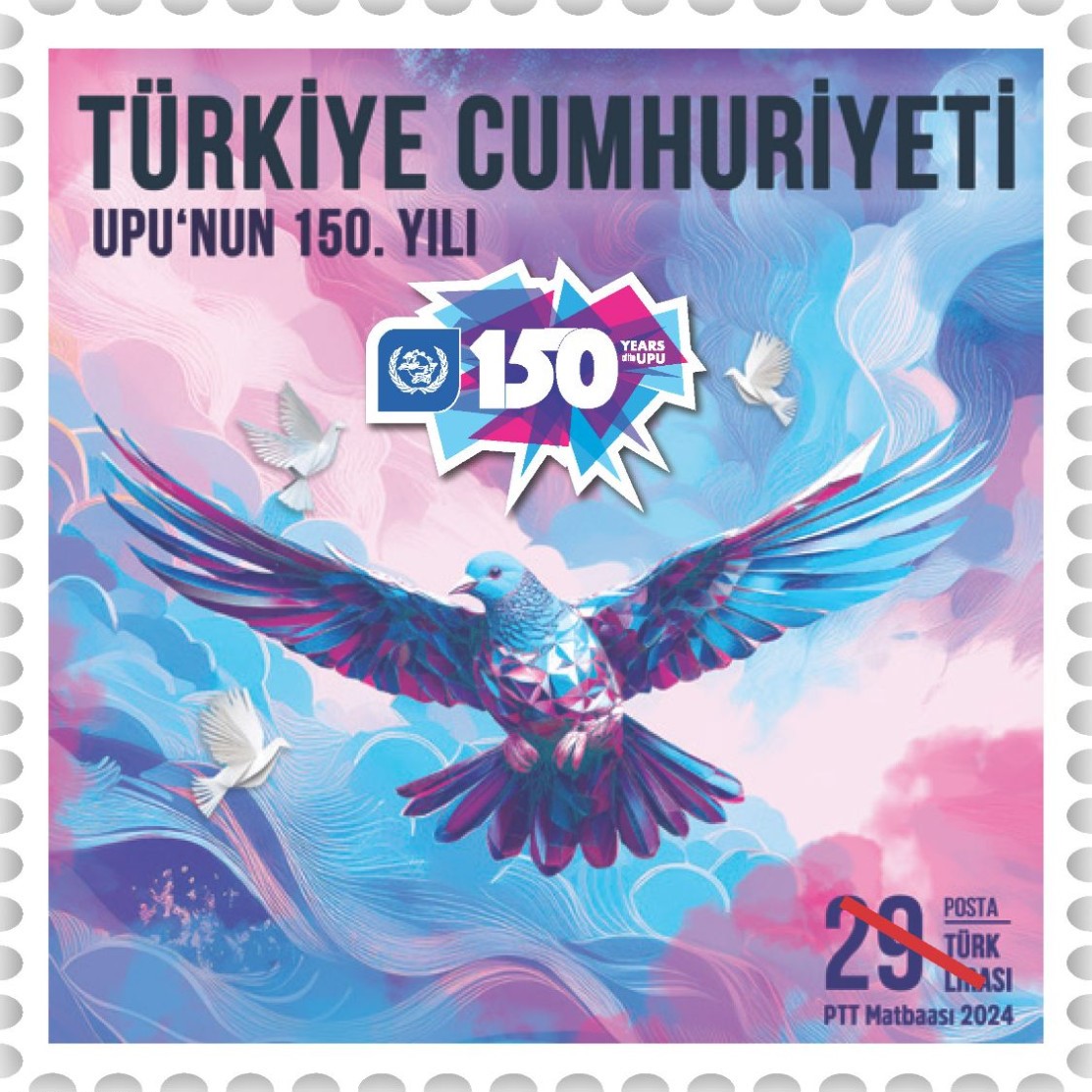
  • C: the countries which use only a part of the design, actually integrating only the “150” logo and add some other illustrations. This logo can appear within the stamp, or on the margin of a souvenir sheet or within a label. Those stamps are also considered as twin or concerted issues of Type [T2] or [C2]
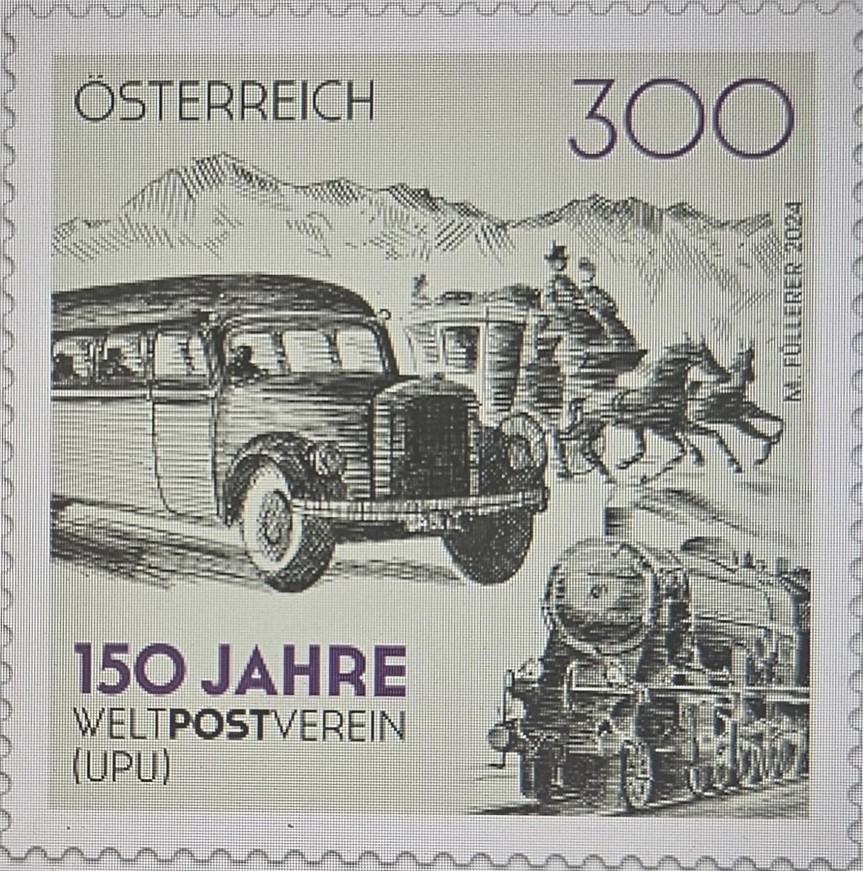
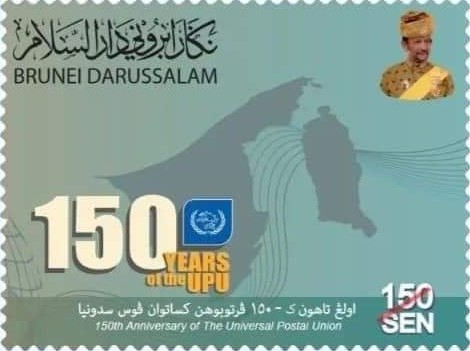
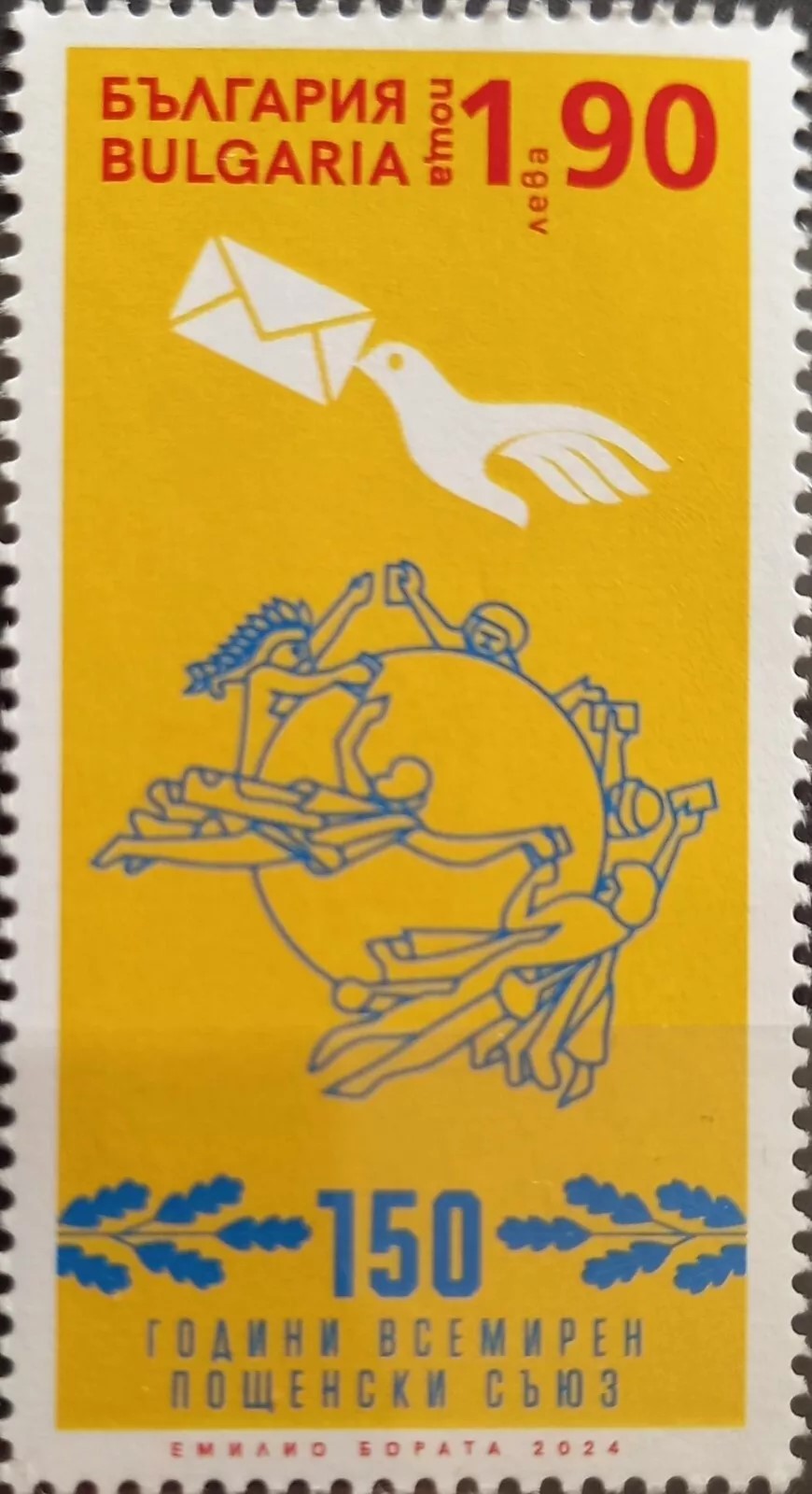
  • D: the countries which use a completely different design, but still issue their stamp(s) around October 9, 2024. This is the equivalent of a Parallel issue [P]. In this case, the original logo may appear on the stamp, but at a size that remains smaller than the half of the surface of the stamp
  • E: finally the countries that do not want to stick to design and date, and work on their own, just referring to the UPU anniversary. These countries are simply listed, without details, as they cannot be considered as joint [N].

We will have again to take care of stamps that are created by agencies that are producing stamps for certain countries but which have been given the freedom to issue stamps without a real control from the reference countries. These stamps are easily recognized by the number of stamps issued in a series and they are produced to fool collectors. In order to better identify these stamps and because they remain real stamps but never reach the originating country, they will be reported in the catalogue, but in italics. In the same way, some other stamps such as the French stamp with a full common logo are of private origin (personalized stamp) that cannot be considered as part of this joint issue either. This will be true for any other privately produced stamp from other countries, if any, and also described in italic characters.

The countries for which we already have information are reported below. If a date between brackets is missing behind the country name, this means that this stamp(s) was issued on October 9, 2024. If the content of the brackets remains empty, this means that the exact issue date is not known yet. A large number of images were provided by Enzo Cafaro (Italy). The following list is of course not yet complete.

Countries of type A (Twin [T1]): Algeria – Andorra (French) (October 10) – Andorra (Spanish) – Armenia – Bangladesh – Belarus – Bosnia Herzegovina (Bosnia) – Brazil – China (PR) – Croatia – Cyprus – Dominican Republic – Greece – Guernsey – India – Indonesia – Ivory Coast – Jordan – Latvia – Lithuania (October 4) – Mauritius – Moldova – Myanmar – Paraguay – Peru – Romania – Sri Lanka – Thailand – Turkmenistan (October 8) – Ukraine – United Arab Emirates

Countries of type B (Concerted [C1]): Argentina (August 28) – Azerbaijan (February 1)Burundi (September)Central Africa (September)Djibouti (September) – Georgia (June 1) – Guinea (September)Guinea-Bissau (September)Liberia (September)Mali (September) – Monaco (May 30) – Mongolia (September 25) – Sierra Leone (September)Togo (September)

Countries of type C (Twin or concerted [T2] or [C2]): Bosnia (Serbia) – Egypt () – France (October 14) – Hong Kong – Hungary (July 24) – Isle of Man (August 30) – Japan – Kyrgyzstan (October) – Luxembourg (September 10) – Macau – Malaysia – Morocco – Pakistan – Portugal – San Marino – Saudi Arabia () – Singapore – Slovenia – Spain – Syria – Tunisia – Türkiye – Uruguay – Uzbekistan () – Vietnam


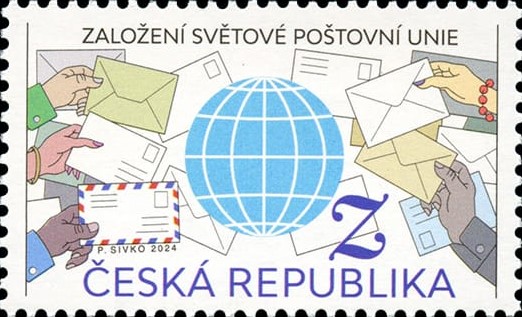
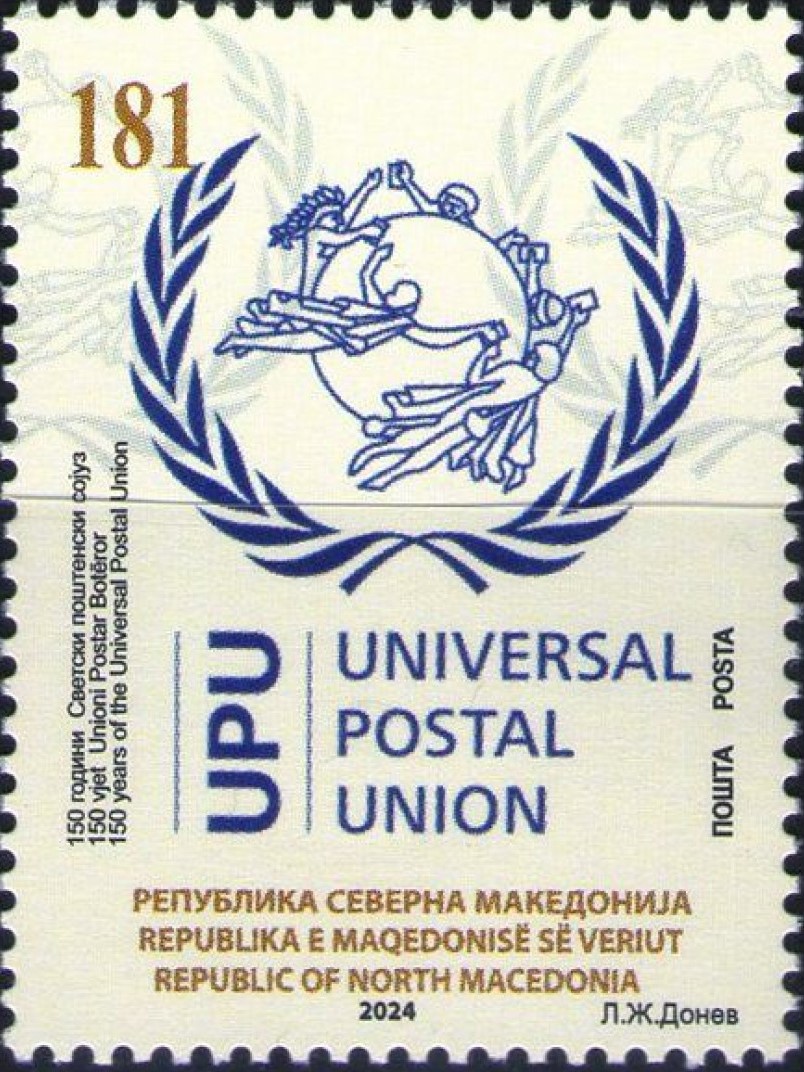
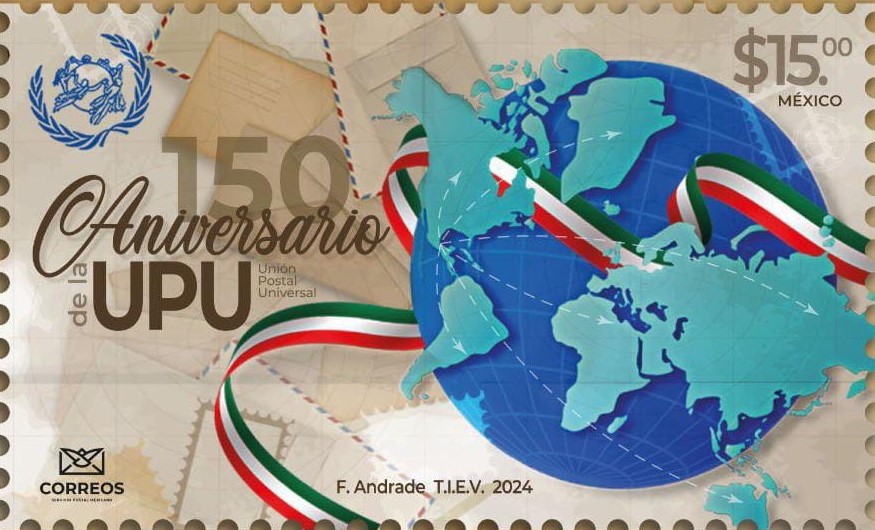
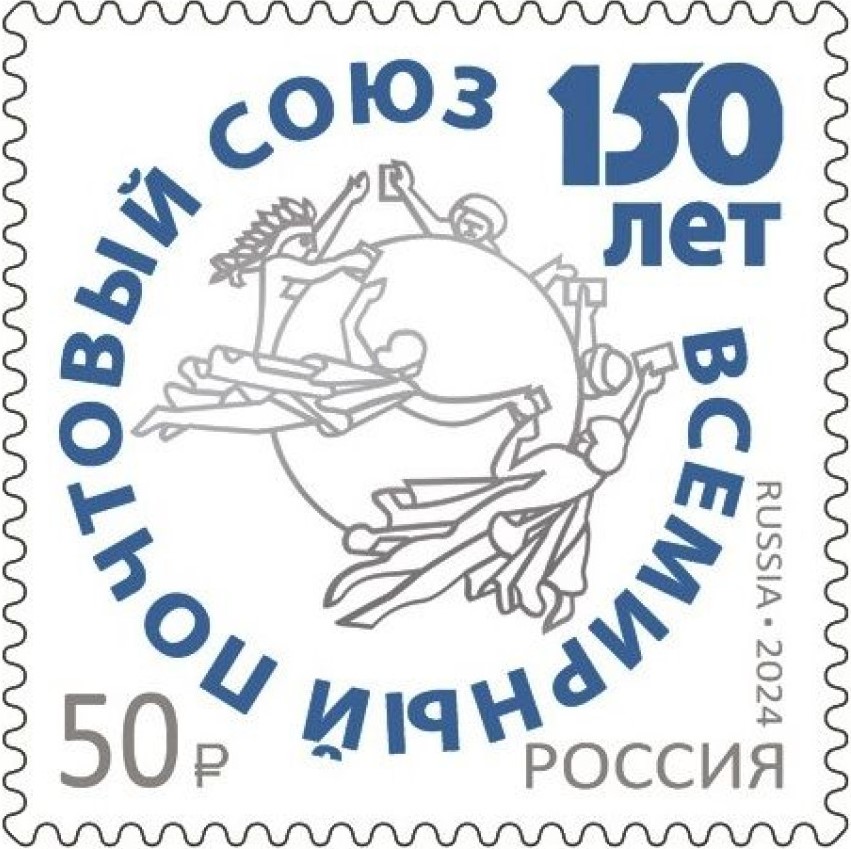
Countries of type D (Parallel issue [P]): Australia (October 1) – Austria (October 4) – Brunei Darussalam () – Bulgaria – Czech Republic – French Polynesia – Germany (October 10) – Macedonia (North) – Mexico – Montenegro – Qatar () – Russia – Slovakia – Switzerland (September 5) – Tajikistan (May) – Vatican (September 16) – Wallis and Futuna


Countries of type E (not considered as joint): Belgium (June 10) – Serbia (May 25) – United Nations – Geneva (May 30) – United Nations – New York (May 30) – United Nations – Vienna (May 30).

So far, 86 countries are listed above to which one has to add 2 postal authorities that have issued stamps that cannot be considered as joint (Type E – United Nations offices are not taken in account as countries, UPU being a sub-unit of the United Nations). The UPU counts presently 192 members, which means information from 106 countries (!) is missing. Obviously there will be an update of this page. A great help is needed here to recover information from other participating countries. We are also missing better quality images for stamps from Ivory Coast and Ukraine. Thanks a lot in advance for providing name of missing countries, exact dates of issue, and when possible illustrations, printing runs, sizes of panels and by-product lists.

The catalogue pages should be updated within the next week.

Egypt Pakistan, finally issued

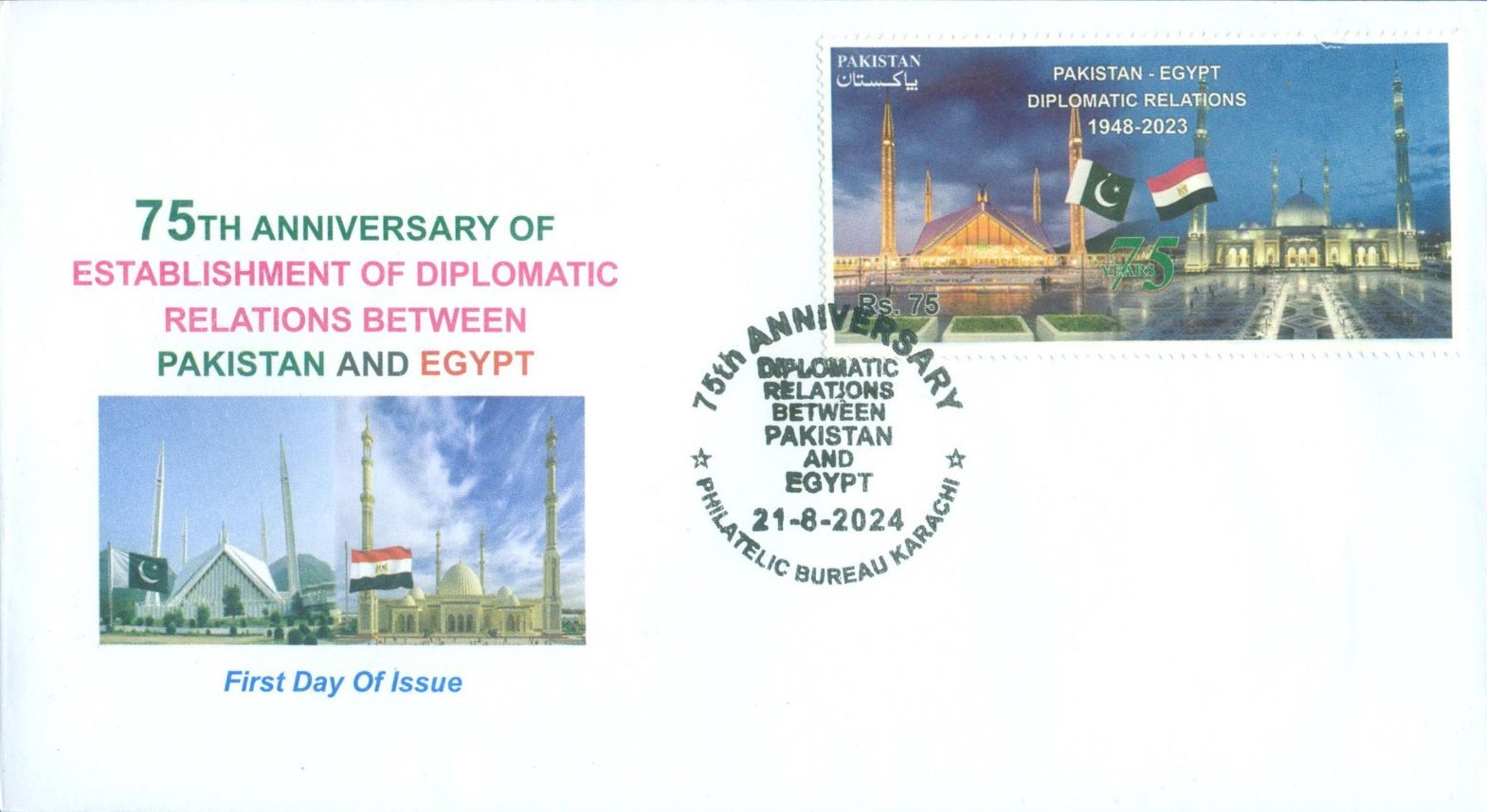
A joint issue celebrating the 75th anniversary of relationship between Egypt and Pakistan (1948-2023) was announced as early as beginning of 2023 and was supposed to be released during the year 2023. Actually, the relationship’s origin can be traced back to 1947 when Pakistan’s founder, Muhammad Ali Jinnah, made a farewell visit to Egypt in response to a special invitation from King Fuad II, shortly after independence of Pakistan on August 14, 1947. Unfortunately, in absence of information, the issue had to be removed from the 2023 issue plan. Very recently, Ehsan Mahmood (Pakistan) provided information that Pakistan had released a stamp at this occasion (August 21, 2024) and at the same time confirmed that Egypt did the same, about a week earlier (August 14, 2024). Both stamps are different, but represent mosques and the flags of both countries. The Egyptian stamp shows the King Faisal Mosque in Islamabad, Pakistan and the Muhammad Ali Mosque in Cairo, Egypt. Pakistan stamp represents also the King Faisal Mosque in Islamabad but the Al-Azhar Mosque in Cairo, Egypt. This issue will be considered as parallel [P20240814]. Egypt issued stamps in panes of 30 stamps [5×6] while Pakistan issued a miniature sheet of 8 stamps [2×4].

Update February 2024

Several new information have been reported over the month of February 2024, some of them even contradicting previously announced issues:

The first and most intriguing is related to the India – Israel joint issue initially scheduled for issue on February 13, 2024. From Uri Barlev (Israel), we learned that everything was prepared by Israel Post Philatelic Service, including printing and cancelling FDCs for release on that date. For some mysterious reason, there was a dispute between Israel and India postal services concerning the date of issue. India Post announced that the issue date would be in the third week of March. Hence, Israel Post withdrew the issue and recalled all distributed material. The Israeli material will be distributed on a new issue date, apparently May 7, 2024, and it is not clear yet if new FDCs will be prepared or the precancelled February ones will be used. No additional information is available from the Indian side.

The April 25th 1974 event was the overthrow of the Estado Novo government in Portugal.  It led to the independence of Angola, Cape Verde, Guinea-Bissau, Mozambique and Sao Tome and Principe.  All those countries could have been part of the joint issue announced by Portugal. Very recently, it was confirmed that only Angola and Cape Verde will join Portugal in this new issue scheduled for April 2024. Exact date is not known yet, but it could indeed be the anniversary date of April 25, 2024.

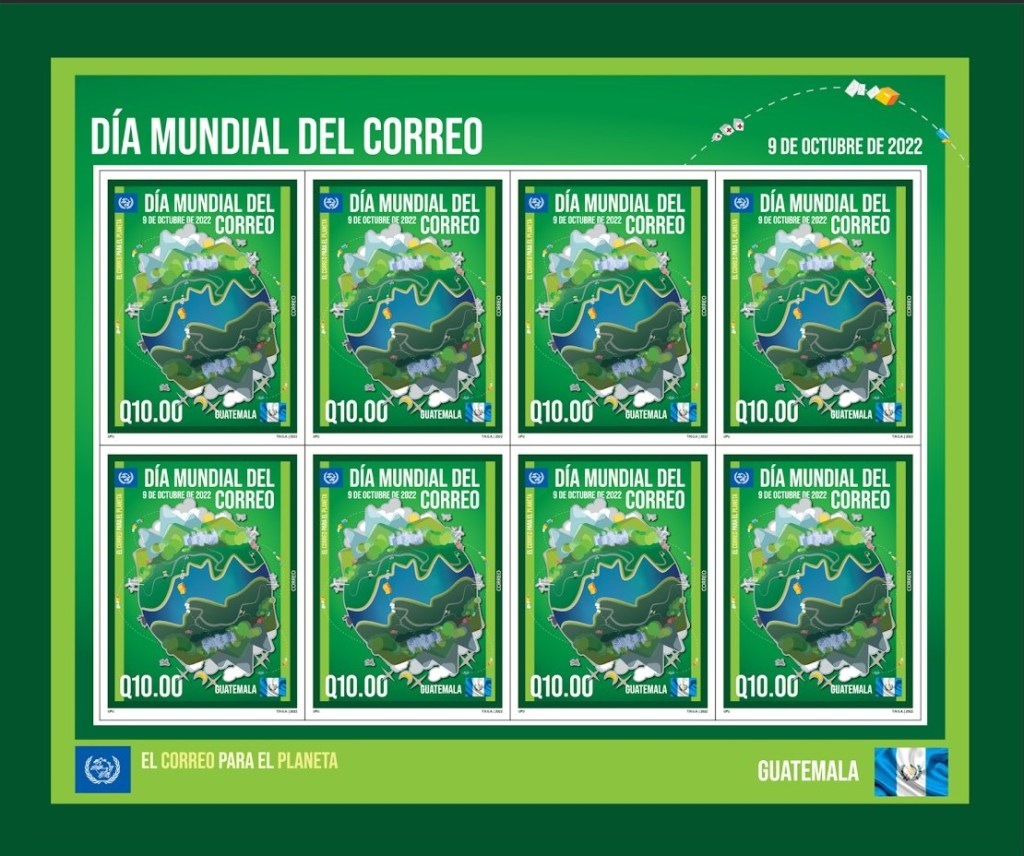
Stefan Kepic, Slovakia discovered an additional 2022 October 9 World Post Day stamp with identical design issued by Guatemala on February 28, 2023 in miniature sheets of 10 stamps (now reported under [T20221009]).

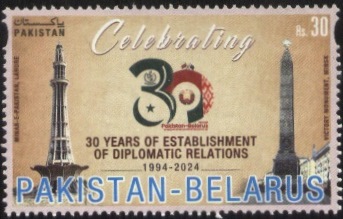
Ehsan Mehmood (Pakistan) reported information about products linking Belarus and Pakistan celebrating the 30th anniversary of their relationship. Pakistan issued a stamp on February 3, 2024 while Belarus issued a postal stationery (cover) on March 1, 2024 with first day cancellation on March 4, 2024. Designs are different and there is no hint from both postal administrations that these products have been created jointly. Therefore and unfortunately we cannot recognize them as joint.

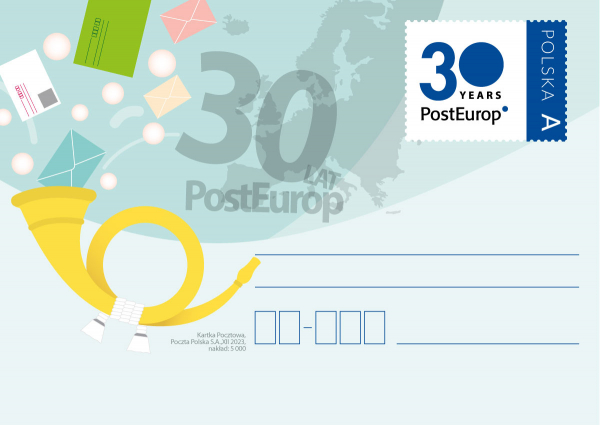
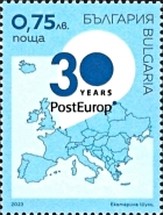
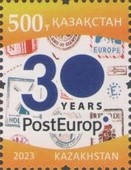
During the year 2023, PostEurop celebrated its 30th anniversary. Some countries had issued during the year stamps using an identical logo provided by PostEurop. Information was collected about such issues but we had to come to the conclusion that the countries having celebrated with stamps this anniversary have not done it in a coordinated way and therefore all these stamps cannot be considered as joint. For those still interested in these stamps, here is a list of countries having participated during the year 2023: Azerbaijan (July 10), Bulgaria (September 12), the Faroe Islands (October 23, logo on a stamp showing waterlilies), Kazakhstan (November 20), Moldova (May 20) and Serbia (September 5). The Isle of Man (July 5) added this logo on a their 2023 Europa stamp, while Poland (December 1) and Romania (August 31) have both issued a postal stationary. This list may not be complete and any additional information is welcome.

2002 Japan joint issue revisited

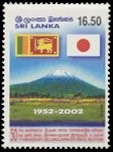
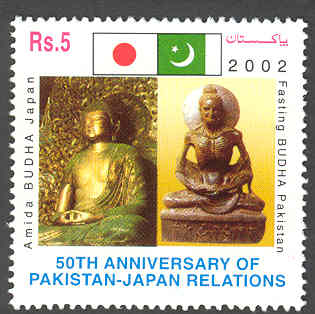
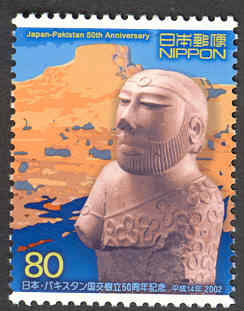
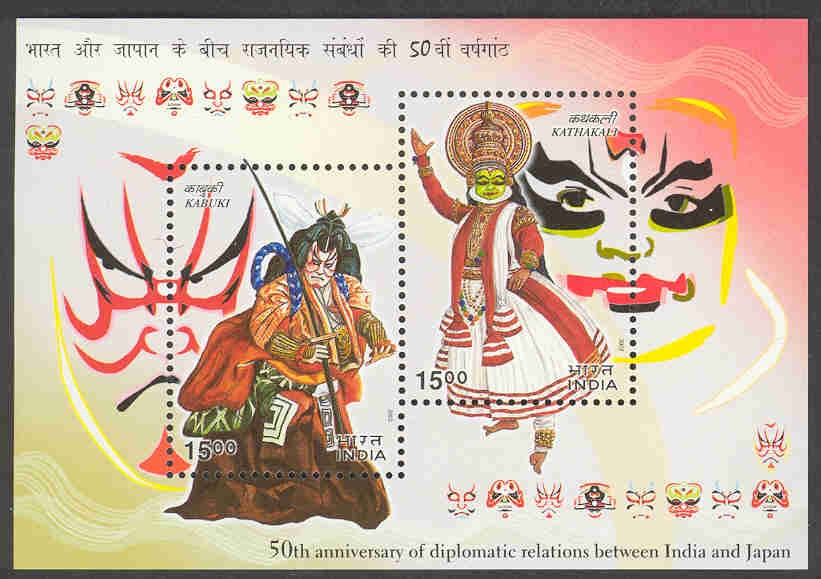
For few months now, there is a discussion going on if the stamps issued in 2002 by India Post and Japan Post with the title “50th Anniversary of Diplomatic Relations between India and Japan” is really a joint issue or not. 

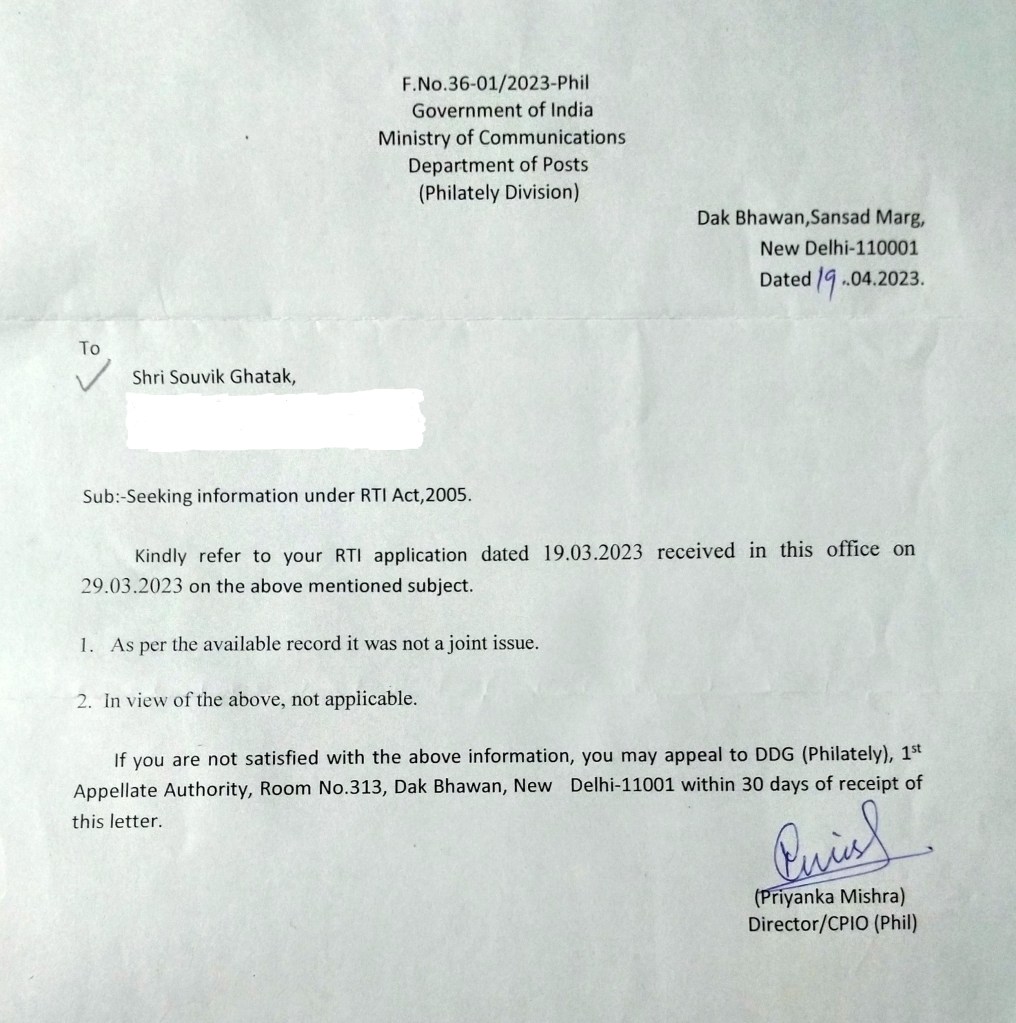
Our friend Souvik Ghatak (India) filed an application to India Post under the Right to information (RTI) act of 2005. He asked them, to confirm the joint issue status and to provide a copy of memorandum of understanding signed between both postal departments.

Indian Post provided the following information about the issue presently referenced in the catalogue under [P20020412a]: 1) This is not a joint issue and 2) since it was not a joint issue they could not provide a copy of memorandum of understanding between India Post and Japan Post (see copy of answer below). 

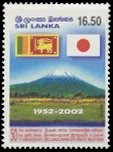
Thank Souvik for providing this information confirming this is not a joint issue. As a consequence, it will also apply to all other stamps issued on April 12, 2002 by Japan Post and involving Bangladesh [P20020411], Pakistan [P20020412a] and Sri Lanka [P20020412c].

Actually, in the catalogue, these issues appear already with the mention ‘controversial’ and the classification PX, which stands for doubtful. Accordingly, the wording in the catalogue will be modified and eventually these series will be switched from PX to N section. The stamps will remain described in the catalogue as numerous collector do own them already, but as for all the ‘N’ (non-accepted) joint issues, the collectors have to decide if they want to keep them within their Joint issue collection. The catalogue will just tell them the real status of these issues, which will now respectively be [N20020411] for Bangladesh-Japan, [N20020412a] for India – Japan, [N20020412b] for Japan – Pakistan and [N20020412c] for Japan – Sri Lanka.

Joint celebrations of diplomatic relationship does not necessarily mean that the stamps issued at this occasion are joint. The joint character comes from the will of both administrations to work together on a specific topic. Administrations define date of issue and design. However, even if discussions have started, administrations may finally decide that they will not issue the stamps jointly, resulting in absence of common stamps, no exchange of products, no common joint FDCs, etc. even if the topic remains the same.

There are several countries issuing regularly diplomatic relationship stamps without any connection with the other country. Brazil for example, is issuing several times a year, stamps related to other countries and very seldomly transforms them in a joint issue. These isolated stamps are not even to be considered as unilateral issue, as this vocabulary applies only in the case production of stamps eventually failed for any reason on one side.

Japan 2002 questionable Joint Issue

Upeka Indeewary from India did ask: “The joint issue catalogue describes a joint issue from the year 2002 involving Japan and four other countries, namely India, Bangladesh, Sri Lanka and Pakistan. It appears that in Japan this issue is not considered as joint. Can you clarify? “

Indeed this joint issue could be considered as questionable. In the catalogue Vol 8, it is already described under four different entries [P20020411 and P20020412a-c]. While Japan issued all stamps the same day, April 12, 2002, the four other countries’ stamps from India, Bangladesh, Sri Lanka and Pakistan were released with 1 to 14 days interval..

None of these countries claim a joint character, and indeed we also had some questions regarding the true status of this issue. This is the reason why these issues are filed in a category called [PX] and the catalogue uses specifically the word ‘controversial’ to describe them (See also in Catalogue Vol I for the definition of [PX]).

It happens some time that even in case of same data and same design, stamps were issued by two countries with one denying the joint issue status. In fact, in almost all these cases, and this Japanese stamps probably included, a first contact between the authorities took place and topic as well as day of issue were agreed. But during the process, it came to a disagreement and finally each country decided to pursue on its own. For this reason, considering at least the situation of starting the collaboration, we report such stamps in the catalogue.

Obviously, it was not per chance that all four countries came together with Japan and launched almost at the same date each a stamp with the same topic (not the same design) also appearing on the Japanese stamps (relationship). We leave to the collector to decide if such items have to be include or not in their own collection. If these stamps are not described in the catalogue, other collectors would ask why such series are not reported. The [PX] status became the alternative. In any case, present or not in the catalogue, questions would arise. It is possible to definitely state about these Japanese stamps, if someone can bring the real story behind the creation of these stamps.

Can someone help here?

Pakistan -Thailand 2021 last minute

Don Birschel (USA), Kenneth Sequeira (Dubai) and Adam Paish (UK) provided at the same time the latest information of the year 2021 from Pakistan which devoted on December 31, 2021 a stamp related to the 70th anniversary of the relationship with Thailand. Two stamps have been issued in panes of 20 se-tenant pairs and represent Buddha heritage. Actually, these stamps are joint of identical stamps issued by Thailand on November 15, 2021 and that remained unnoticed so far. Thailand issued miniature sheets of five pairs of se-tenant stamps. as such, this joint issue is reported in the catalogue (Vol XIV) as a concerted issue [C20211115].