Catalogue 2025 updated

The new catalogue of Joint Stamp Issues 2025 is now on line with the section of the stamps issued during the year 2024 fully updated. In order to keep an average of about 100-130 pages per volume facilitating a quick downloading, the year 2024 needed to be separared from the 2022-2023 period (Volume XV) and a new volume numbered XVI, containing years 2024-2025 was created.

This new updated catalogue, the 2025 version in 16 volumes, has now reached 1,900 pages. It contains over 2,280 entries among which more than 1,580 can be considered as true joint issues (unique, se-tenant, twin, concerted or parallel). It describes in total more than 16,100 items, and it is illustrated with above 8,900 pictures, providing also more than 35,100 quotations. This upgrade allowed also to make a comparison of the evolution of the number of issues of joint stamps for statistical purpose, which leads to a graph looking as follow:
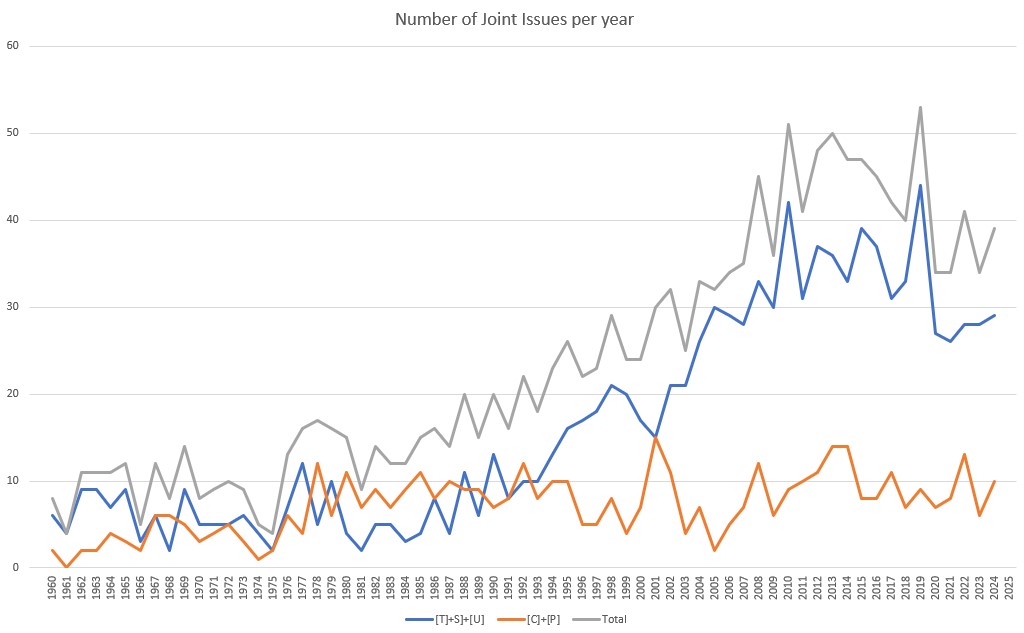
It appears that after a strong progression over the years 1980-2010, the number of new yearly issues reached a kind of plateau over the past 15 years, with an average of 40 issues per year. The progression affected only the twin joint issues while the number of parallel/concerted issues remained stable over the past 50 years. However, the number of different products for each issue such as additional souvenir sheets, booklets, miniature sheets or mixed cancelled products, or the number of total stamps per issue did progress as well. In parallel, we have also to observe that the number of abusive joint issues (issues involving a high number of countries not fully controlled by the local postal administrations, but printed centrally) has increased. We will still continue to identify those issues separately, and even if we continue to have them described in the catalogue for the sake of completeness (gray color and italics characters), it will remain up to the individual collectors to decide if they want to include and purchase them. Typically, these stamps will not gain value over time, will be difficult to resell and are usually not accepted in exhibitions.

Joint issues are a mirror of the political state of the world. The increasing number of conflict situations is not in favor of a progression of the number of joint issues. Several planned issues were cancelled during the past five years, due to political concerns. My wish for the next year(s) is to be able to report soon a first joint issue e.g., involving Israel and Iran, North and South Korea or Ukraine and Russia, which would become the best sign of a progression toward world peace.

Among the major improvements, note that at least 25 new items describing mixed FDCs have been added over the period 2021-2024. We own a huge thank to Jaap Sarelse (The Netherlands) for his great work and time spent over the past 30 years in providing this information, finding the items and even trying to create such mixed products whenever possible. The existence of mixed first day cancelled products remains the ultimate proof of the joint character as both postal administrations must have agreed for the production and existence of such items.

On top of the additions of new 2024 issues described in previous blog pages, one has to note the following:

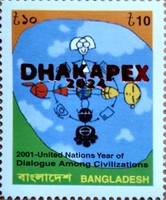
On September 14, 2024, Bangladesh re-issued an older stamp from 2001 with a handstamp “DHAKAPEX”. This issue is now described in the catalogue under the original stamp heading [T20011009] together with all the other stamps of the same series. This gave the opportunity also to update the texts and images of these stamps in the catalogue as this entry was only partially illustrated. As much as 75 new images over three pages were introduced to illustrate this entry.
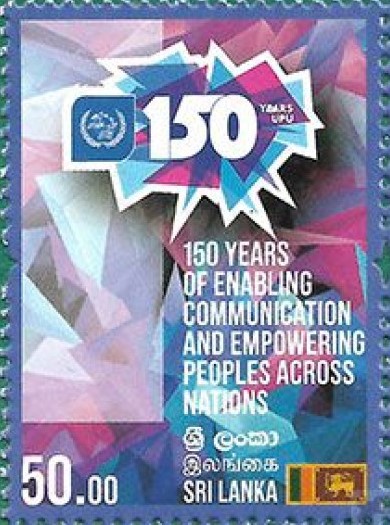
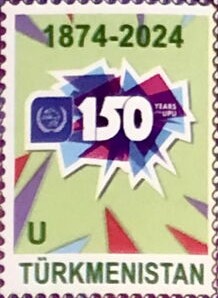
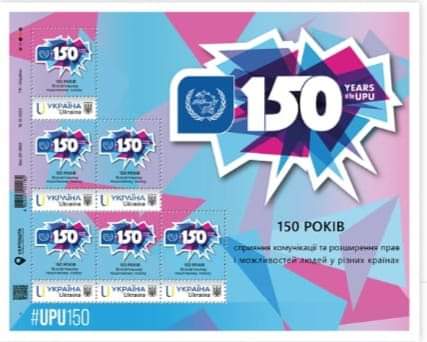
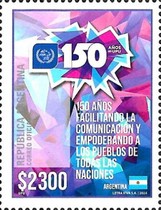
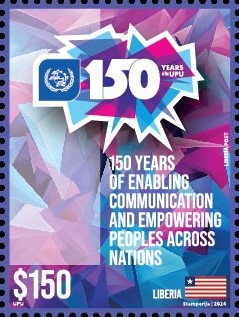
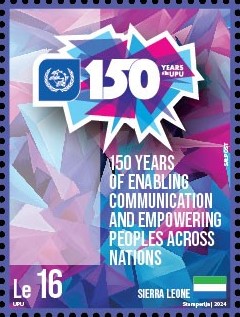
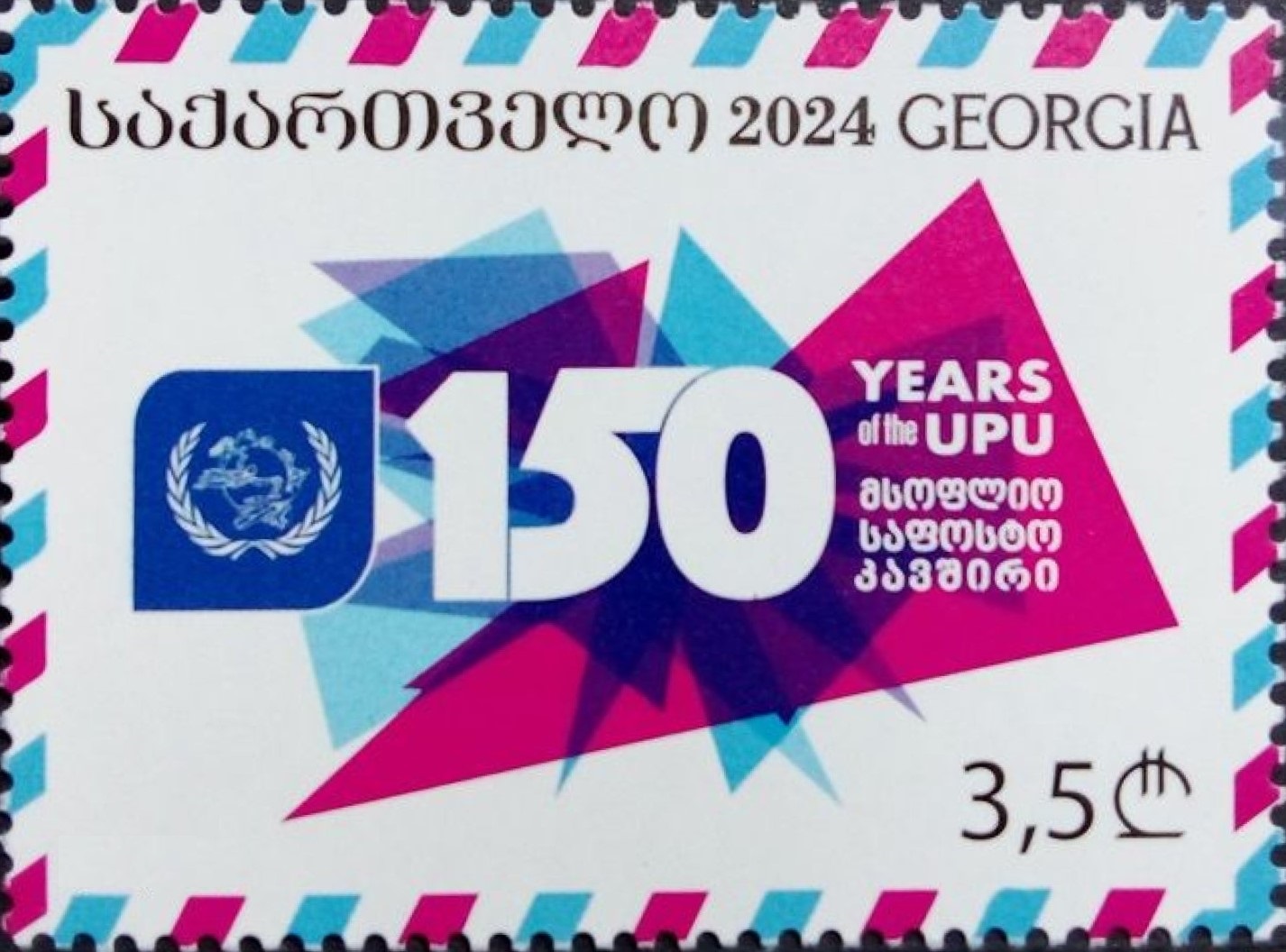
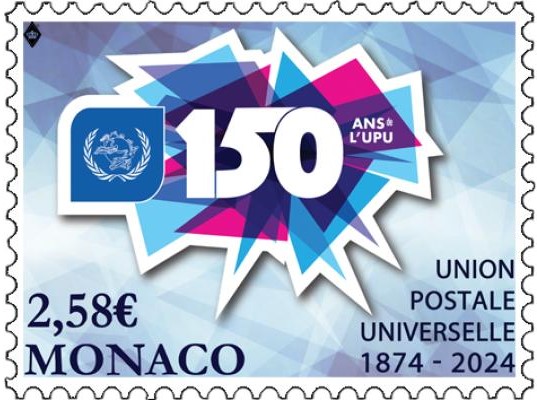
The International Telecommunication Union (ITU) is celebrating during the year 2025, its 160th anniversary. The UPU did send on October 28, 2024 a circular to all its members, asking that if they want to commemorate this anniversary, they can use the new logo of the event. The way this letter is presented clearly shows that this is not a call for a joint issue. So, at this stage and in absence of further notice, stamps that will be produced during the year 2025 and bearing the below logo will not be considered as joint, as they are simply commemorative stamps based on individual initiatives.

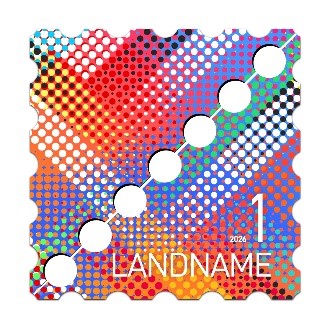
On the contrary, the design of the 2026 PostEurop stamps to be issued at the occasion of the 70th anniversary of PostEurop, was released by beginning of January 2025. A common stamp will be used at this occasion, based on a contest that a Finnish group did win.
One has also to note a small modification regarding the December 20, 2021 issue involving Colombia and Mexico. The Mexican stamps were issued on December 20, 2021, but the Colombian stamp became only available on January 25, 2022. However, it appears that the Colombian FDC and the mixed FDC are still cancelled from December 20, 2021. This issue which was initailly considered as a Concerted one under the heading number C20211220 is now reported as the twin issue T20211220.

The same modification affected the stamps issued on October 16, 2023, involving Vietnam and India. Small amounts of Vietnam stamps became available at one post office at the original day of issue (April 28, 2023), but stamps were retrieved after sale of the first batch of 4,000 units. India announced three times the release of their stamps until they became eventually available on October 16, 2023. These delays led to consider initially this series as Concerted. However, the mixed FDC of this issue is cancelled with dates from October 16, 2023 for both countries and therefore these stamps are filed as twin [T20231016]. Covers with Vietnamese stamps cancelled before October 16, 2023 are rarities.
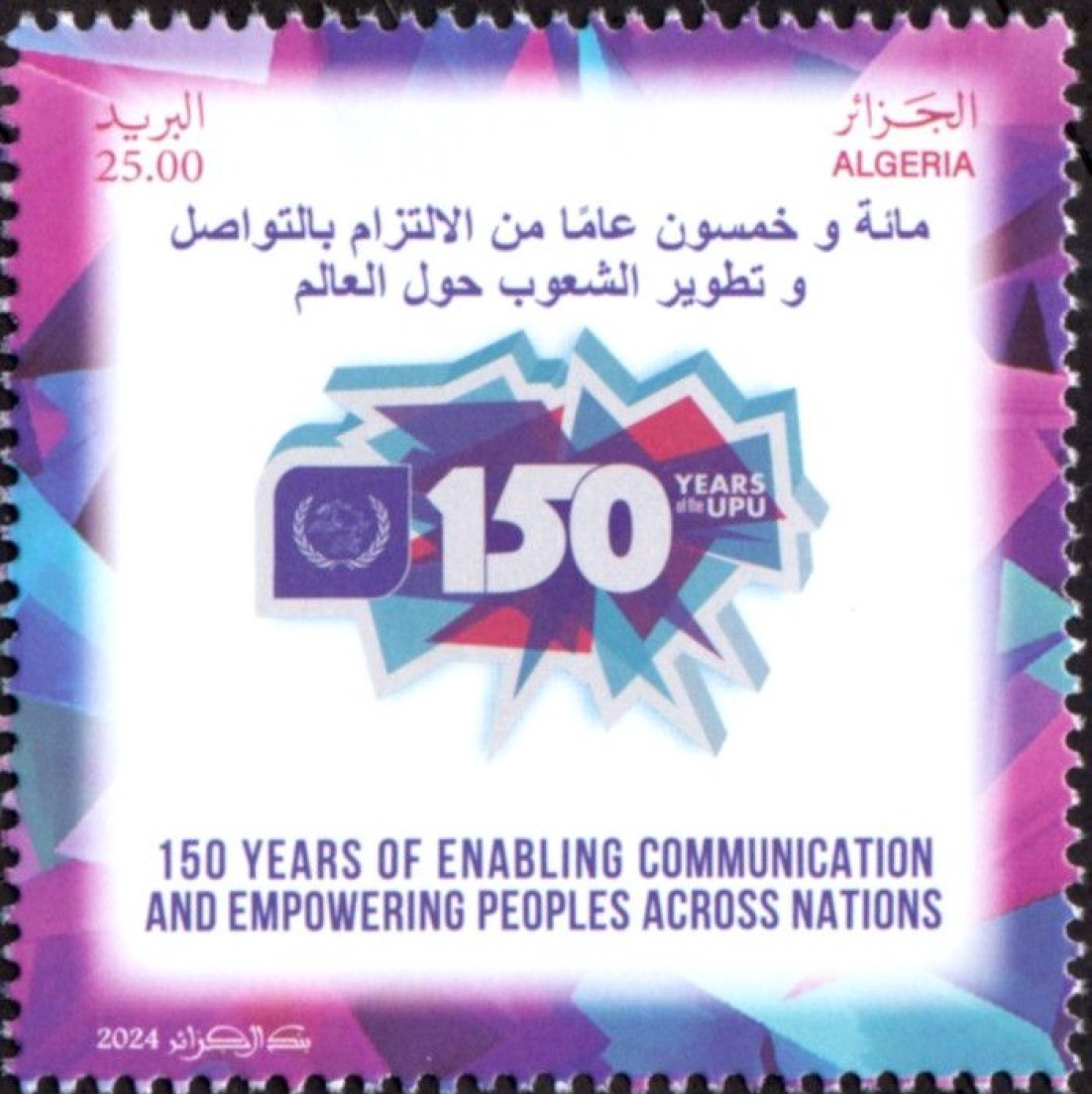
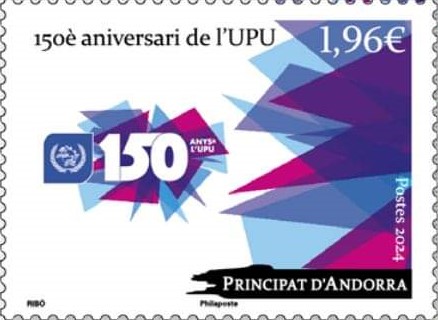
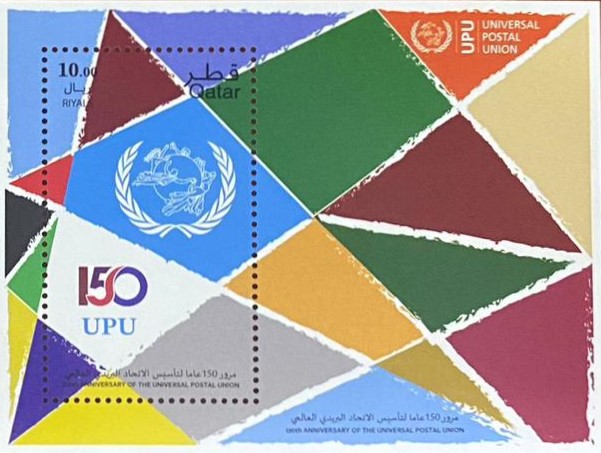
UPU 150th anniversary

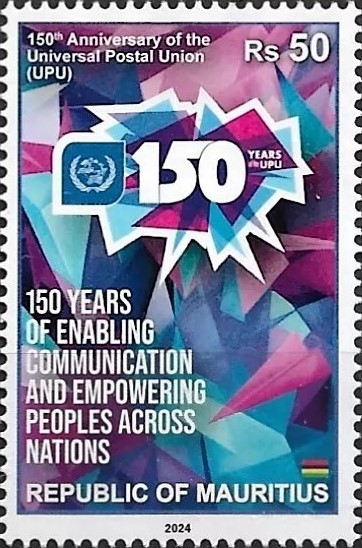
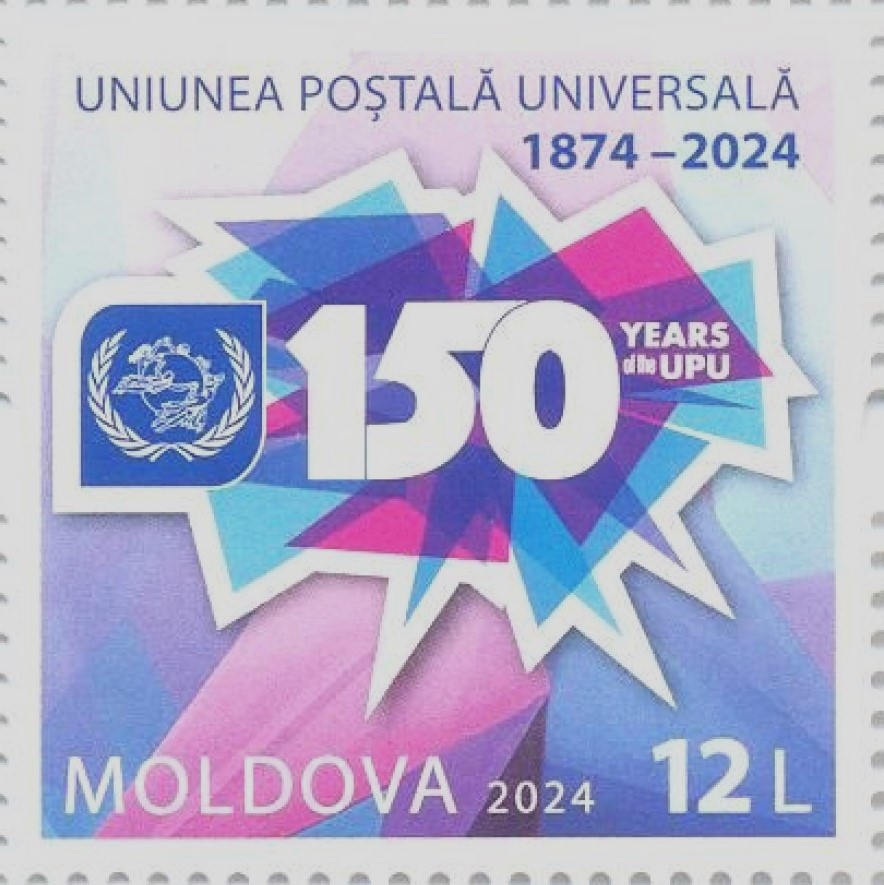
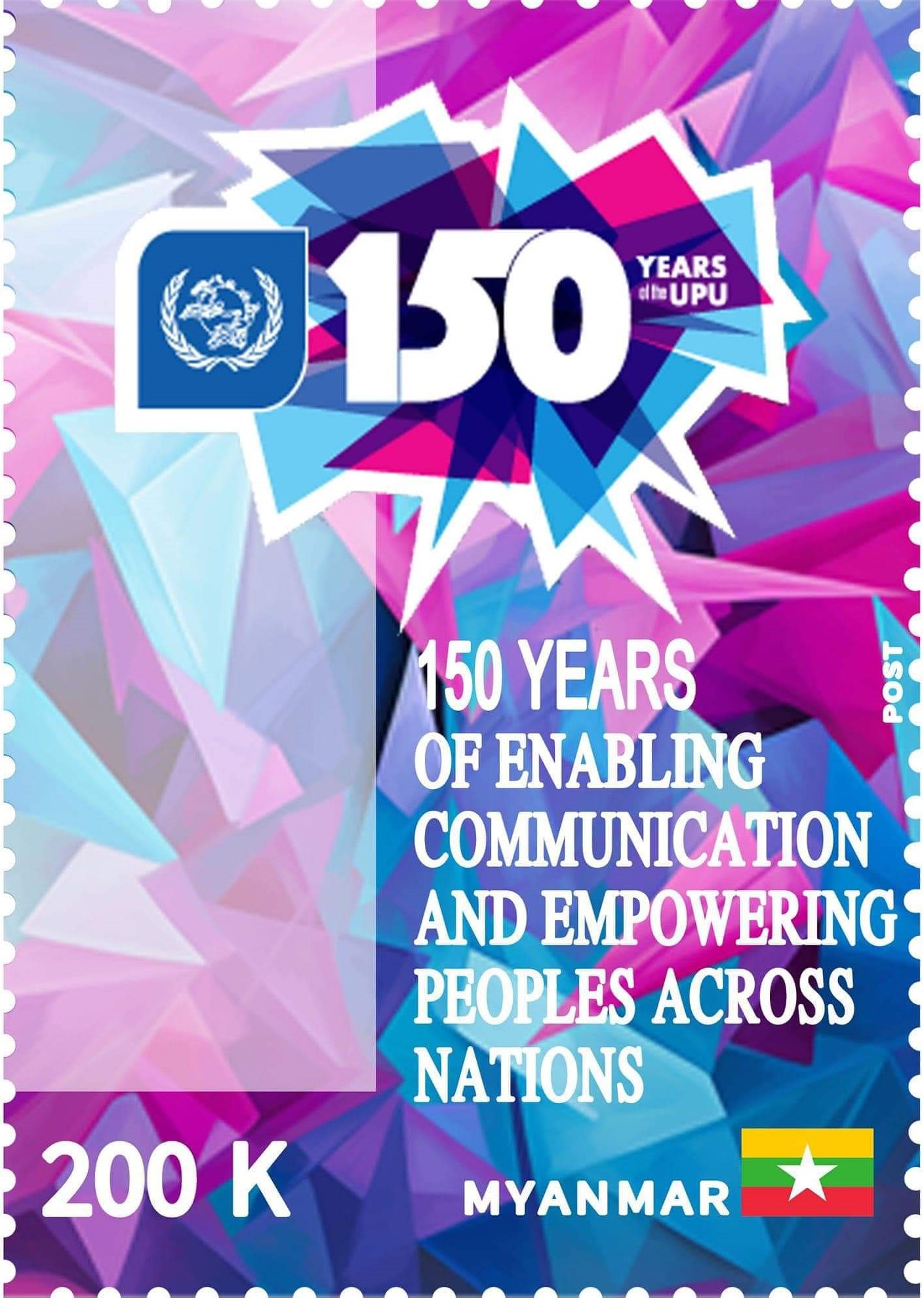
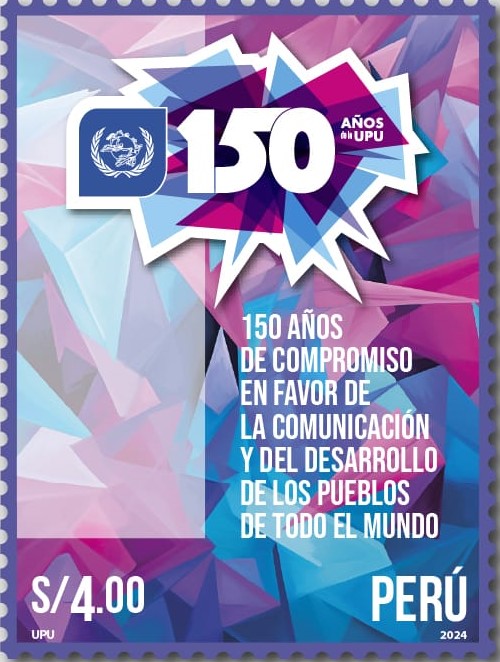
The Universal Postal Union (UPU) is a specialized agency of the United Nations (UN) that coordinates postal policies among member nations and facilitates a uniform worldwide postal system. It comprises 192 member states and is headquartered in Bern, Switzerland. It was established on October 9, 1874, exactly 150 years ago.

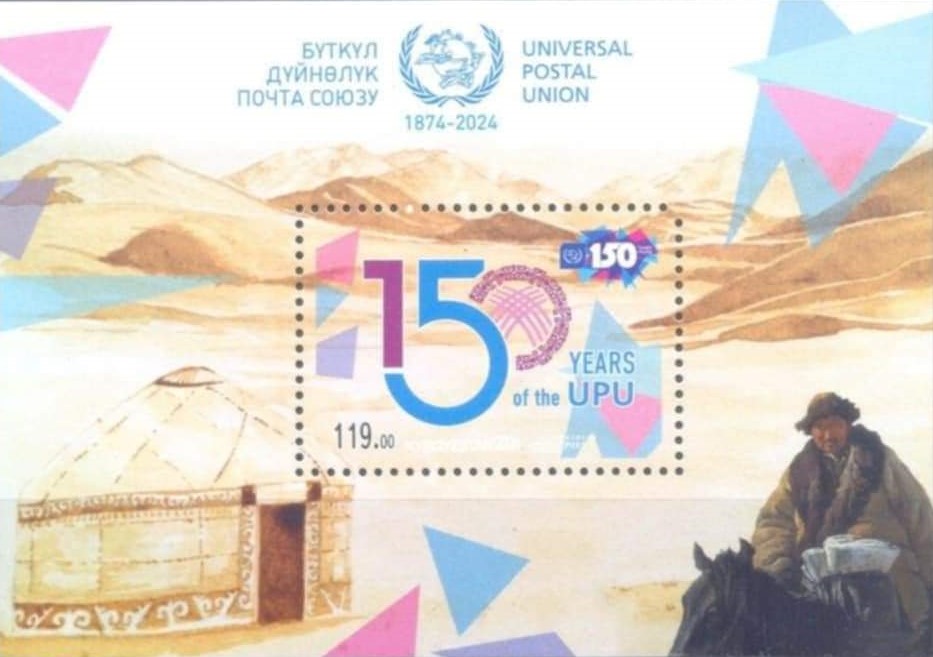
Since more than one year, we know that this anniversary will be celebrated with a stamp which common design was proposed by UPU. In the past, the 75th (1949) UPU anniversary was celebrated, but in a non-coordinated way, mainly by colonial entities (British, Dutch and French – D19490704, D19491001, D19491010, D19491018) and the 100th (1974) anniversary with stamps that remained different for all participating countries (N19741009). The same situation happened in 1999, with absence of concertation for the 125th anniversary celebration (N19991009). Eventually, so far, only the 145th anniversary in 2019 (T20191009b) could be considered as a Twin issue.

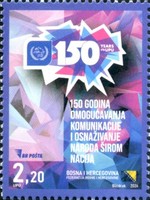
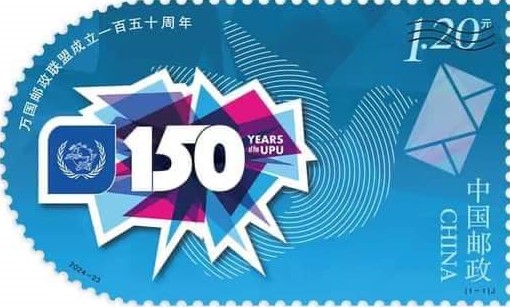
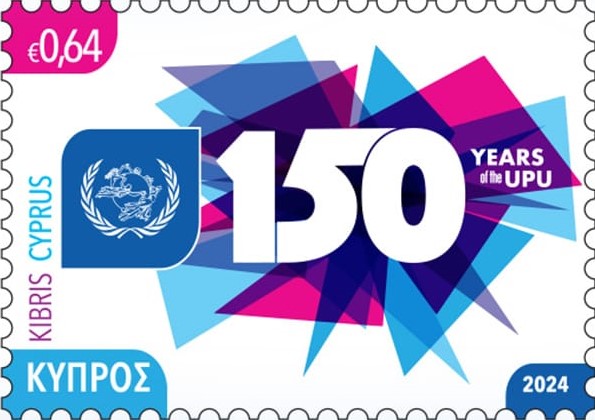
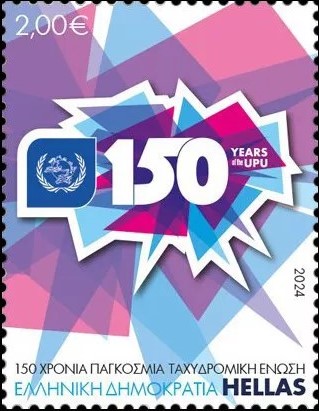
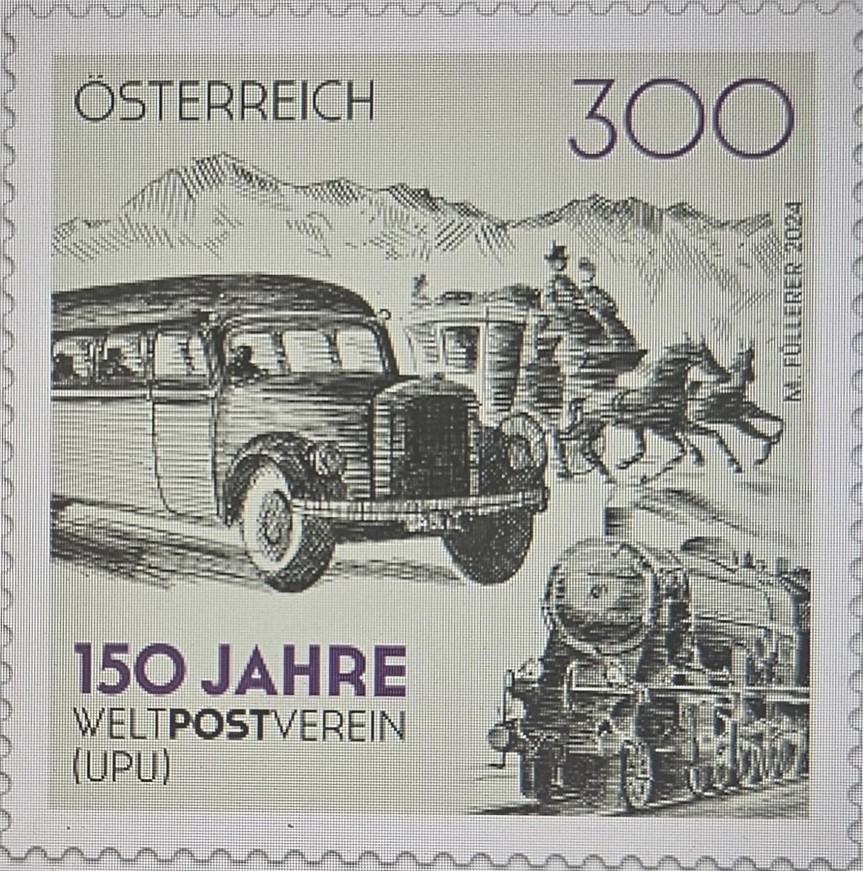
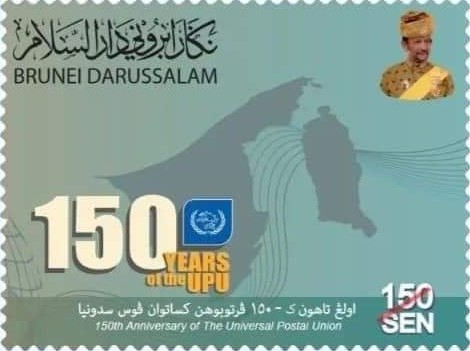
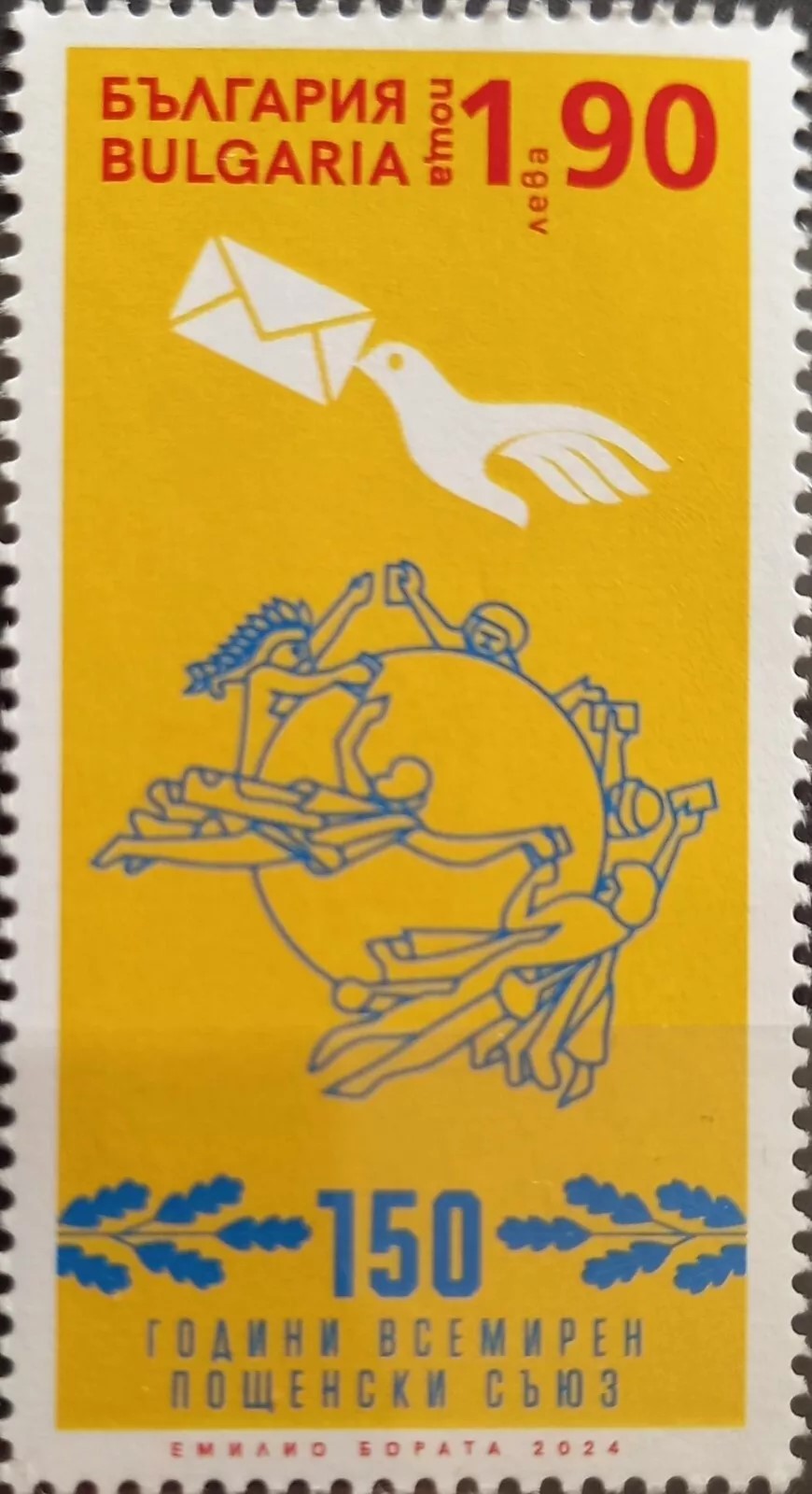
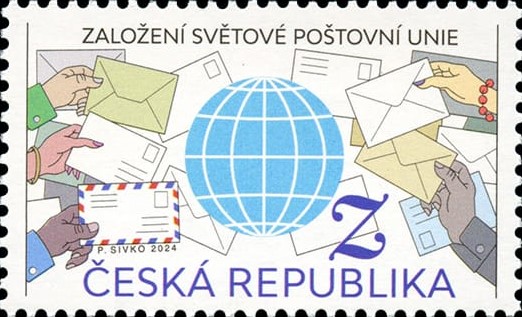
During this year of 2024, a very large number of countries are participating. In the strict sense, this has to be considered as a true joint issue, even if there was no real cooperation between countries, but a proposal of a design accepted by most of them and translated in a locally adapted stamp, for a large part of them issued at the anniversary date. It is not an Omnibus series, as Omnibus is defined by a central printing, not by the large number of participating countries. The 2024 stamps will be reported in the catalogue as a Twin issue under [T20241009]. It is easily understandable that some joint issues collectors do not integrate such large series in their collection, in the same way Europa-CEPT stamps are not acceptable for them. Each individual collector has to decide on the basis of the following.

In the catalogue, the countries will be divided in subgroups:

  • A: the countries which take the exact original design proposed by UPU and issue the stamp(s) on October 9, 2024 (or actually around this date, plus or minus a week, roughly between October 1 and October 17, 2024), according to the definition of a twin issue [T]
  • B: the countries which take the exact original design but issue the stamp at a different date. It should not be surprising if some countries may issue their stamp in 2025 or even 2026. This is the equivalent of a Concerted issue [C]
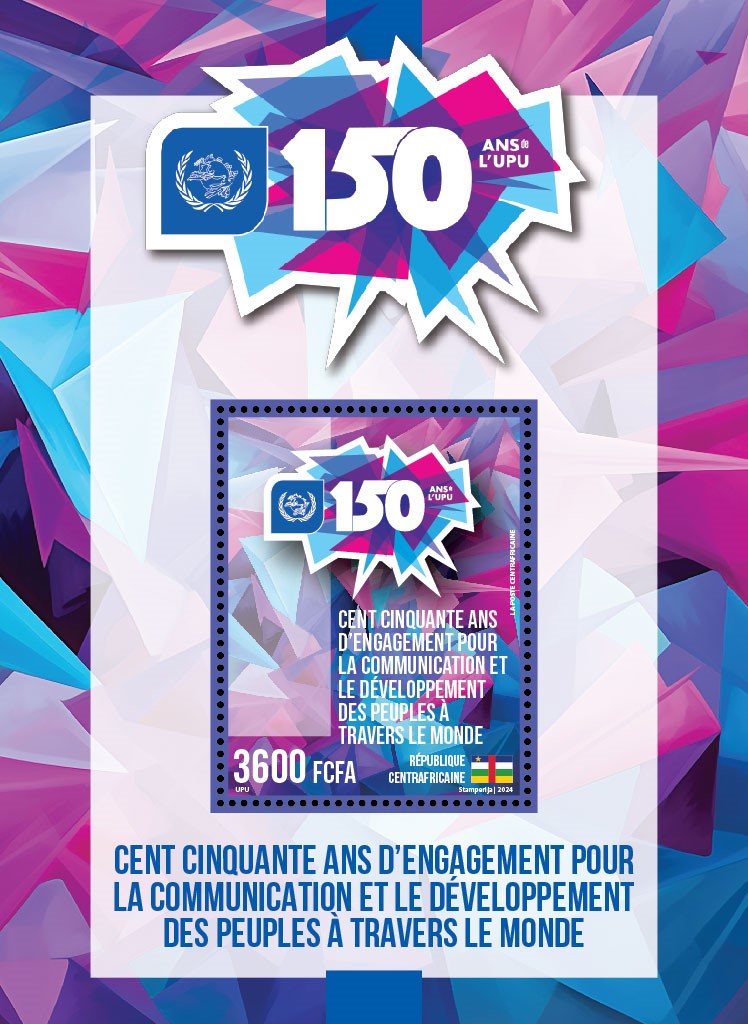
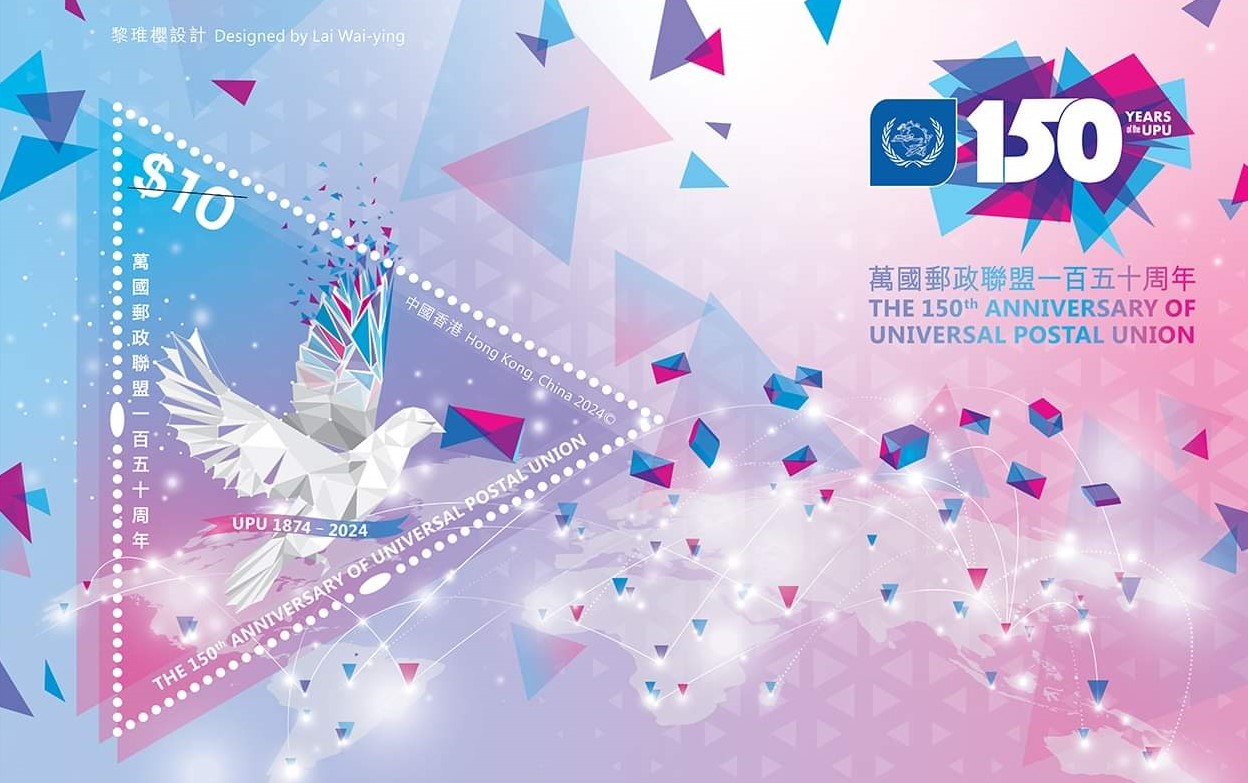
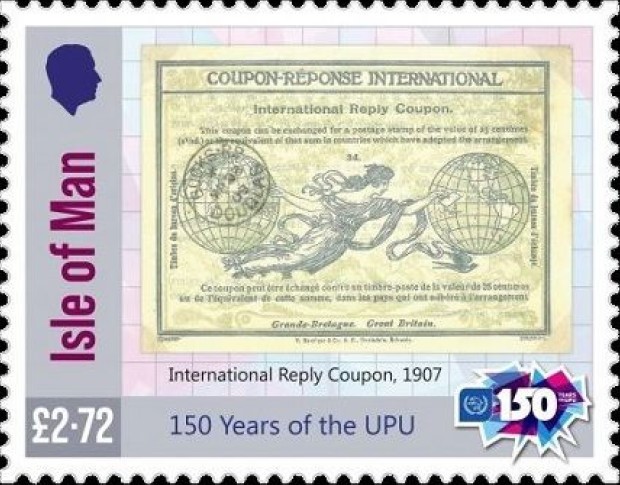
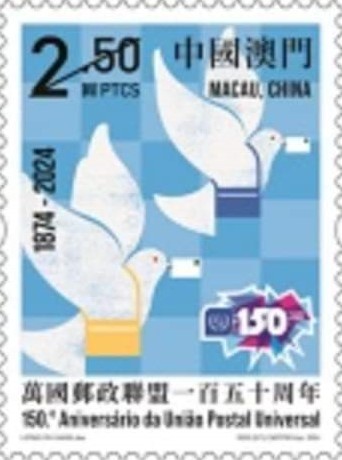
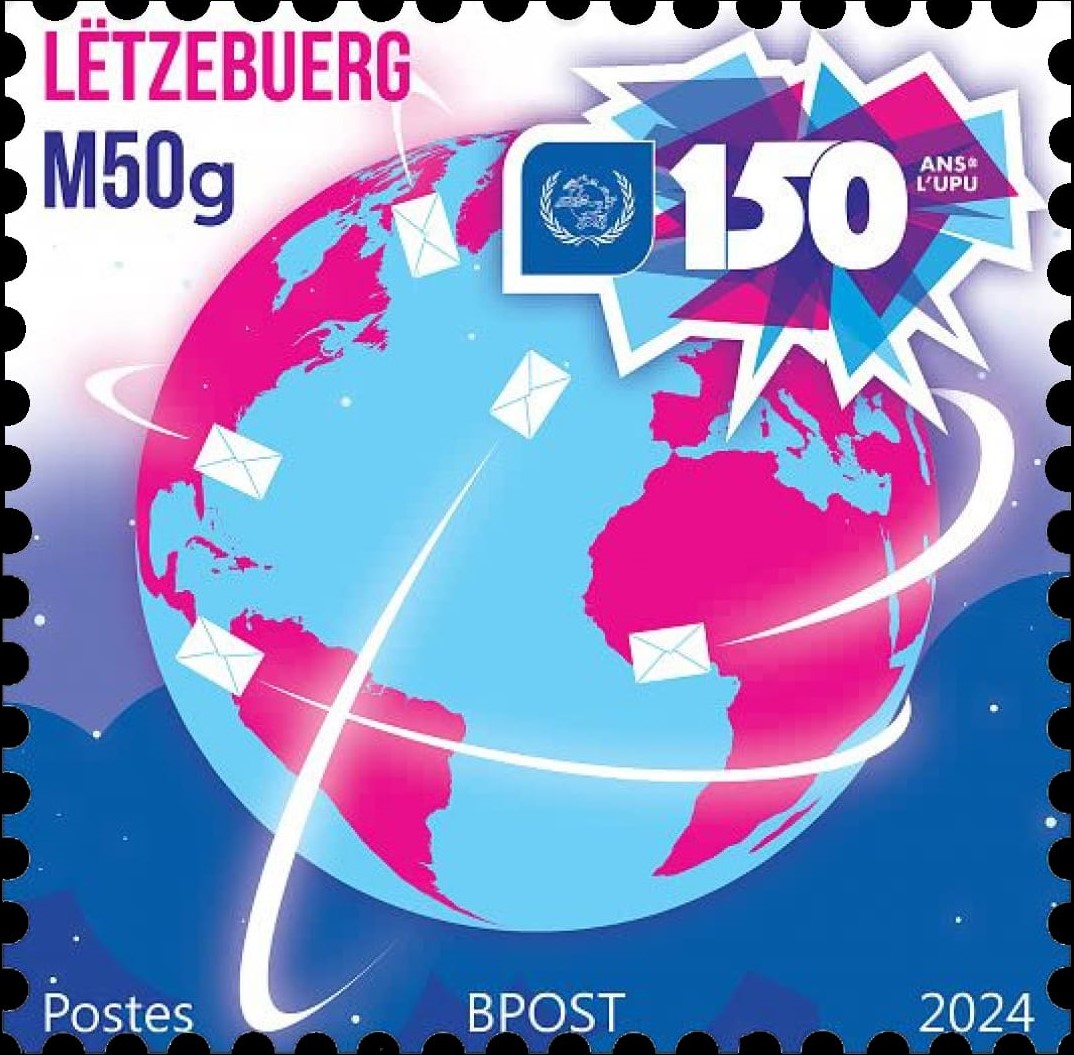
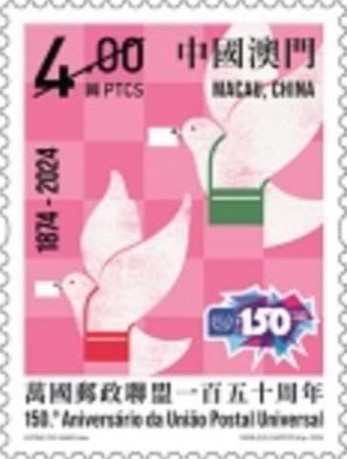
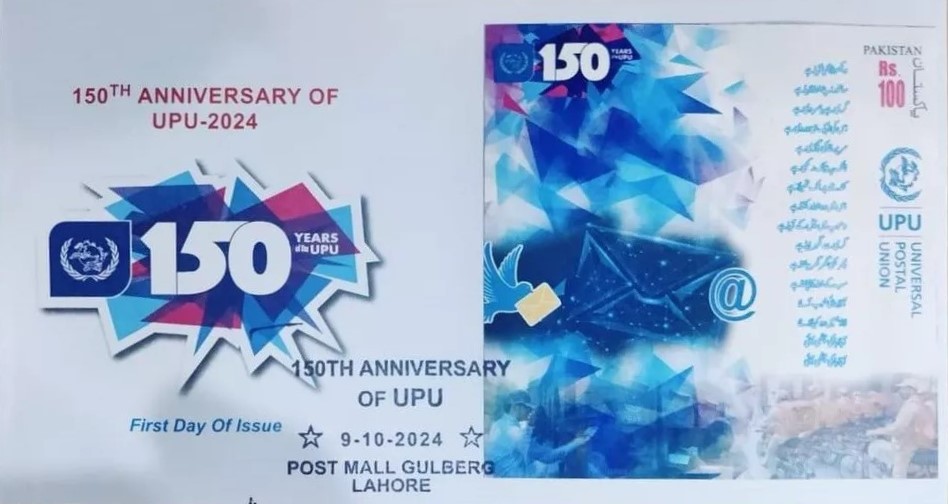
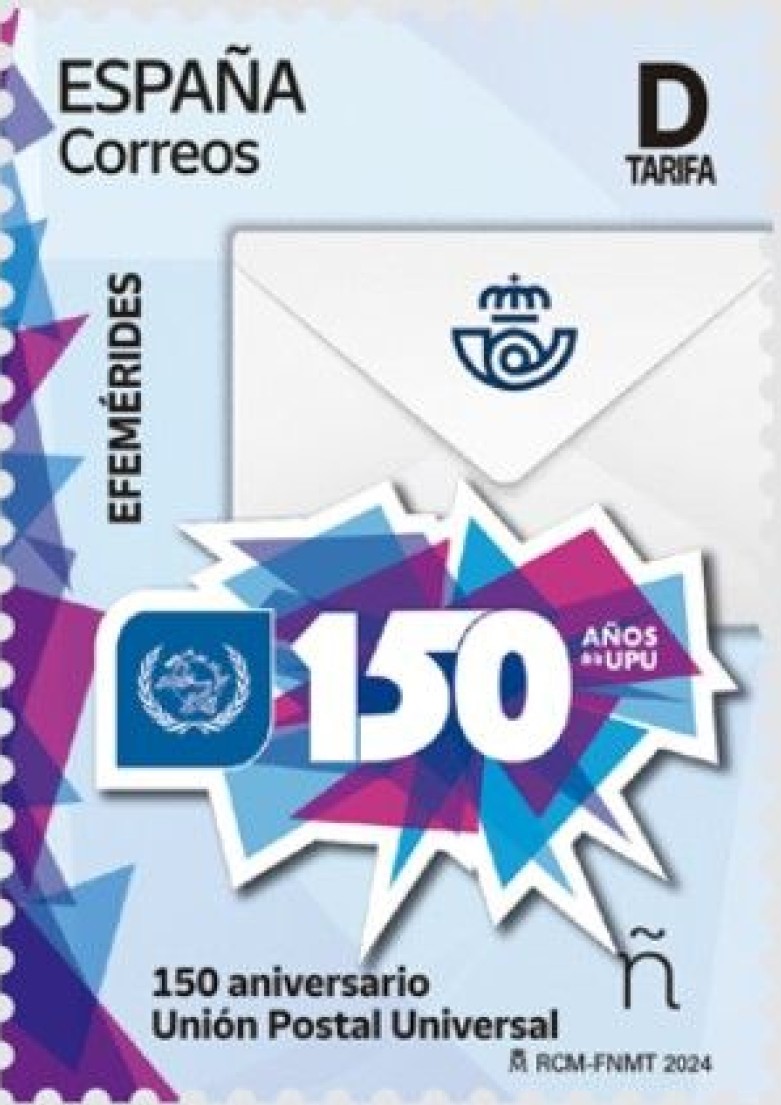
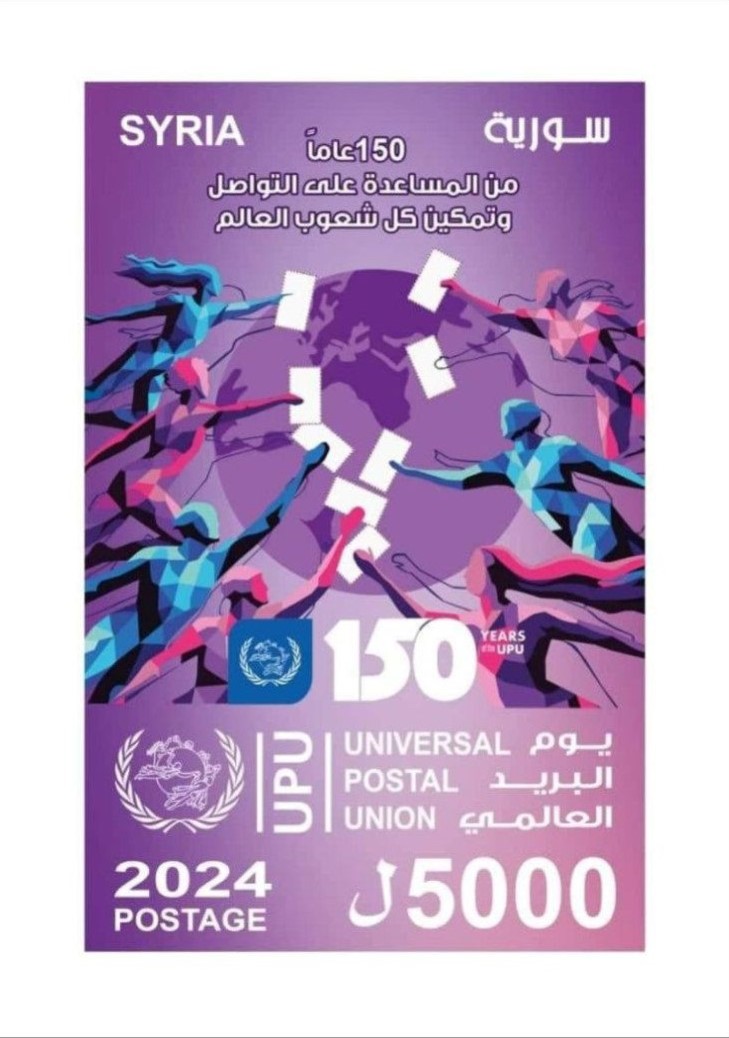
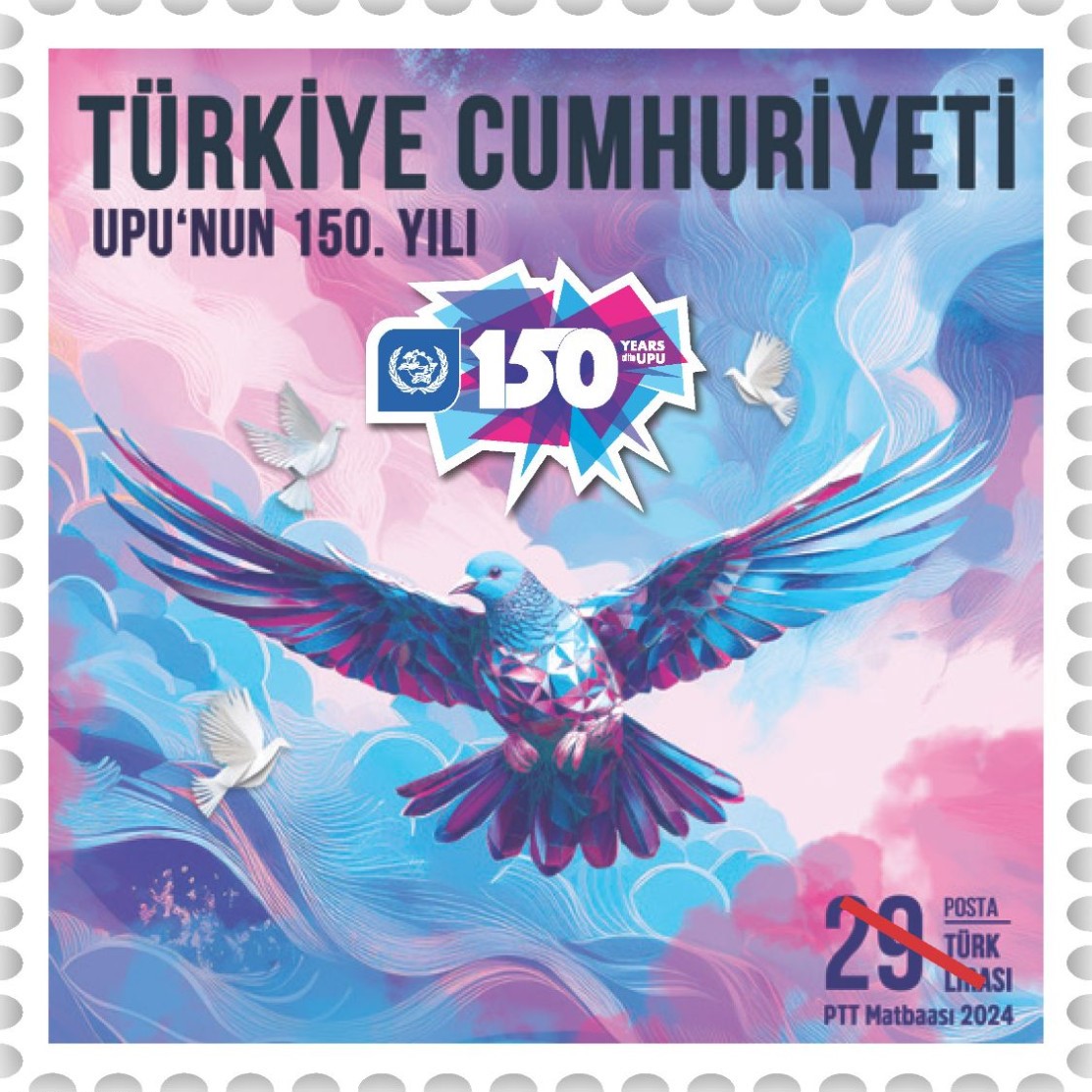
  • C: the countries which use only a part of the design, actually integrating only the “150” logo and add some other illustrations. This logo can appear within the stamp, or on the margin of a souvenir sheet or within a label. Those stamps are also considered as twin or concerted issues of Type [T2] or [C2]
  • D: the countries which use a completely different design, but still issue their stamp(s) around October 9, 2024. This is the equivalent of a Parallel issue [P]. In this case, the original logo may appear on the stamp, but at a size that remains smaller than the half of the surface of the stamp
  • E: finally the countries that do not want to stick to design and date, and work on their own, just referring to the UPU anniversary. These countries are simply listed, without details, as they cannot be considered as joint [N].

We will have again to take care of stamps that are created by agencies that are producing stamps for certain countries but which have been given the freedom to issue stamps without a real control from the reference countries. These stamps are easily recognized by the number of stamps issued in a series and they are produced to fool collectors. In order to better identify these stamps and because they remain real stamps but never reach the originating country, they will be reported in the catalogue, but in italics. In the same way, some other stamps such as the French stamp with a full common logo are of private origin (personalized stamp) that cannot be considered as part of this joint issue either. This will be true for any other privately produced stamp from other countries, if any, and also described in italic characters.

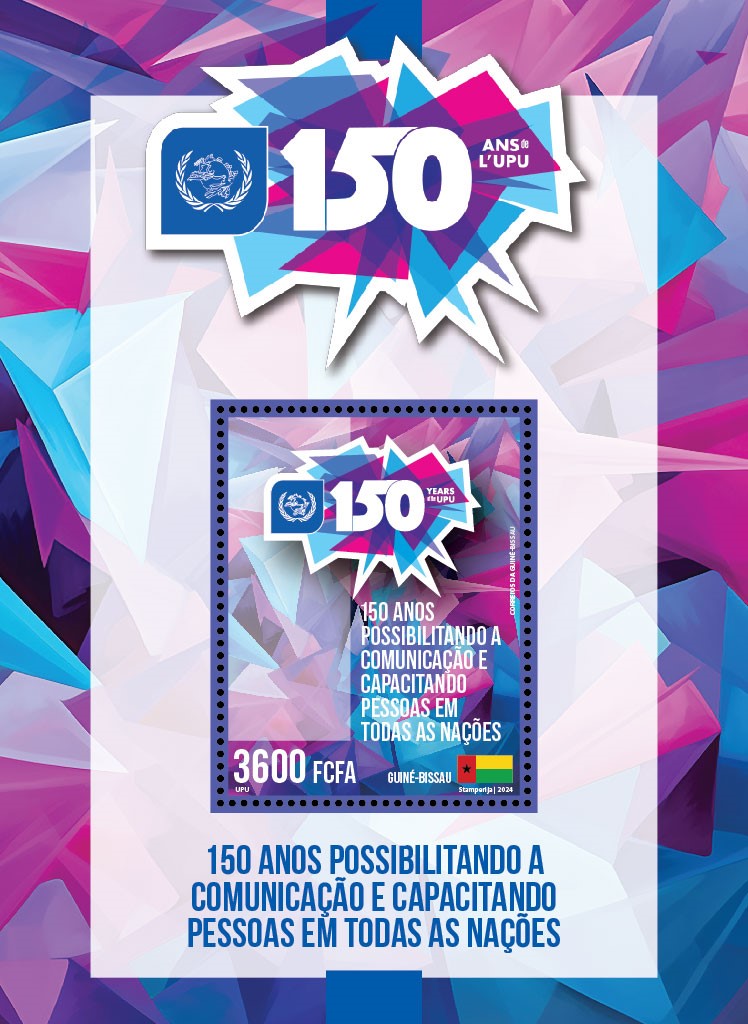
The countries for which we already have information are reported below. If a date between brackets is missing behind the country name, this means that this stamp(s) was issued on October 9, 2024. If the content of the brackets remains empty, this means that the exact issue date is not known yet. A large number of images were provided by Enzo Cafaro (Italy). The following list is of course not yet complete.

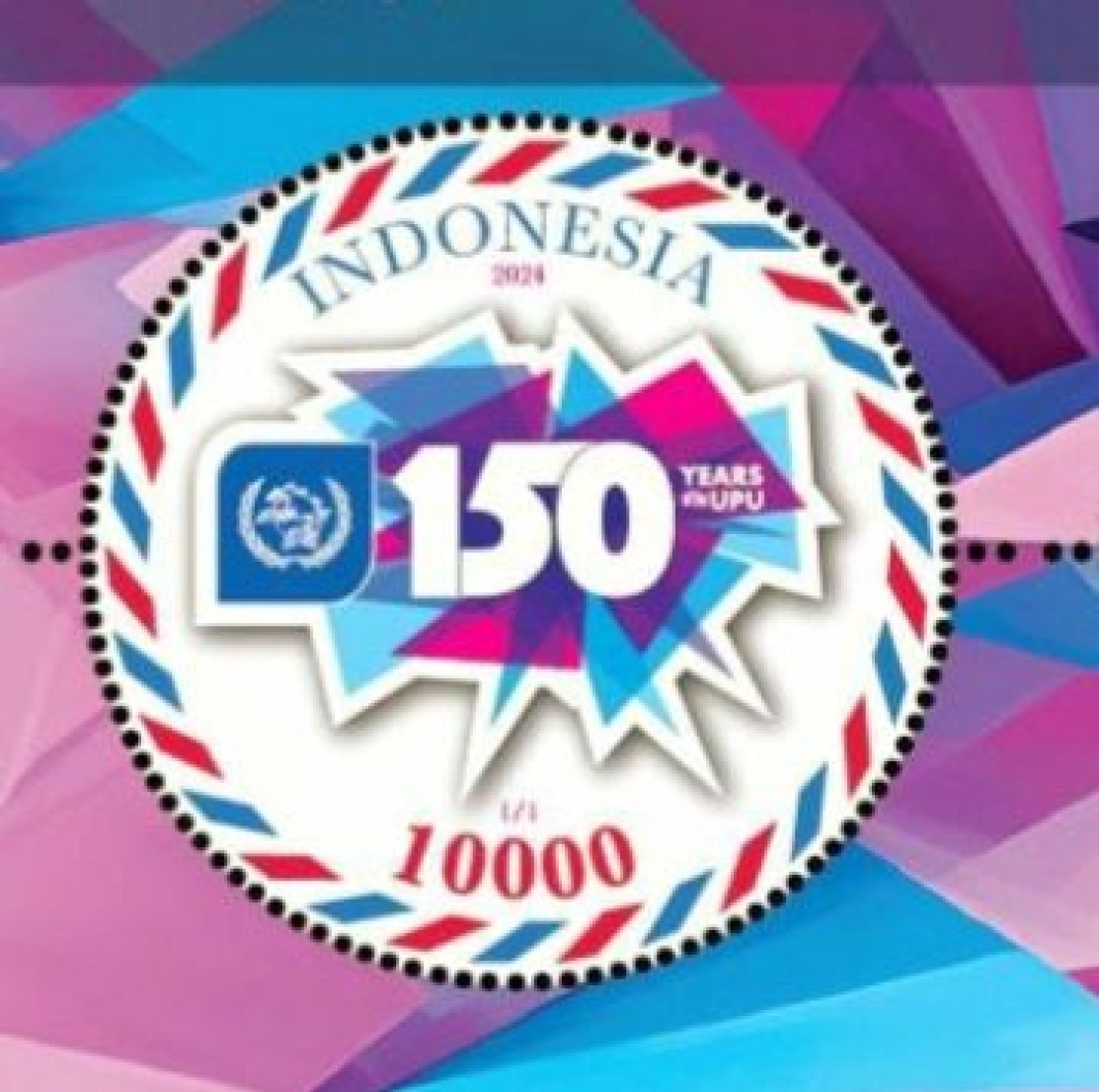
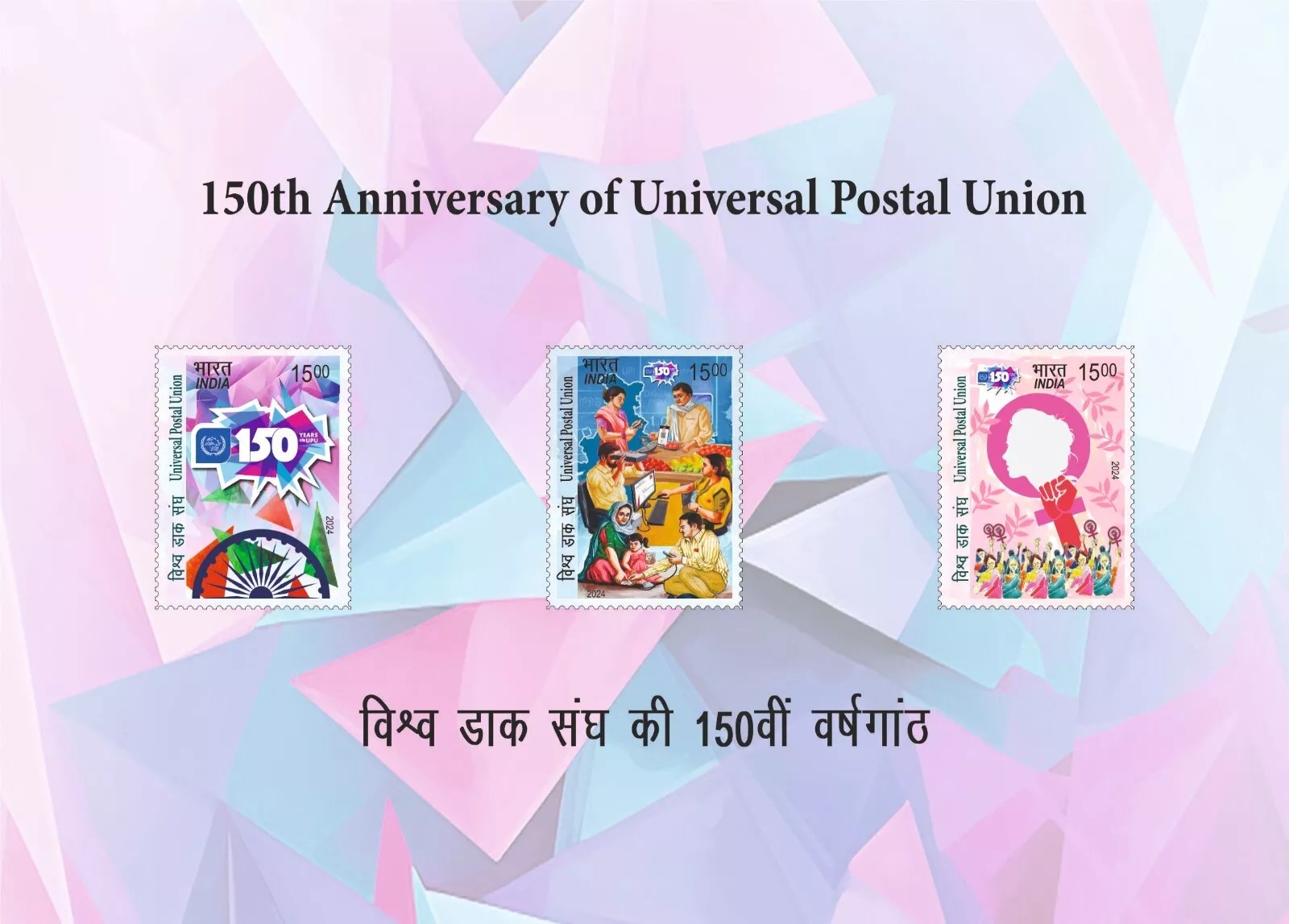
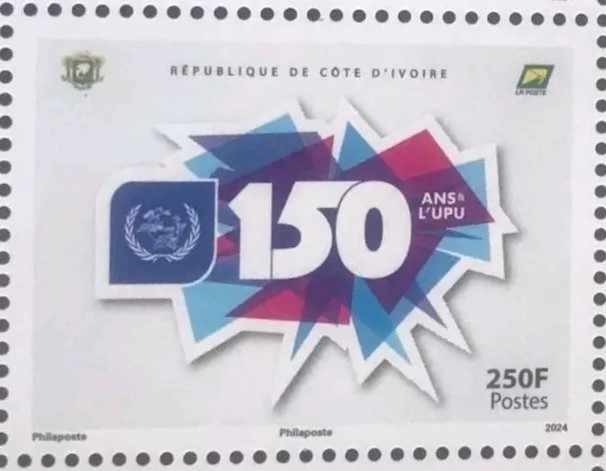
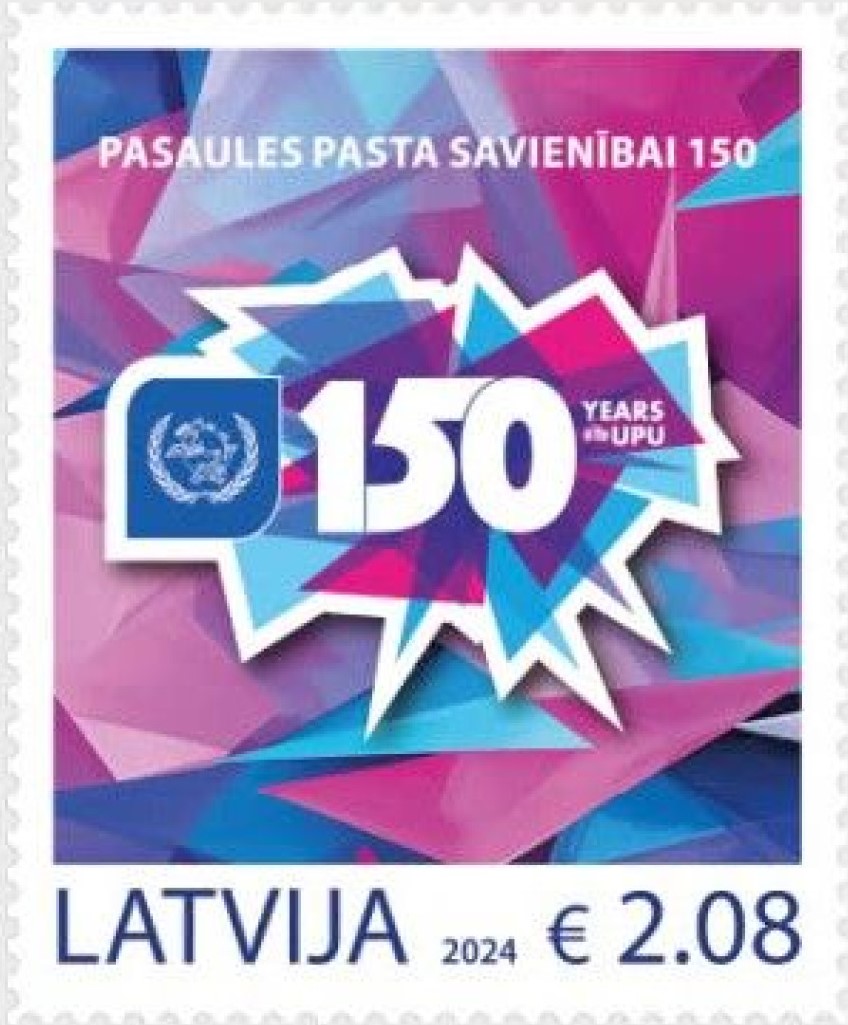
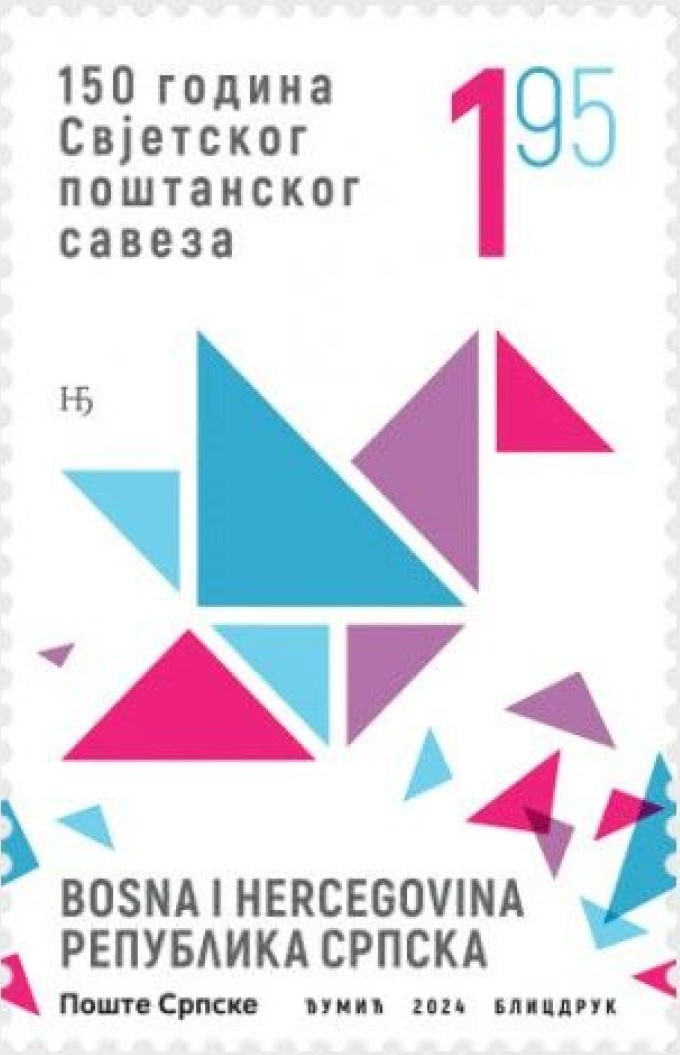
Countries of type A (Twin [T1]): Algeria – Andorra (French) (October 10) – Andorra (Spanish) – Armenia – Bangladesh – Belarus – Bosnia Herzegovina (Bosnia) – Brazil – China (PR) – Croatia – Cyprus – Dominican Republic – Greece – Guernsey – India – Indonesia – Ivory Coast – Jordan – Latvia – Lithuania (October 4) – Mauritius – Moldova – Myanmar – Paraguay – Peru – Romania – Sri Lanka – Thailand – Turkmenistan (October 8) – Ukraine – United Arab Emirates

Countries of type B (Concerted [C1]): Argentina (August 28) – Azerbaijan (February 1)Burundi (September)Central Africa (September)Djibouti (September) – Georgia (June 1) – Guinea (September)Guinea-Bissau (September)Liberia (September)Mali (September) – Monaco (May 30) – Mongolia (September 25) – Sierra Leone (September)Togo (September)

Countries of type C (Twin or concerted [T2] or [C2]): Bosnia (Serbia) – Egypt () – France (October 14) – Hong Kong – Hungary (July 24) – Isle of Man (August 30) – Japan – Kyrgyzstan (October) – Luxembourg (September 10) – Macau – Malaysia – Morocco – Pakistan – Portugal – San Marino – Saudi Arabia () – Singapore – Slovenia – Spain – Syria – Tunisia – Türkiye – Uruguay – Uzbekistan () – Vietnam

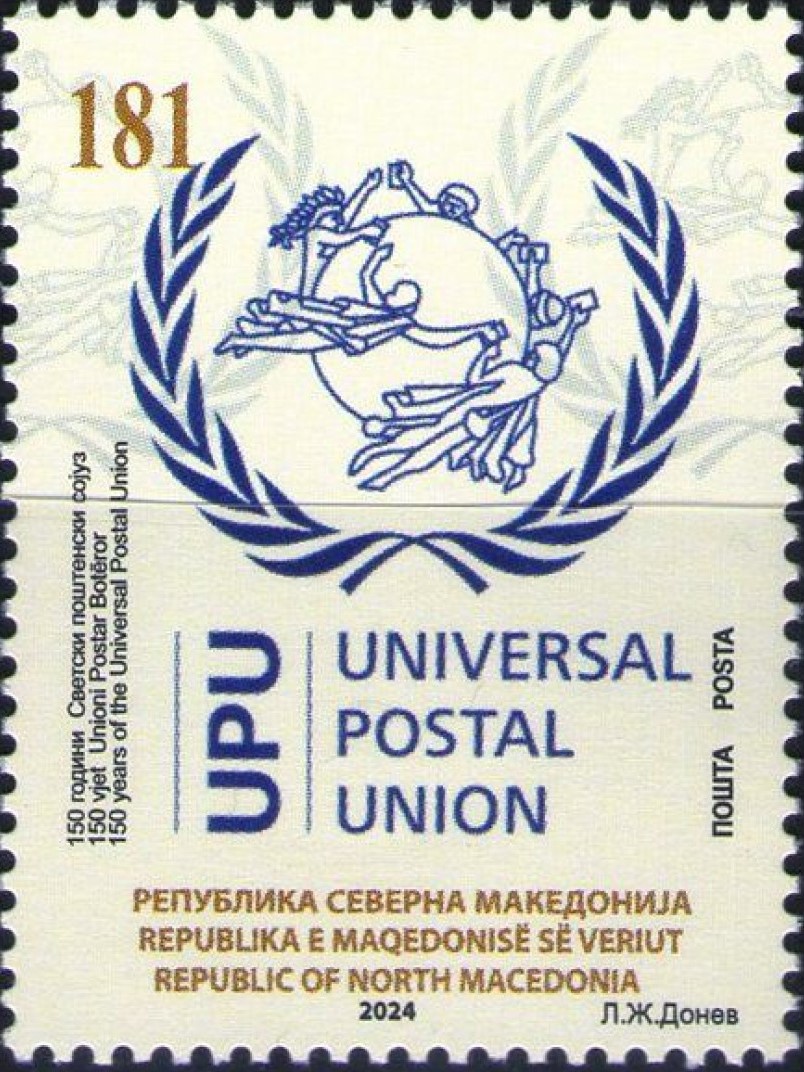
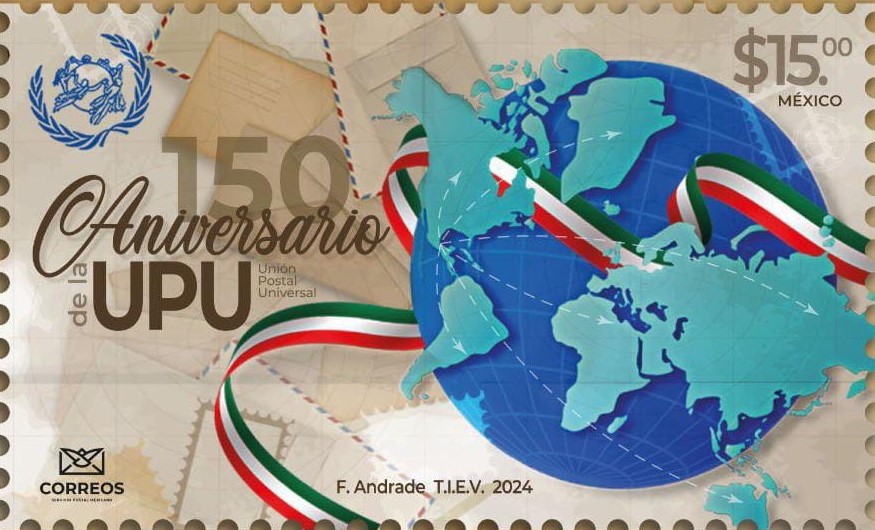
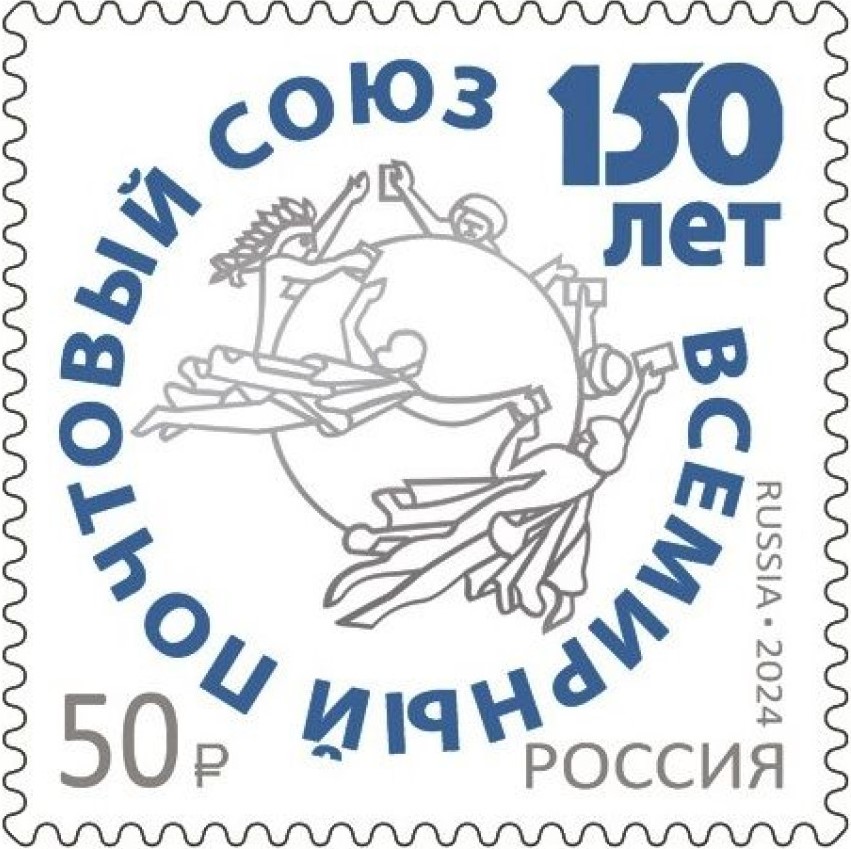
Countries of type D (Parallel issue [P]): Australia (October 1) – Austria (October 4) – Brunei Darussalam () – Bulgaria – Czech Republic – French Polynesia – Germany (October 10) – Macedonia (North) – Mexico – Montenegro – Qatar () – Russia – Slovakia – Switzerland (September 5) – Tajikistan (May) – Vatican (September 16) – Wallis and Futuna

Countries of type E (not considered as joint): Belgium (June 10) – Serbia (May 25) – United Nations – Geneva (May 30) – United Nations – New York (May 30) – United Nations – Vienna (May 30).

So far, 86 countries are listed above to which one has to add 2 postal authorities that have issued stamps that cannot be considered as joint (Type E – United Nations offices are not taken in account as countries, UPU being a sub-unit of the United Nations). The UPU counts presently 192 members, which means information from 106 countries (!) is missing. Obviously there will be an update of this page. A great help is needed here to recover information from other participating countries. We are also missing better quality images for stamps from Ivory Coast and Ukraine. Thanks a lot in advance for providing name of missing countries, exact dates of issue, and when possible illustrations, printing runs, sizes of panels and by-product lists.

The catalogue pages should be updated within the next week.

2002 Japan joint issue revisited

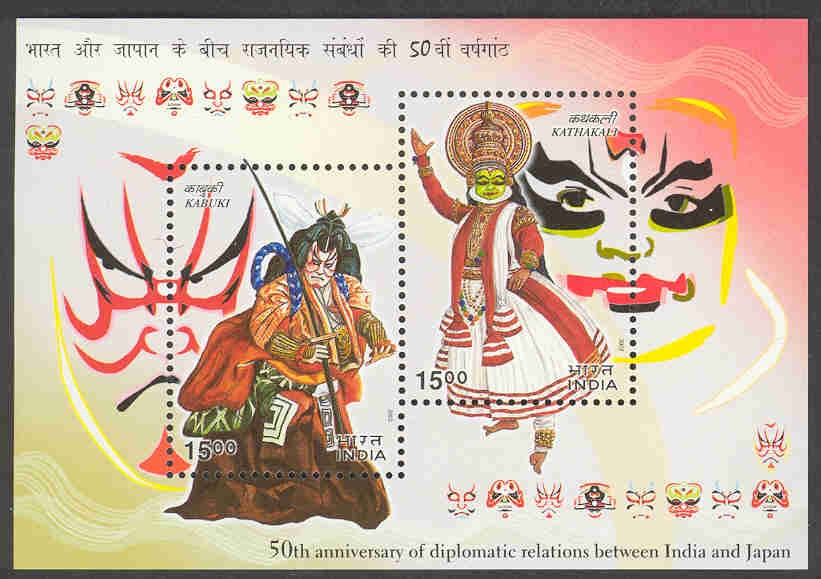
For few months now, there is a discussion going on if the stamps issued in 2002 by India Post and Japan Post with the title “50th Anniversary of Diplomatic Relations between India and Japan” is really a joint issue or not. 

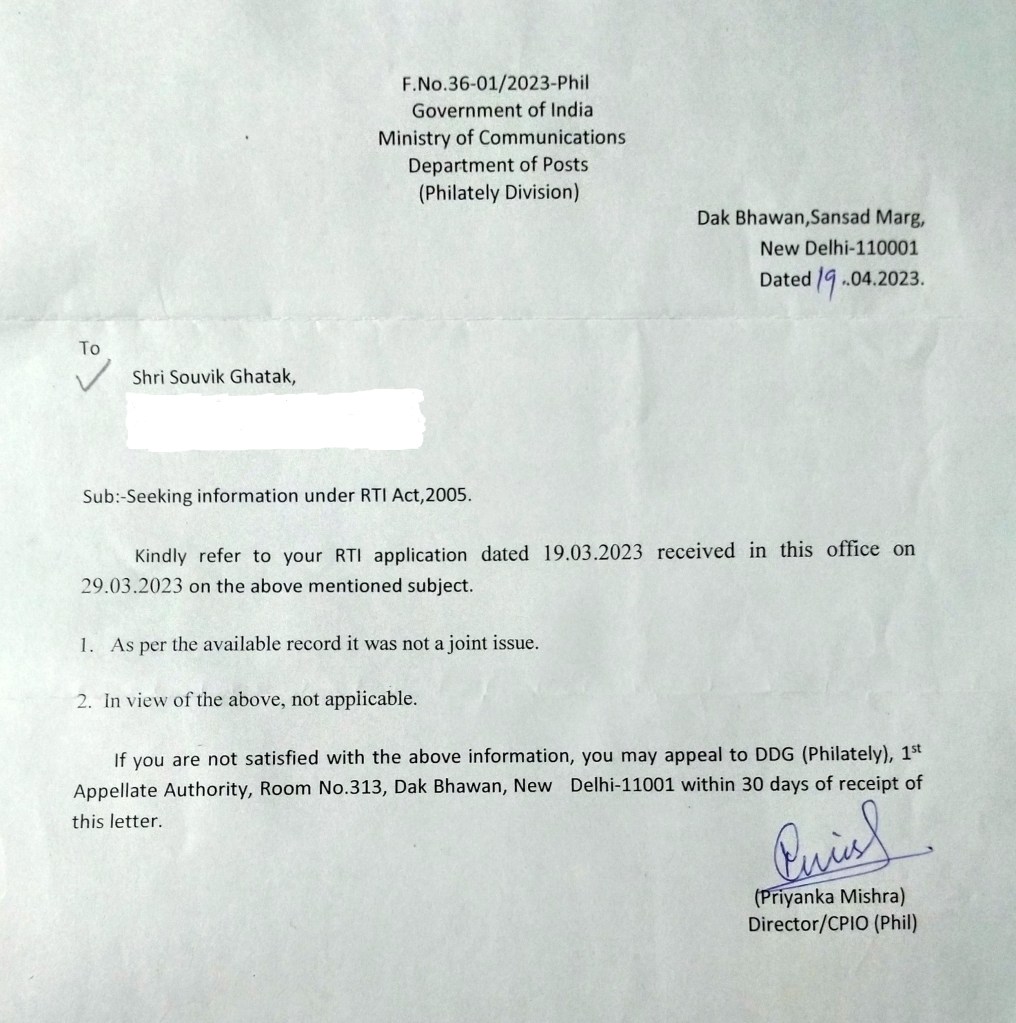
Our friend Souvik Ghatak (India) filed an application to India Post under the Right to information (RTI) act of 2005. He asked them, to confirm the joint issue status and to provide a copy of memorandum of understanding signed between both postal departments.

Indian Post provided the following information about the issue presently referenced in the catalogue under [P20020412a]: 1) This is not a joint issue and 2) since it was not a joint issue they could not provide a copy of memorandum of understanding between India Post and Japan Post (see copy of answer below). 

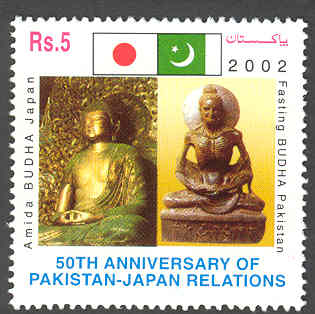
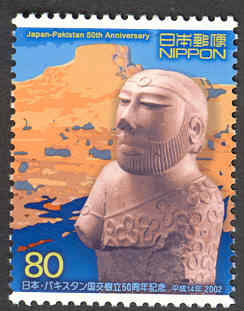
Thank Souvik for providing this information confirming this is not a joint issue. As a consequence, it will also apply to all other stamps issued on April 12, 2002 by Japan Post and involving Bangladesh [P20020411], Pakistan [P20020412a] and Sri Lanka [P20020412c].

Actually, in the catalogue, these issues appear already with the mention ‘controversial’ and the classification PX, which stands for doubtful. Accordingly, the wording in the catalogue will be modified and eventually these series will be switched from PX to N section. The stamps will remain described in the catalogue as numerous collector do own them already, but as for all the ‘N’ (non-accepted) joint issues, the collectors have to decide if they want to keep them within their Joint issue collection. The catalogue will just tell them the real status of these issues, which will now respectively be [N20020411] for Bangladesh-Japan, [N20020412a] for India – Japan, [N20020412b] for Japan – Pakistan and [N20020412c] for Japan – Sri Lanka.

Joint celebrations of diplomatic relationship does not necessarily mean that the stamps issued at this occasion are joint. The joint character comes from the will of both administrations to work together on a specific topic. Administrations define date of issue and design. However, even if discussions have started, administrations may finally decide that they will not issue the stamps jointly, resulting in absence of common stamps, no exchange of products, no common joint FDCs, etc. even if the topic remains the same.

There are several countries issuing regularly diplomatic relationship stamps without any connection with the other country. Brazil for example, is issuing several times a year, stamps related to other countries and very seldomly transforms them in a joint issue. These isolated stamps are not even to be considered as unilateral issue, as this vocabulary applies only in the case production of stamps eventually failed for any reason on one side.

Japan 2002 questionable Joint Issue

Upeka Indeewary from India did ask: “The joint issue catalogue describes a joint issue from the year 2002 involving Japan and four other countries, namely India, Bangladesh, Sri Lanka and Pakistan. It appears that in Japan this issue is not considered as joint. Can you clarify? “

Indeed this joint issue could be considered as questionable. In the catalogue Vol 8, it is already described under four different entries [P20020411 and P20020412a-c]. While Japan issued all stamps the same day, April 12, 2002, the four other countries’ stamps from India, Bangladesh, Sri Lanka and Pakistan were released with 1 to 14 days interval..

None of these countries claim a joint character, and indeed we also had some questions regarding the true status of this issue. This is the reason why these issues are filed in a category called [PX] and the catalogue uses specifically the word ‘controversial’ to describe them (See also in Catalogue Vol I for the definition of [PX]).

It happens some time that even in case of same data and same design, stamps were issued by two countries with one denying the joint issue status. In fact, in almost all these cases, and this Japanese stamps probably included, a first contact between the authorities took place and topic as well as day of issue were agreed. But during the process, it came to a disagreement and finally each country decided to pursue on its own. For this reason, considering at least the situation of starting the collaboration, we report such stamps in the catalogue.

Obviously, it was not per chance that all four countries came together with Japan and launched almost at the same date each a stamp with the same topic (not the same design) also appearing on the Japanese stamps (relationship). We leave to the collector to decide if such items have to be include or not in their own collection. If these stamps are not described in the catalogue, other collectors would ask why such series are not reported. The [PX] status became the alternative. In any case, present or not in the catalogue, questions would arise. It is possible to definitely state about these Japanese stamps, if someone can bring the real story behind the creation of these stamps.

Can someone help here?

Bangladesh – Singapore birds

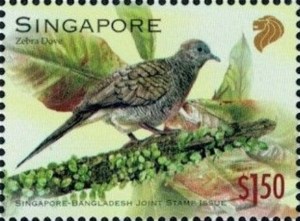
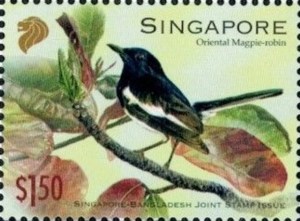
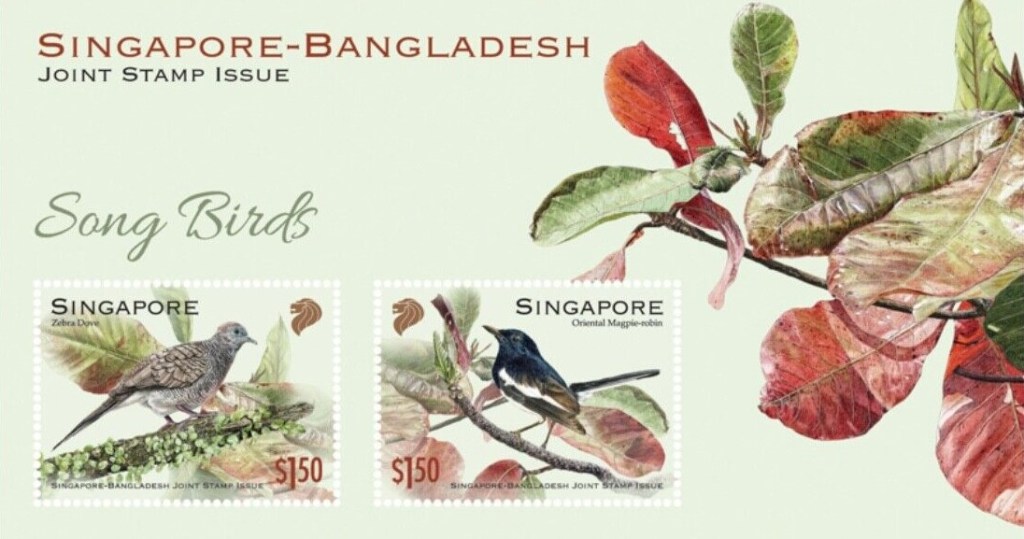
The Oriental magpie-robin (Copsychus saularis) and the Zebra dove (Geopelia striata).have been chosen to illustrate the golden jubilee (50 years) of relationship between Bangladesh and Singapore issued on November 15, 2022. Bangladesh issued se-tenant pairs of stamps in panes of [2px13] with a printing run of 100,000 pairs. Singapore has issued isolated stamps in two miniature sheets of 10 stamps (2x[2×5]) and a souvenir sheet with both stamps (printing run unknown).