Euromed 2025

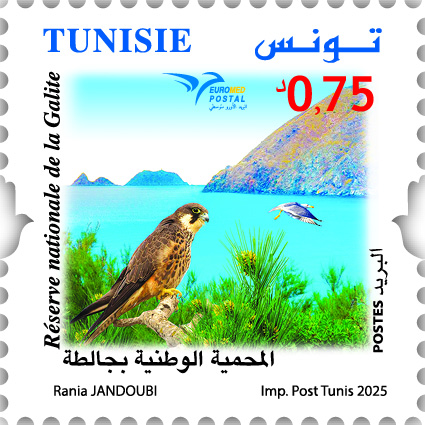
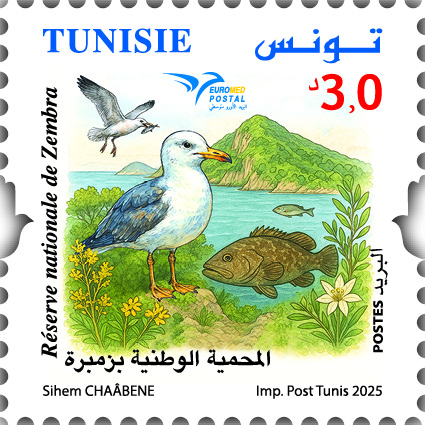
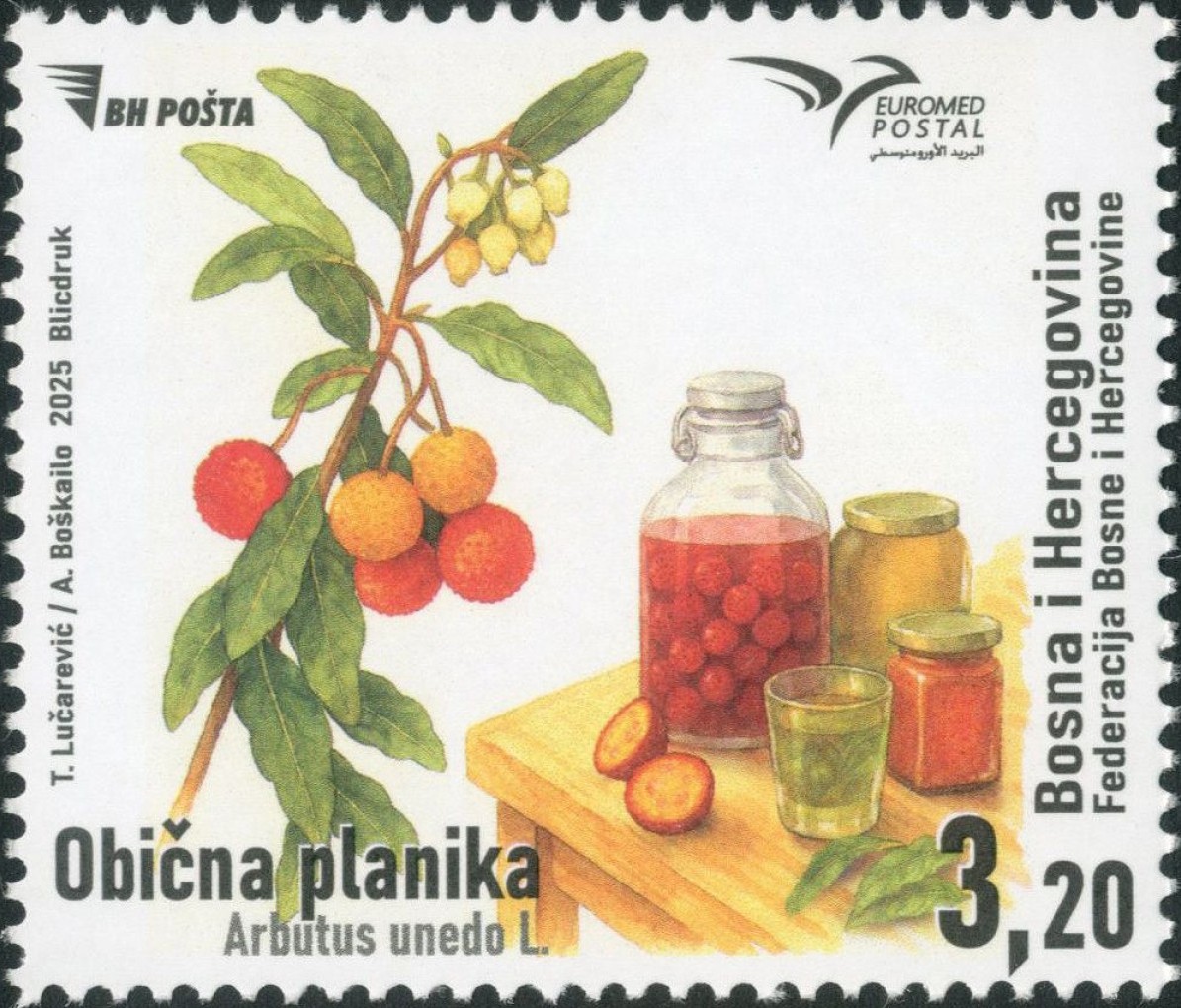
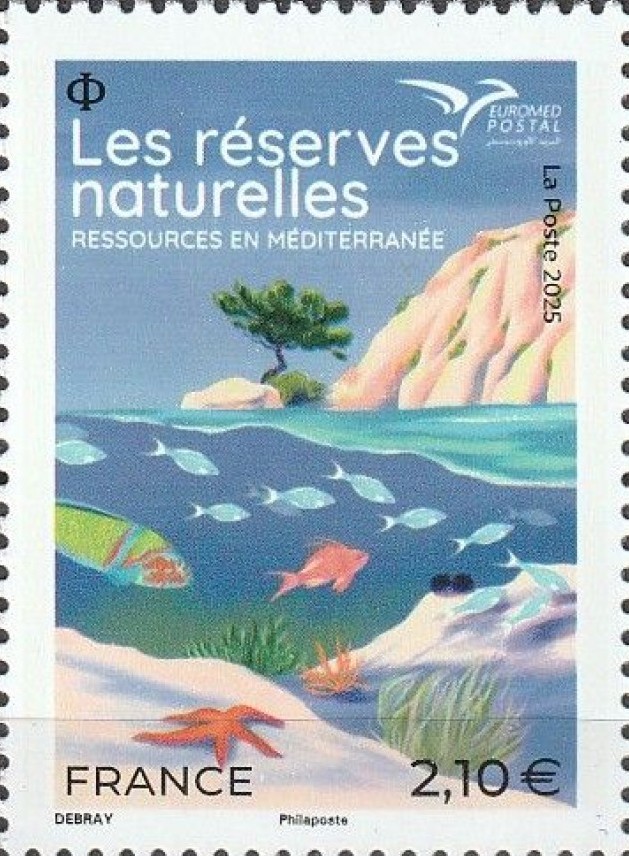
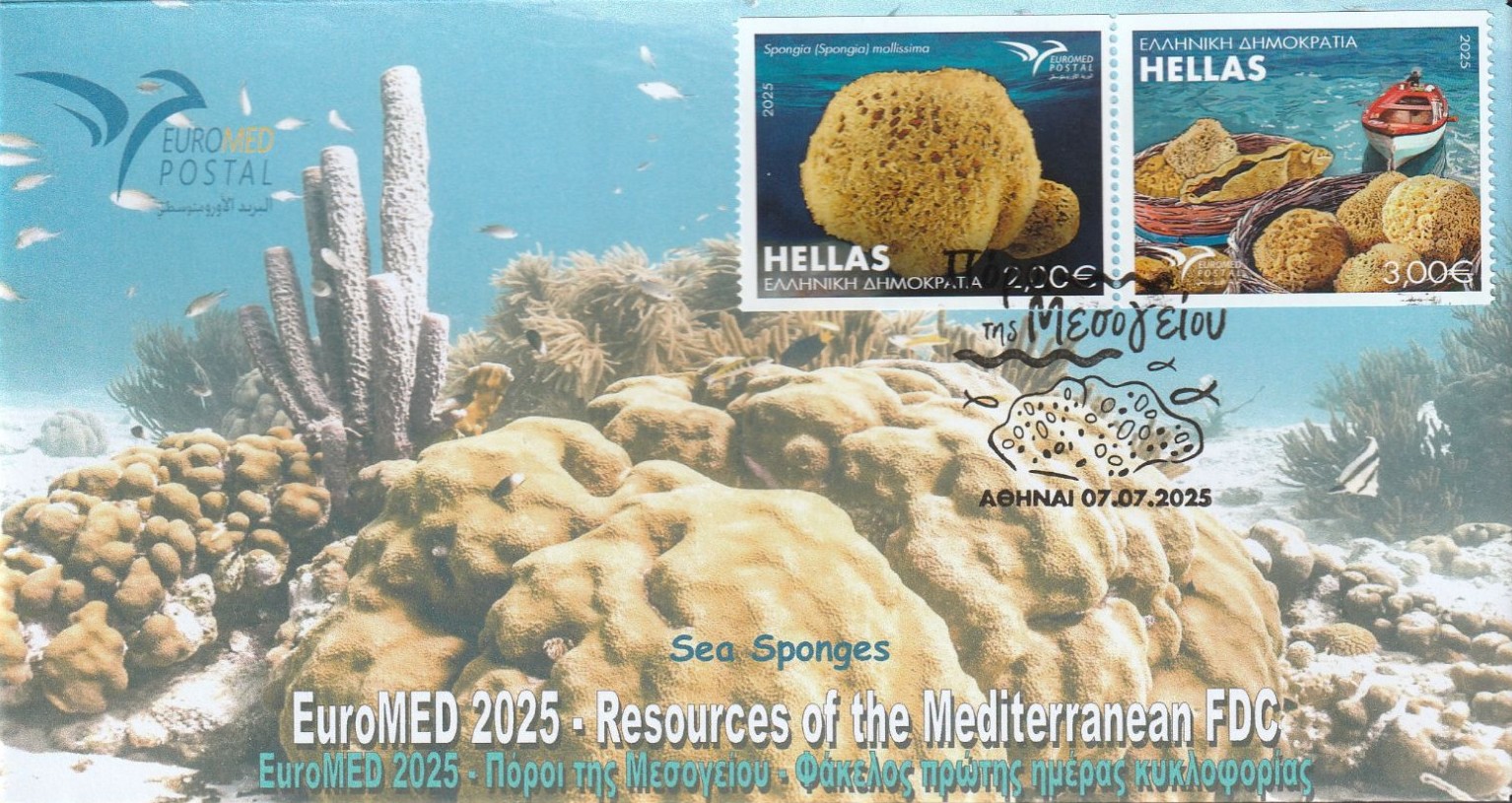
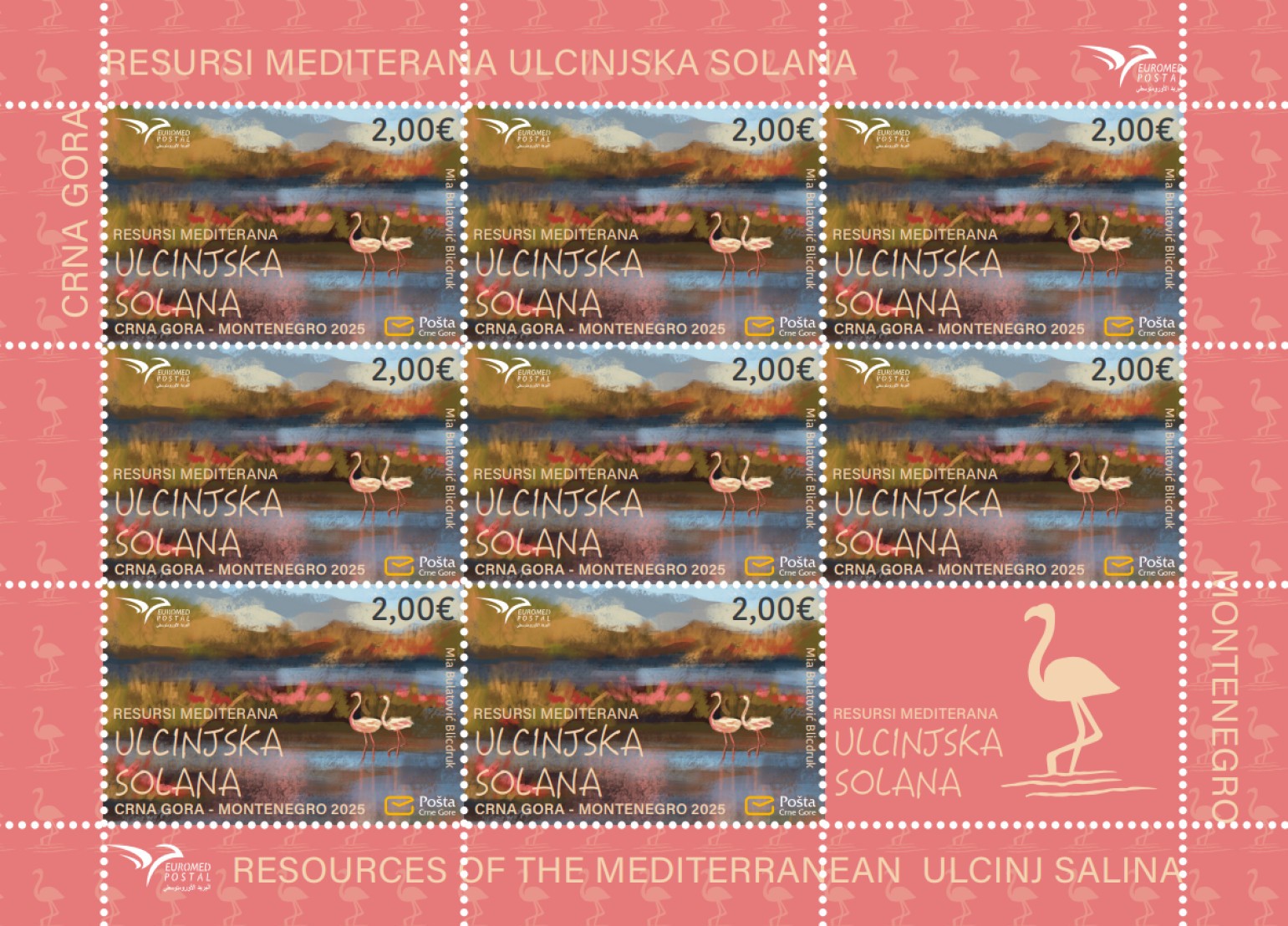
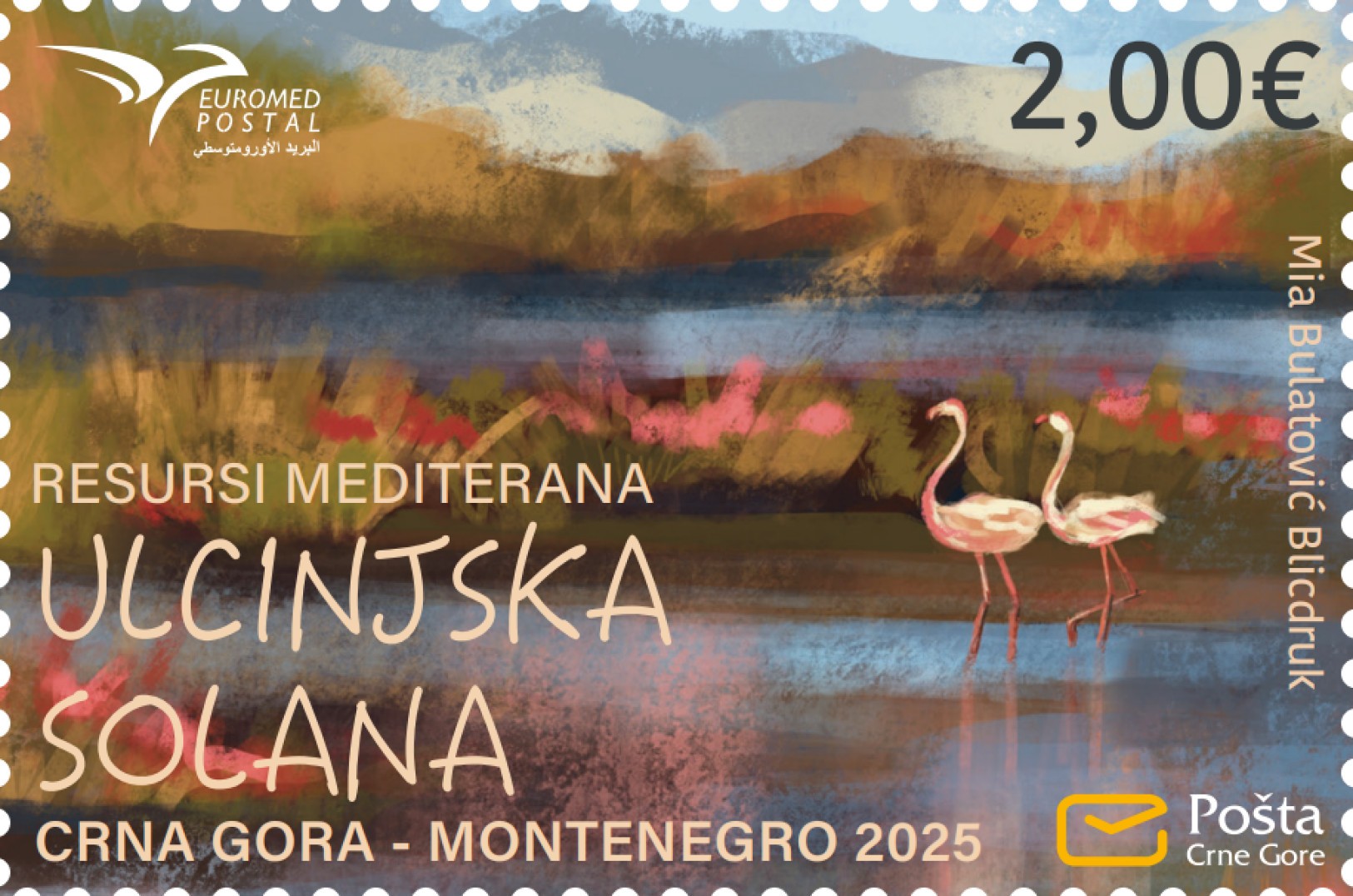
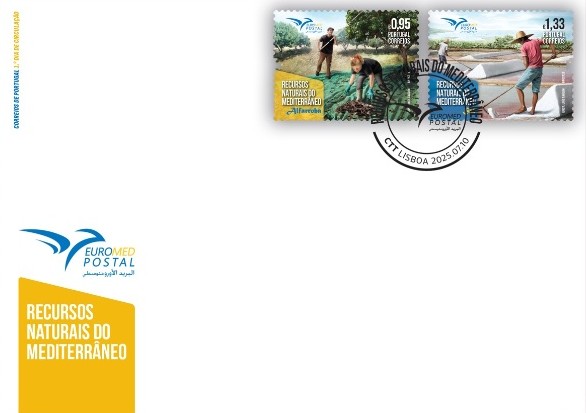
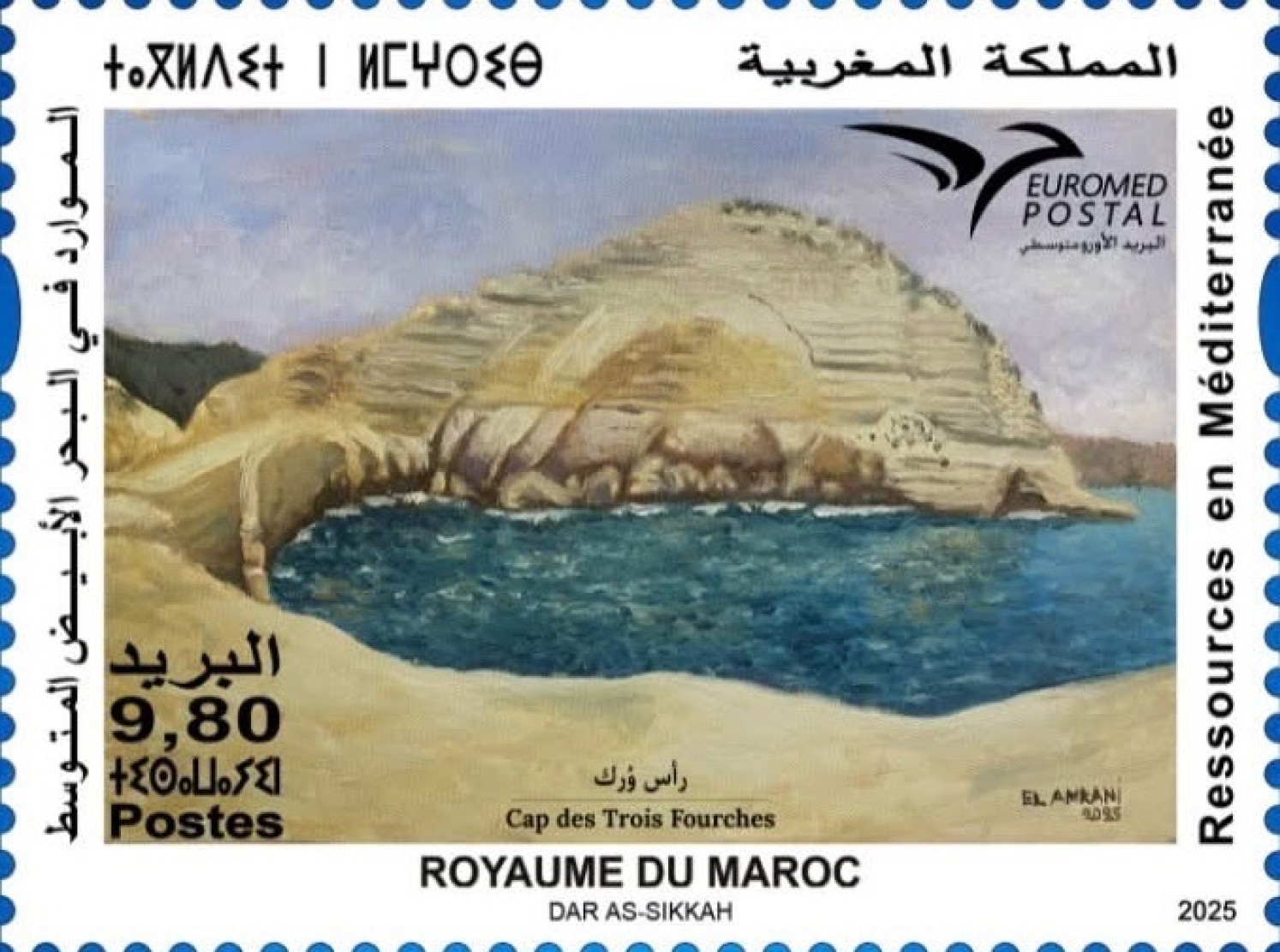
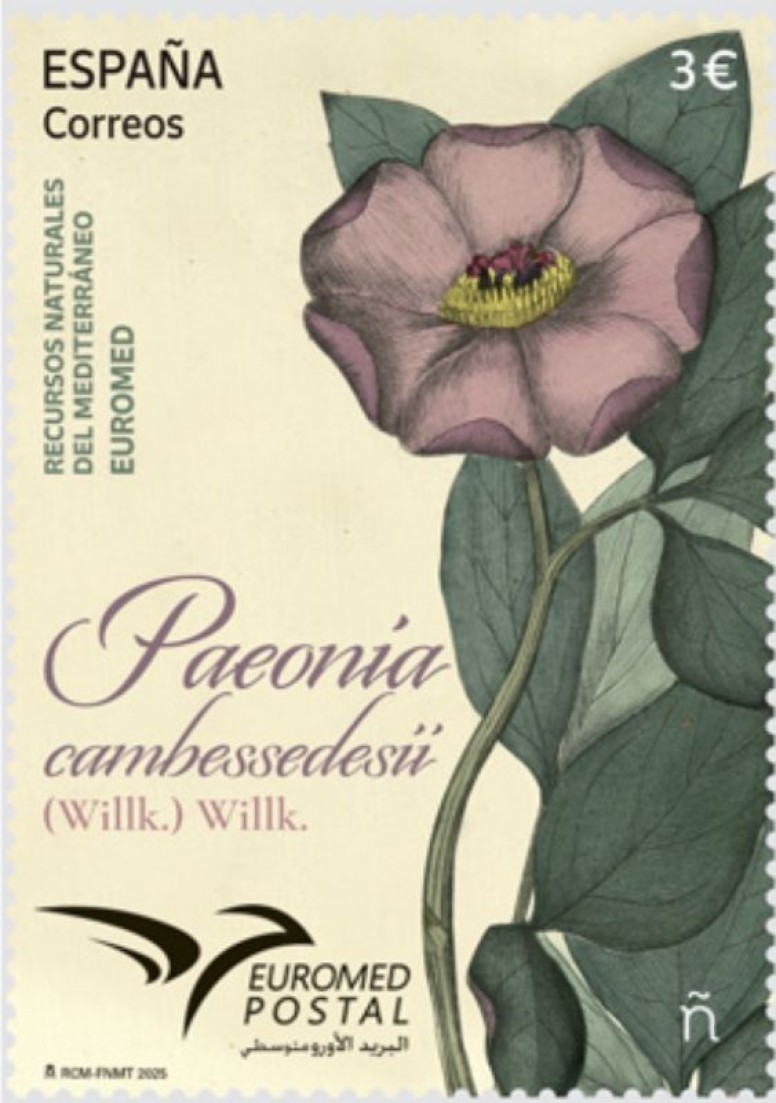
The 2025 EUROMED issue is dedicated this year to European resources. Almost full freedom was given to the postal administrations to design their stamps, and, as a consequence, individual stamps describe very different topics including national parks, natural (local) or energy resources (wind and sun), landscapes, food, crafts or access to raw material (e.g., salt), with Türkiye showing in a souvenir sheet all possible country resources. So far, 14 countries have released their stamps with the most ciommon date on July 14, 2025. Those countries include: Bosnia Herzegovina (July 10, 2025), strawberry tree (Arbutus unedo) derived products, preserves, jam; Croatia (July 14), the Neretva Delta; Cyprus (July 9), wind turbine; Egypt (July 14), energy, oil, sea resources; France (July 11), sea and shore; Greece (July 7), sea sponge (Spongia mollissima) and boat; Malta (July 9), sculptor and building; Montenegro (July 14), Ulcinjska Solana (Ulcinj saltworks); Morocco (July ?), natural resources, “Cap des Trois Fourches” (Cape of the Three Forks), Ramsar wetland; Portugal (July 10), carob collecting and salt harvesting; Slovenia (July 11), karst edge; Spain (July 8), flower (Paeonia cambessedesii), Balearic peony; Tunisia (July 7), Galite and Zembra national parks; Türkiye (Turkey) (July 7), landscape with different resources.

The Euromed association includes also Albania, Algeria, Jordan, Lebanon, Palestine. With the exception of Albania which always issues their Euromed stamp with a delay of one year, there is limited chances that one of these other countries will participate this year, but who knows?

Information was mainly provided by Med Achour Ali Ahmed (Algeria) and Enzo Cafaro (Italy). Thanks to both of them.

June 2025 news

Complementary information came from diverse collectors over the past three weeks. They are reported here, without any sense of priority.

Wayne Chen (USA) came across a vast number of se-tenant sheets fabricated and sold by Stampera. The full list is available through the companies’ site using the search tool and the word ‘siamese’ (reminder: in the joint issues definition, this word has to be replaced by ‘se-tenant’) https://stampera.eu/stamps?search=Siamese&page=1. As mentioned several times in the past in these pages, products released by this company are true stamps, but produced only for collectors in small amounts, without topic related to the country, and at a very high number of sub-types (souvenir sheets, miniature sheets, perforated and not) also with very high denomination. They are not called cinderellas, just because they show a denomination. A collector who wants to buy the complete set of these ‘se-tenant’ products (35 different products have been identified so far) will have to spend at least € 1,900 (souvenir sheets, perforated and non-perforated, both mint or FDC, without taking in account individual isolated stamps). All these products are simply made to fool collectors and cannot be approved as true joint issue. With the new printing technologies, they are also suspected to be printed upon demand only, i.e., sheet by sheet, so there is no limitation in terms of printing runs. In this case, they will not be reported in the catalogue, but we wanted to bring this information to your attention.

All described products have been printed by associating in a same miniature sheet, stamps from up to 6 different countries, available normally in panes. Some examples are provided below.

Robert Schrijvers (Mongolia) talked with Mongol Post about the potential joint issue between India and Mongolia intended to celebrate the 70th anniversary of diplomatic relations (December 1955 ?). These relations were initiated on December 24, 1955. Robert has seen the Mongolian version, but was not allowed to take a picture. It depicts Mongolian (biyelgee) and Indian dances. Decision to release and date of issue are pending upon Indian Post agreement.  

Milan Csaplár (Slovakia) provided the design of the joint issue to be released in August 2025, by the Slovak Post and the Luxembourg Post, which is dedicated to King Sigismund of Luxembourg (640 years of the crowning of Sigmund of Luxembourg in Hungary).

Ali Allawati (Oman) points to an error in the catalogue regarding the image of the Oman stamp from the Oman–Singapore joint issue [T20250221]. This mistake appears in both the blog and the catalogue.
The image of the stamp currently shown is taken from the souvenir sheet, which does not display a denomination. The actual stamp is priced at 500 Baisa. The stamp on the souvenir sheet does not display a price. The souvenir sheet price can be seen in the bottom left corner of the souvenir sheet. Below, in the reproduction, you can see the differences between the two stamps, the second one taken from the souvenir sheet, next to the complete souvenir sheet with denomination in the margin. This mistake was corrected in the catalogue. Thanks Ali. 

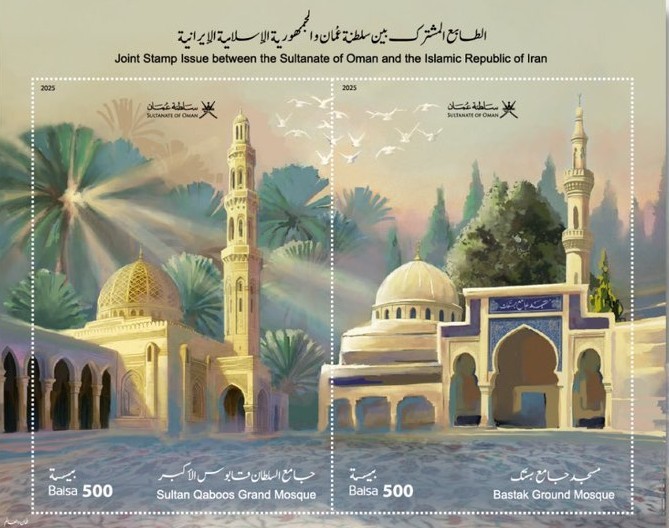
Ali provided additionally, a corrected version of the image used for the Oman–Iran joint issue from May 27, 2025. In the previous blog page, the illustration contains an error at the level of the title at bottom right, in which ‘Grand’ was mistakenly spelled ‘Ground’. This is corrected in the final version and to our knowledge, no stamp with the mistake was released. Both souvenir sheets (design left with mistake and final, corrected, right) are reproduced below.  We are still missing information from Iran.

On the other hand, we are also waiting information about the Oman – Russia joint issue announced in the press for a release on April 22, 2025.

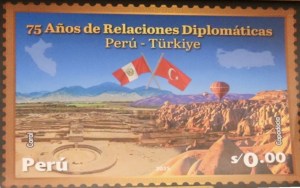
Kenneth Sequeira (Singapore) found the design of the next Peru Türkiye joint issue to be released in the second half of 2025, to commemorate the 75 years of relationship. No idea if both stamps will show the same design.

The issues involving Bosnia Herzegovina (Croatia) and Bosnia Herzegovina (Serbia) commemorating the 150th anniversary of the Herzegovina uprising, translated in two different stamps, issued at two different dates respectively June 15 and June 19, 2025, but above all, without any joint character, i.e. not claimed as joint by the two postal authorities. These stamps are to be considered as a simple anniversary commemoration, around the same date, and will not be included in the catalogue.

The catalogues Vol 1 and Vol 16 have been updated accordingly.

UPU 150th anniversary

The Universal Postal Union (UPU) is a specialized agency of the United Nations (UN) that coordinates postal policies among member nations and facilitates a uniform worldwide postal system. It comprises 192 member states and is headquartered in Bern, Switzerland. It was established on October 9, 1874, exactly 150 years ago.

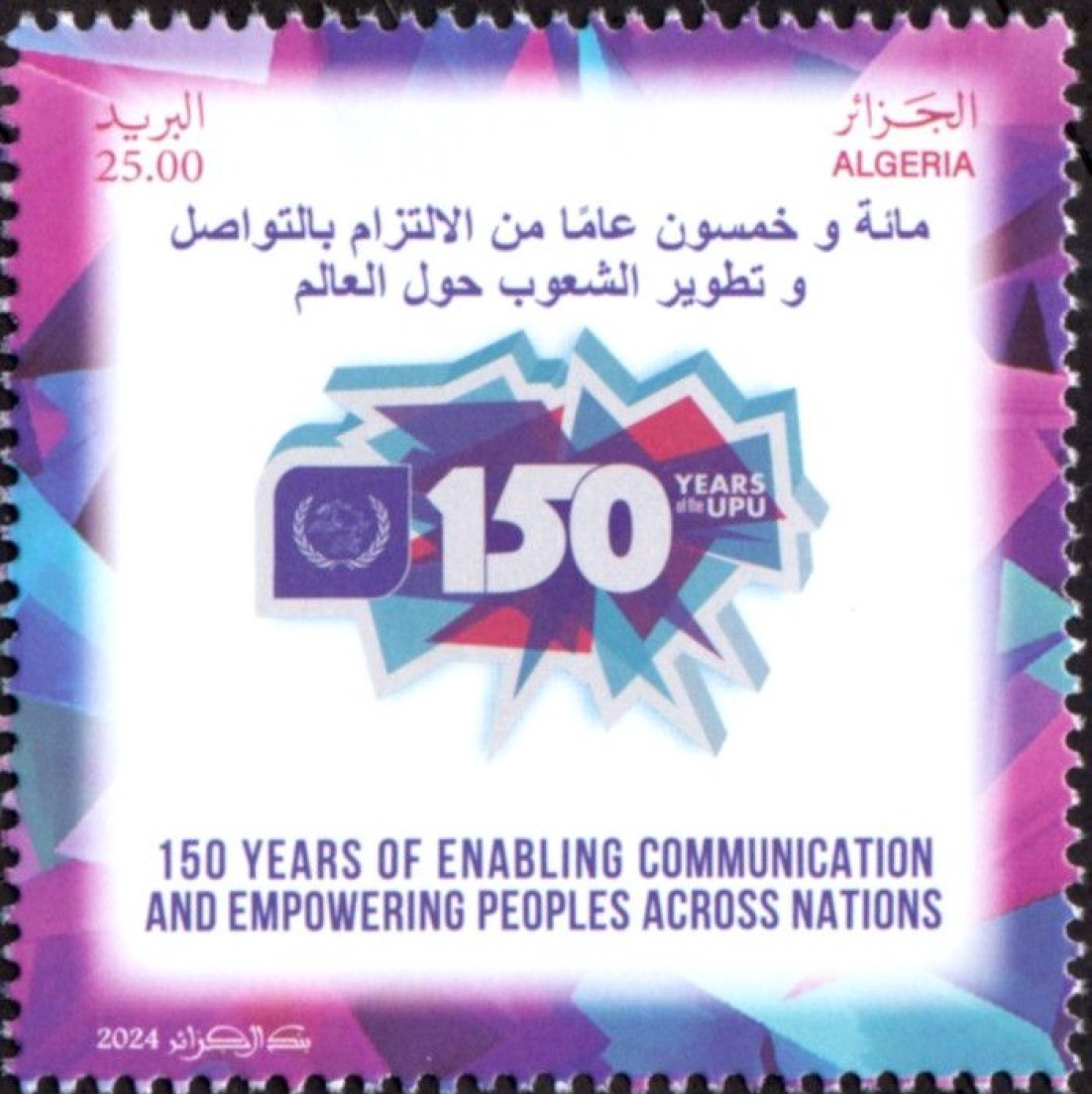
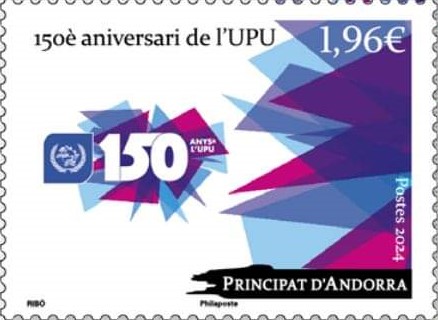
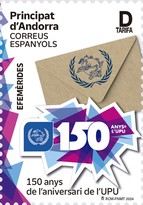
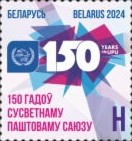
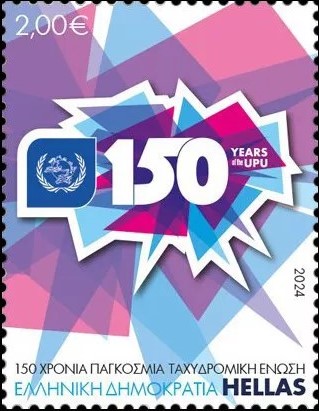
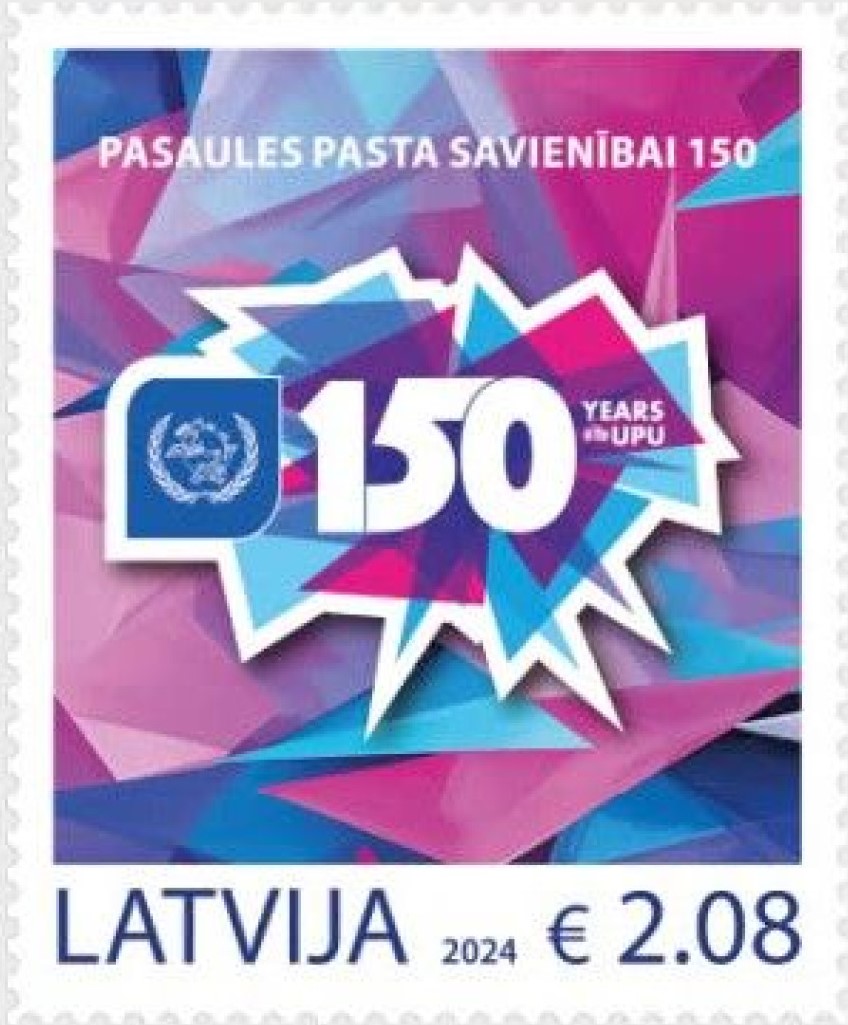
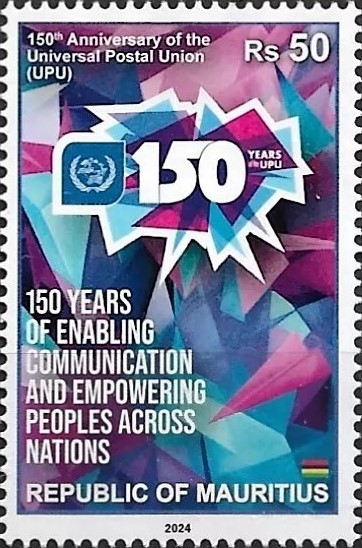
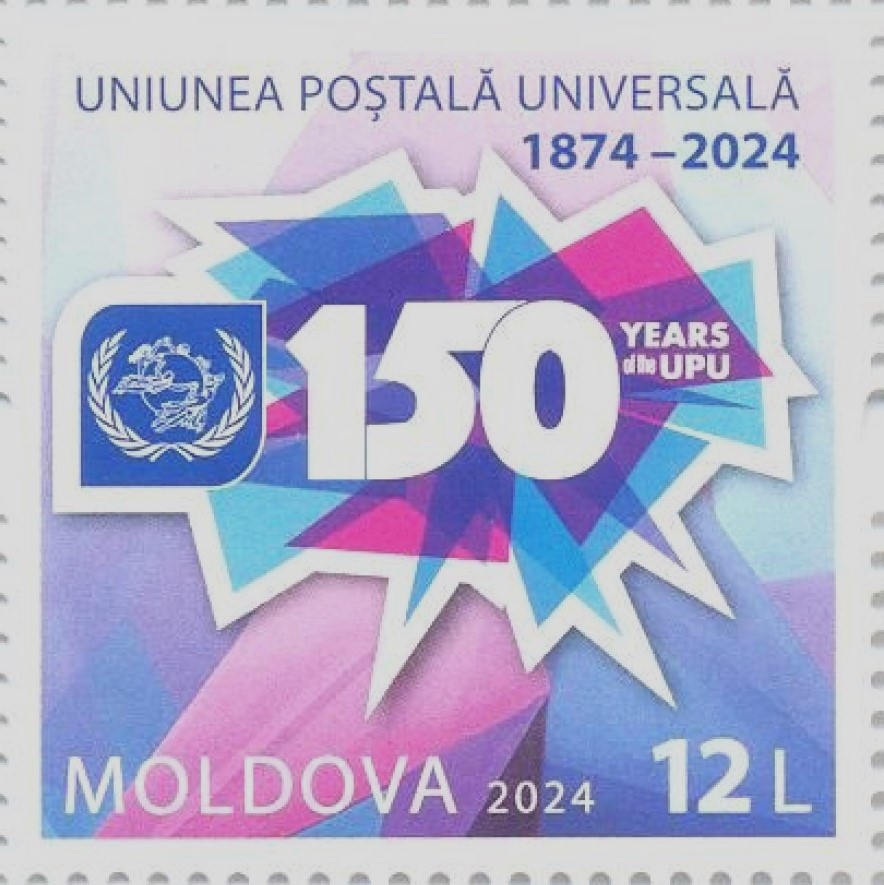
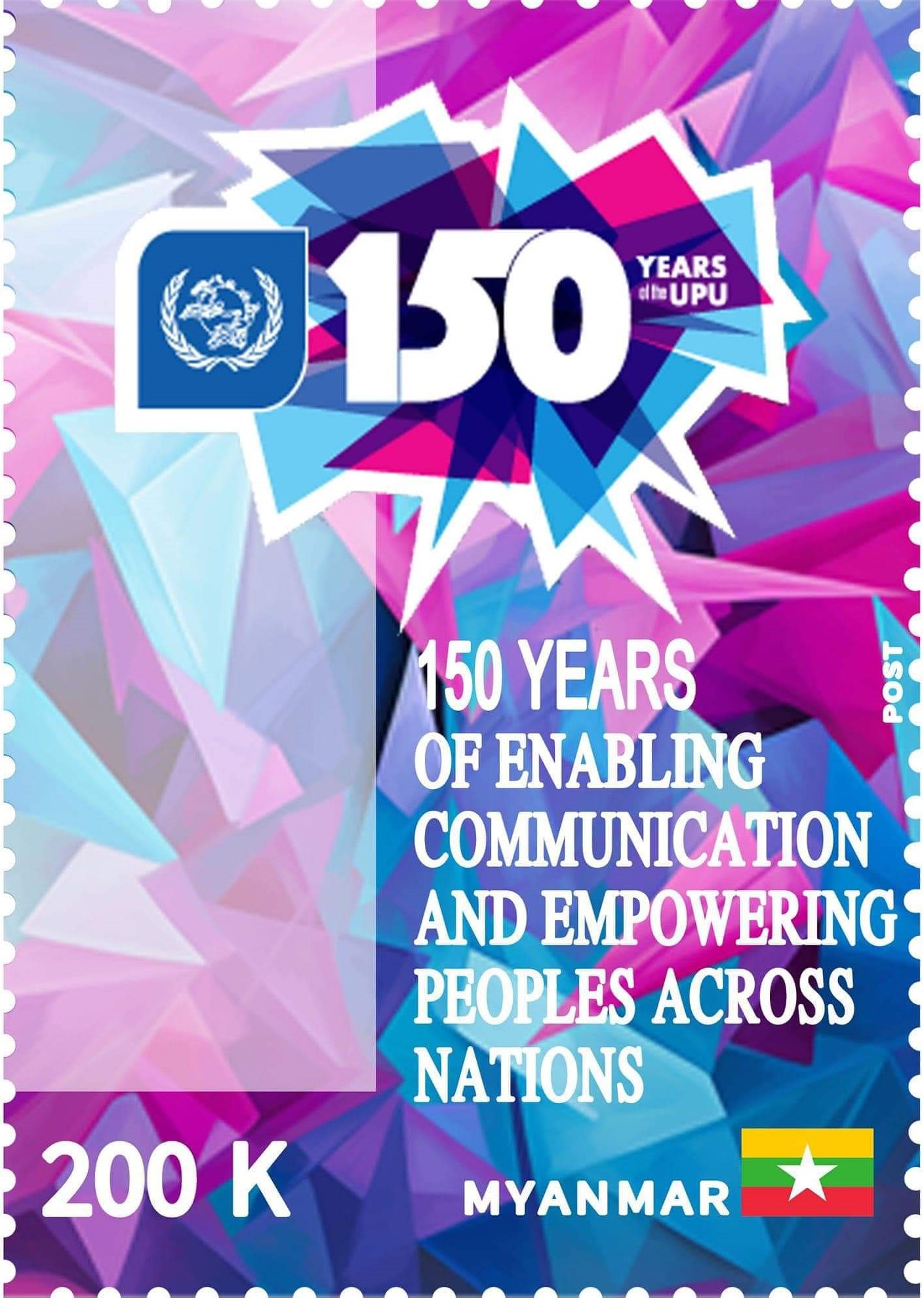
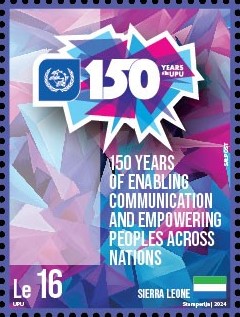
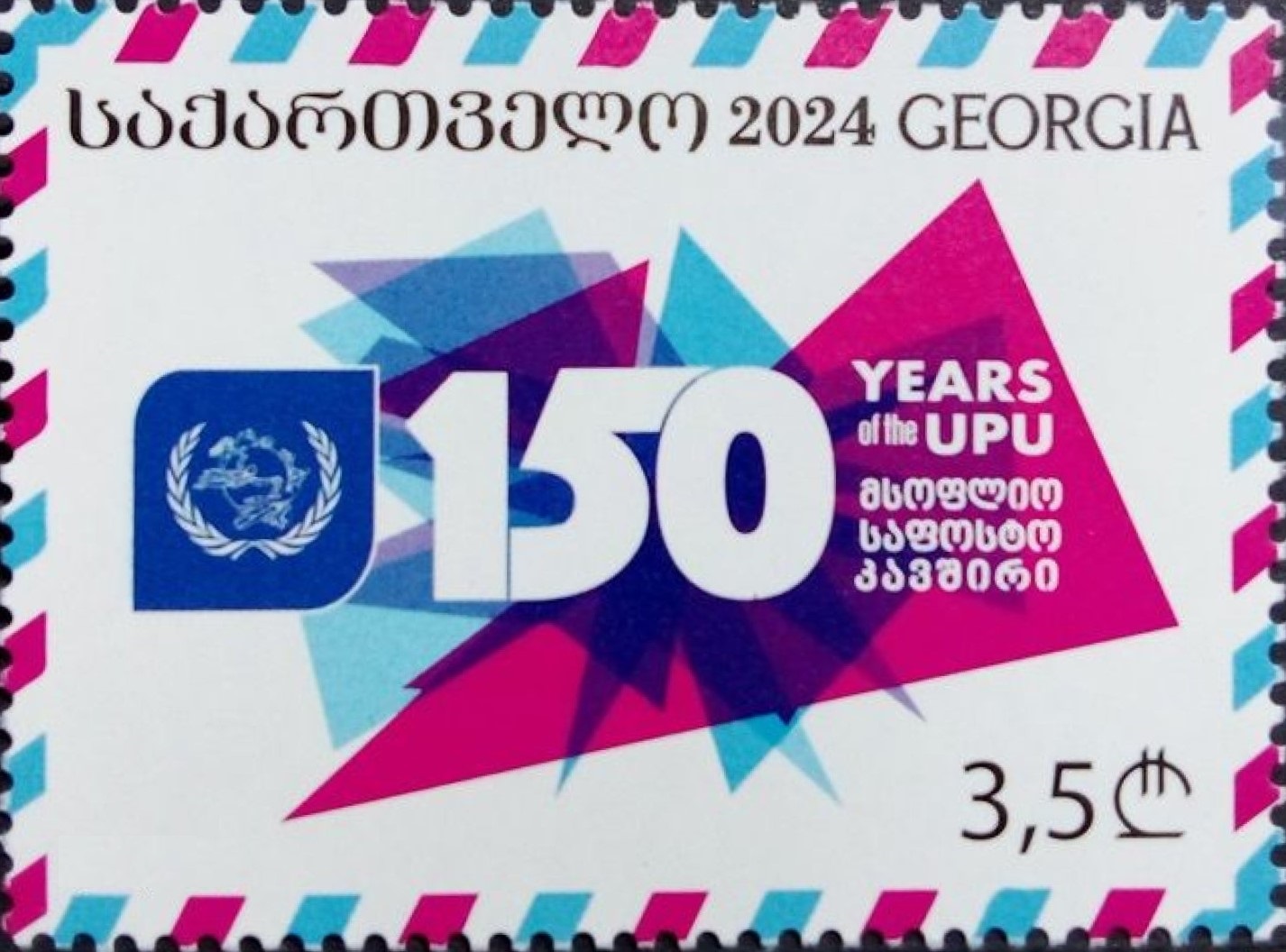
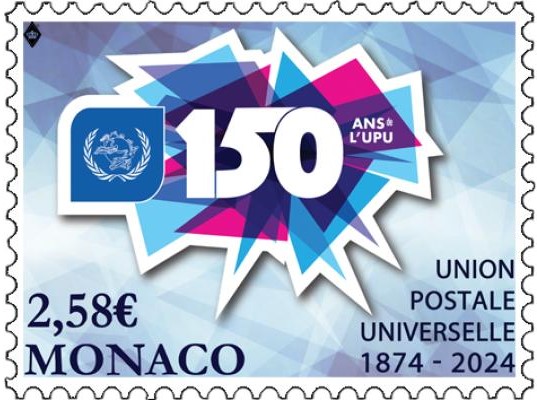
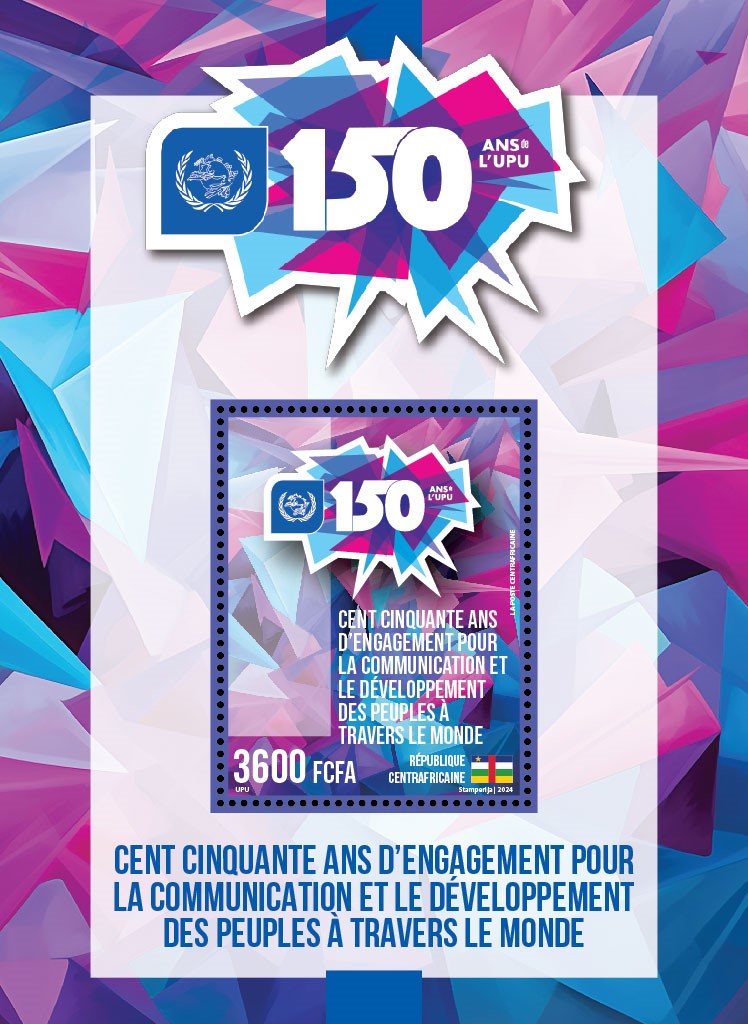
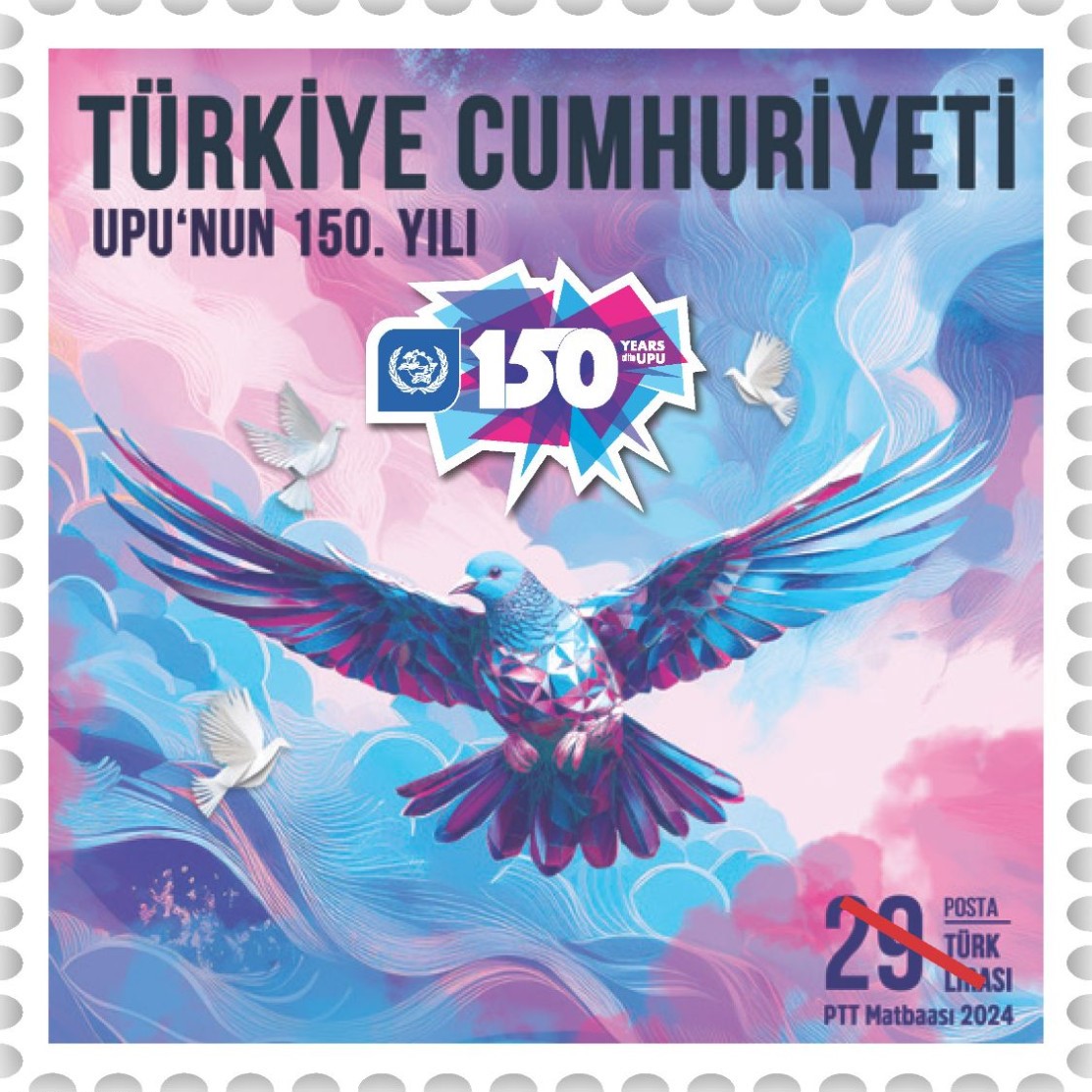
Since more than one year, we know that this anniversary will be celebrated with a stamp which common design was proposed by UPU. In the past, the 75th (1949) UPU anniversary was celebrated, but in a non-coordinated way, mainly by colonial entities (British, Dutch and French – D19490704, D19491001, D19491010, D19491018) and the 100th (1974) anniversary with stamps that remained different for all participating countries (N19741009). The same situation happened in 1999, with absence of concertation for the 125th anniversary celebration (N19991009). Eventually, so far, only the 145th anniversary in 2019 (T20191009b) could be considered as a Twin issue.

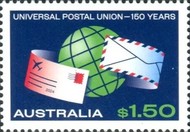
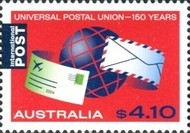
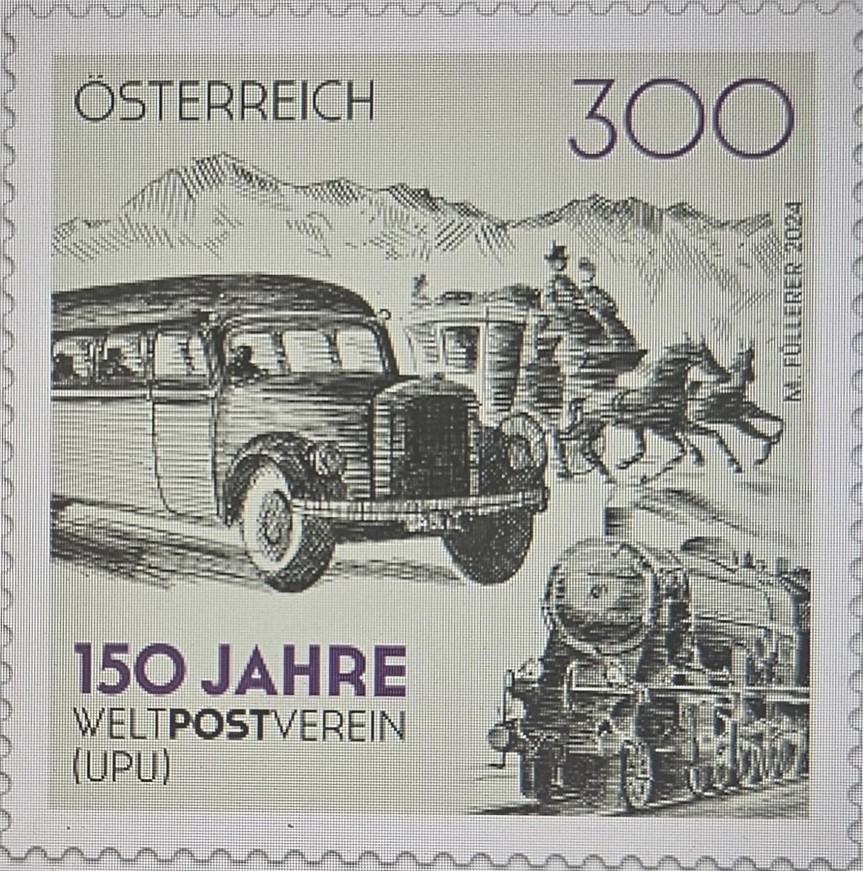
During this year of 2024, a very large number of countries are participating. In the strict sense, this has to be considered as a true joint issue, even if there was no real cooperation between countries, but a proposal of a design accepted by most of them and translated in a locally adapted stamp, for a large part of them issued at the anniversary date. It is not an Omnibus series, as Omnibus is defined by a central printing, not by the large number of participating countries. The 2024 stamps will be reported in the catalogue as a Twin issue under [T20241009]. It is easily understandable that some joint issues collectors do not integrate such large series in their collection, in the same way Europa-CEPT stamps are not acceptable for them. Each individual collector has to decide on the basis of the following.

In the catalogue, the countries will be divided in subgroups:

  • A: the countries which take the exact original design proposed by UPU and issue the stamp(s) on October 9, 2024 (or actually around this date, plus or minus a week, roughly between October 1 and October 17, 2024), according to the definition of a twin issue [T]
  • B: the countries which take the exact original design but issue the stamp at a different date. It should not be surprising if some countries may issue their stamp in 2025 or even 2026. This is the equivalent of a Concerted issue [C]
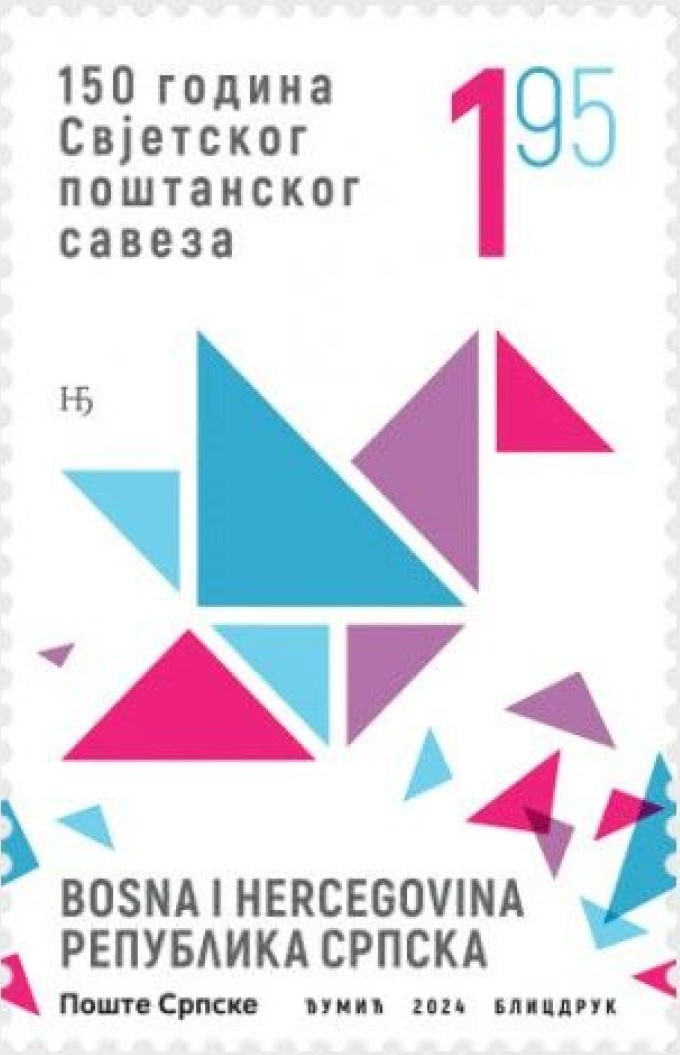
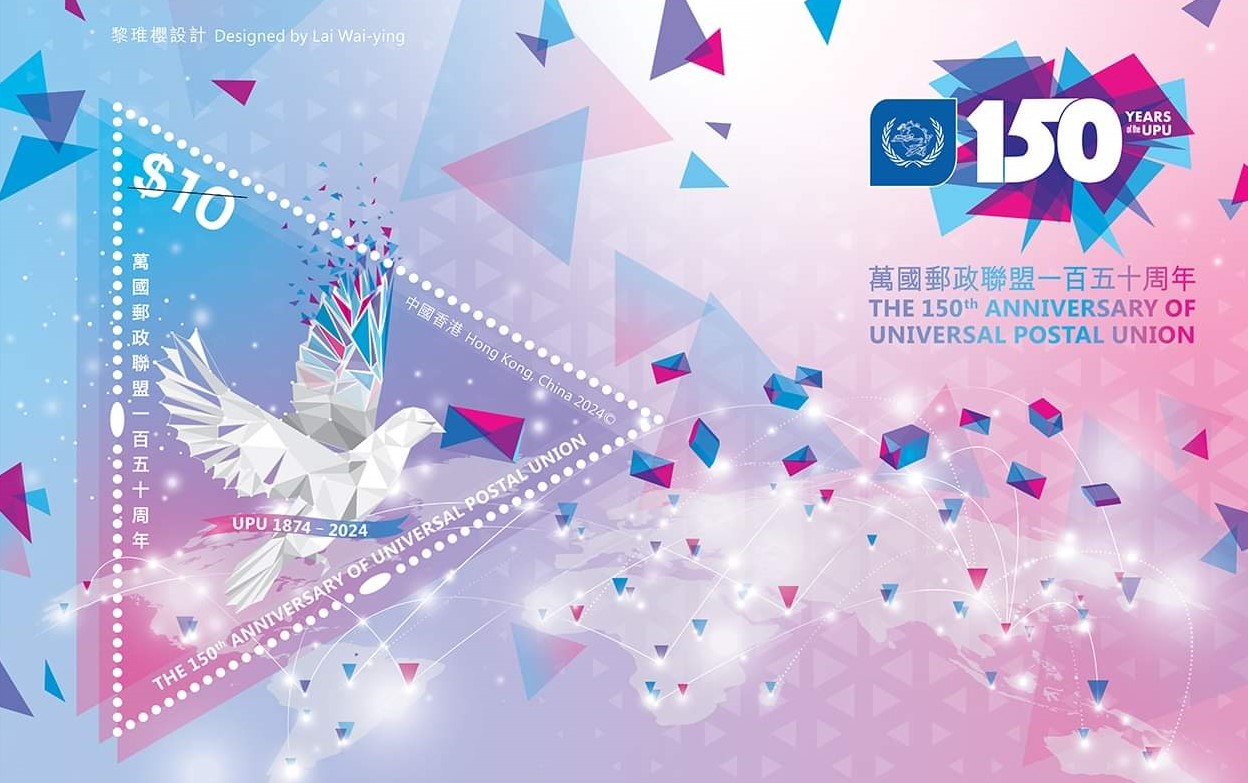
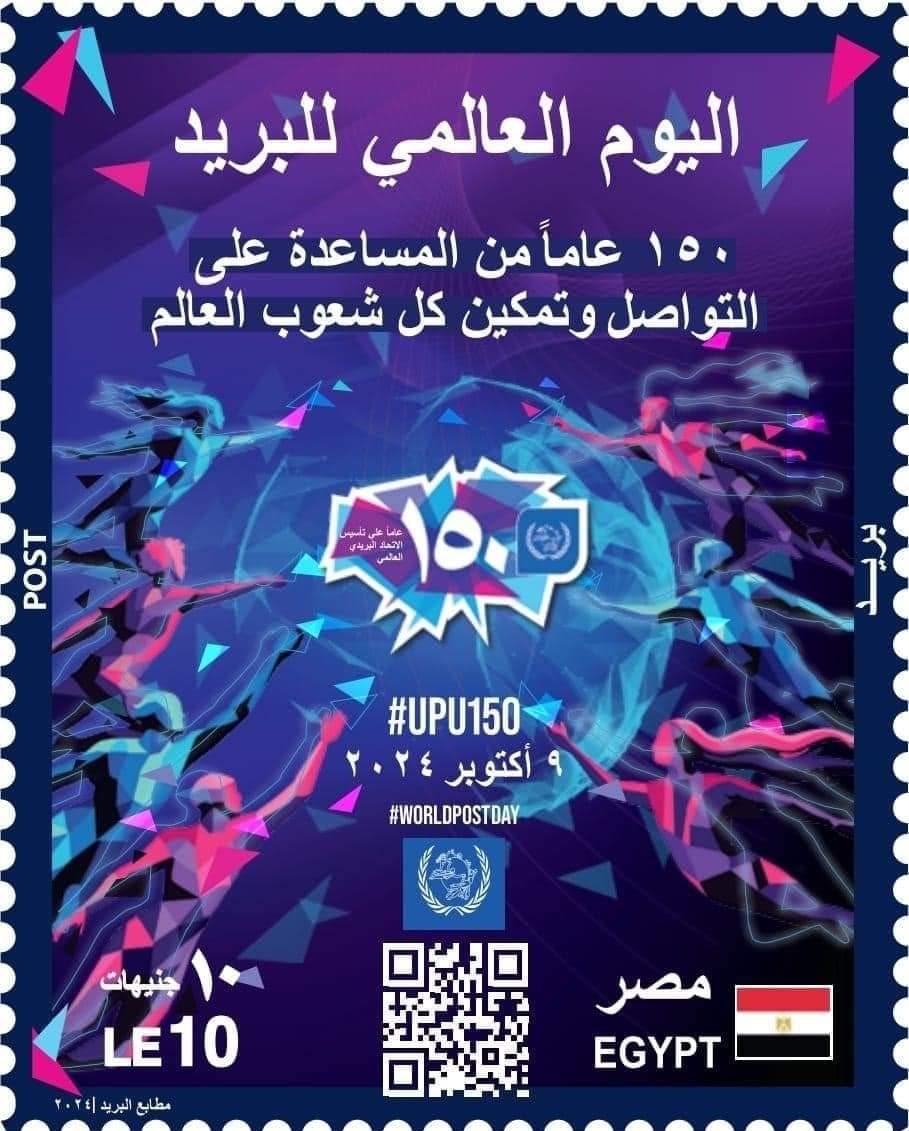
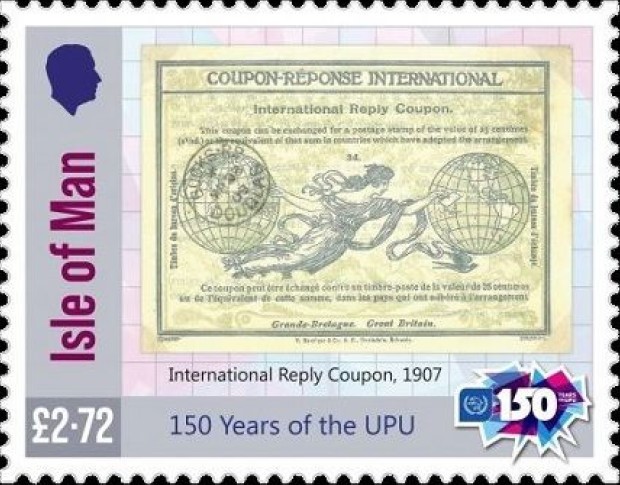
  • C: the countries which use only a part of the design, actually integrating only the “150” logo and add some other illustrations. This logo can appear within the stamp, or on the margin of a souvenir sheet or within a label. Those stamps are also considered as twin or concerted issues of Type [T2] or [C2]
  • D: the countries which use a completely different design, but still issue their stamp(s) around October 9, 2024. This is the equivalent of a Parallel issue [P]. In this case, the original logo may appear on the stamp, but at a size that remains smaller than the half of the surface of the stamp
  • E: finally the countries that do not want to stick to design and date, and work on their own, just referring to the UPU anniversary. These countries are simply listed, without details, as they cannot be considered as joint [N].

We will have again to take care of stamps that are created by agencies that are producing stamps for certain countries but which have been given the freedom to issue stamps without a real control from the reference countries. These stamps are easily recognized by the number of stamps issued in a series and they are produced to fool collectors. In order to better identify these stamps and because they remain real stamps but never reach the originating country, they will be reported in the catalogue, but in italics. In the same way, some other stamps such as the French stamp with a full common logo are of private origin (personalized stamp) that cannot be considered as part of this joint issue either. This will be true for any other privately produced stamp from other countries, if any, and also described in italic characters.

The countries for which we already have information are reported below. If a date between brackets is missing behind the country name, this means that this stamp(s) was issued on October 9, 2024. If the content of the brackets remains empty, this means that the exact issue date is not known yet. A large number of images were provided by Enzo Cafaro (Italy). The following list is of course not yet complete.

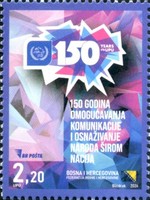
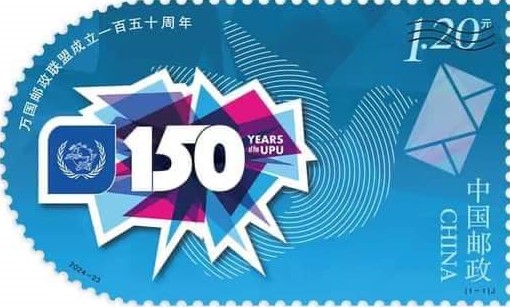
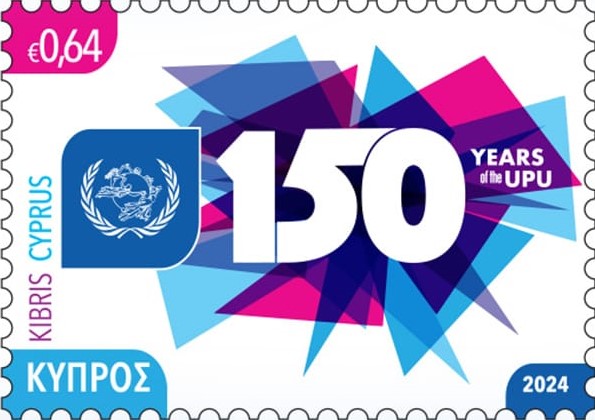
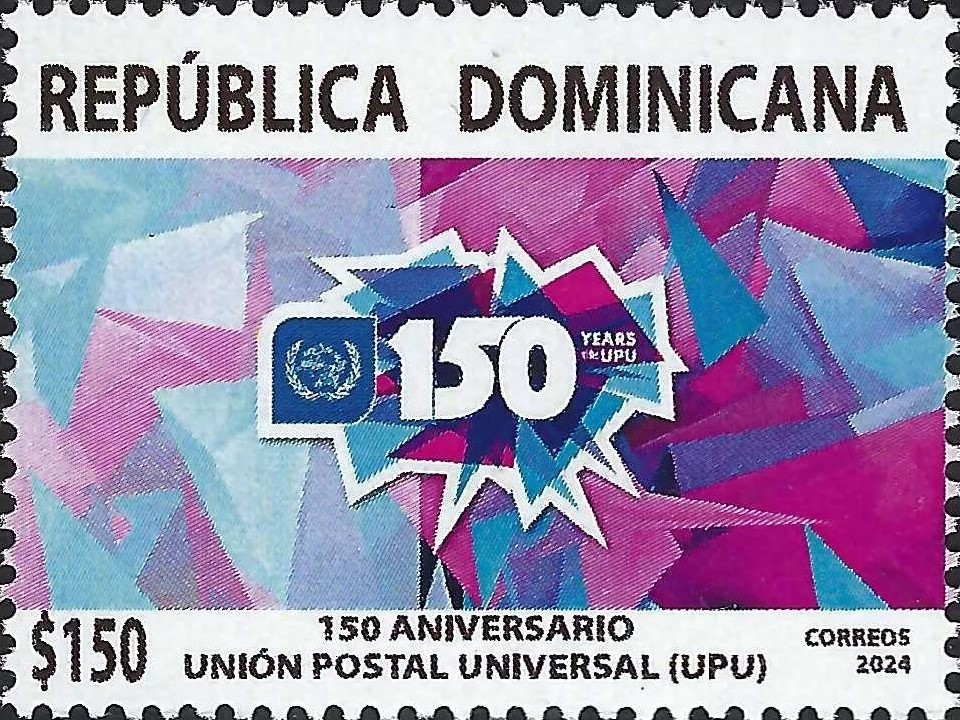
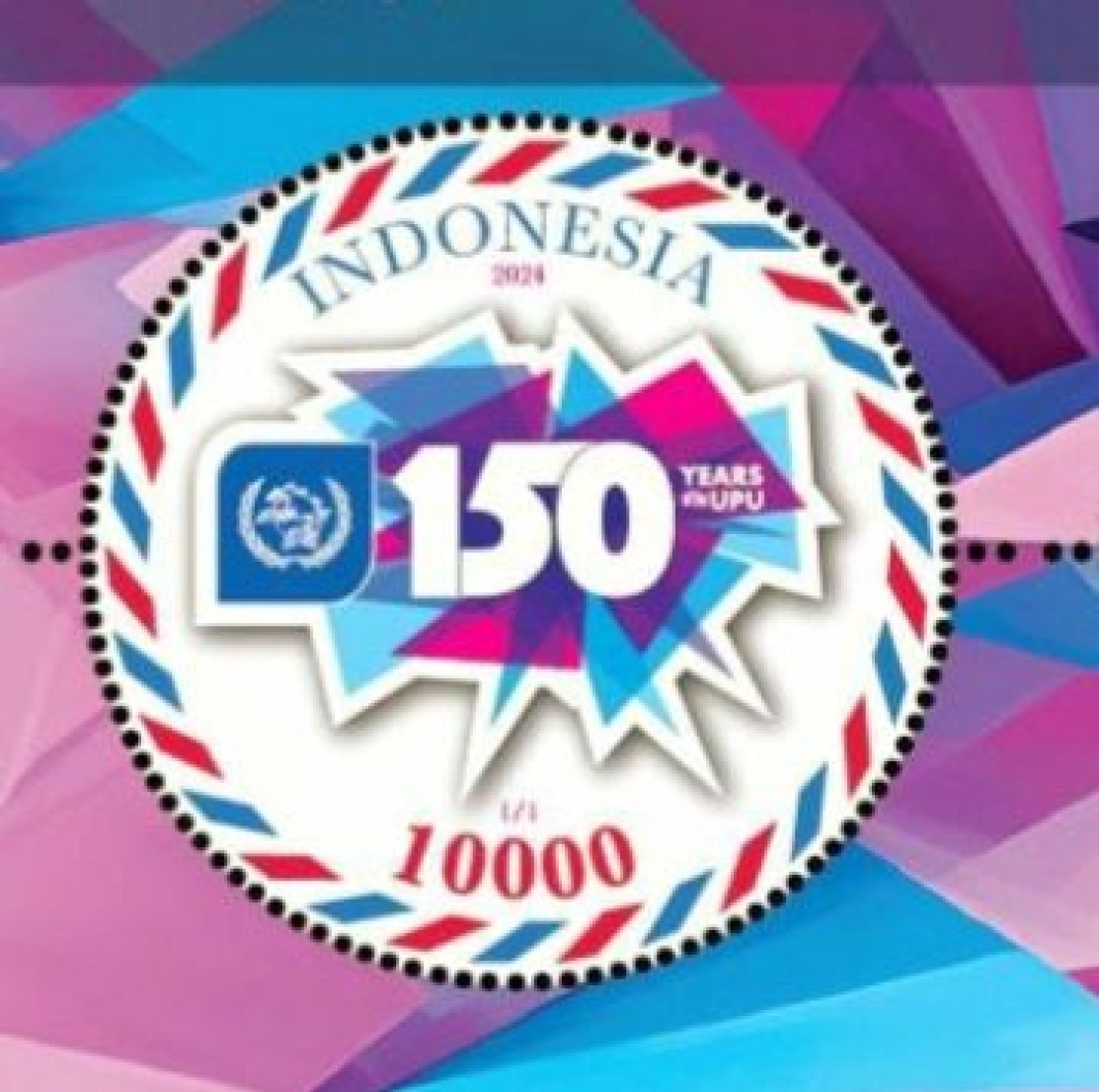
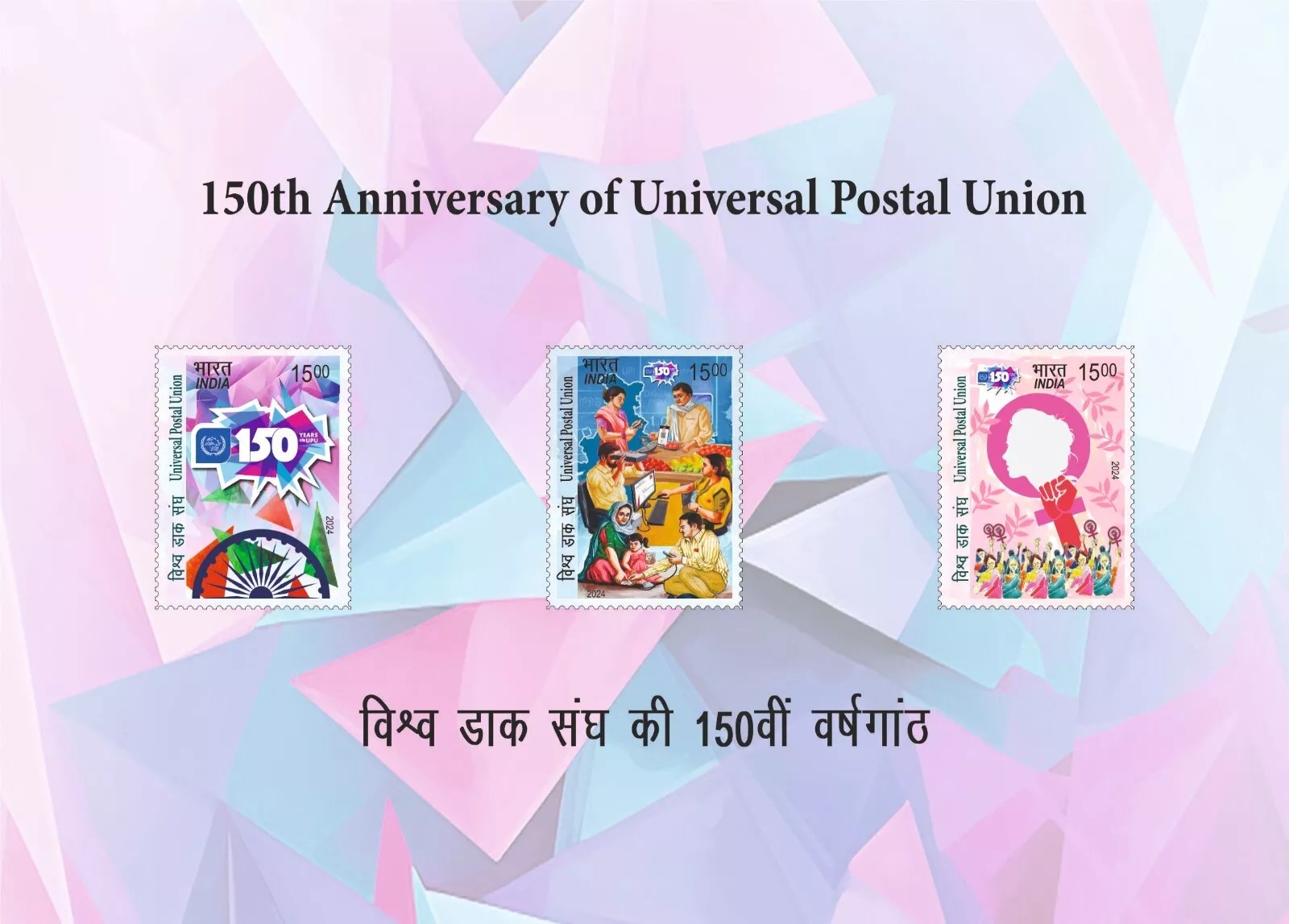
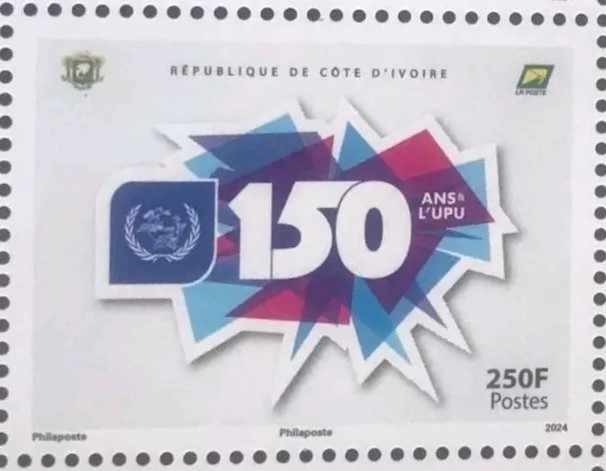
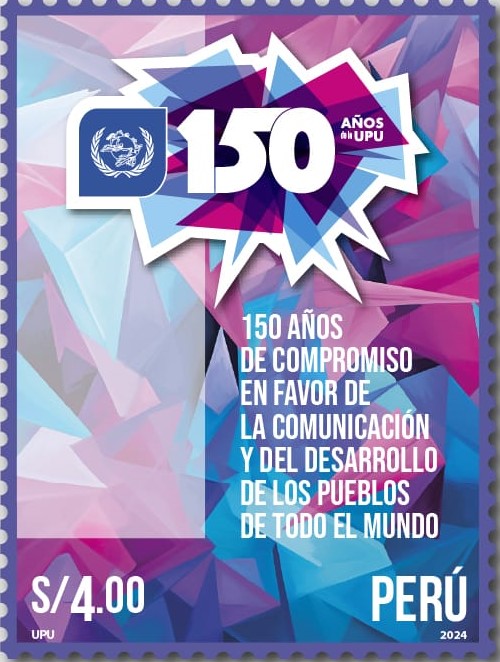
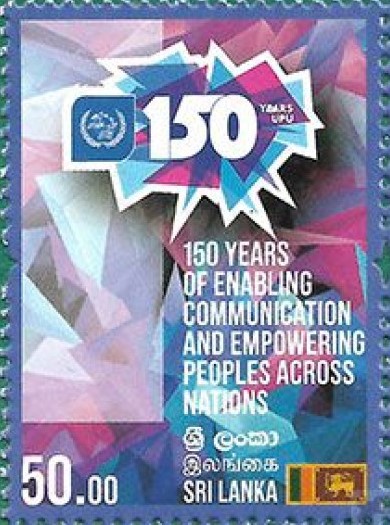
Countries of type A (Twin [T1]): Algeria – Andorra (French) (October 10) – Andorra (Spanish) – Armenia – Bangladesh – Belarus – Bosnia Herzegovina (Bosnia) – Brazil – China (PR) – Croatia – Cyprus – Dominican Republic – Greece – Guernsey – India – Indonesia – Ivory Coast – Jordan – Latvia – Lithuania (October 4) – Mauritius – Moldova – Myanmar – Paraguay – Peru – Romania – Sri Lanka – Thailand – Turkmenistan (October 8) – Ukraine – United Arab Emirates

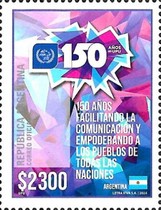
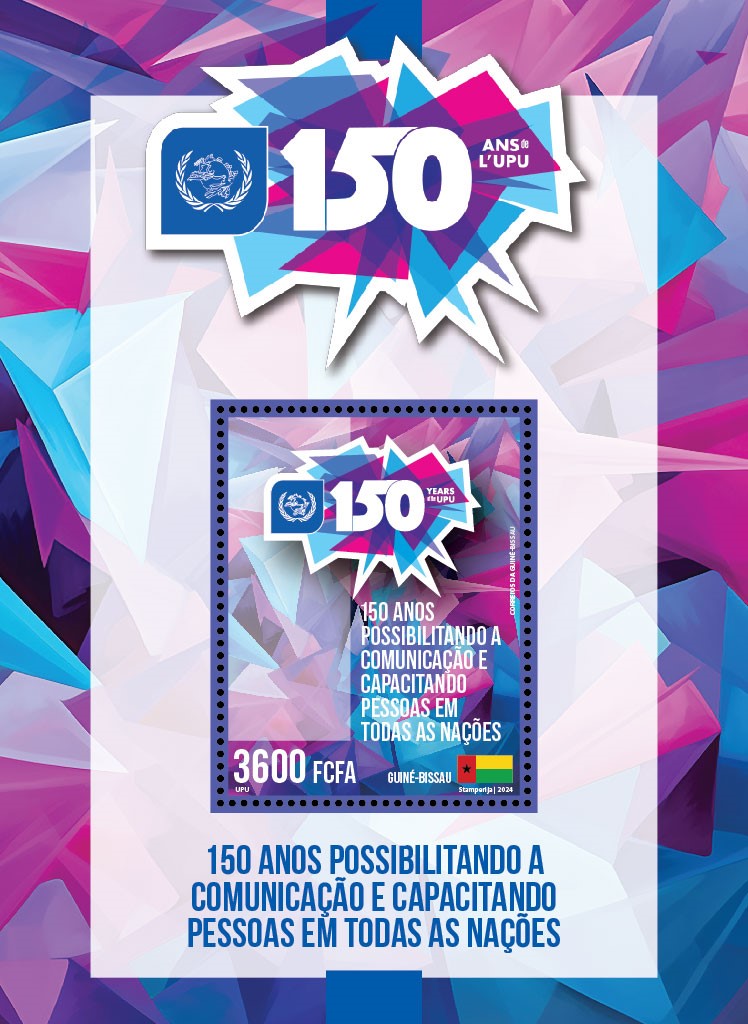
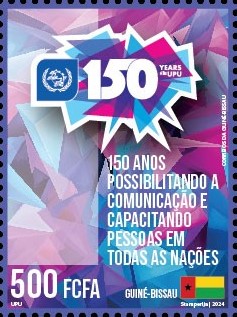
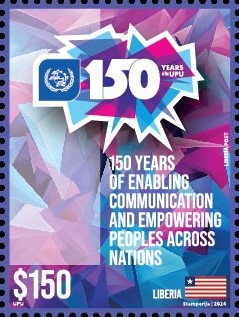
Countries of type B (Concerted [C1]): Argentina (August 28) – Azerbaijan (February 1)Burundi (September)Central Africa (September)Djibouti (September) – Georgia (June 1) – Guinea (September)Guinea-Bissau (September)Liberia (September)Mali (September) – Monaco (May 30) – Mongolia (September 25) – Sierra Leone (September)Togo (September)

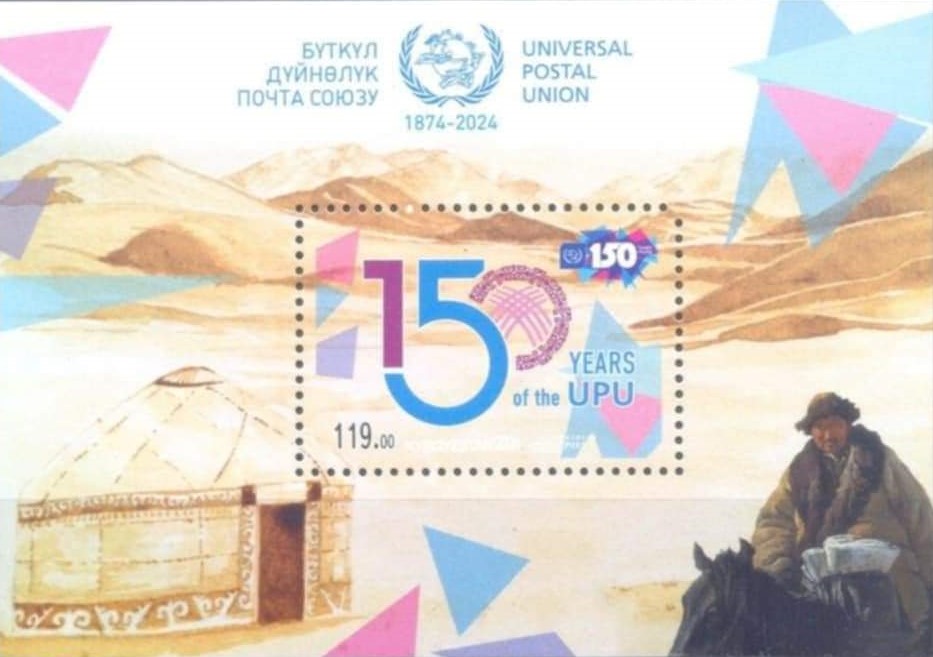
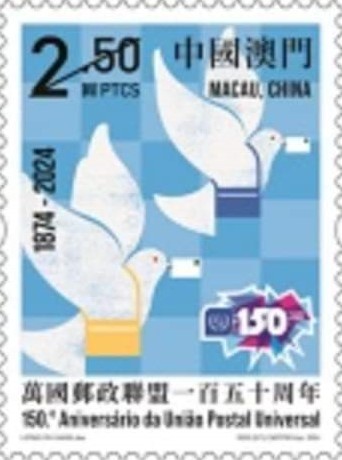
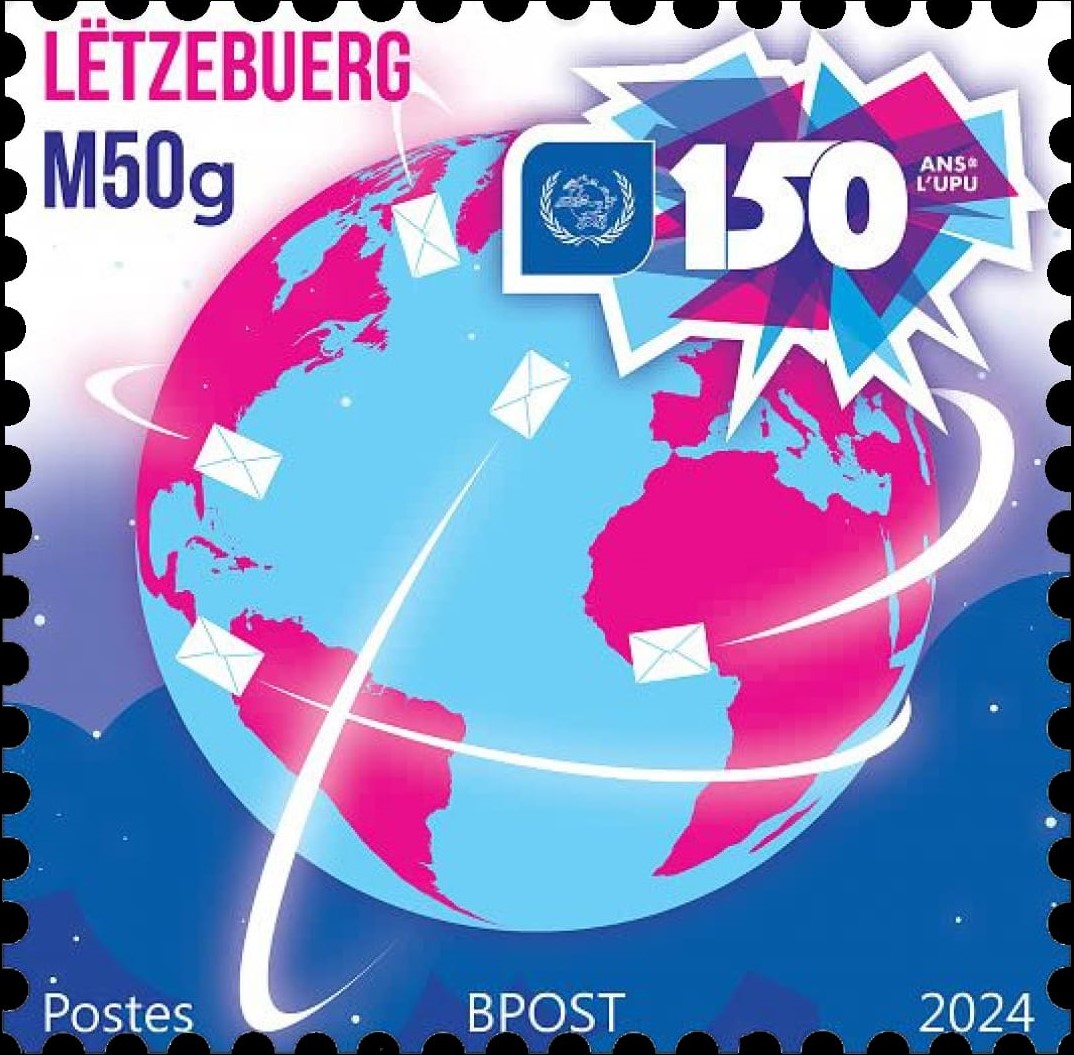
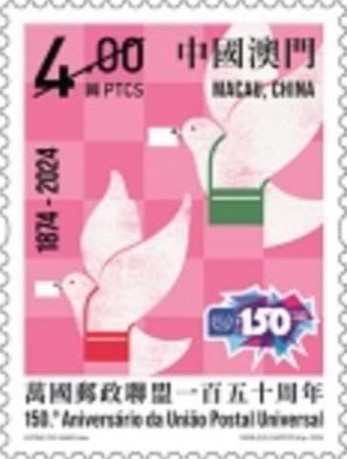
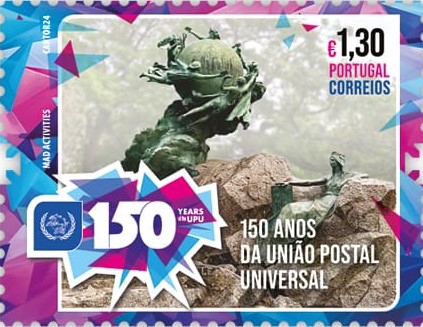
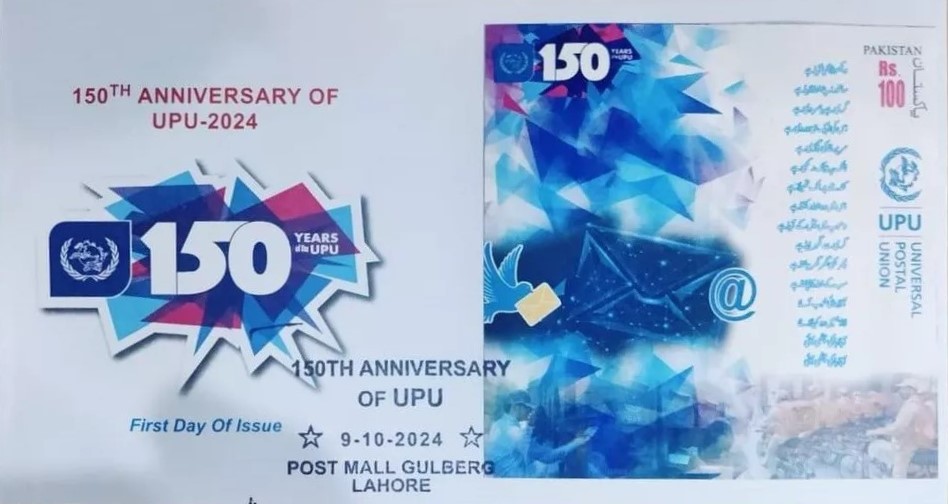
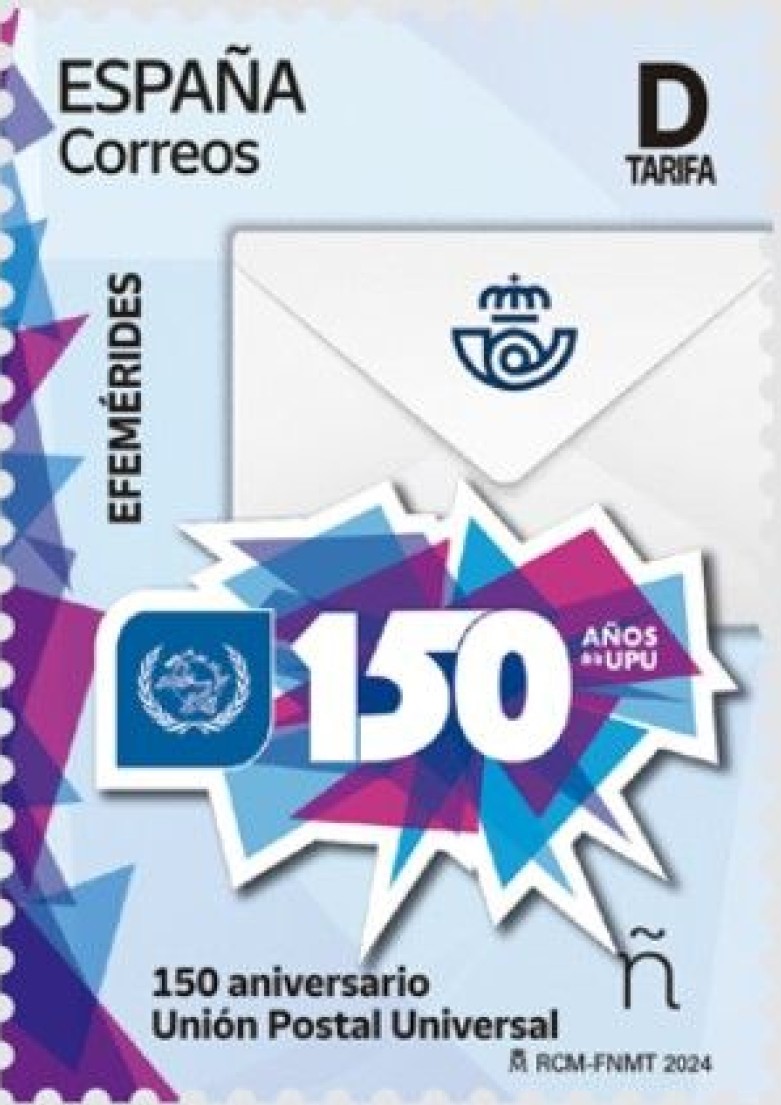
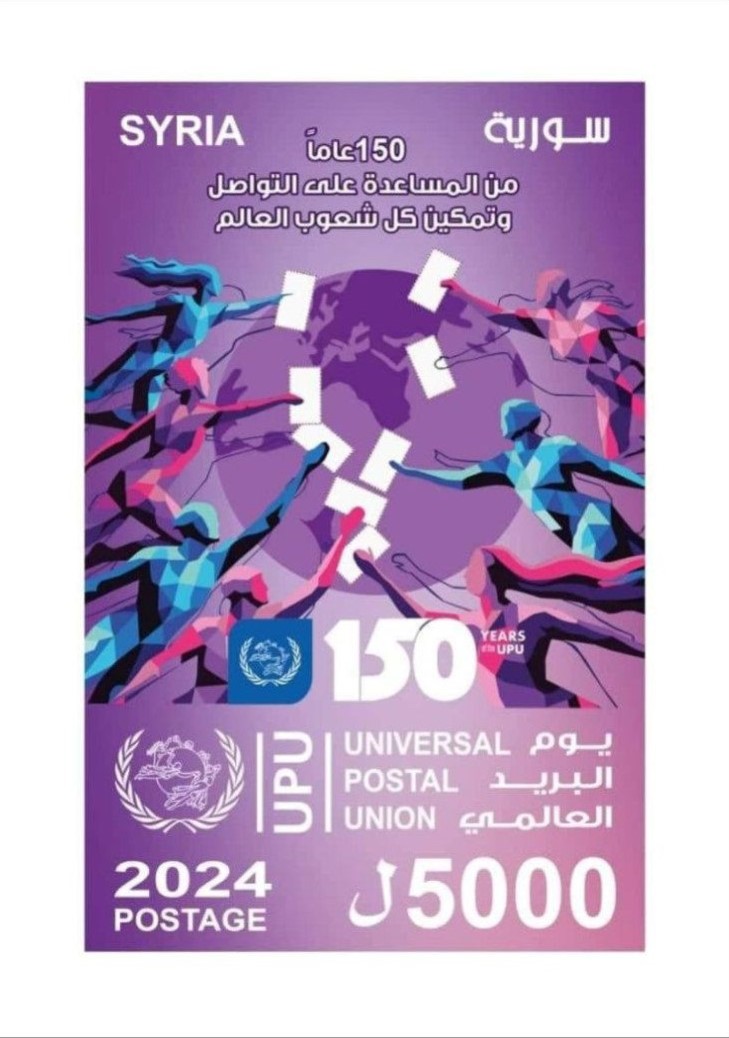
Countries of type C (Twin or concerted [T2] or [C2]): Bosnia (Serbia) – Egypt () – France (October 14) – Hong Kong – Hungary (July 24) – Isle of Man (August 30) – Japan – Kyrgyzstan (October) – Luxembourg (September 10) – Macau – Malaysia – Morocco – Pakistan – Portugal – San Marino – Saudi Arabia () – Singapore – Slovenia – Spain – Syria – Tunisia – Türkiye – Uruguay – Uzbekistan () – Vietnam

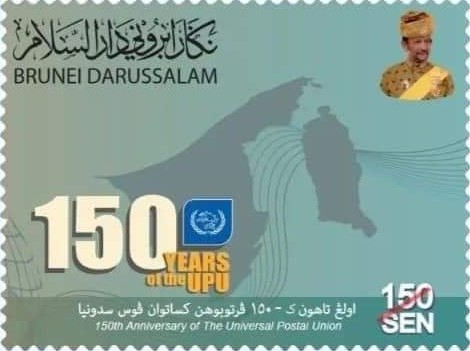
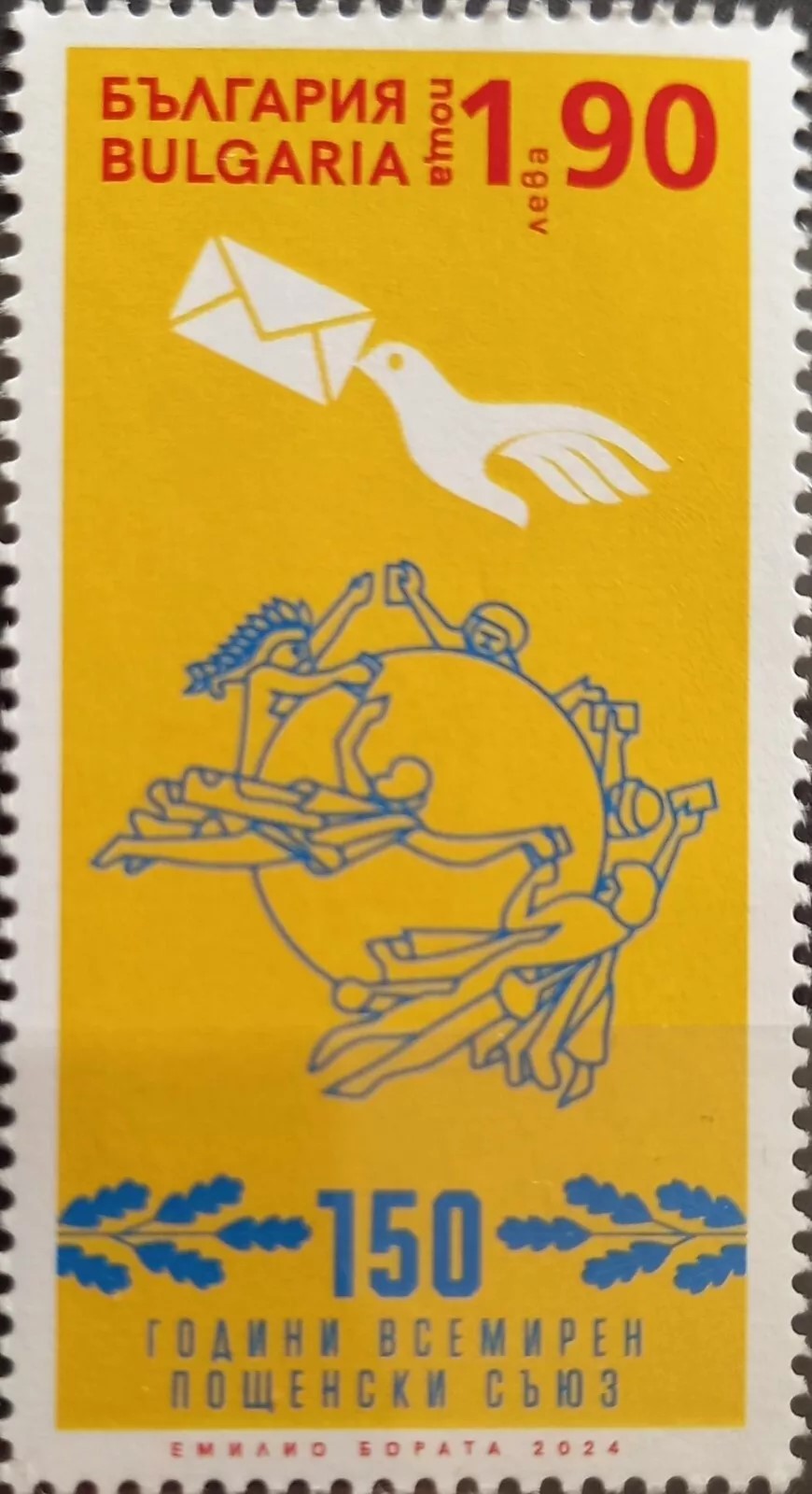
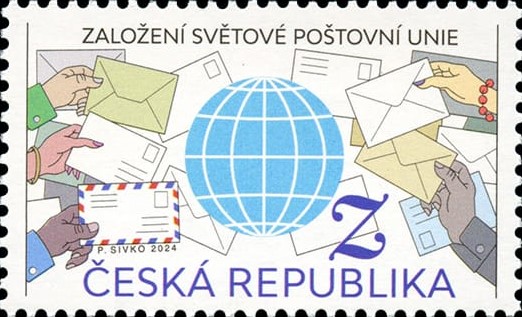
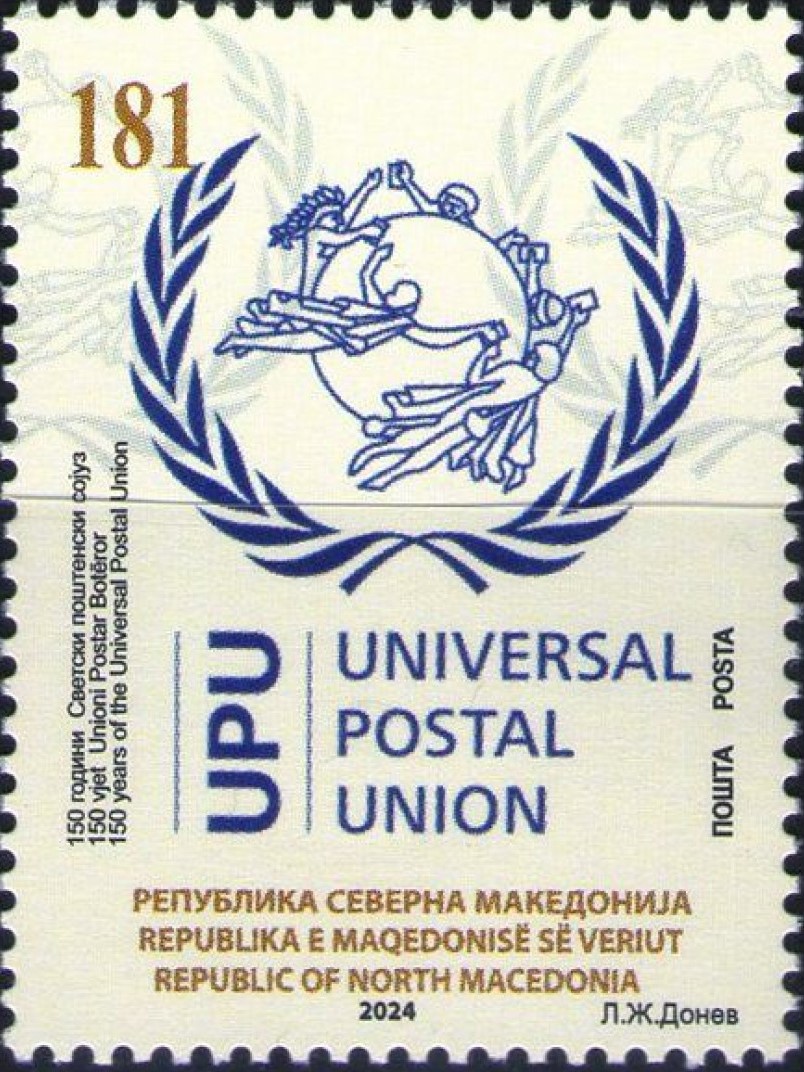
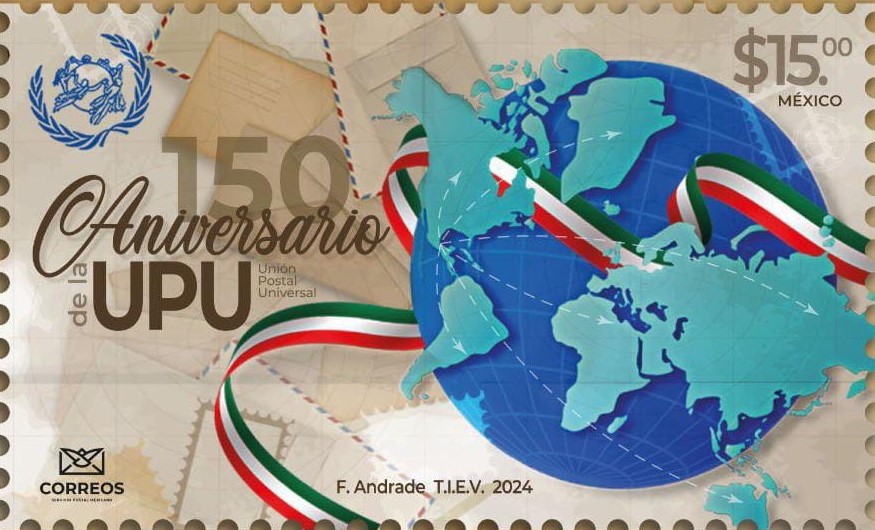
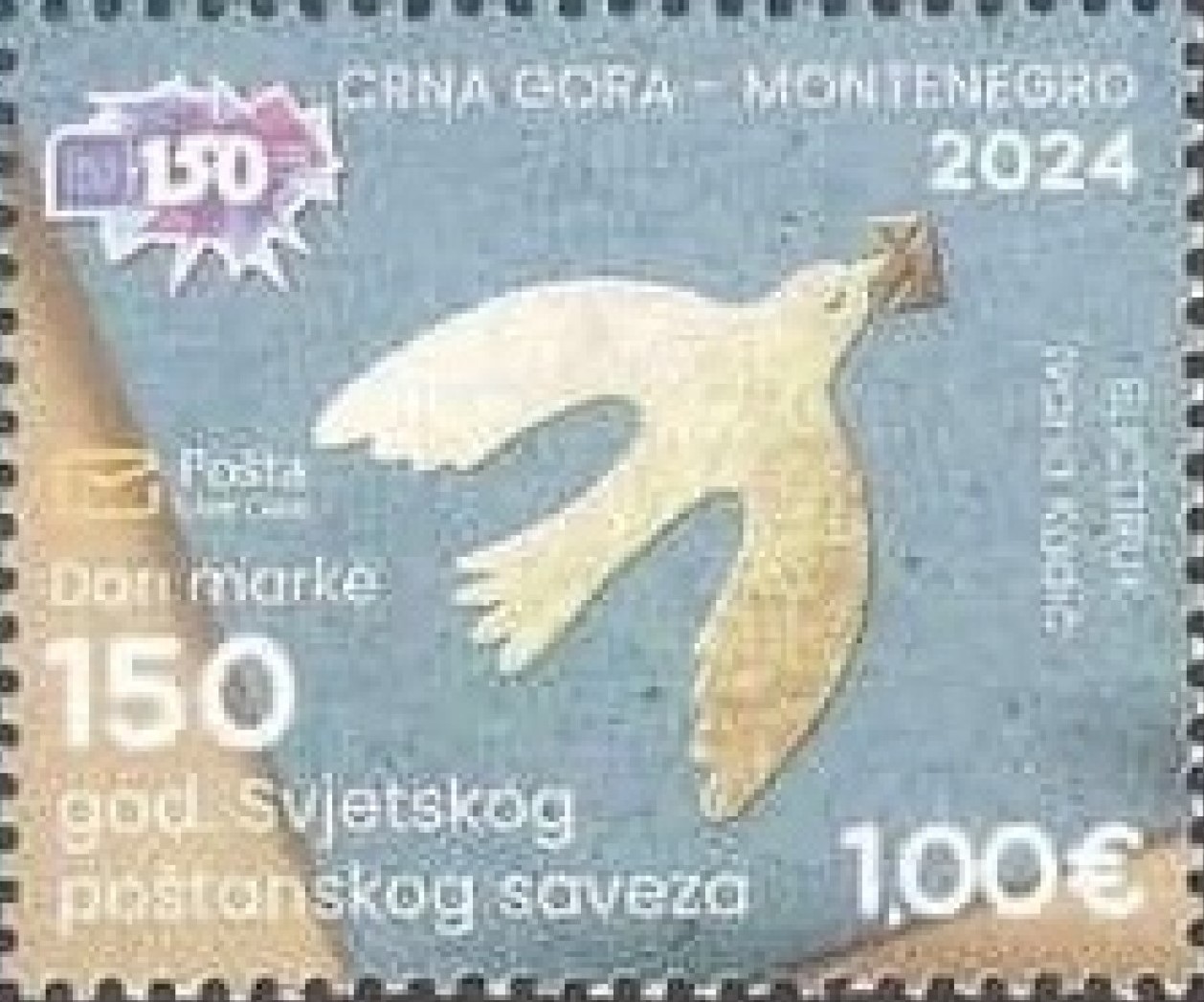
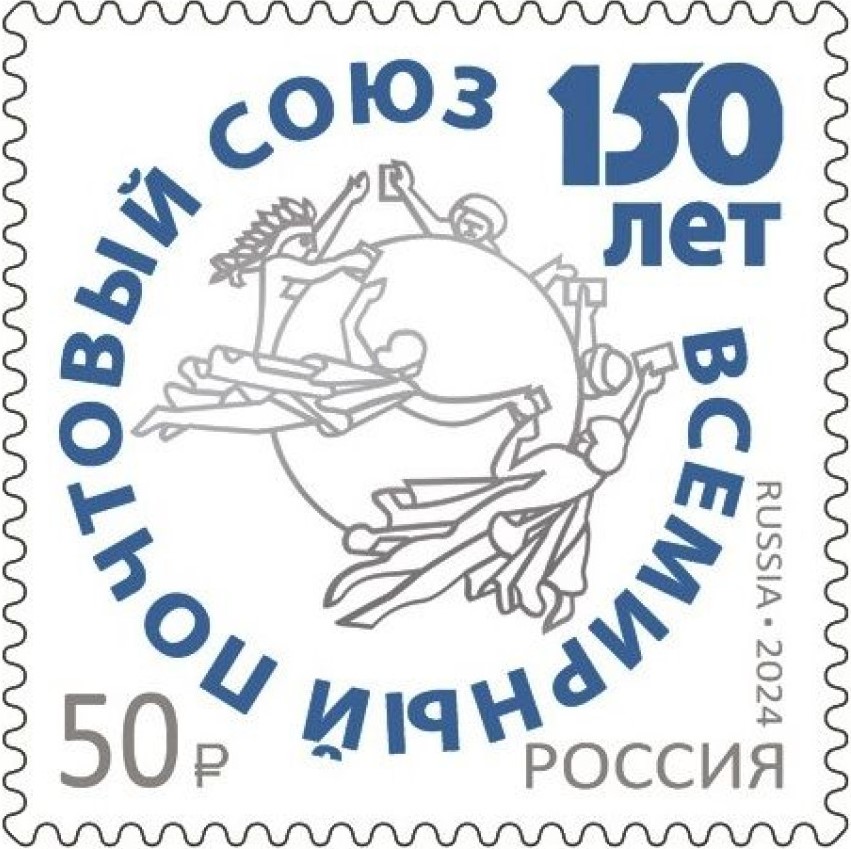
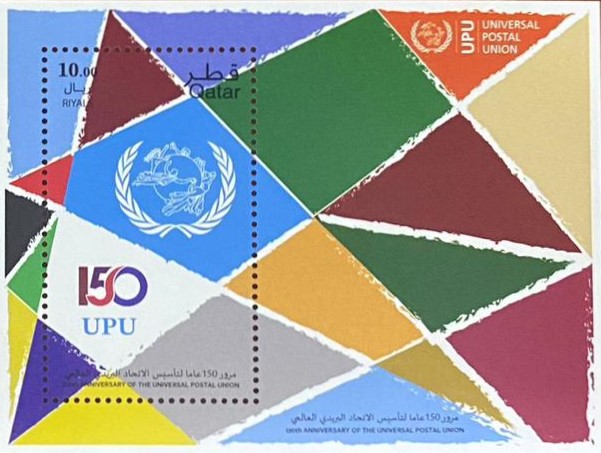
Countries of type D (Parallel issue [P]): Australia (October 1) – Austria (October 4) – Brunei Darussalam () – Bulgaria – Czech Republic – French Polynesia – Germany (October 10) – Macedonia (North) – Mexico – Montenegro – Qatar () – Russia – Slovakia – Switzerland (September 5) – Tajikistan (May) – Vatican (September 16) – Wallis and Futuna

Countries of type E (not considered as joint): Belgium (June 10) – Serbia (May 25) – United Nations – Geneva (May 30) – United Nations – New York (May 30) – United Nations – Vienna (May 30).

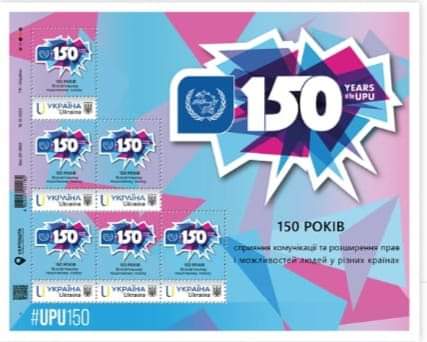
So far, 86 countries are listed above to which one has to add 2 postal authorities that have issued stamps that cannot be considered as joint (Type E – United Nations offices are not taken in account as countries, UPU being a sub-unit of the United Nations). The UPU counts presently 192 members, which means information from 106 countries (!) is missing. Obviously there will be an update of this page. A great help is needed here to recover information from other participating countries. We are also missing better quality images for stamps from Ivory Coast and Ukraine. Thanks a lot in advance for providing name of missing countries, exact dates of issue, and when possible illustrations, printing runs, sizes of panels and by-product lists.

The catalogue pages should be updated within the next week.

Summer 2024 complement

During the month of August 2024 a few joint issues were supposed to take place and did not as expected. Also some additional information was provided for existing issues. Several collectors provided interesting information that are now described in this post.
The ASEAN series of August 8, 2024 was not completely described in the first blog page. Here are some additional pictures that were not shown so far. Brunei, Cambodia, Laos and the Philippines stamp pictures became available in the meantime.

On August 24, 2024, Russia and China (PR) were supposed to release joint stamps representing pandas. The date had already been postponed from originally August 4, 2024. Indeed, Russian stamps were released on that new date, but so far there are no news from China, the last Chinese stamps having been released on August 22, 2024. Any information is welcome.

When the Japan Turkish joint issue from August 6, 2024 was released, another miniature sheet containing five different stamps became available from the Turkish Post. This item was part of a limited edition folder that was printed only at 4,000 samples. Of course, this item needs to be described as complementary material in the catalogue, but this is not the kind of items we like, as, even if those stamps are to be considered a true postage material, due to the limited availability and probably their absence of use on mail, they are closer to expensive cinderellas than to true stamps.

Enzo Cafaro (Italy) contacted the Turkish postal administration, which answered that this issue is not considered by them as joint, despite same date and common logo. In fact, some postal administrations do consider an issue to be really joint only if they organize a common booth in both countries on the first day of issue and/or if they produce official mixed FDC. If that would be the criteria for defining joint issues, then half of the catalogue should be discarded. But in this case we still have a real proof of collaboration during the preparation phase, which eventually led to the conclusion that each country would work by its own, following just to an agreement about the content. Some exchange of material did take place (e.g., the logo). This issue will be considered and maintained in the catalogue as a parallel joint issue. Note that over the past 30 years, Türkiye (Turkey) and Japan issued at several occasions stamps with the common topic of relationship (1988, 1990, 2010, 2019, 2021 and now 2024), some of them being considered as joint and described in the catalogue. Up to you to decide if you want to add those to your collection. In the catalogue, the stamps will be considered as a true parallel issue, but the additional Turkish miniature sheet will be described in italics and gray color.

On a completely different aspect, note also that the Turkish government has recommended and requested that the English spelling of the country name should now be ‘Türkiye‘ instead of ‘Turkey’, while the adjective Turkish can continue to be used. Starting 2024, we will use in the catalogue the new spelling ‘Türkiye’ but keep the older spelling between brackets i.e. ‘Türkiye (Turkey)’, in order to avoid the loss of some information when using e.g. the ‘Search’ tool.

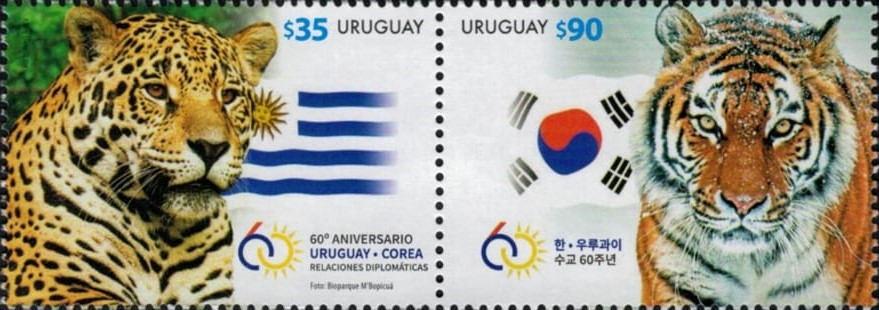
Very recently, we heard about an Uruguay – Korea (South) joint issue and got, through Enzo Cafaro (Italy), information from the Uruguayan side. The stamps were issued on September 10, 2024, but no information is available so far from South Korea. Help is also needed here.