UPU 150th anniversary: second update

Since the publication of the original blog page related to the description of stamps linked to the 150th UPU anniversary (October 9, 2024) and the first update, as expected, additional stamps and countries have been discovered and are now described below. It seems this is still not the last update. This complementary list is divided on the basis of the same structure as the one provided earlier, in the first update:

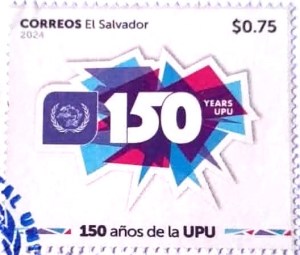
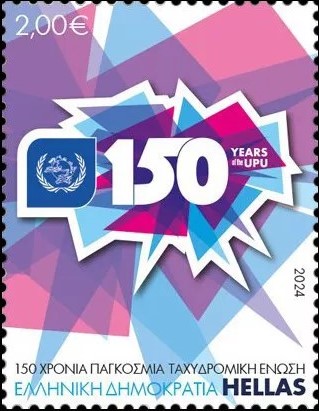
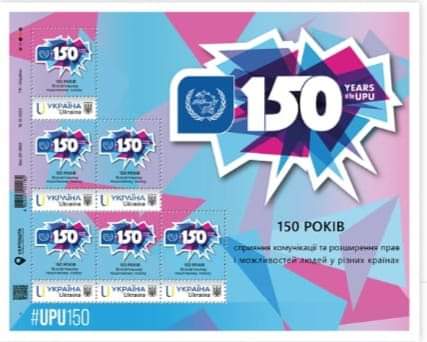
  1. Countries of Type A (Twin [T1], same date, same design), additional country: El Salvador (October 9, 2024).

2. New country of Type B (Concerted [C1], different dates, same design): Nepal (December 17).

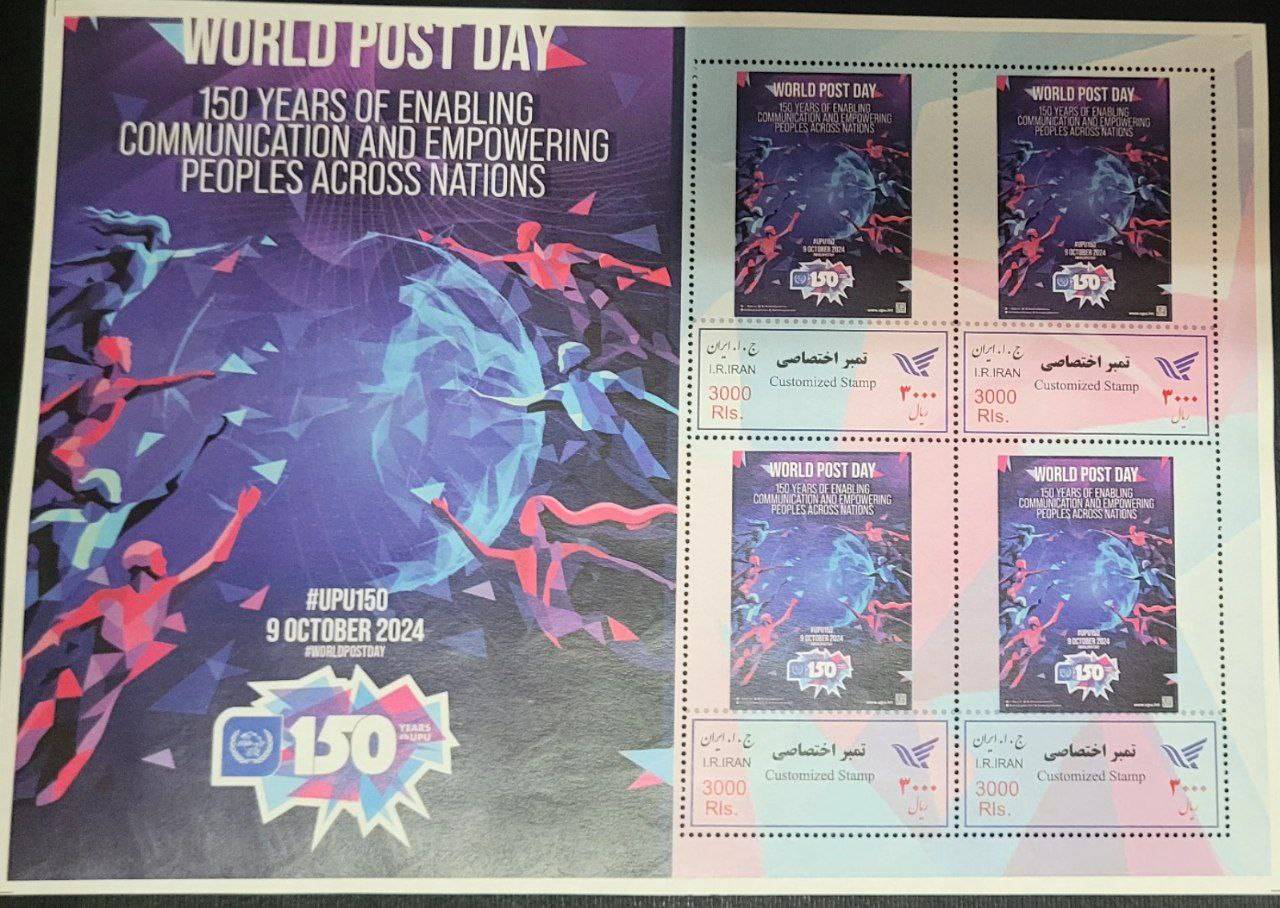
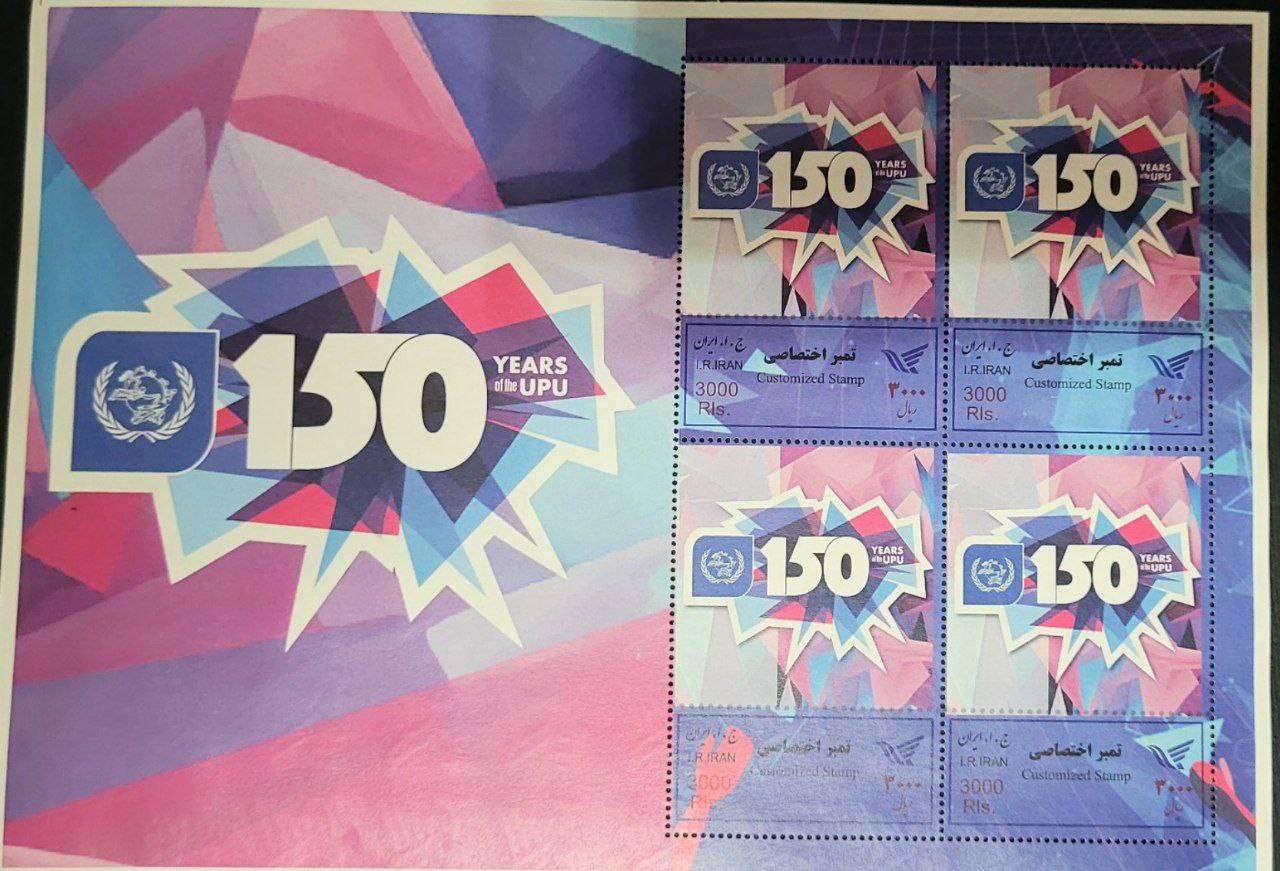
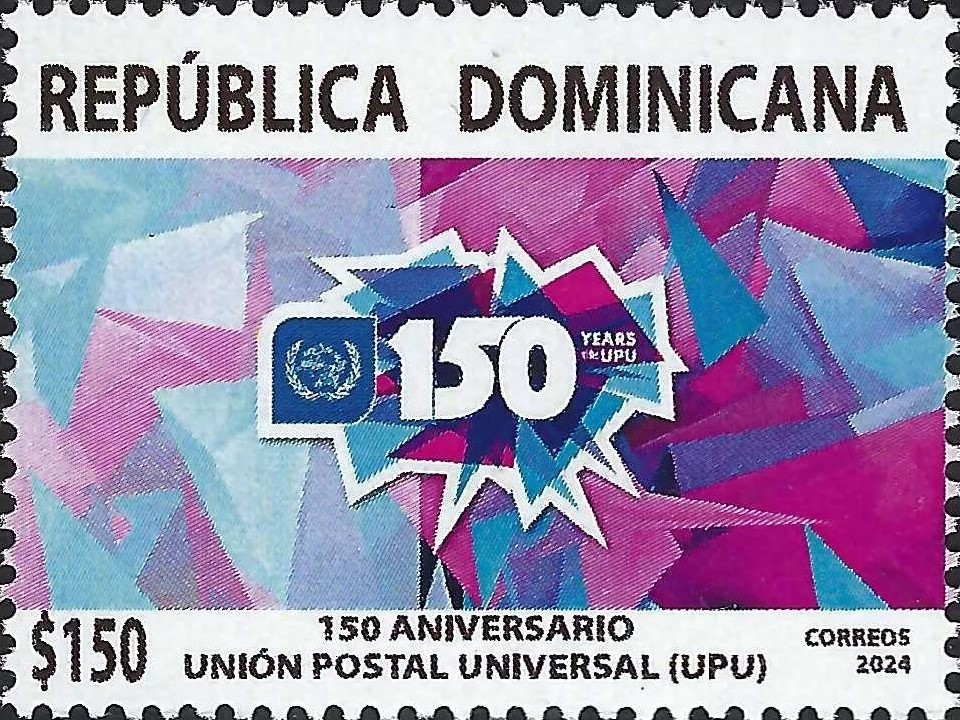
The Dominican Republic stamp was issued October 26, 2024 and therefore has to be moved in this sub-category. Same for Lybia which stamps were issued on October 22, 2024 instead of October 9, 2024. In Iran, two stamps appeared also, printed in miniature sheets of 4 stamps but in fact made of an illustrated label with the UPU anniversary logos, attached to a stamp with text only. It seems that these stamps correspond to (privately) personalized stamps with limited printing runs (additional information is needed here). As belonging to this sub-group, these two stamps will be described in the catalogue in italics characters.

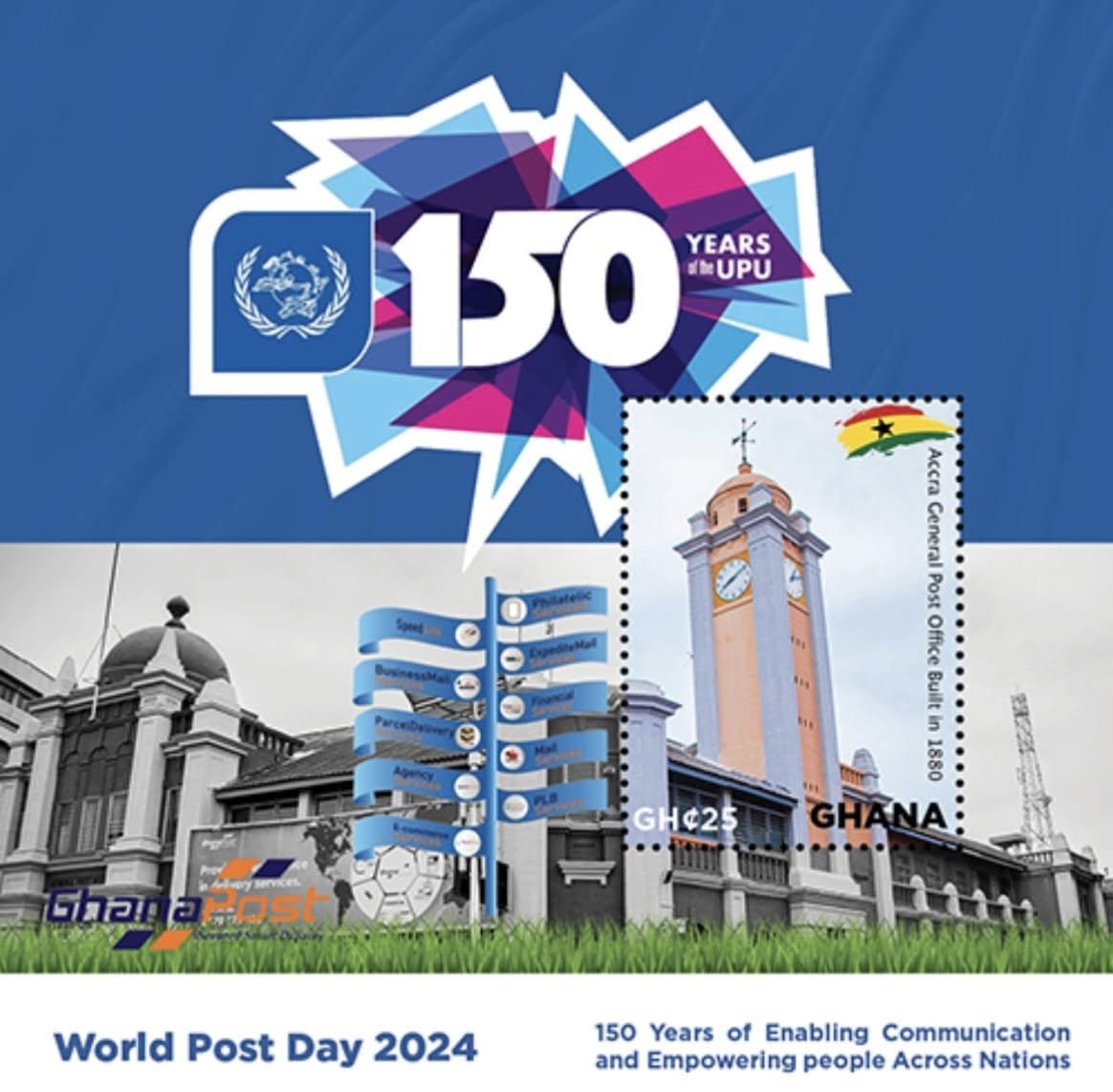
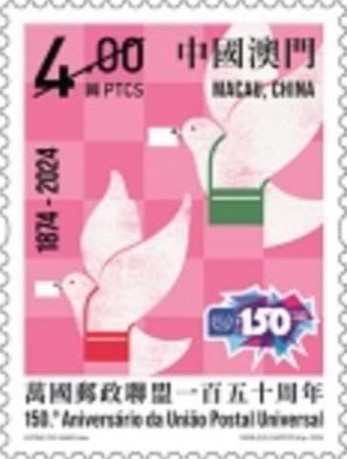
3. New countries of Type C (modified design – only logo [T2], [C2]): Ghana (), Italy (November 21), the Philippines ().

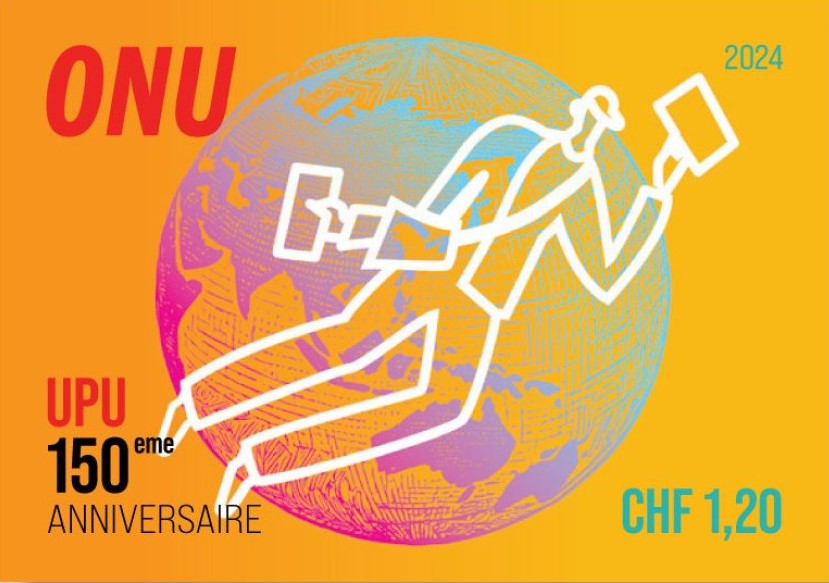
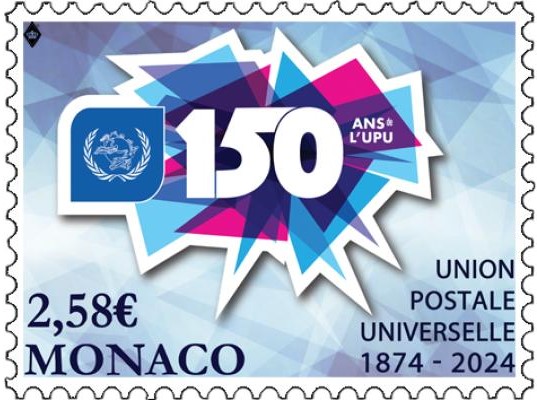
The exact date of issue for the Uzbekistan stamp is known now to be May 17, 2024. The United Nations stamps (Geneva, New York, and Vienna) had to be re-integrated in this category as the miniature sheets of 9 stamps [3×3] bear in the top margin the logo of the 150 UPU anniversary. These stamps were issued already on May 30, 2024.

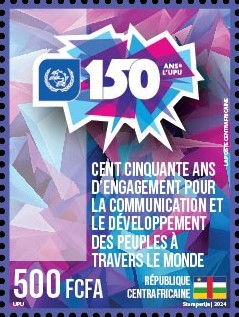
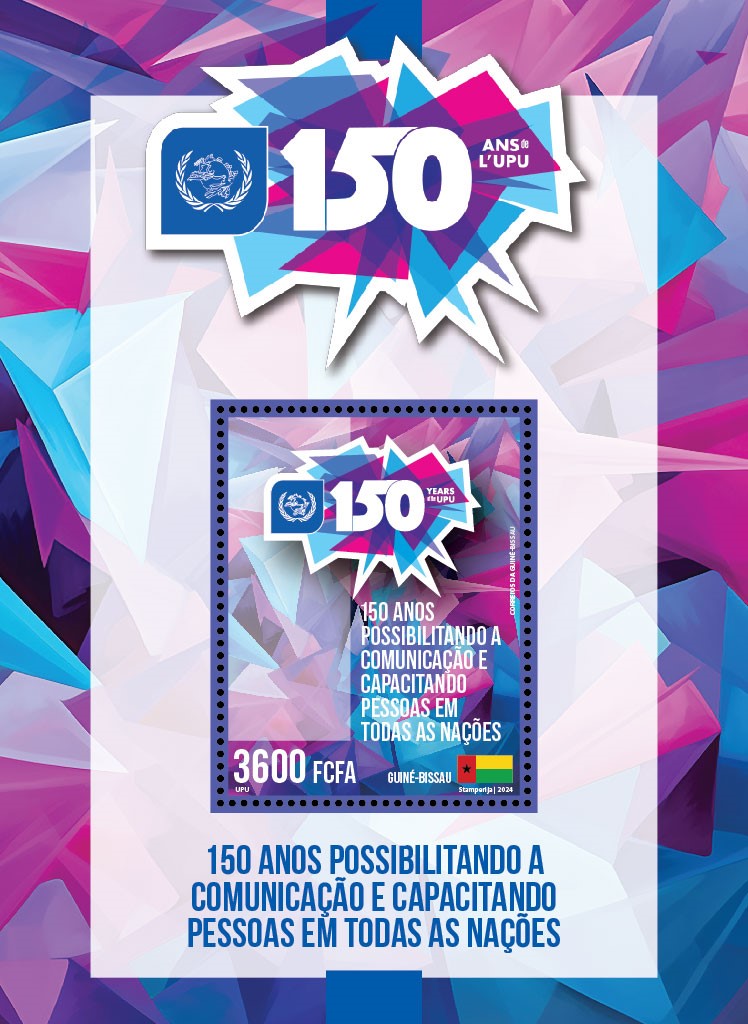
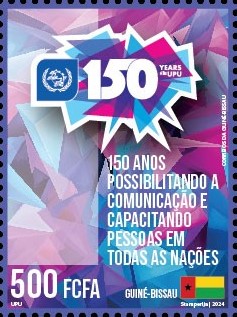
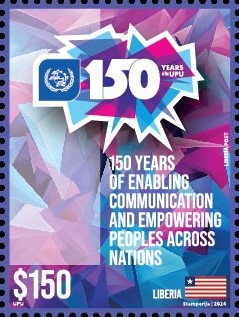
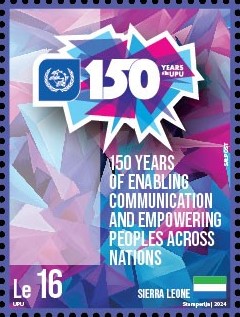
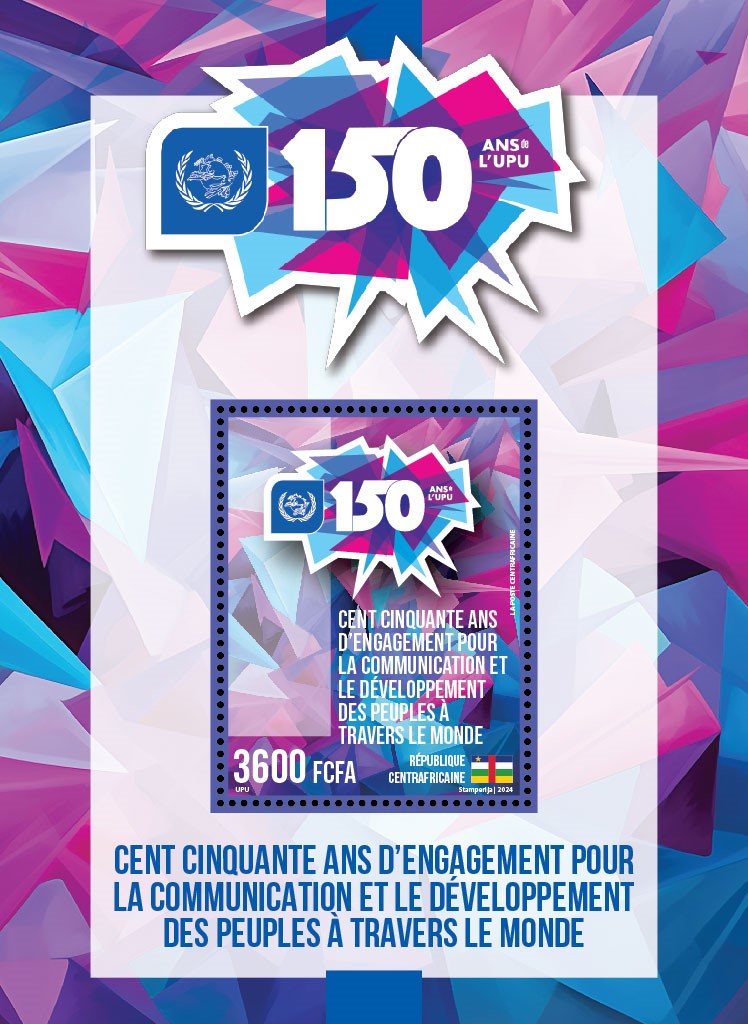
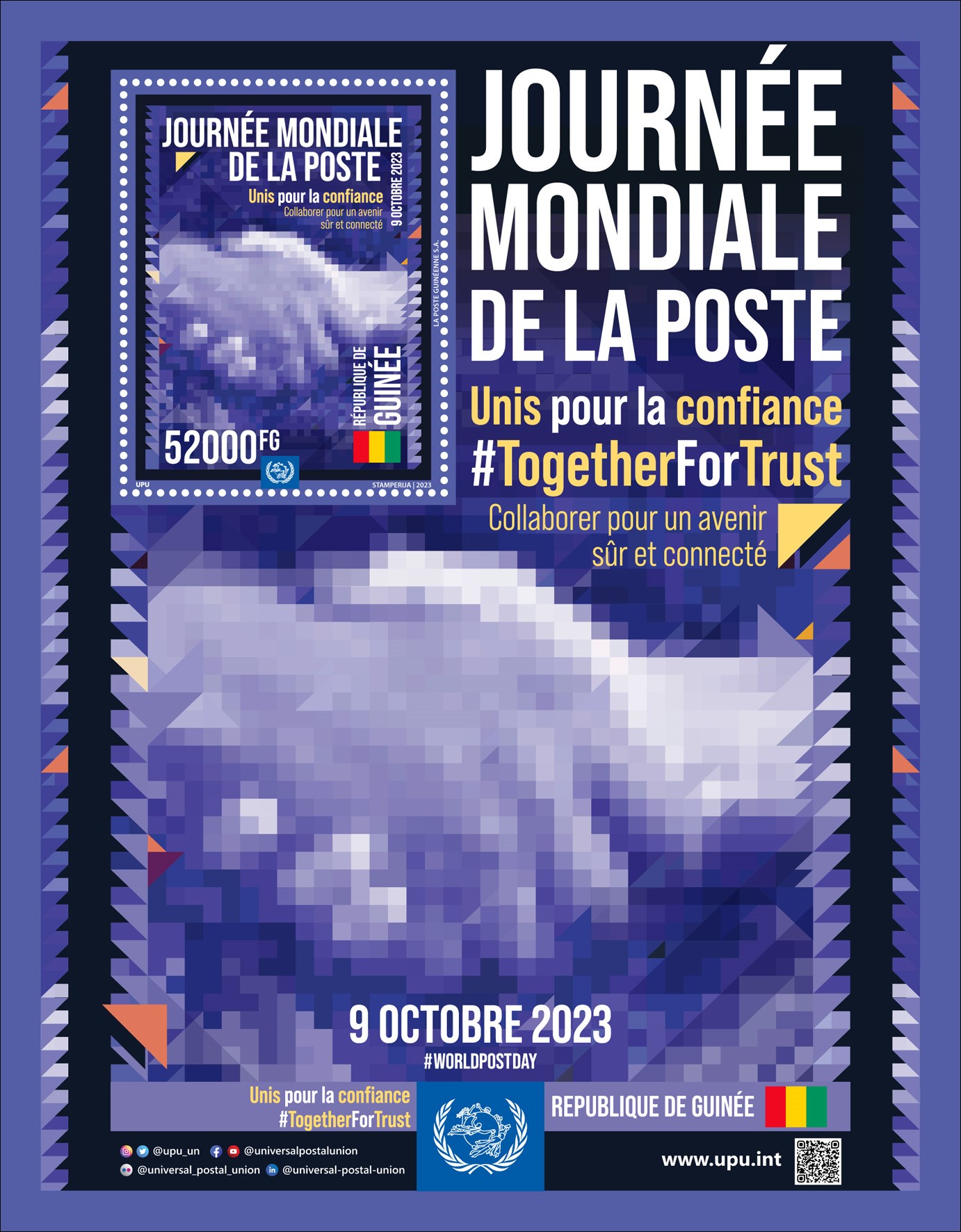
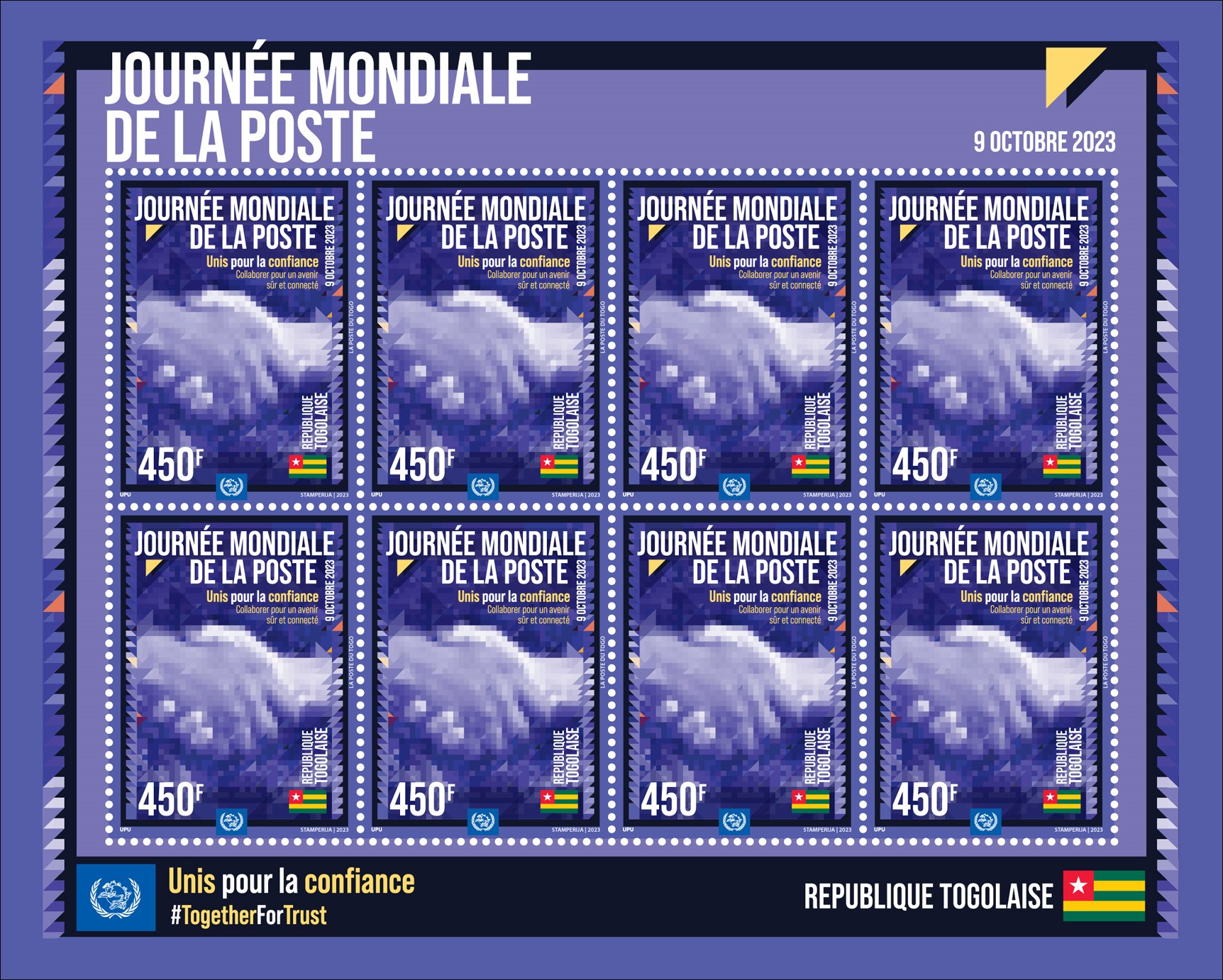
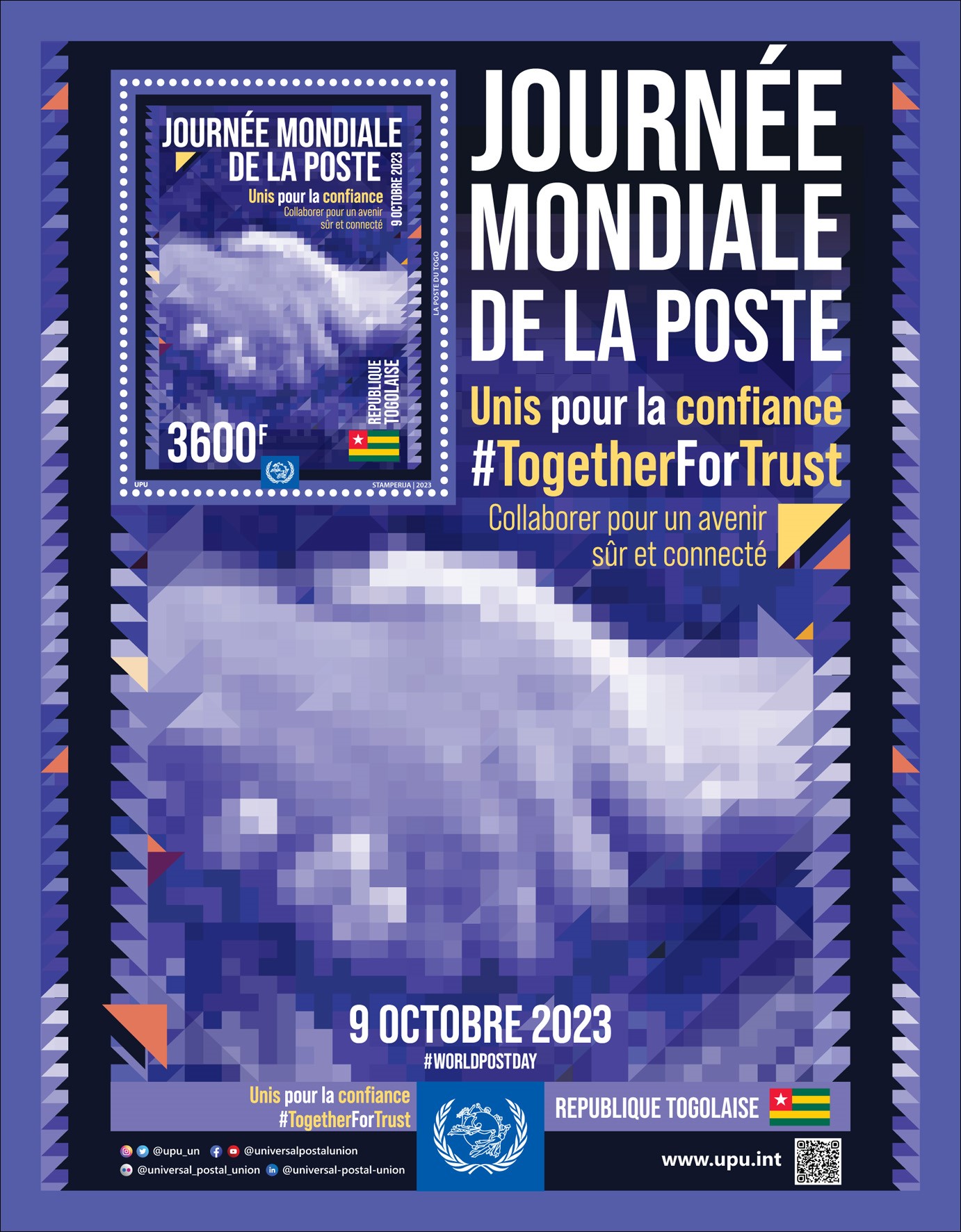
Special miniature sheets including eight different countries have been produced and should be considered as se-tenant issues [S]. These stamps were printed with two different denominations, as perforated and non-perforated miniature sheets, at very low printing runs (100 units for each of the two perforated miniature sheets and 30 for the non-perforated ones). The countries involved in these items include Burundi, Central Africa, Djibouti, Guinea, Guinea-Bissau, Liberia, Sierra Leone and Togo (with stamp type B for this country). Due to the small printings runs, these miniature sheets must be considered as material to abuse collectors. They will be listed in the catalogue but in italics, just for information purpose. The printer of these countries also decided to create two postal cards per country with the same indicia (postal stationery) as pane stamps and souvenir sheet stamps, sold at very high prices, which must also be considered with the same status (abusive).

4. New country of Type D (different design, but same date [P1]): Honduras (October 9, 2024), 2 stamps

5. New country of Type E (different design, different date [N]): no new stamps

The UPU anniversary related stamp from the Netherlands is not an official Dutch post issue, but a personalized stamp, meaning it has to be filed as of private origin, in limited edition (information provided by Cesar Ittman, the Netherlands). The situation is similar for the Liechtenstein stamp, the second French stamp, Iran stamps, which are all to be considered as personalized or customized and/or private issues (all to be reported with italics characters in the catalogue).

UPU 150th anniversary

The Universal Postal Union (UPU) is a specialized agency of the United Nations (UN) that coordinates postal policies among member nations and facilitates a uniform worldwide postal system. It comprises 192 member states and is headquartered in Bern, Switzerland. It was established on October 9, 1874, exactly 150 years ago.

Since more than one year, we know that this anniversary will be celebrated with a stamp which common design was proposed by UPU. In the past, the 75th (1949) UPU anniversary was celebrated, but in a non-coordinated way, mainly by colonial entities (British, Dutch and French – D19490704, D19491001, D19491010, D19491018) and the 100th (1974) anniversary with stamps that remained different for all participating countries (N19741009). The same situation happened in 1999, with absence of concertation for the 125th anniversary celebration (N19991009). Eventually, so far, only the 145th anniversary in 2019 (T20191009b) could be considered as a Twin issue.

During this year of 2024, a very large number of countries are participating. In the strict sense, this has to be considered as a true joint issue, even if there was no real cooperation between countries, but a proposal of a design accepted by most of them and translated in a locally adapted stamp, for a large part of them issued at the anniversary date. It is not an Omnibus series, as Omnibus is defined by a central printing, not by the large number of participating countries. The 2024 stamps will be reported in the catalogue as a Twin issue under [T20241009]. It is easily understandable that some joint issues collectors do not integrate such large series in their collection, in the same way Europa-CEPT stamps are not acceptable for them. Each individual collector has to decide on the basis of the following.

In the catalogue, the countries will be divided in subgroups:

  • A: the countries which take the exact original design proposed by UPU and issue the stamp(s) on October 9, 2024 (or actually around this date, plus or minus a week, roughly between October 1 and October 17, 2024), according to the definition of a twin issue [T]
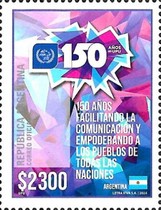
  • B: the countries which take the exact original design but issue the stamp at a different date. It should not be surprising if some countries may issue their stamp in 2025 or even 2026. This is the equivalent of a Concerted issue [C]
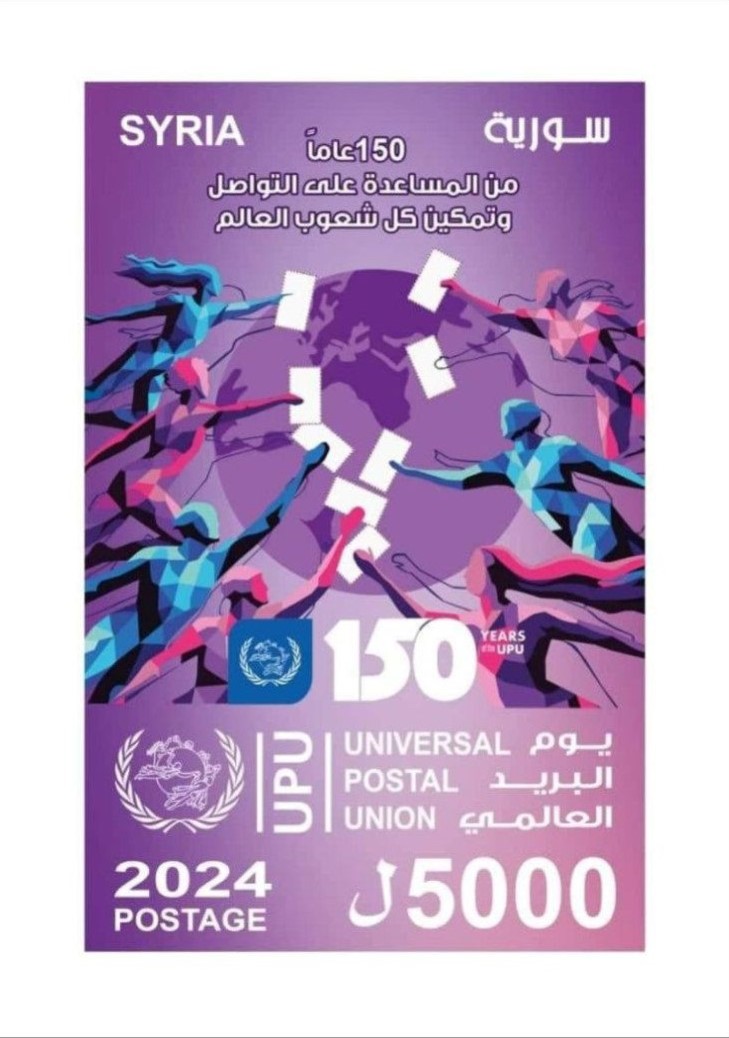
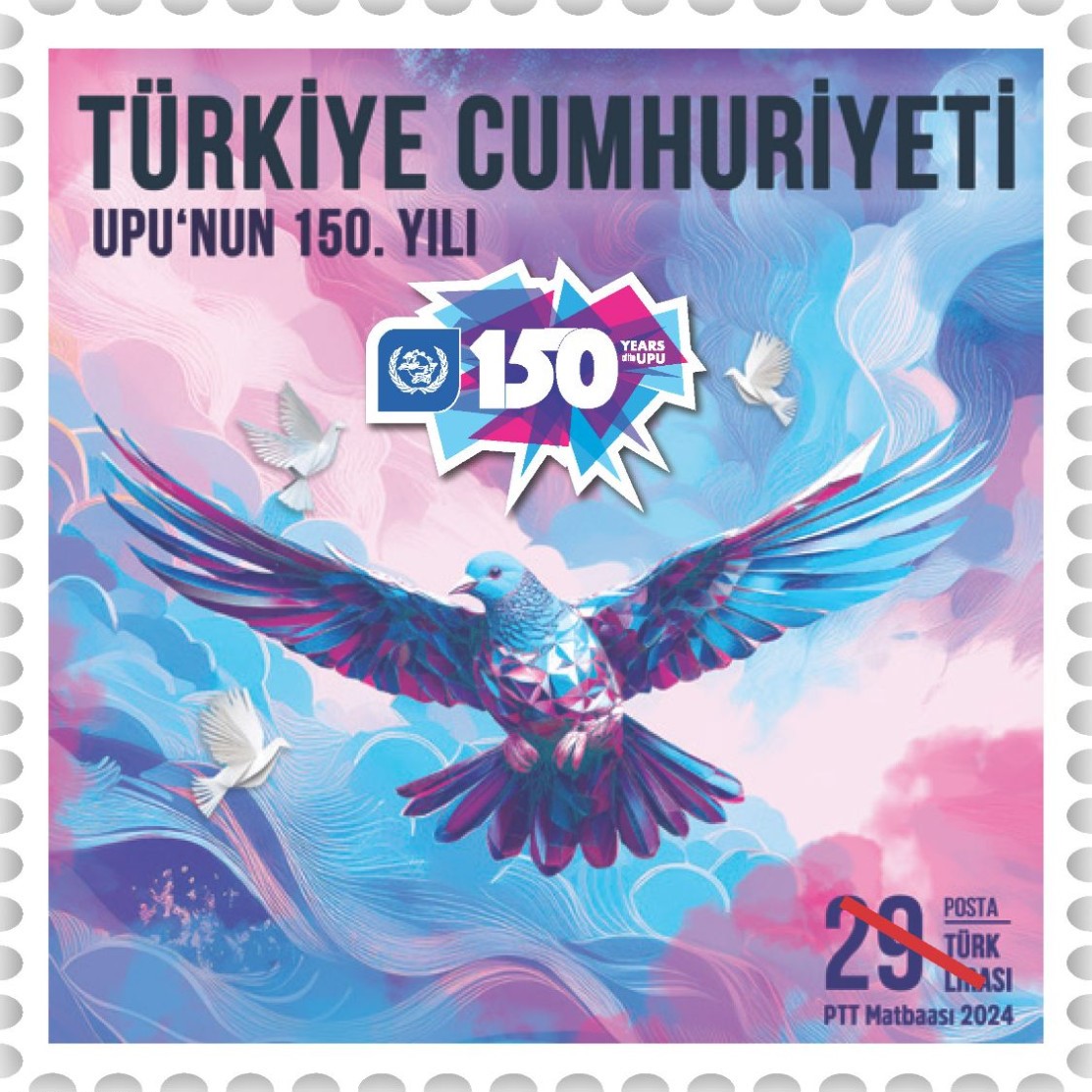
  • C: the countries which use only a part of the design, actually integrating only the “150” logo and add some other illustrations. This logo can appear within the stamp, or on the margin of a souvenir sheet or within a label. Those stamps are also considered as twin or concerted issues of Type [T2] or [C2]
  • D: the countries which use a completely different design, but still issue their stamp(s) around October 9, 2024. This is the equivalent of a Parallel issue [P]. In this case, the original logo may appear on the stamp, but at a size that remains smaller than the half of the surface of the stamp
  • E: finally the countries that do not want to stick to design and date, and work on their own, just referring to the UPU anniversary. These countries are simply listed, without details, as they cannot be considered as joint [N].

We will have again to take care of stamps that are created by agencies that are producing stamps for certain countries but which have been given the freedom to issue stamps without a real control from the reference countries. These stamps are easily recognized by the number of stamps issued in a series and they are produced to fool collectors. In order to better identify these stamps and because they remain real stamps but never reach the originating country, they will be reported in the catalogue, but in italics. In the same way, some other stamps such as the French stamp with a full common logo are of private origin (personalized stamp) that cannot be considered as part of this joint issue either. This will be true for any other privately produced stamp from other countries, if any, and also described in italic characters.

The countries for which we already have information are reported below. If a date between brackets is missing behind the country name, this means that this stamp(s) was issued on October 9, 2024. If the content of the brackets remains empty, this means that the exact issue date is not known yet. A large number of images were provided by Enzo Cafaro (Italy). The following list is of course not yet complete.

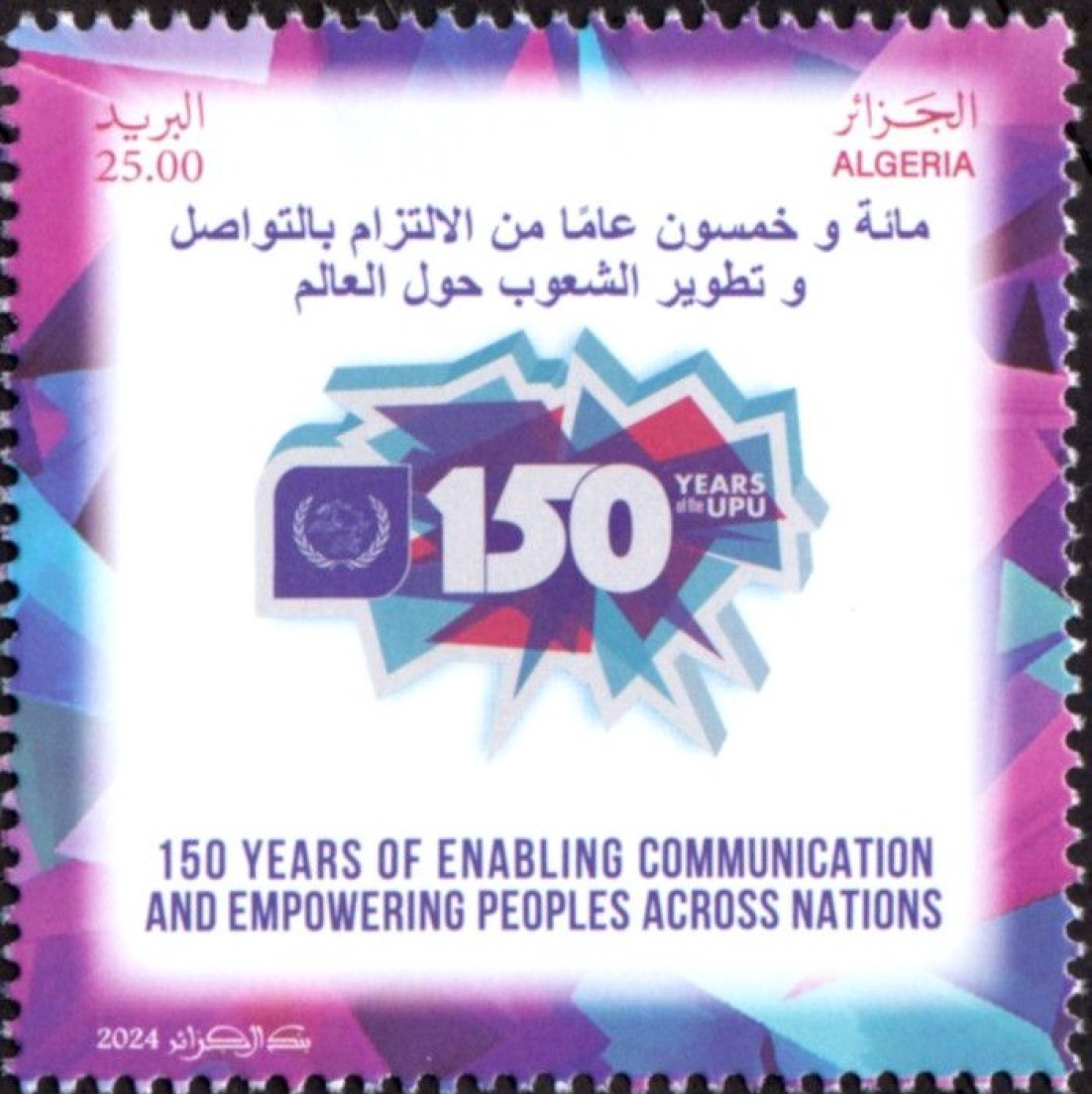
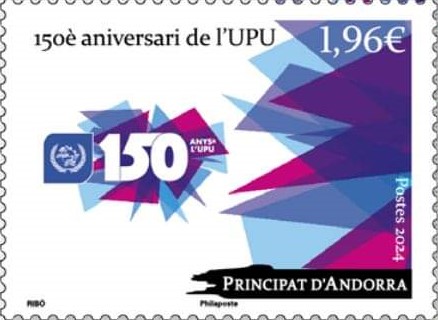
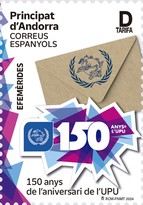
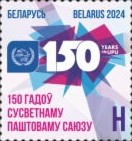
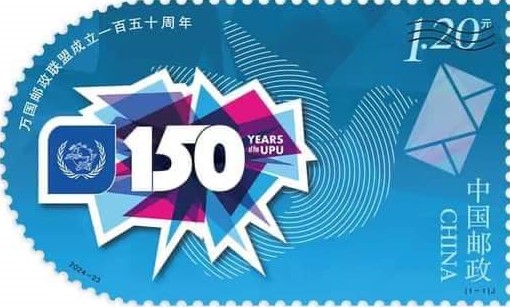
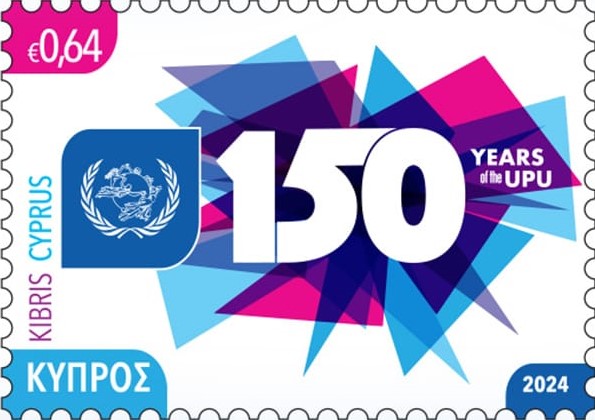
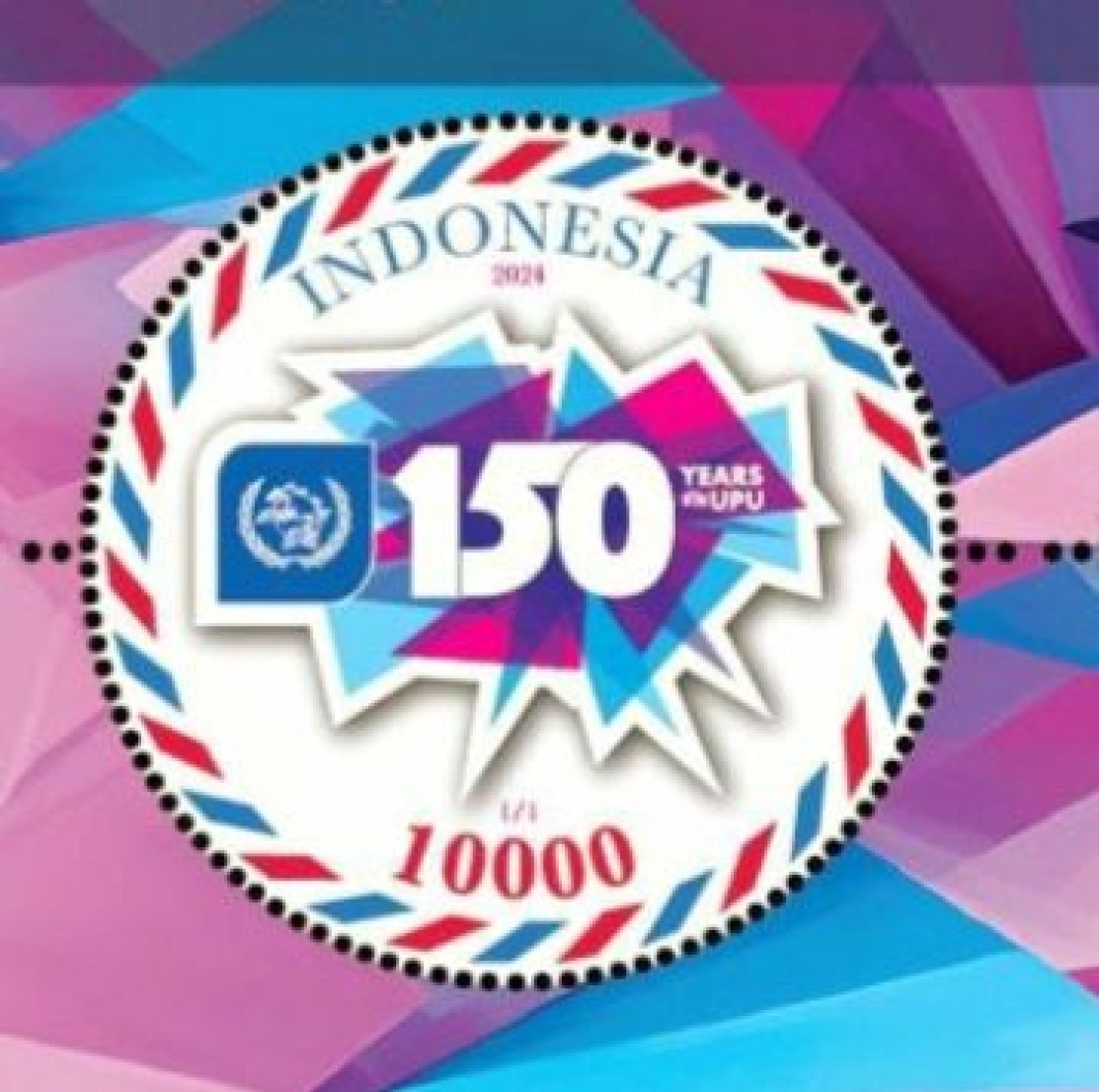
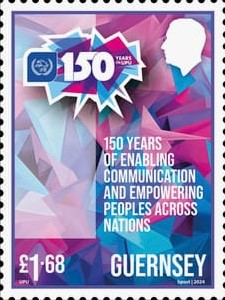
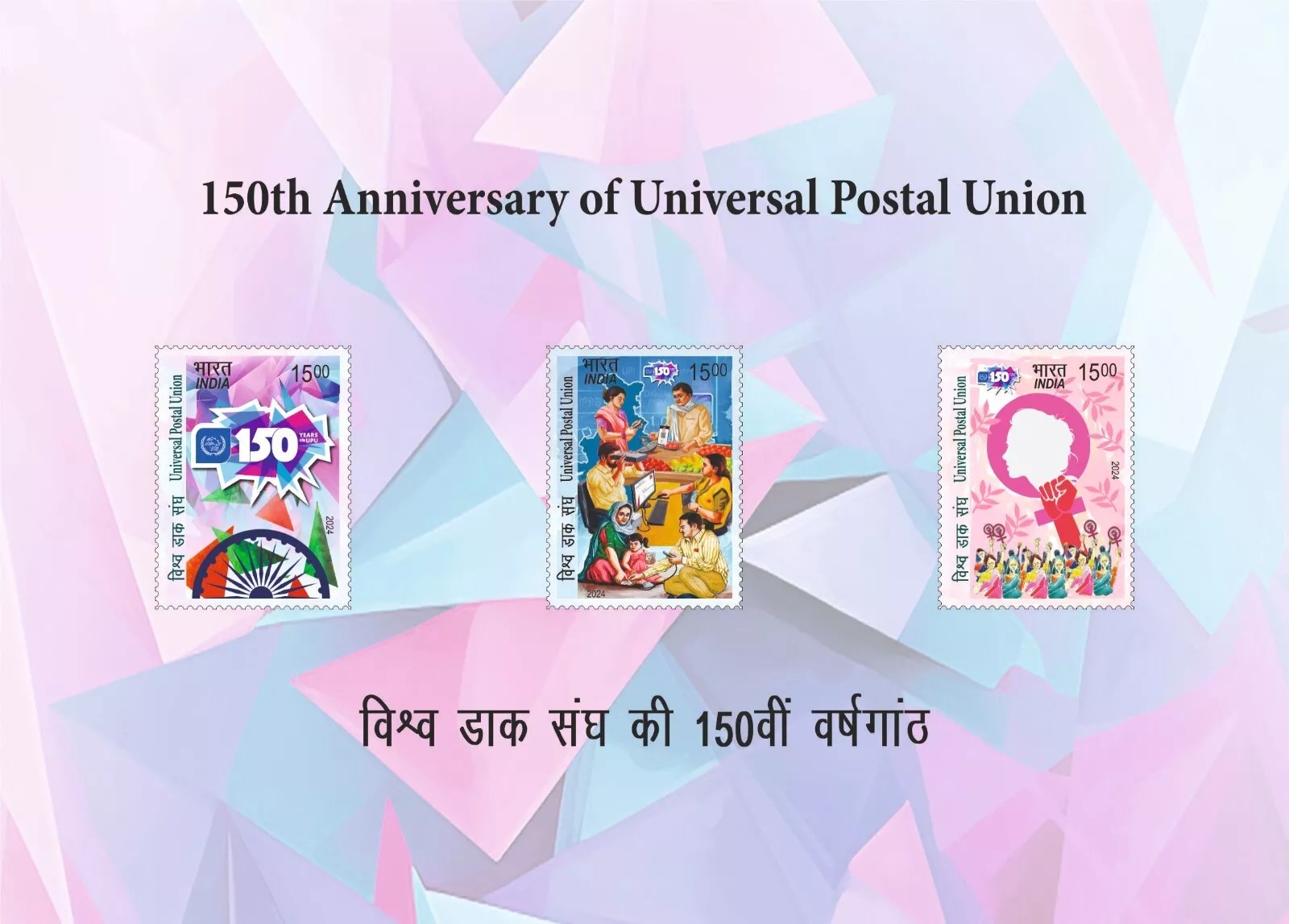
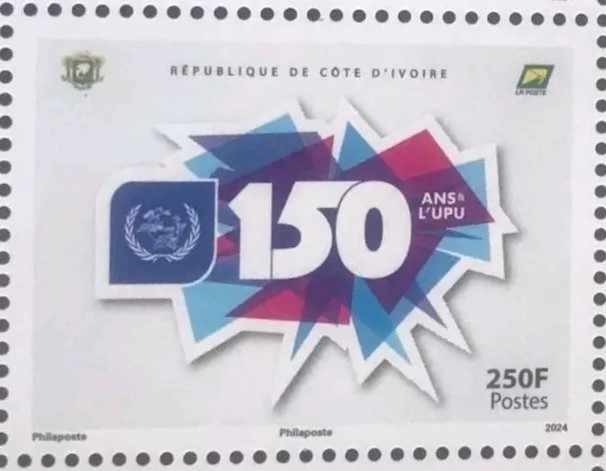
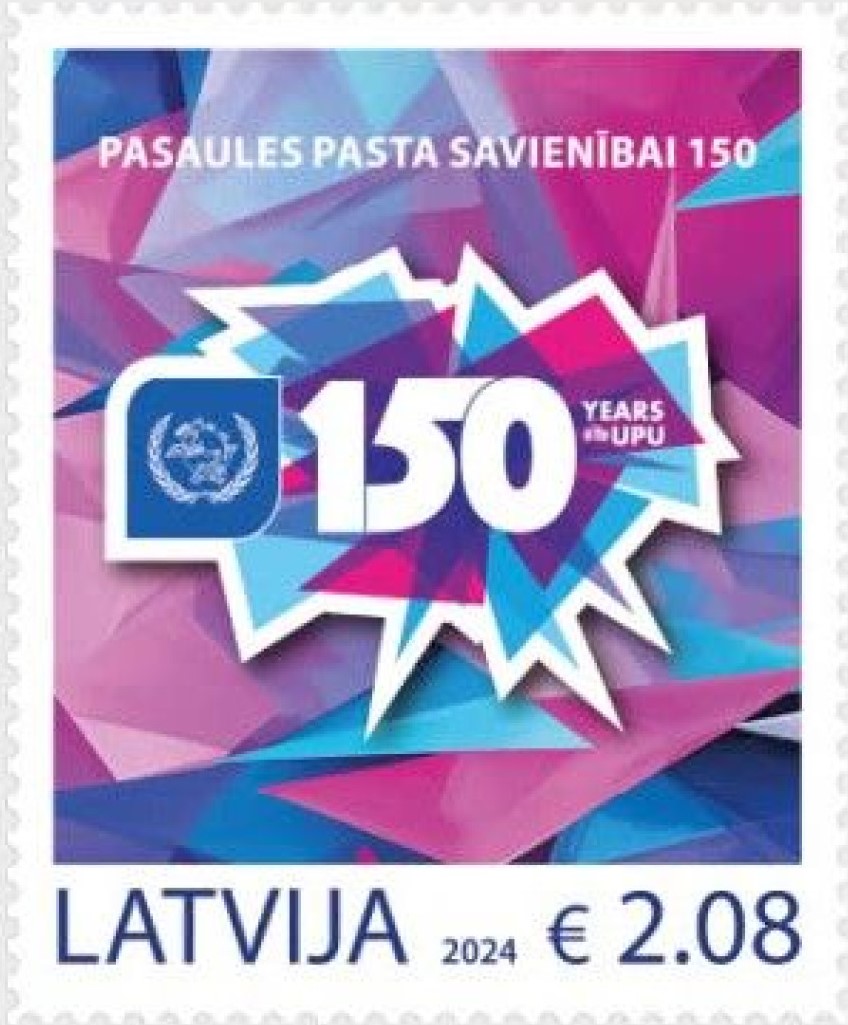
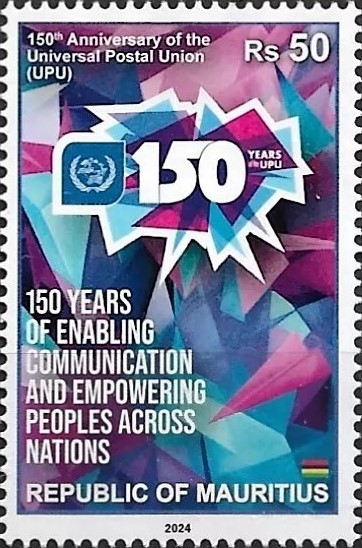
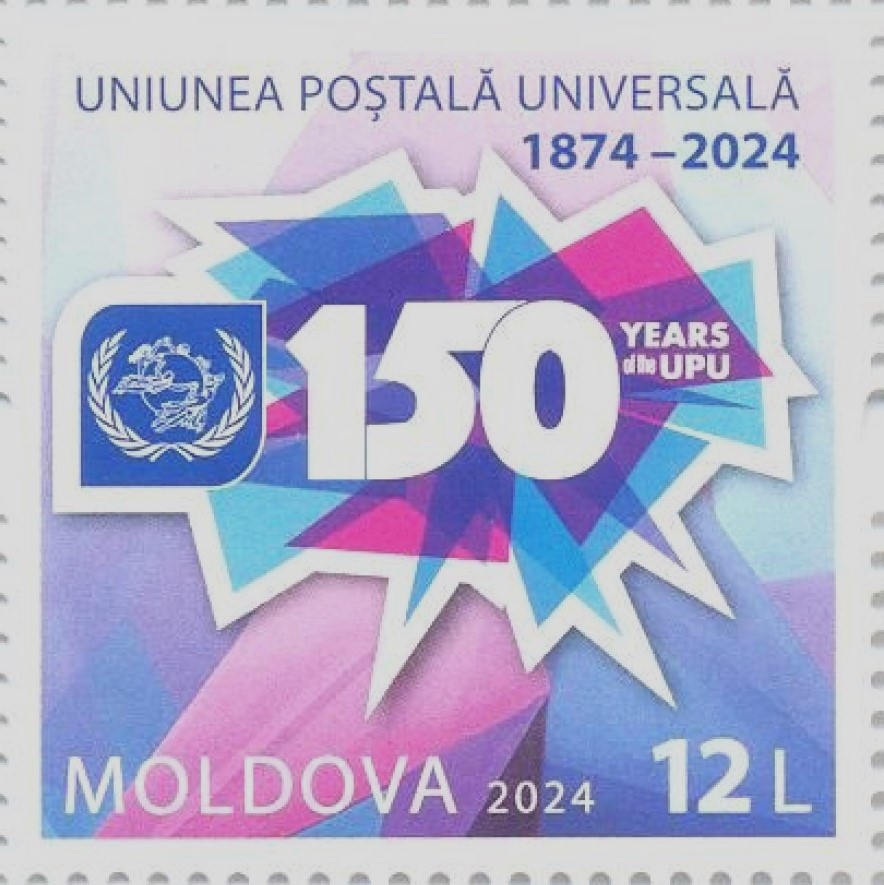
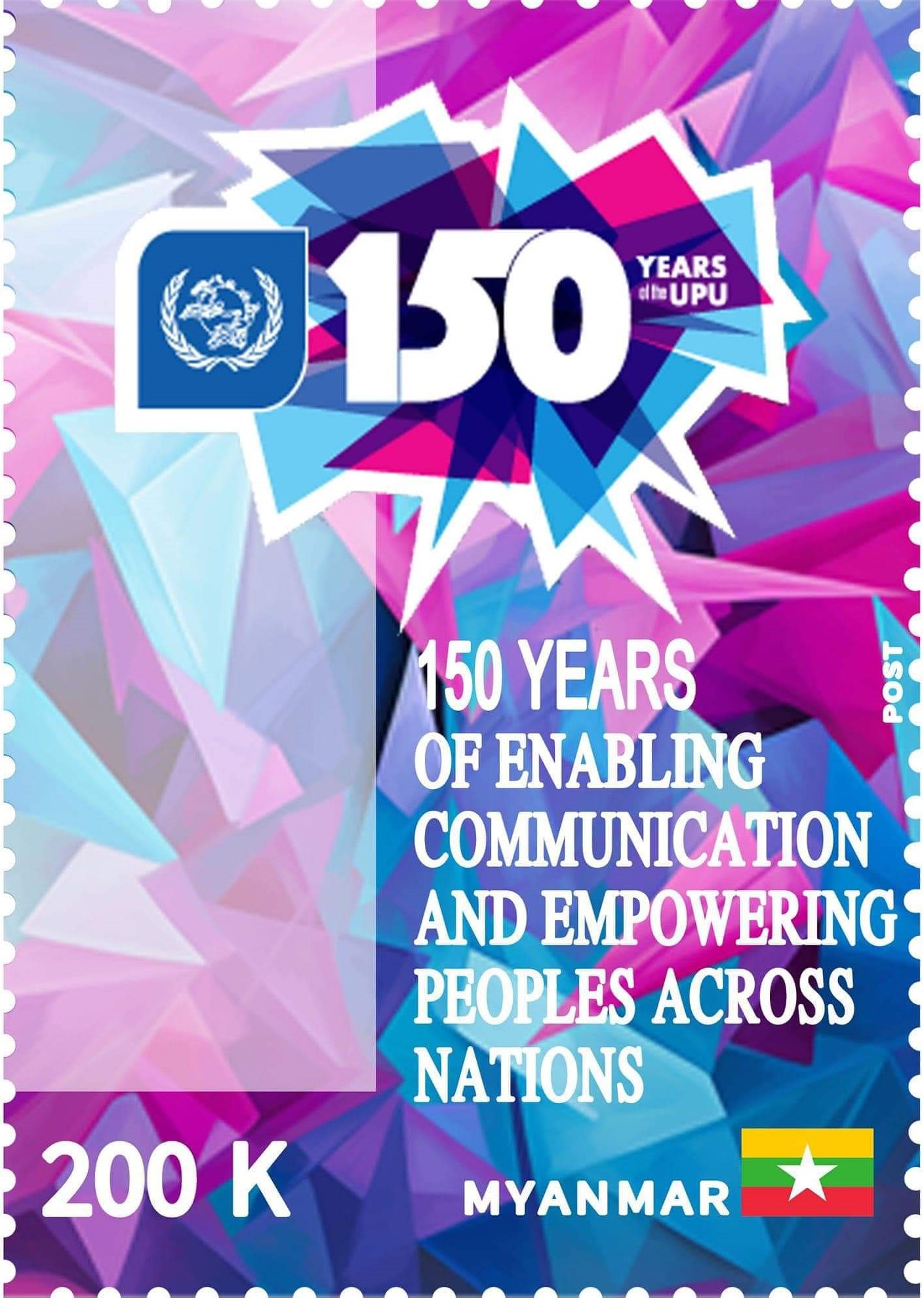
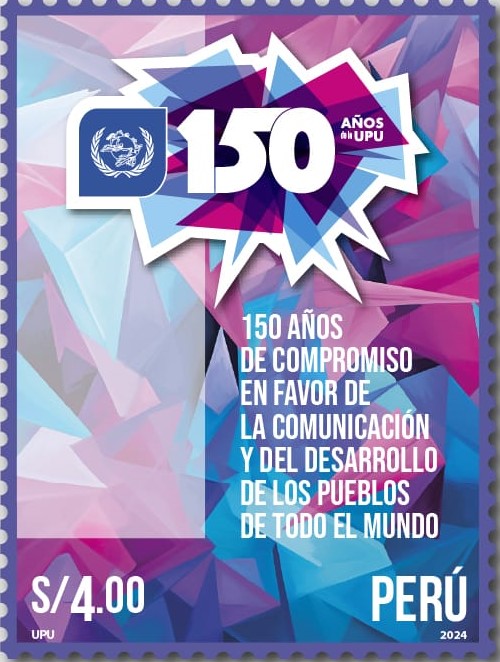
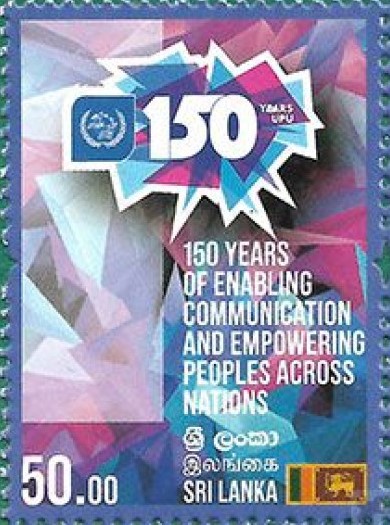
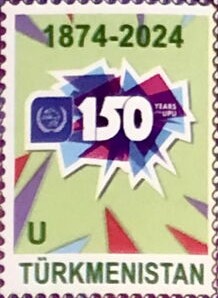
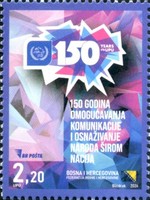
Countries of type A (Twin [T1]): Algeria – Andorra (French) (October 10) – Andorra (Spanish) – Armenia – Bangladesh – Belarus – Bosnia Herzegovina (Bosnia) – Brazil – China (PR) – Croatia – Cyprus – Dominican Republic – Greece – Guernsey – India – Indonesia – Ivory Coast – Jordan – Latvia – Lithuania (October 4) – Mauritius – Moldova – Myanmar – Paraguay – Peru – Romania – Sri Lanka – Thailand – Turkmenistan (October 8) – Ukraine – United Arab Emirates

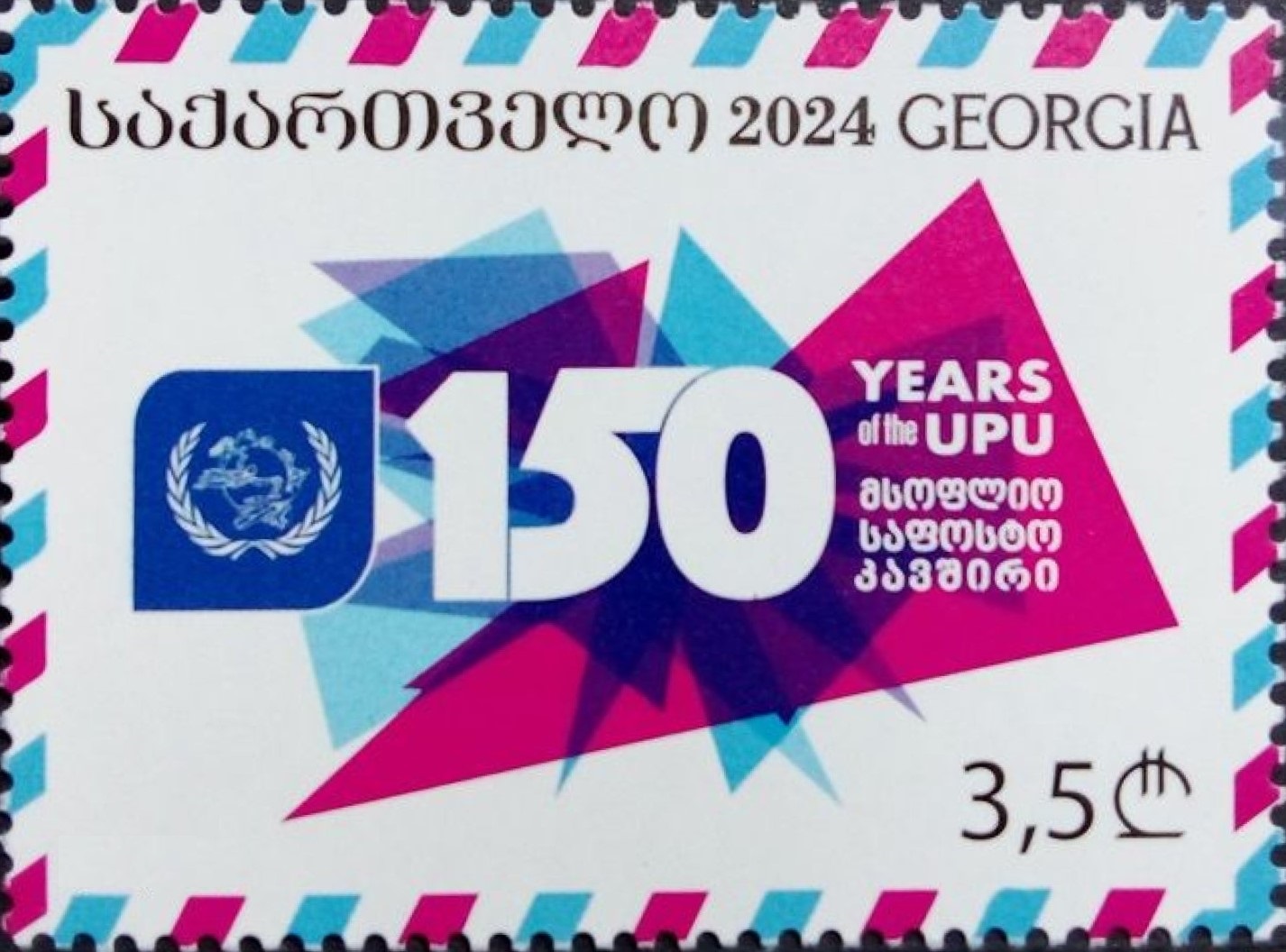
Countries of type B (Concerted [C1]): Argentina (August 28) – Azerbaijan (February 1)Burundi (September)Central Africa (September)Djibouti (September) – Georgia (June 1) – Guinea (September)Guinea-Bissau (September)Liberia (September)Mali (September) – Monaco (May 30) – Mongolia (September 25) – Sierra Leone (September)Togo (September)

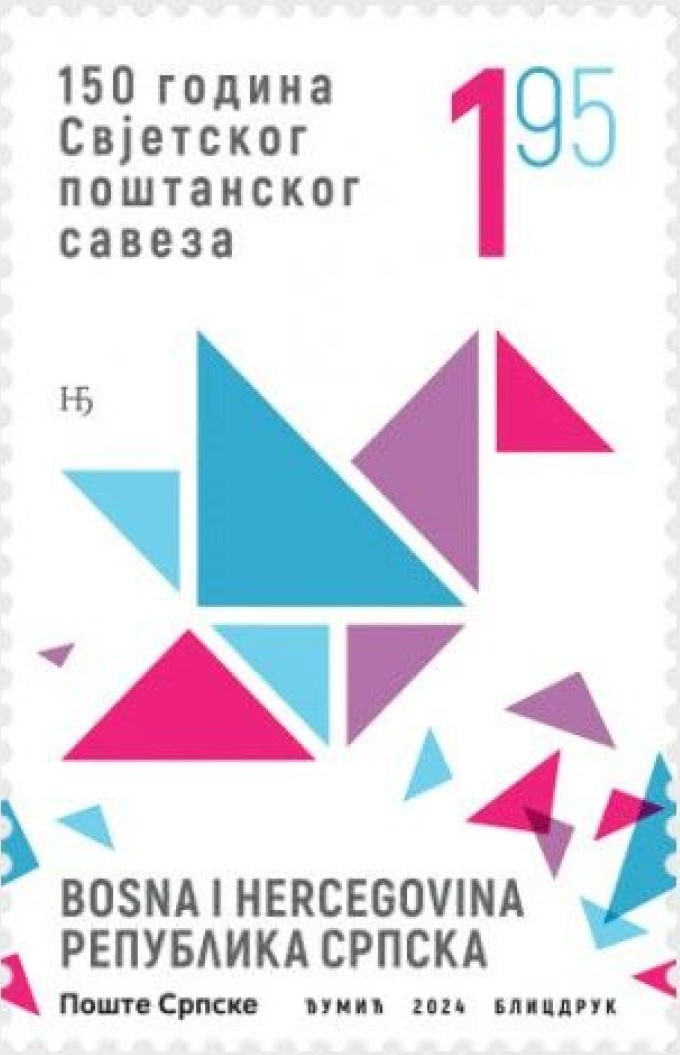
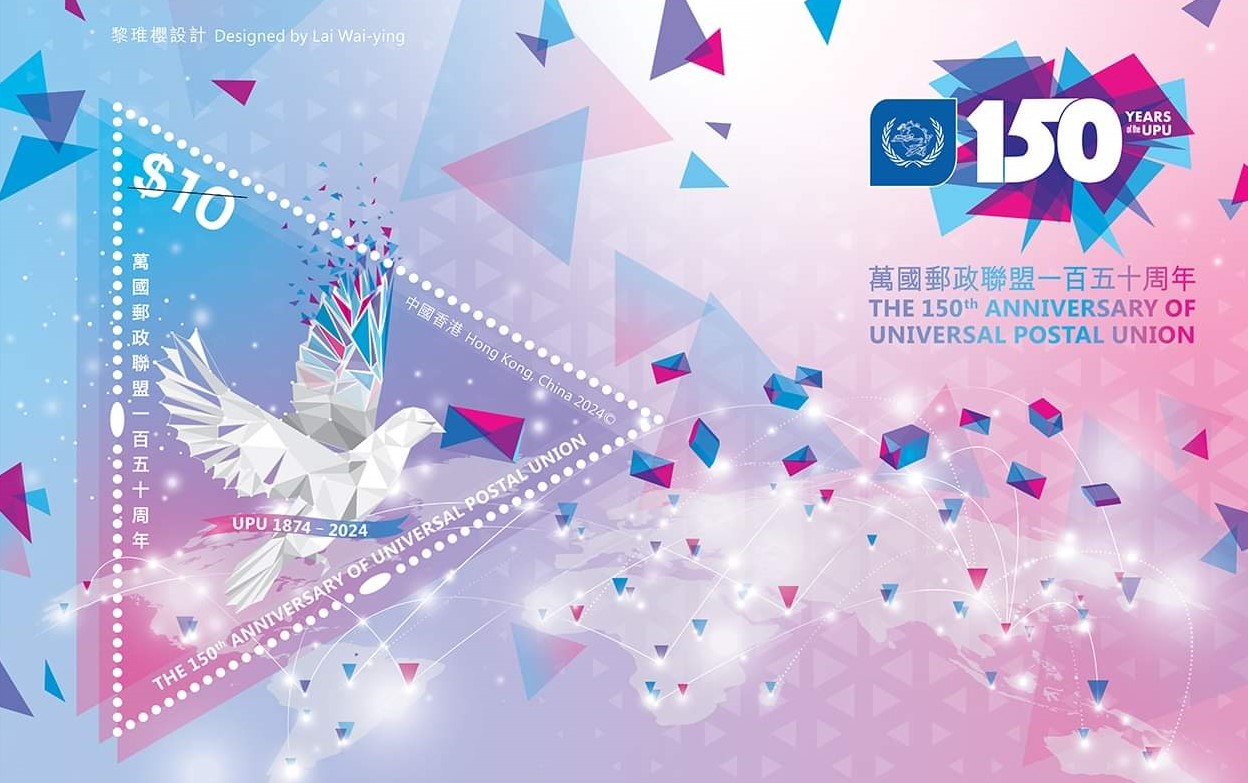
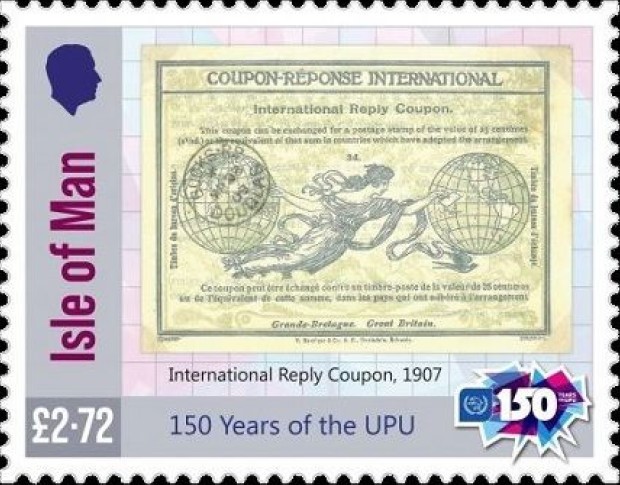
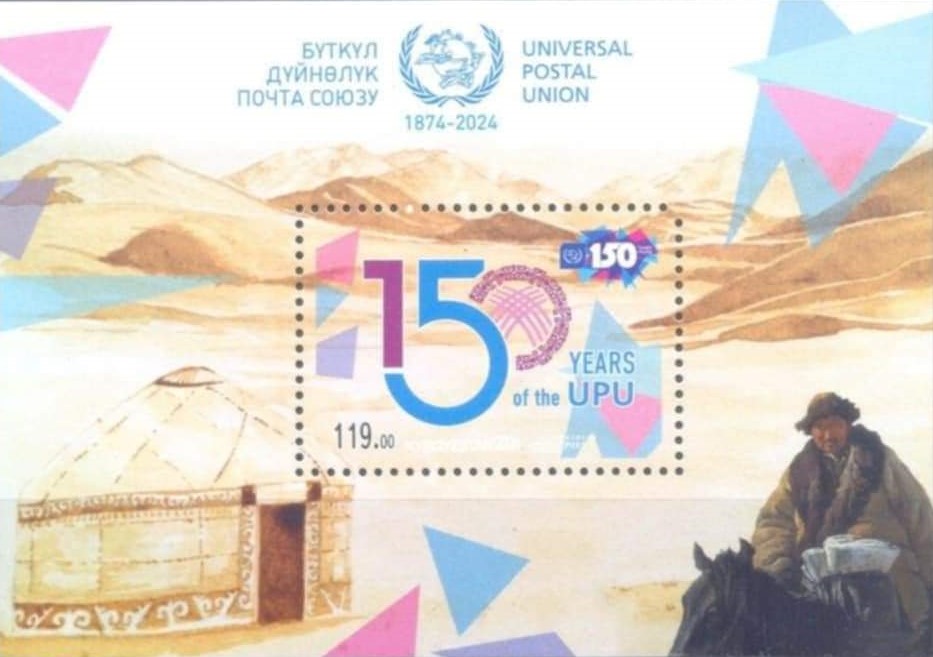
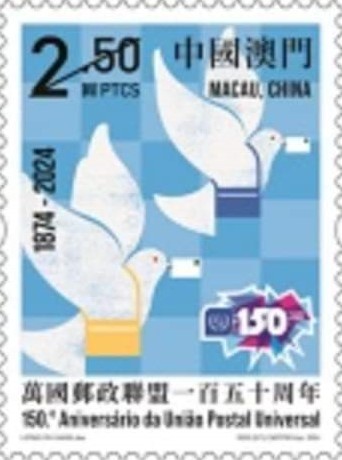
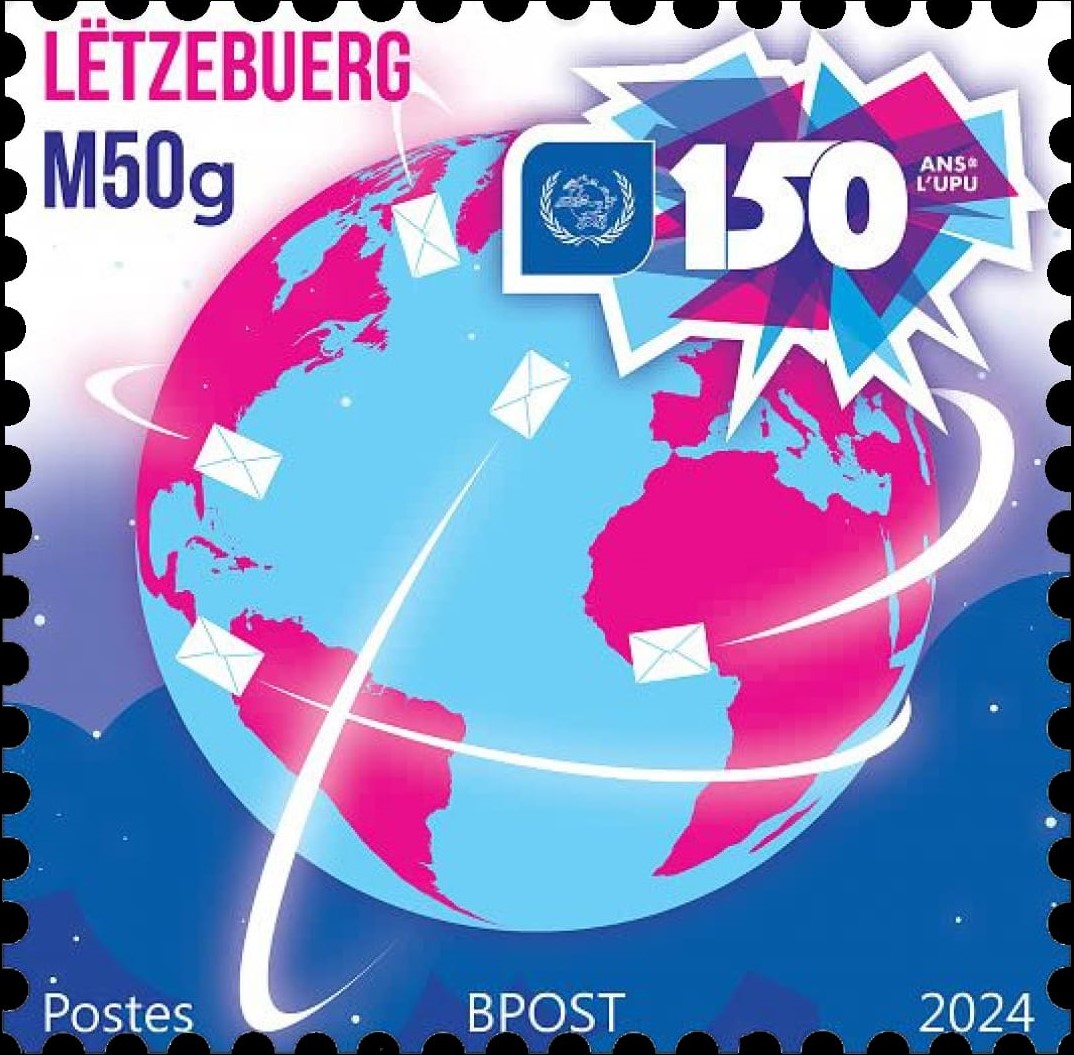
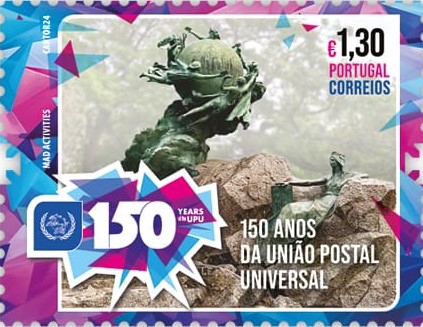
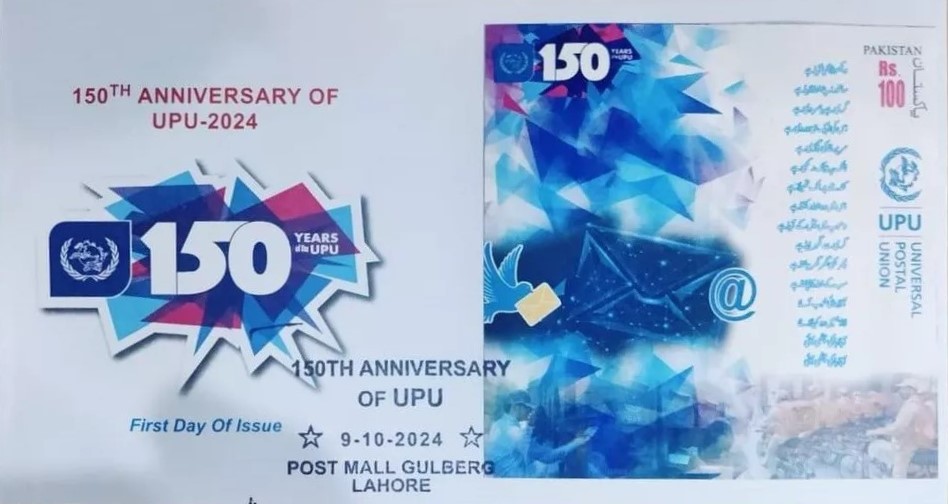
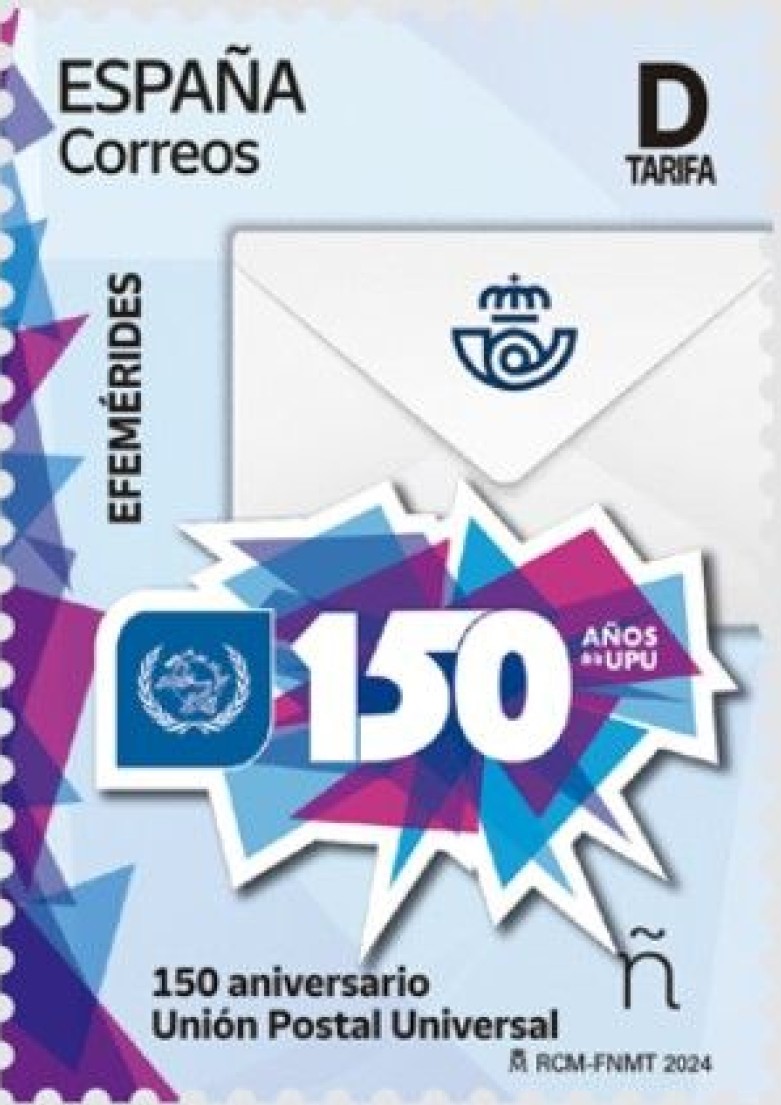
Countries of type C (Twin or concerted [T2] or [C2]): Bosnia (Serbia) – Egypt () – France (October 14) – Hong Kong – Hungary (July 24) – Isle of Man (August 30) – Japan – Kyrgyzstan (October) – Luxembourg (September 10) – Macau – Malaysia – Morocco – Pakistan – Portugal – San Marino – Saudi Arabia () – Singapore – Slovenia – Spain – Syria – Tunisia – Türkiye – Uruguay – Uzbekistan () – Vietnam

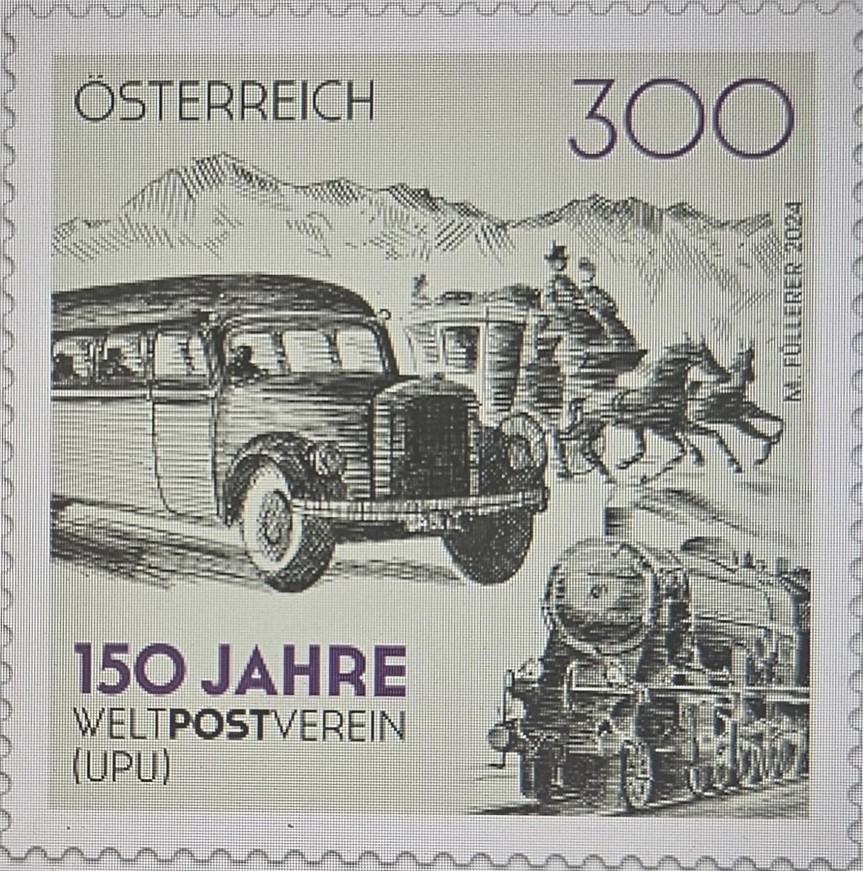
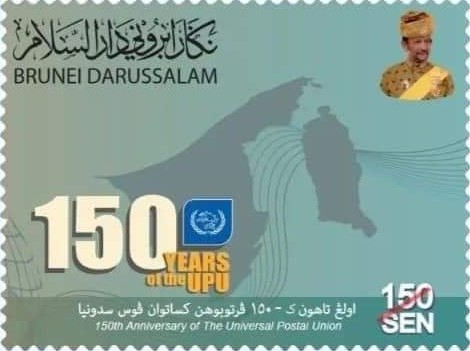
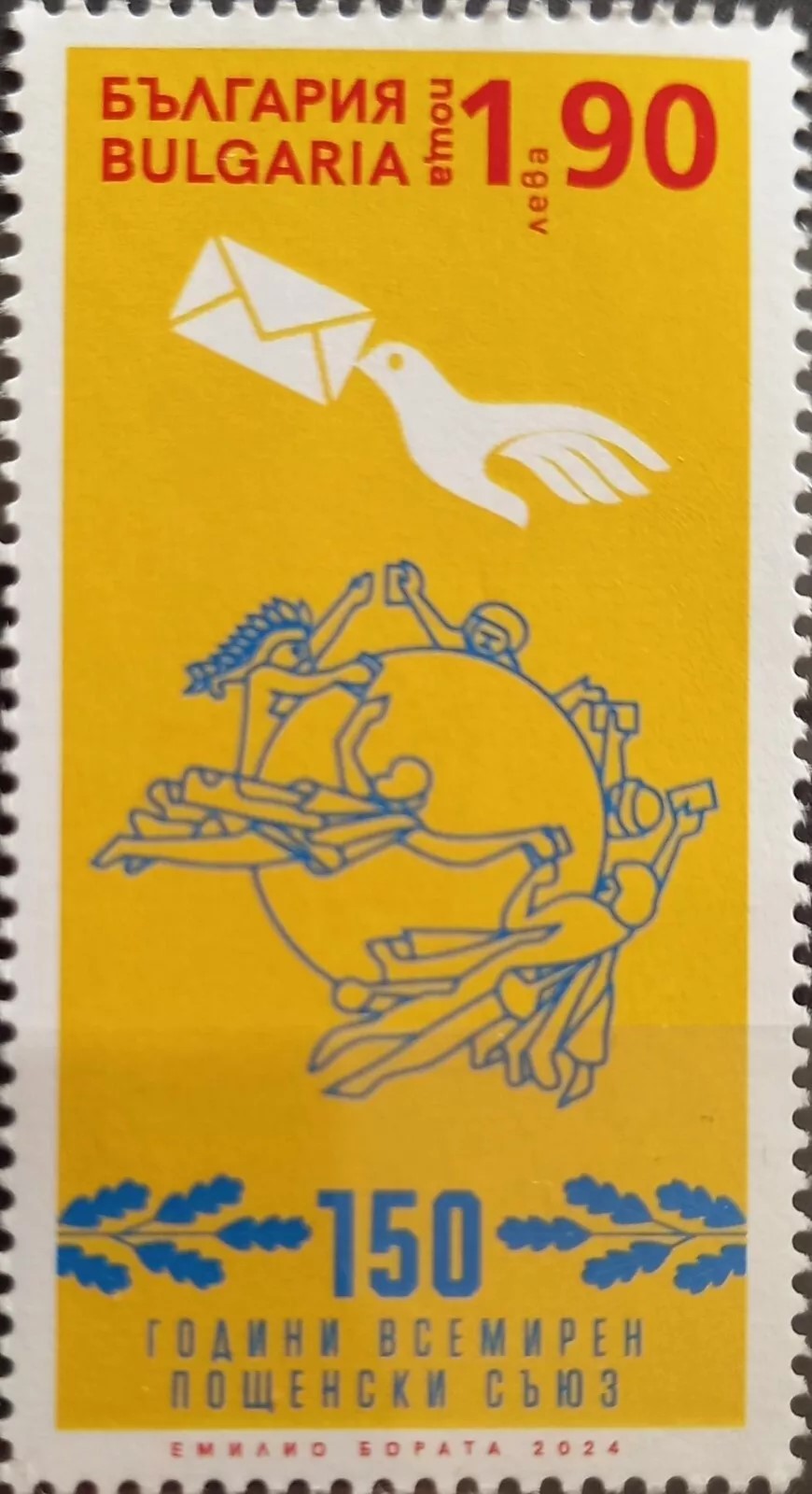
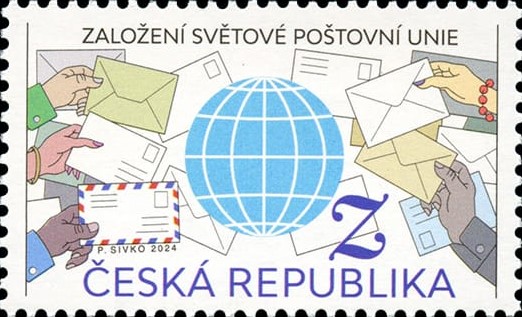
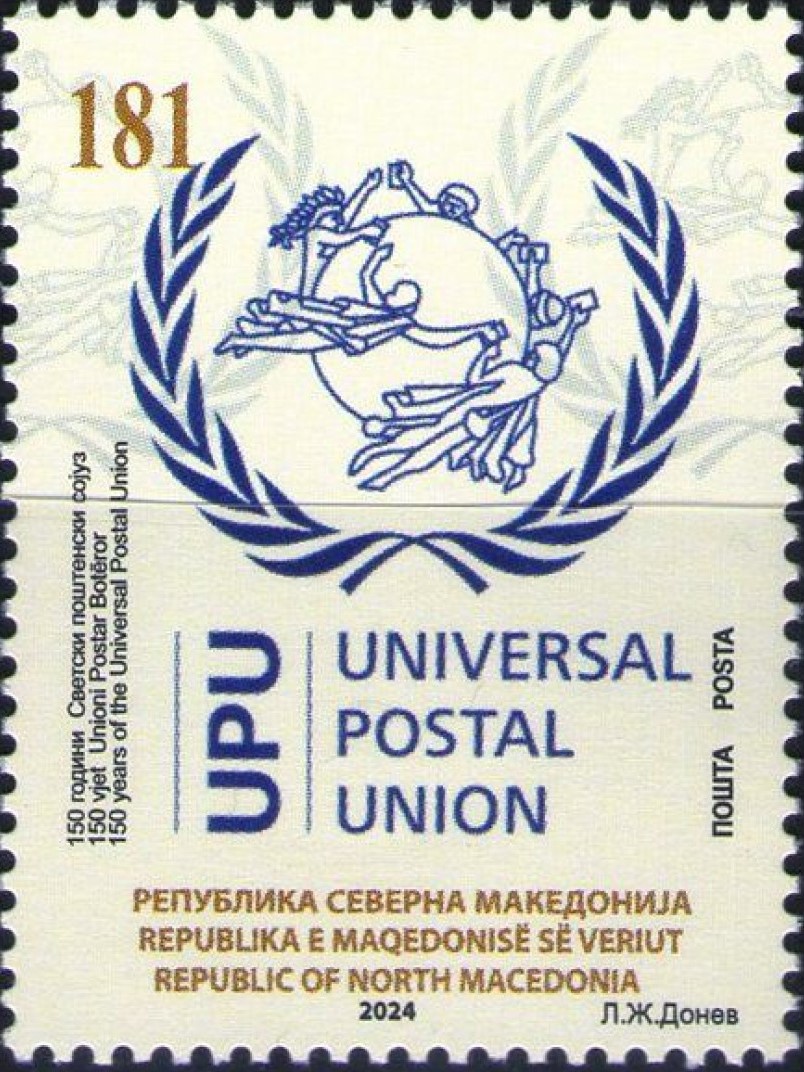
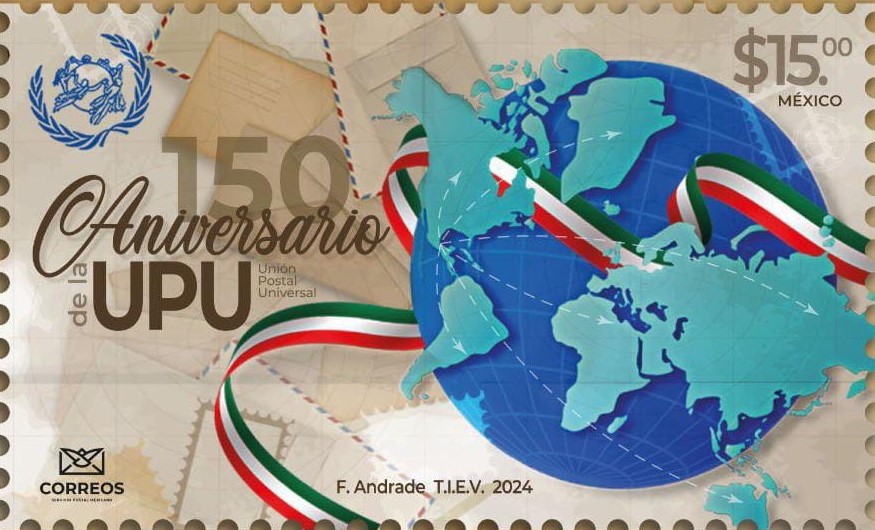
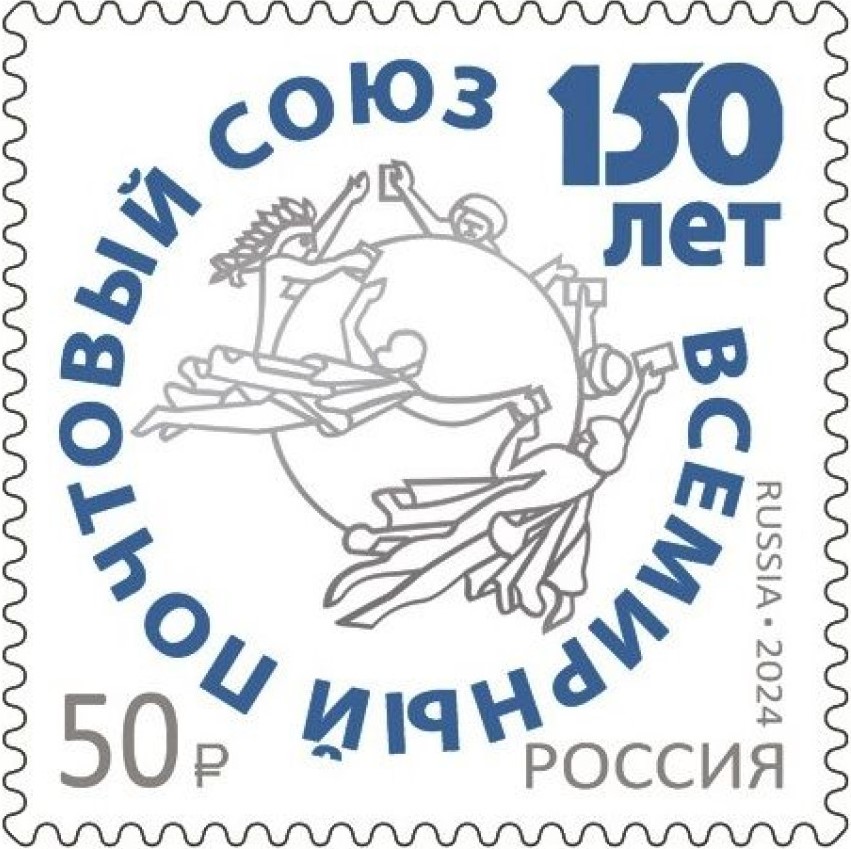
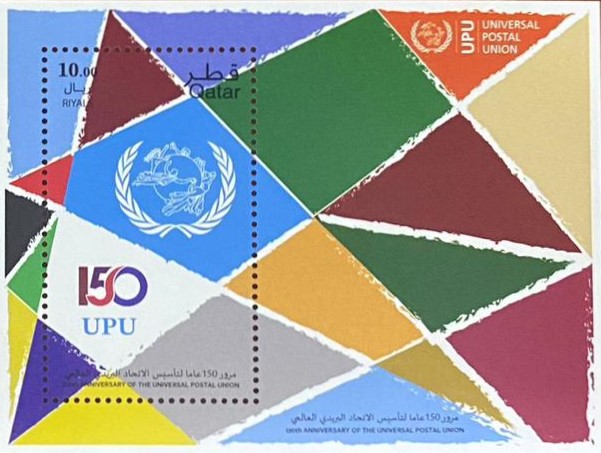
Countries of type D (Parallel issue [P]): Australia (October 1) – Austria (October 4) – Brunei Darussalam () – Bulgaria – Czech Republic – French Polynesia – Germany (October 10) – Macedonia (North) – Mexico – Montenegro – Qatar () – Russia – Slovakia – Switzerland (September 5) – Tajikistan (May) – Vatican (September 16) – Wallis and Futuna

Countries of type E (not considered as joint): Belgium (June 10) – Serbia (May 25) – United Nations – Geneva (May 30) – United Nations – New York (May 30) – United Nations – Vienna (May 30).

So far, 86 countries are listed above to which one has to add 2 postal authorities that have issued stamps that cannot be considered as joint (Type E – United Nations offices are not taken in account as countries, UPU being a sub-unit of the United Nations). The UPU counts presently 192 members, which means information from 106 countries (!) is missing. Obviously there will be an update of this page. A great help is needed here to recover information from other participating countries. We are also missing better quality images for stamps from Ivory Coast and Ukraine. Thanks a lot in advance for providing name of missing countries, exact dates of issue, and when possible illustrations, printing runs, sizes of panels and by-product lists.

The catalogue pages should be updated within the next week.

Update November 2023

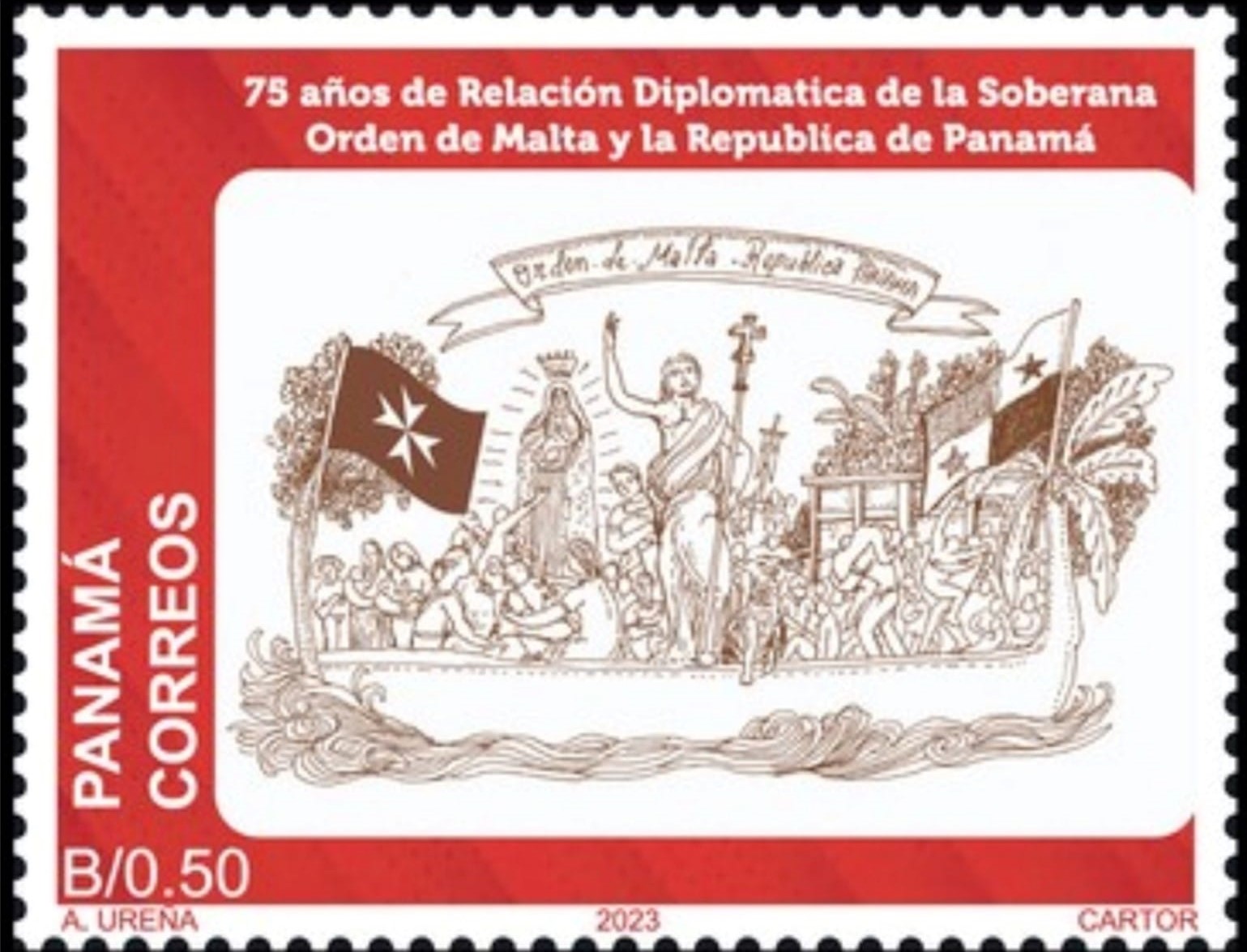
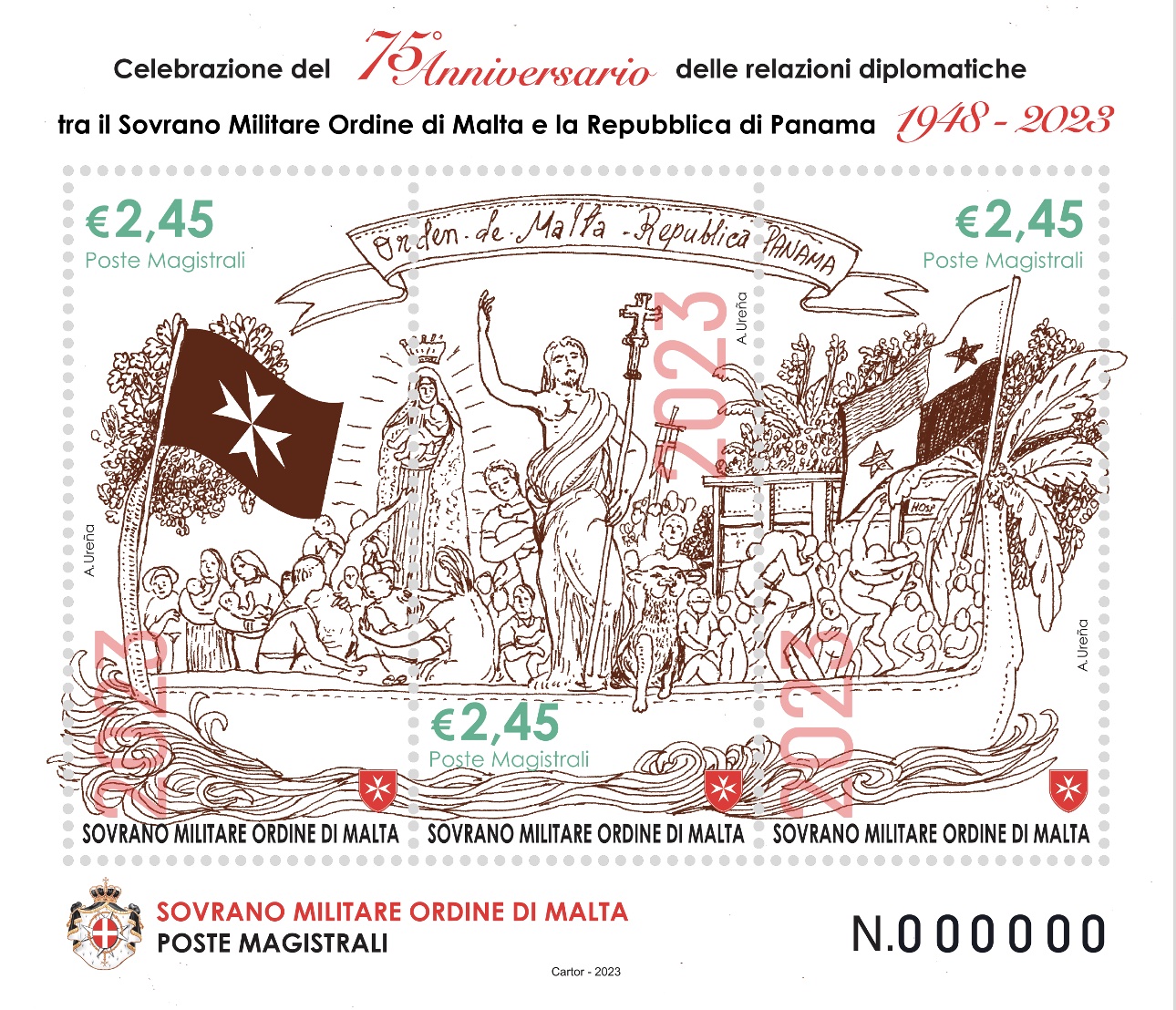
A joint issue between Panama and the Sovereign Military Order of Malta (SMOM) was under discussion for a long time with proposals for issue dates fluctuating over the past months. Eventually, the stamps were issued. The SMOM stamps were released on October 26, 2023, which was also given initially as first day of issue for the Panama stamp. However, the official ceremony is now scheduled to take place in Rome on December 4, 2023, which could become the official date of issue of the Panama stamp as well, even if first day cancellations from October 26, 2023 have already been seen. We will need to confirm the first date of issue for both countries within the next days or weeks. At least, in the meantime, we can provide pictures of the stamps. SMOM has take the same design but, it was divided in three vertical stamps with quite a high denomination each. Thanks to Jaap Sarelse (The Netherlands), Enzo Cafaro (Italy), Eric Contesse (France) for information and exchanges over several months about this issue.

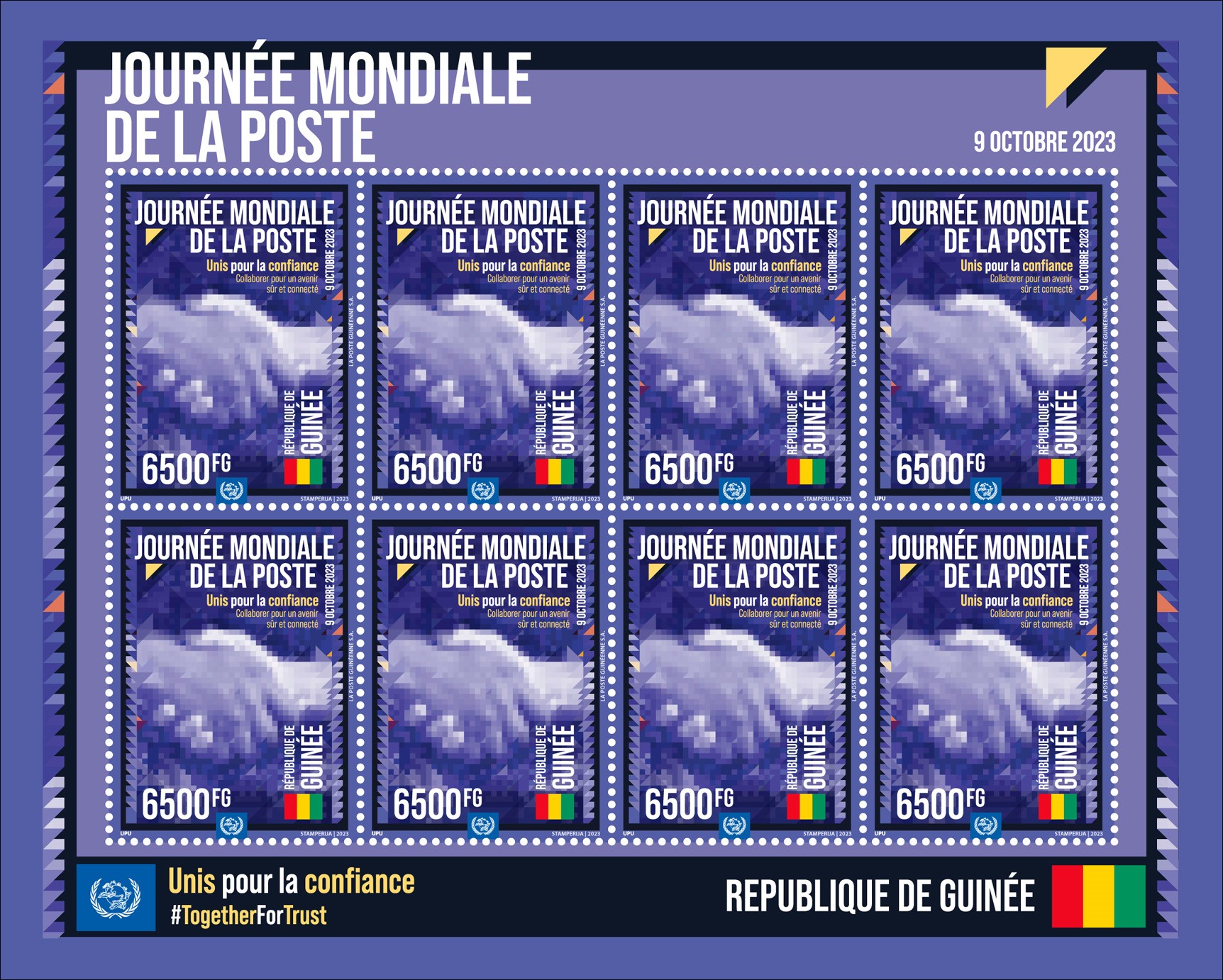
Following the large number of stamps issued at the occasion of the Tanzanian PAPU building inauguration (see previous post), almost the same countries (with stamps produced at the same central place) joined the World Post Day series issued on October 9, 2023 [B20231009]. To the original short list including Egypt and Sri Lanka, one has now to add the following countries: Central African Republic, Djibouti, Guinea, Guinea Bissau, Liberia, Niger, Sierra Leone and Togo. Each of these countries issued a stamp in miniature sheets of 8 stamps [4×2] and a souvenir sheet with a single stamp, all available as perforated and non-perforated products. On top of this, a miniature sheet of 4 pairs of se-tenant stamps including in the following order Liberia, Central African Republic, Guinea-Bissau and Sierra Leone was produced. In the same way described for the PAPU stamps in the previous post, the large number of products from these additional countries must also be considered as abusive, but these stamps will be reported in the catalogue for those collectors who are still interested.

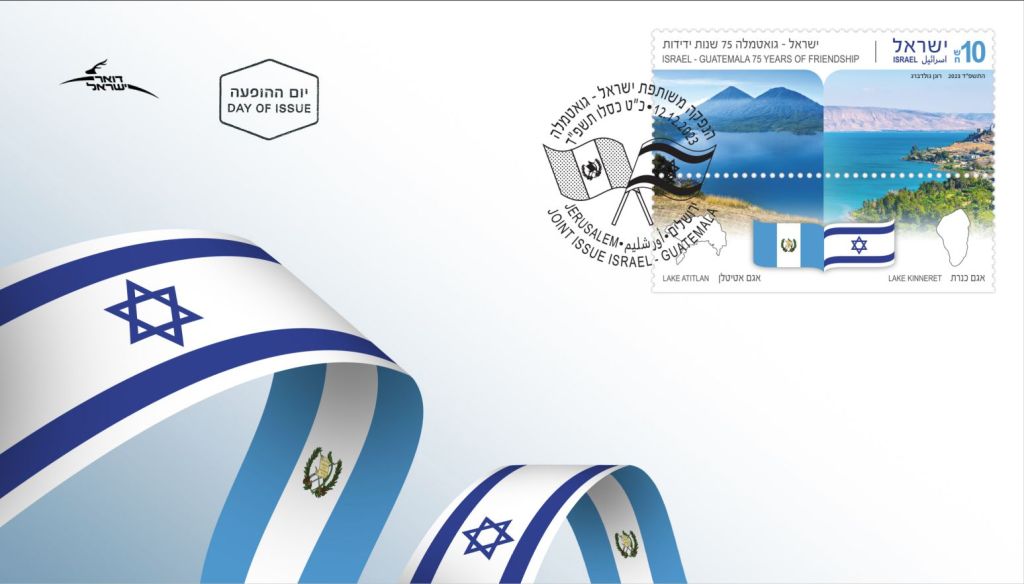
From Uri Barlev (Israel): On December 12, 2023, a joint issue involving Israel and Guatemala will be released. The issue topic shows lakes, the Israeli Lake of Galilee (the Kinneret) and the Guatemalan Lake Atitlan. Uri was able to provide the first images of the Israeli stamp as well as the FDC. Thanks Uri.

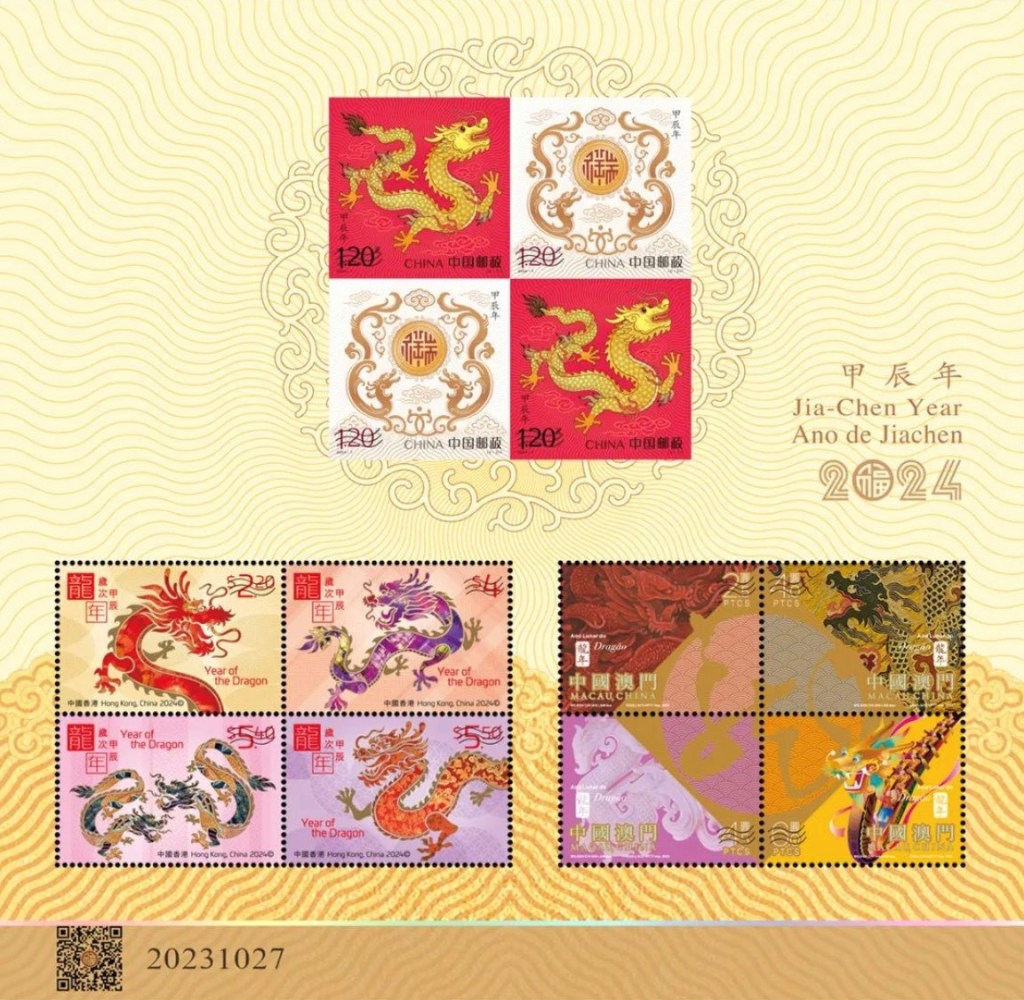
At the beginning of the year 2024, China (PR), Hong Kong and Macau will celebrate the new year of the dragon with a se-tenant souvenir sheet [S] including four stamps from each postal administration (information provided by Wayne Chen, USA).

Additional news: following an exchange with the Hungarian Post, Kenneth Sequeira (Dubai) was confirmed of the cancellation of the Hungaria – India joint issue dedicated to the Art of Amrita Sher-Gil and initially scheduled to be issued during the fourth quarter of 2023.

The catalogue pages in Vol I and XV will be updated with all this new information within the next three days.

PAPU 2023 issue news

The issue of the Commissioning of the Pan-African Postal Union (PAPU) tower in Arusha, Tanzania was recently completed with a large series of new stamps from seven additional countries. This information was provided by Ali Ahmed Med Achour (Algeria) and Enzo Cafaro (Italy). Thanks to them.

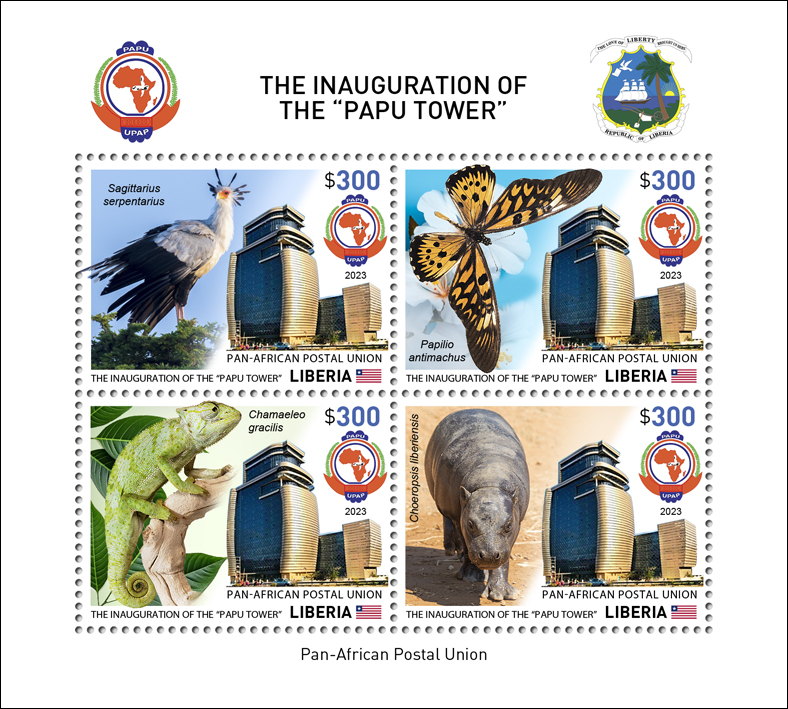
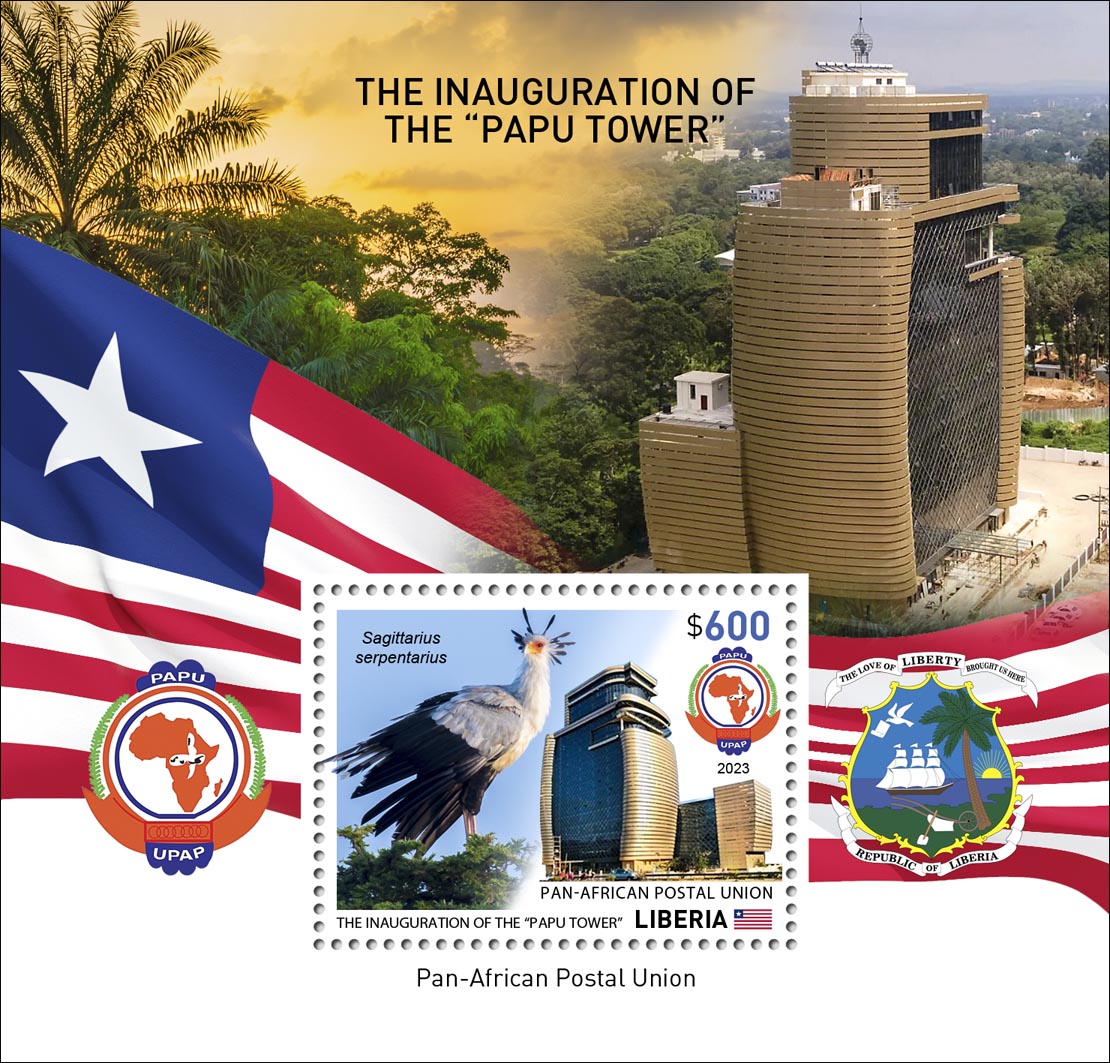
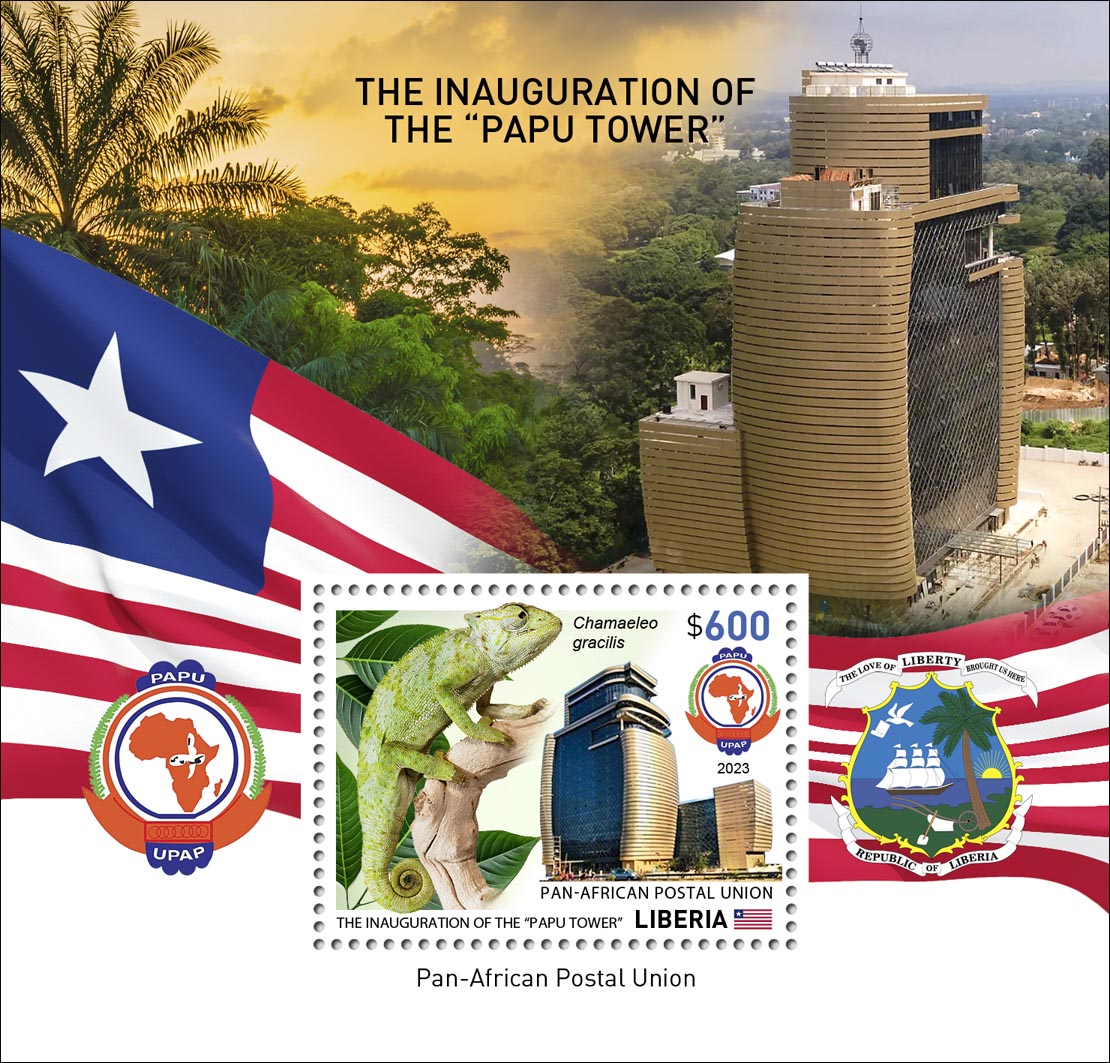
So far, we had already listed Algeria, Egypt Morocco, Nigeria, Senegal, Tanzania and Zimbabwe. Almost all of them issued on September 2, 2023 (Catalogue [T20230902] with earlier details provided on page PAPU 2023). Burundi (issued November 9, 2023), Central Africa (October 9), Guinea (), Liberia (October 9), Niger (October 9), Sierra Leone (October 9) and Togo () are now new countries to be added to the previous list. Unfortunately, on the contrary to the first series which were all issued on the date of the inauguration, these stamps were produced centrally in a various and large number of different forms. Each of these additional countries released 4 different stamps available in panes of 20 stamps each, also in 4 different souvenir sheets with different denominations, in a single souvenir sheet with all four stamps, in an additional souvenir sheet showing a fifth stamp that takes together the four illustrations of the previous 4 stamps and in a miniature sheet including the 4 individual stamps as se-tenant pairs, together with the fifth stamp. Only Burundi limited the issue to 4 stamps and 4 souvenir sheets. These stamps and souvenir sheets are also available as perforated and imperforated. A full set of a single country, Liberia, is illustrated below (without showing the imperforated analogues).

The illustrations are showing African animals, such as mammals, birds, reptiles, butterflies or lezards, meaning the sales are not only targeting joint issue collectors, but also topical collectors. The illustrations below are limited to the individual 5 different stamps of all these six countries (Liberia’s illustrations being provided above), to show this diversity. Topical collectors may even be interested in the illustrations in the margins of the souvenir sheets, which are also different.

Not taking in account the panes, this represents 11 different products per country for an average sales’ price of about € 75 (Delcampe). Total for panes of 20 stamps for these 7 countries reaches an estimated € 1,100. Almost all this material is also available as imperforate sold at about twice this amount, as well as FDCs, also twice the amount, and even as FDCs of imperforate material at three times the original amount. On this basis, one can evaluate the cost of a full collection limited to these seven additional countries, including Burundi but with its limited number of products. For Guinea and Togo, which stamps are not yet for sale, but as illustrations for their products are already available, sales’ price are estimated at the same level. The total would correspond to an investment through Delcampe or eBay (imperforated included) of about € 4,400 and another € 1,400 for FDCs !!! If one calculates the total face value of these products on the basis of the denominations, this same total leads respectively to about € 3,000 and € 1,000. Up to you to decide to integrate these stamps in your collection or not.

Actually, all of these new countries products were created at the same central place. The number of products released by these countries is unacceptable, and these stamps have definitely to be considered as material abusing collectors. They are not recommended to be purchased. Unfortunately, these stamps have to be considered as official stamps, and therefore have to be reported in the catalogue, but the comment of this excess will be expressed there. Each collector has to decide which products he wants to integrate in his collection, but needs also to know that such stamps are rarely accepted in official philatelic exhibits and resale is close to impossible.