2025 Catalogue update and new Catalogue 2026

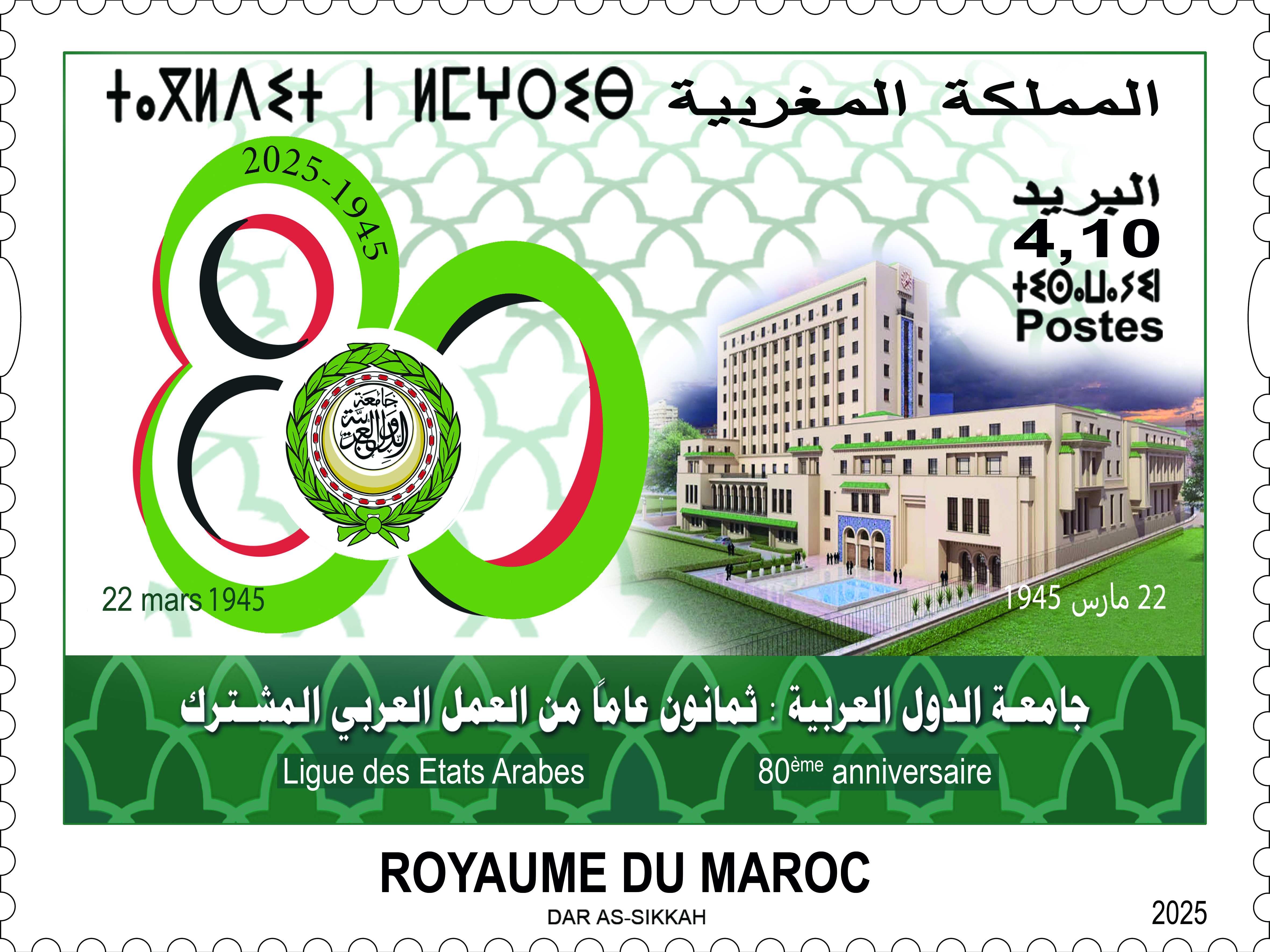
On December 19, 2025, Morocco has issued two stamps completing earlier joint issues with identical stamps to the series of the 80th Arab League anniversary [T20250322] already involving 6 countries, and to the joint Arab Postal Union stamps [T20250803], involving now in total 9 countries. Both these series are probably not yet complete and we may expect additional countries to be added with stamps probably to be issued during the year 2026. Both Moroccan stamps became available in miniature sheets of 10 stamps [2×5] printed at 10,000 sheets each (Source: Eric Contesse, France).

Also, among older issues, the design of the stamp of Libya from the World Post day series from October 9, 2022 [B20221009] became available, but there is no proof yet that this stamp really exists. It is reported in the Michel catalogue, but no one has seen this stamp. Can some one help here?

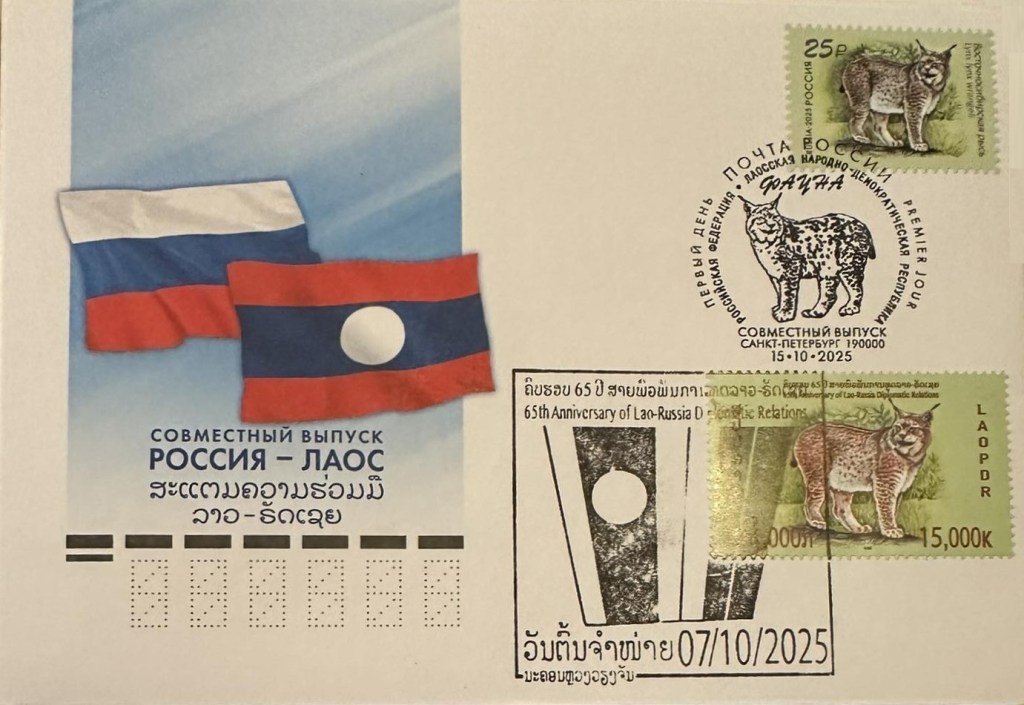
The Laos-Russia From October 15, 2025 issue showing lynxes needs to be corrected. On a recently released mixed FDC, it appears that the Laos stamps are cancelled from October 7, 2025 and not October 15, 2025, on the contrary to the Russian stamp. The issue reported so far as [T20251015] needs to be modified in [C20251007].
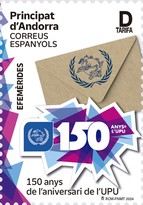
There are two postal entities active in Andorra, Spanish Andorra and French Andorra, that provide stamps for this small entity created back to 788. Since the year 1278, this enclave is under the control of Spain, through the catalan Bishop of Urgell, and France, via, originally, the Count of Foix, later the French King, now the French President, which are both co-princes of Andorra. By 2026, an agreement has been reached with La Poste (France) and the Spanish postal service (Correos) for greater coordination on the themes and dates of issue for stamps from both postal entities, Spanish Andorra and French Andorra, strengthening collaboration between the two postal administrations. Among the most noteworthy initiatives is a special issue involving Correos (Spain), La Poste (France), and the Principality of Andorra, with two complementary issues reflecting their shared identity and cultural heritage. More to come, but probably this may translate in more joint issues between Spanish Andorra and French Andorra starting in 2026 (Information provided by Kenneth Sequeira, Dubai).

It looks that we almost missed a joint issue, but it appeared eventually that it was based on a wrong message printed in the margin of a souvenir sheet. Liechtenstein issued on June 2, 2025 a souvenir sheet including three stamps and entitled “Gemeinschaftsblock Liechtenstein – Österreich” which means “Joint stamp block Liechstenstein – Austria”. However, in this context this text is not meaning that this souvcenir sheet is part of a joint issue between the two countries, but simply that Liechtenstein honors the relationship through philately with Austria with this souvenir sheet that was released during the philatelic exhibition Överbria’25 in Hihenems, Austria. Obviously, it was not expected that Austria would issue a counter part for this item. So, this is not a unilateral joint issue, not even a joint issue at all, despite the wording used on the souvenir sheet. Liechtenstein is used to release similar souvenir sheets containing three stamps dedicated to the locality or even country in which philatelic events are taking place.

The Cyprus – Vietnam issue announced earlier with a first day cancellation on the Cyprus stamps from December 1, 2025, appears to be a personal stamp issue and there will be no Vietnamese counterpart. This issue is therefore removed from the catalogue.

Ali Allawati (Oman) pointed a couple of errors in previous editions of the catalogue: Regarding The Oman Singapore joint issue [T20250221], there was an error in the souvenir sheet’s image with the denomination error “Rail” instead of “Rial”. The stamp with the mistake was of course never issued and the picture came from an advertisement document. Also, the “Muscat Street” is illustrating these stamps is a street located in Singapore and not in Oman. Both mistakes were corrected. Thanks Ali.

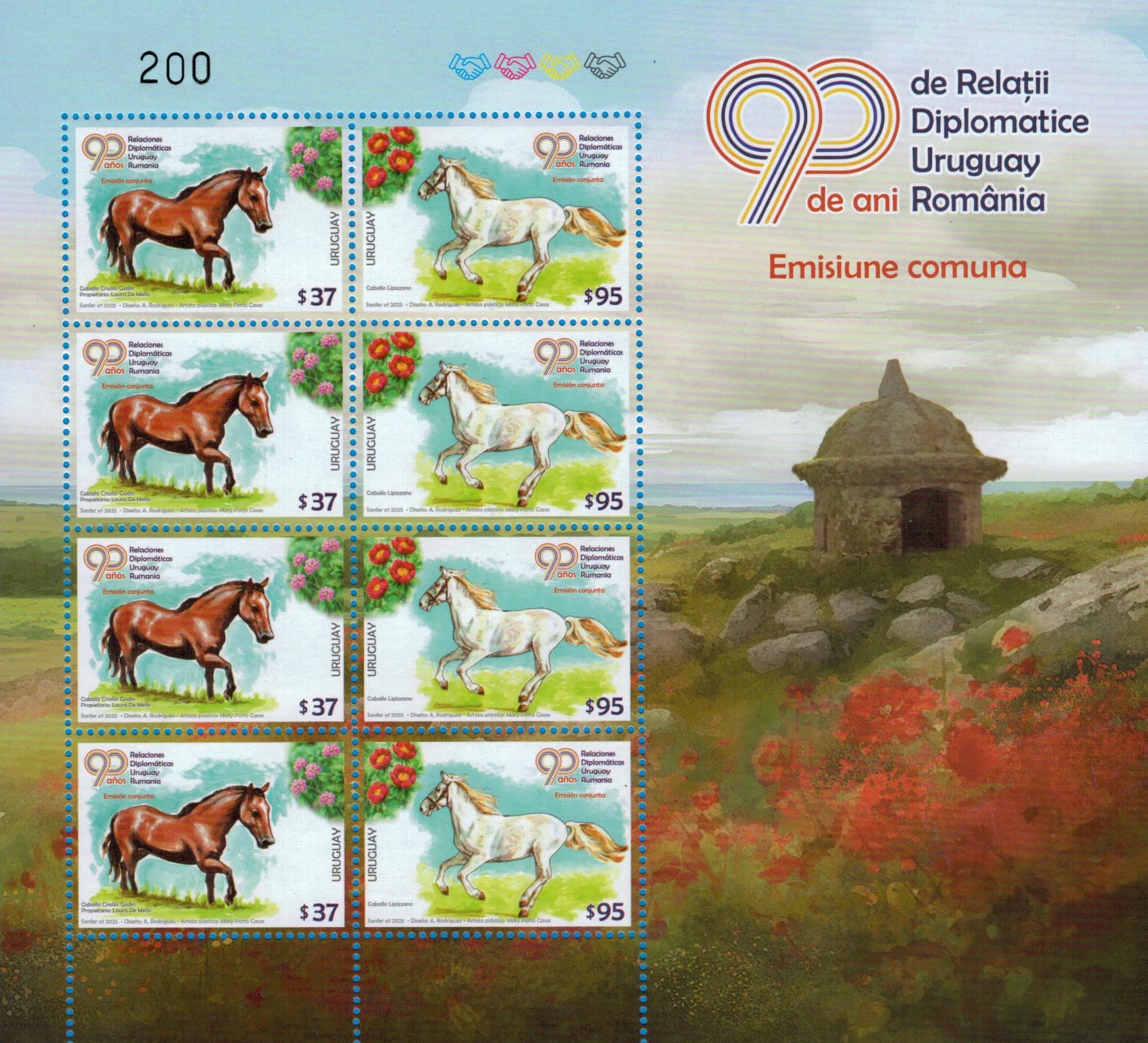
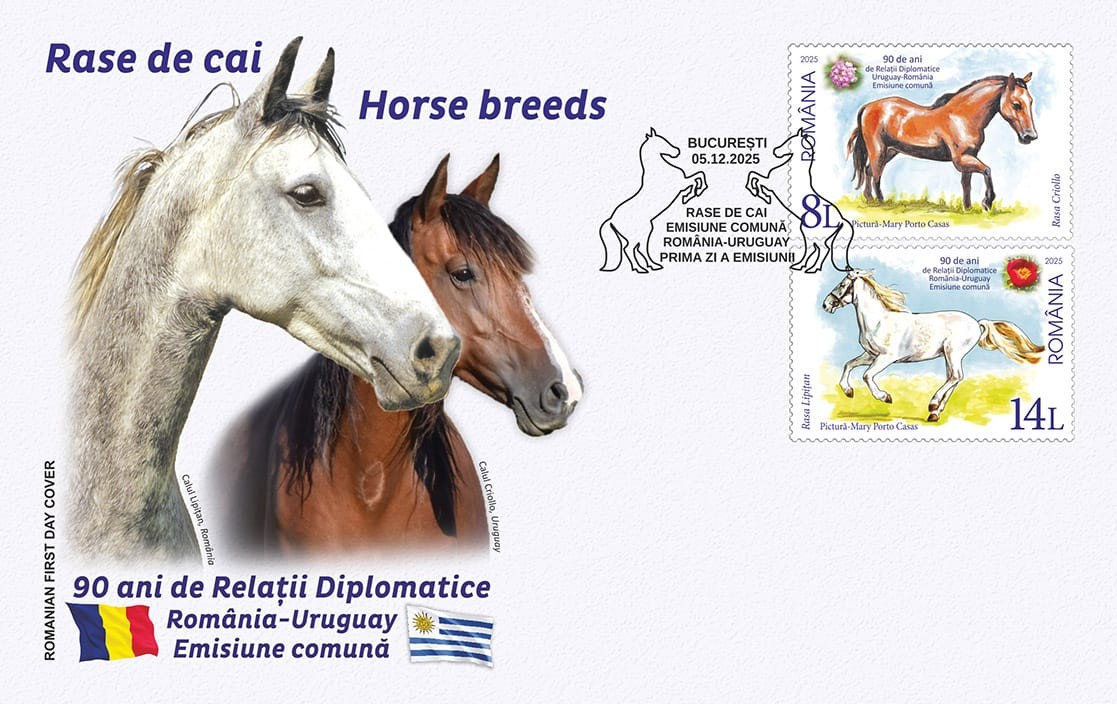
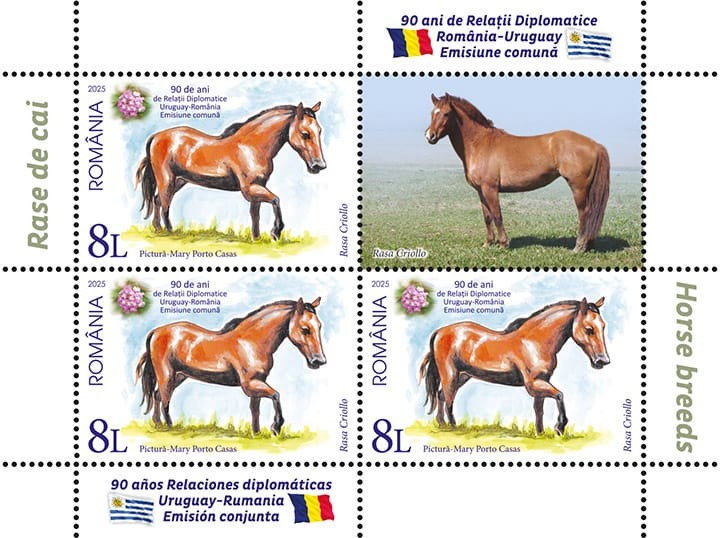
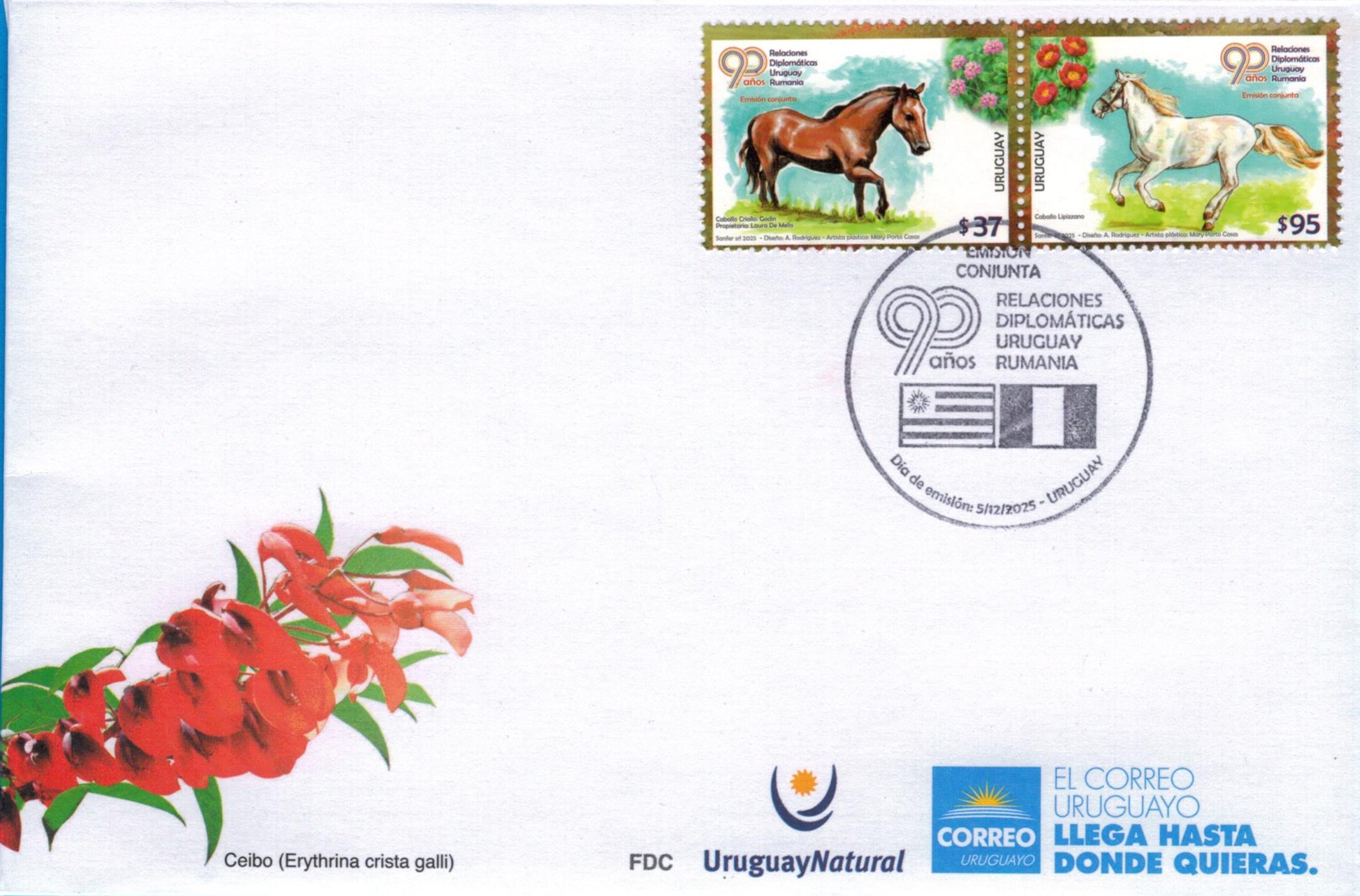
Information about the Uruguay, part of the Uruguay – Romania stamps became available (thanks to Jaap Sarelse, the Netherlands). Uruguay stamps were released on December 5, 2025 (same date as Romania) and stamps are similar to the Romanian stamps (although with some additional flowers), confirming Twin status. Some illustrations are provided below.


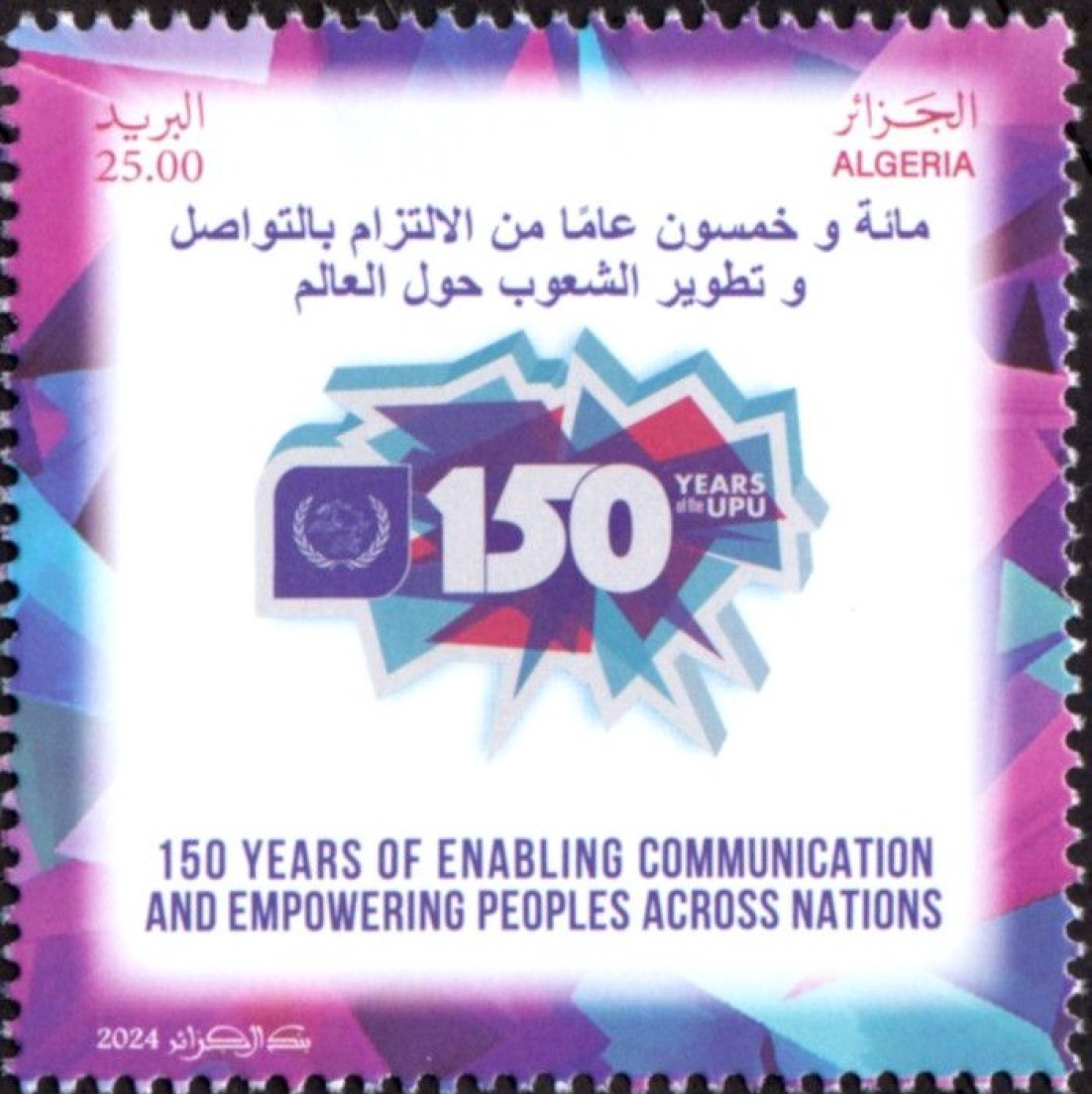
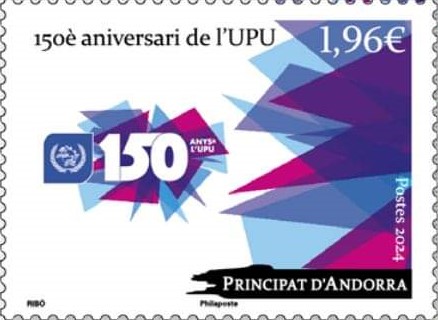
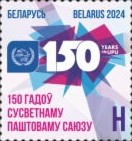
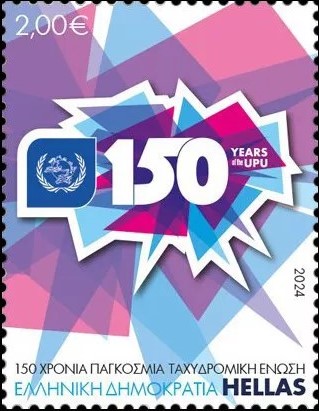
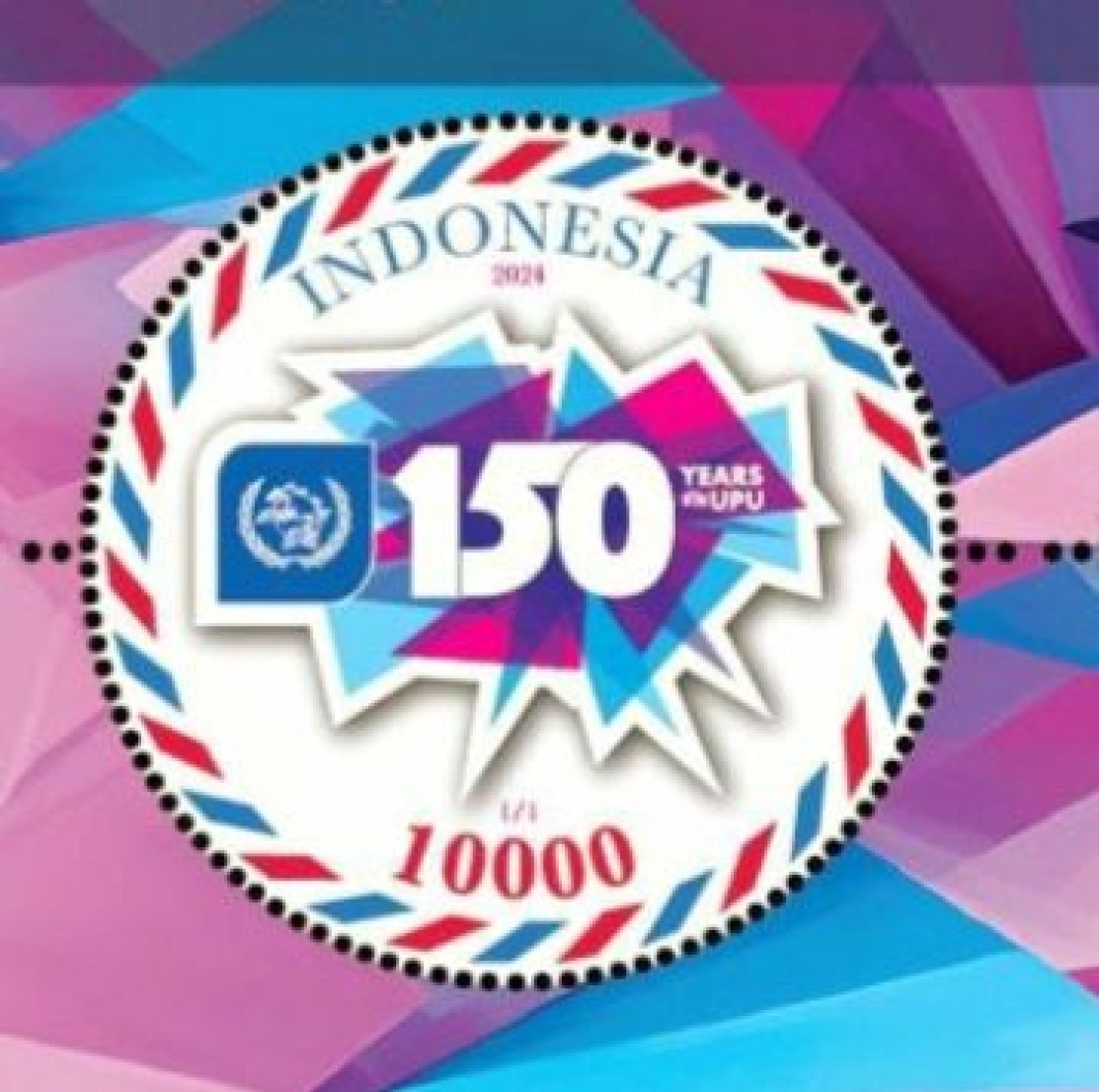
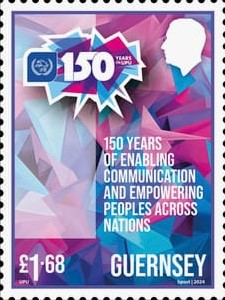
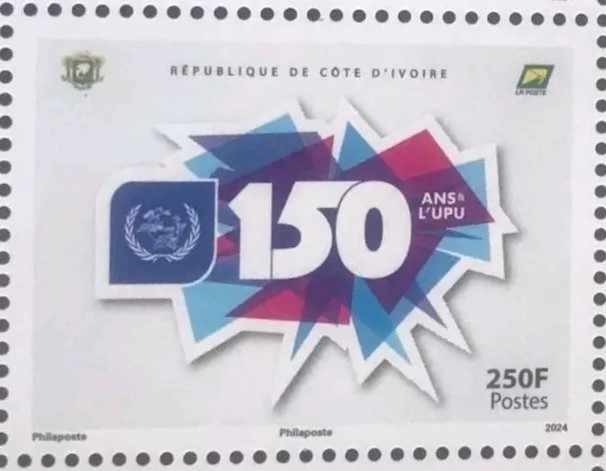
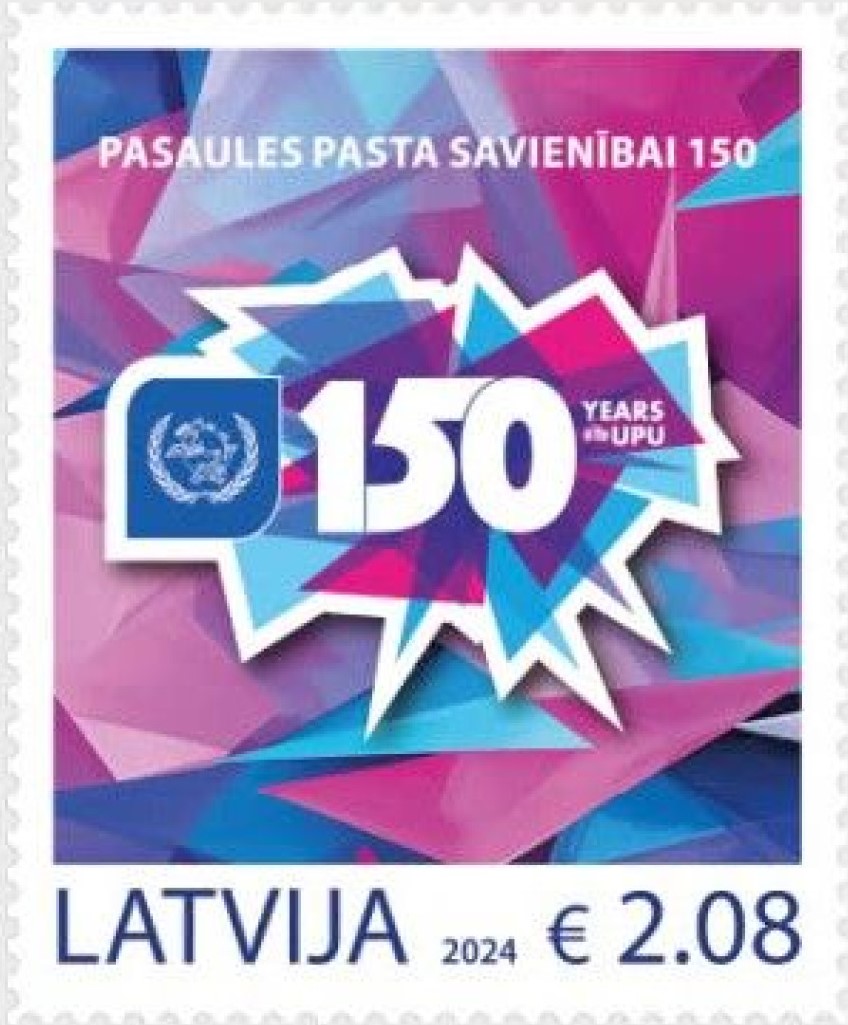
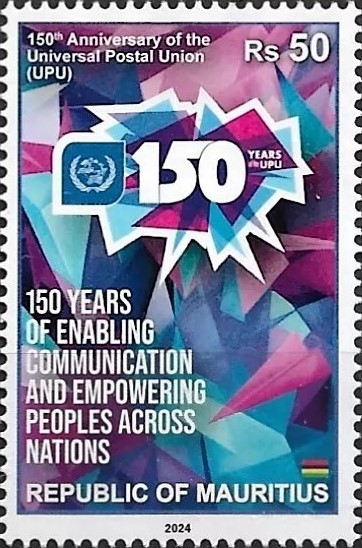
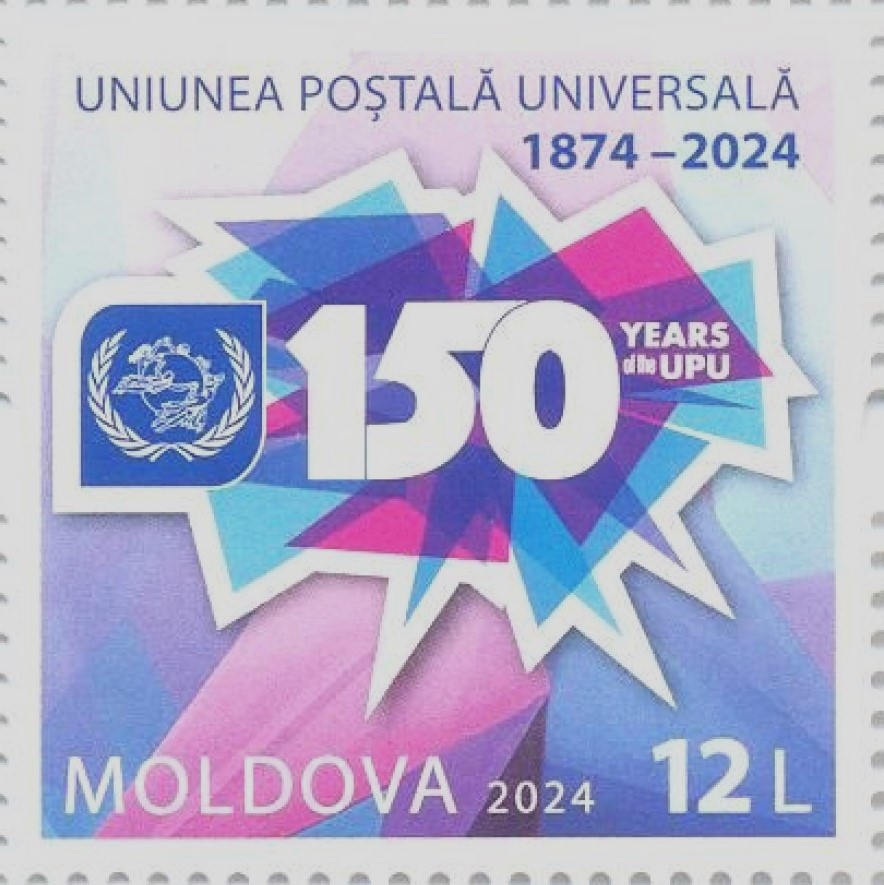
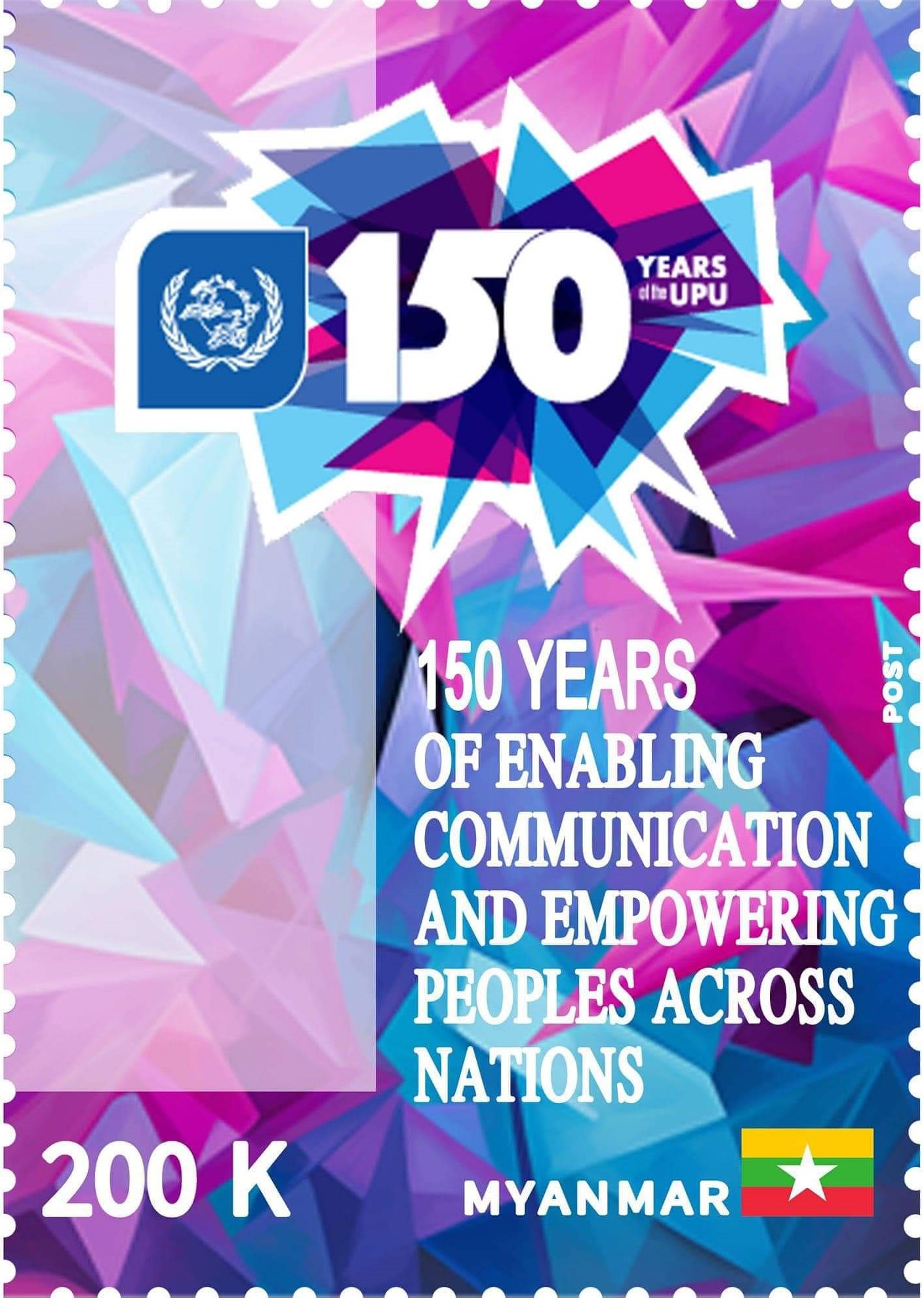
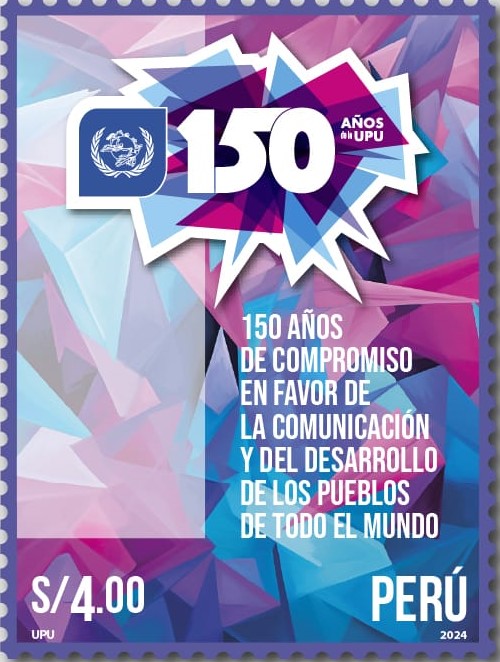
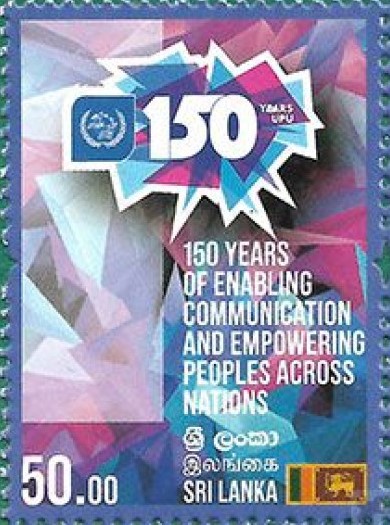
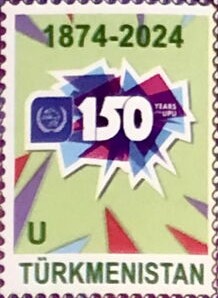
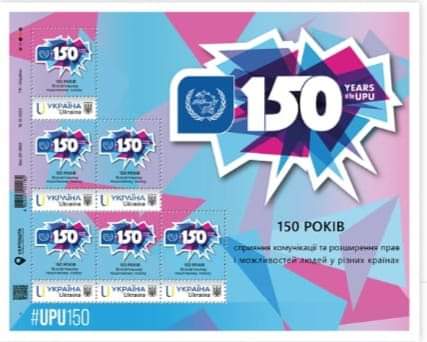
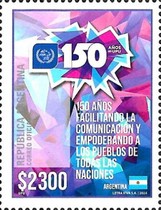
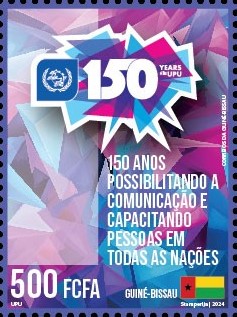
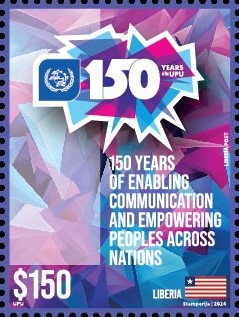
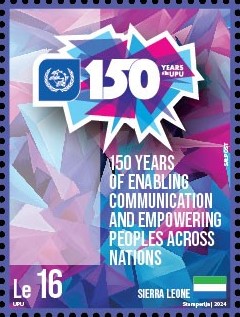
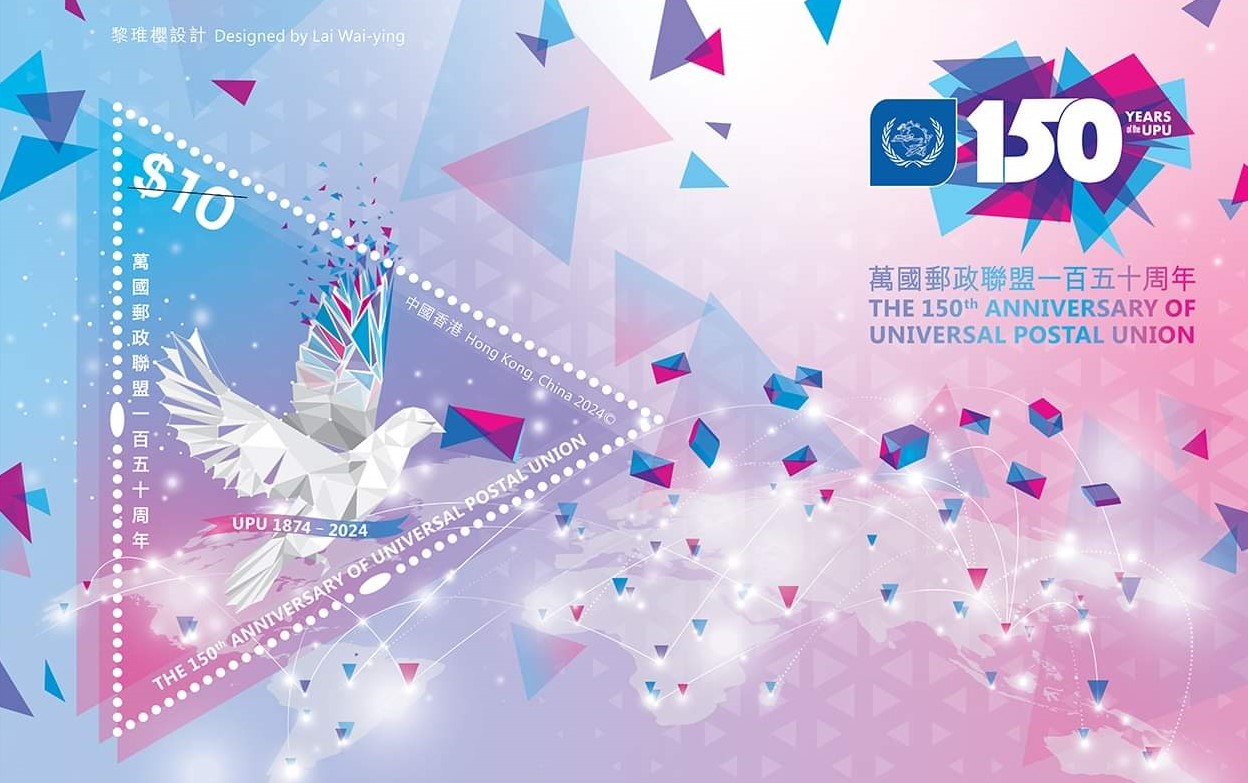
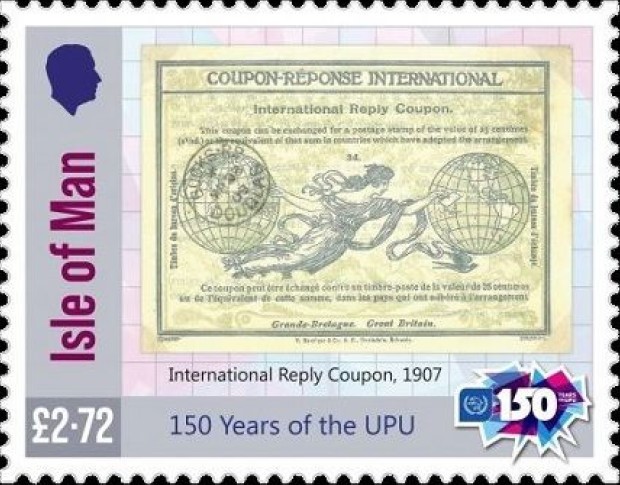
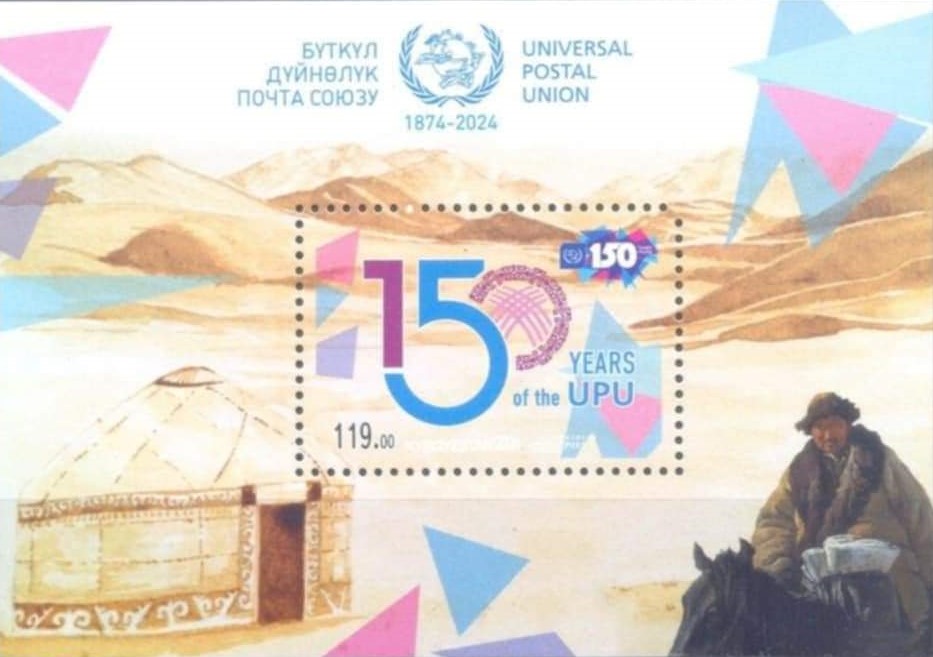
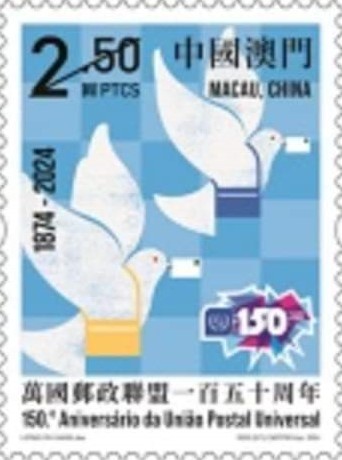
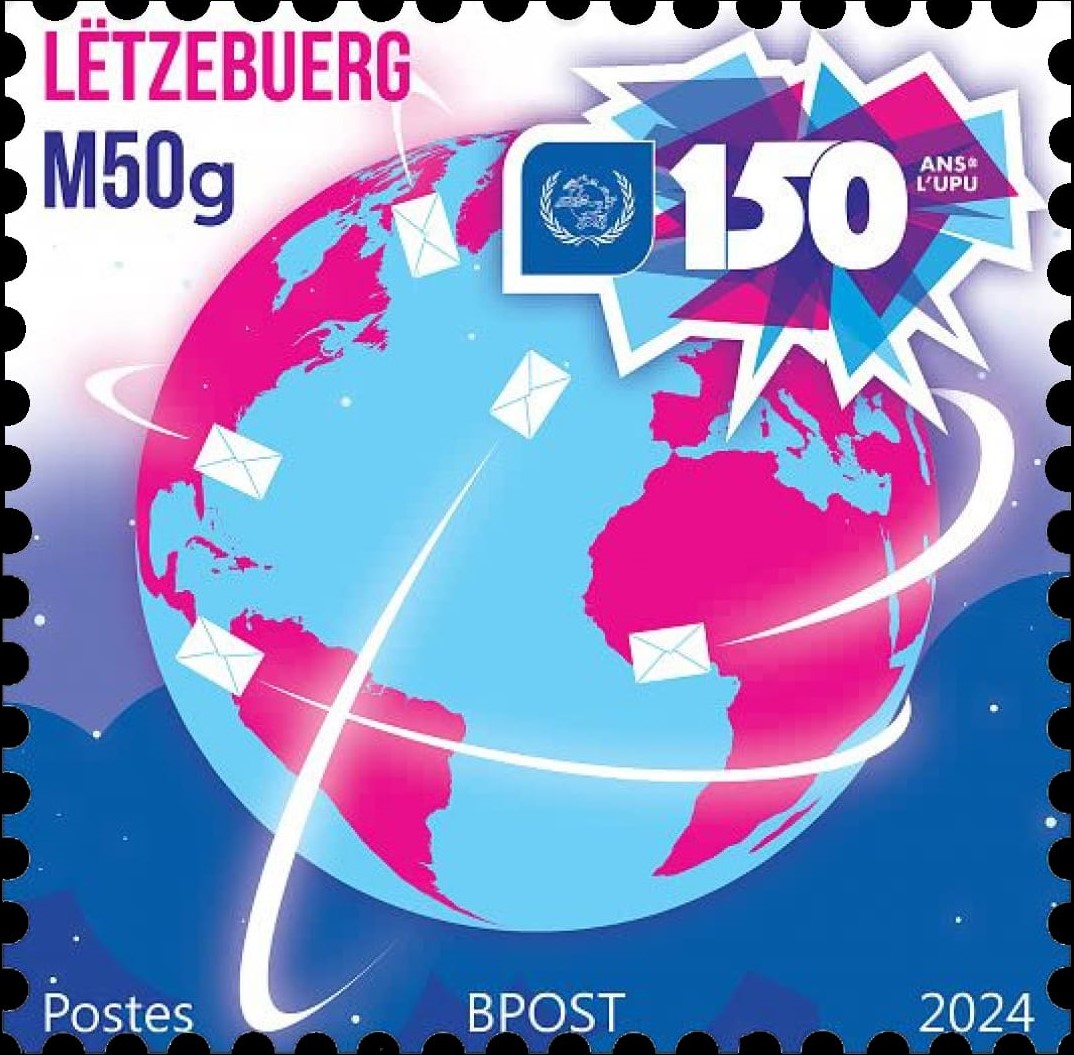
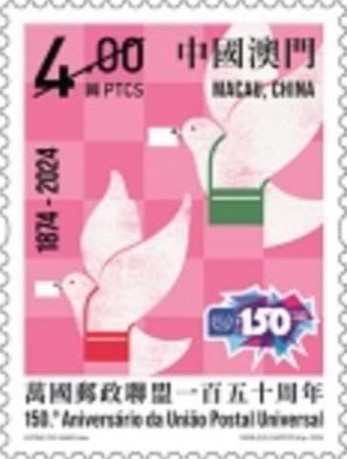
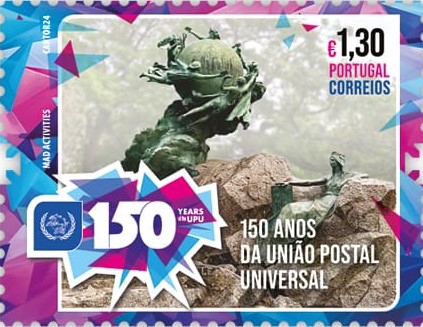
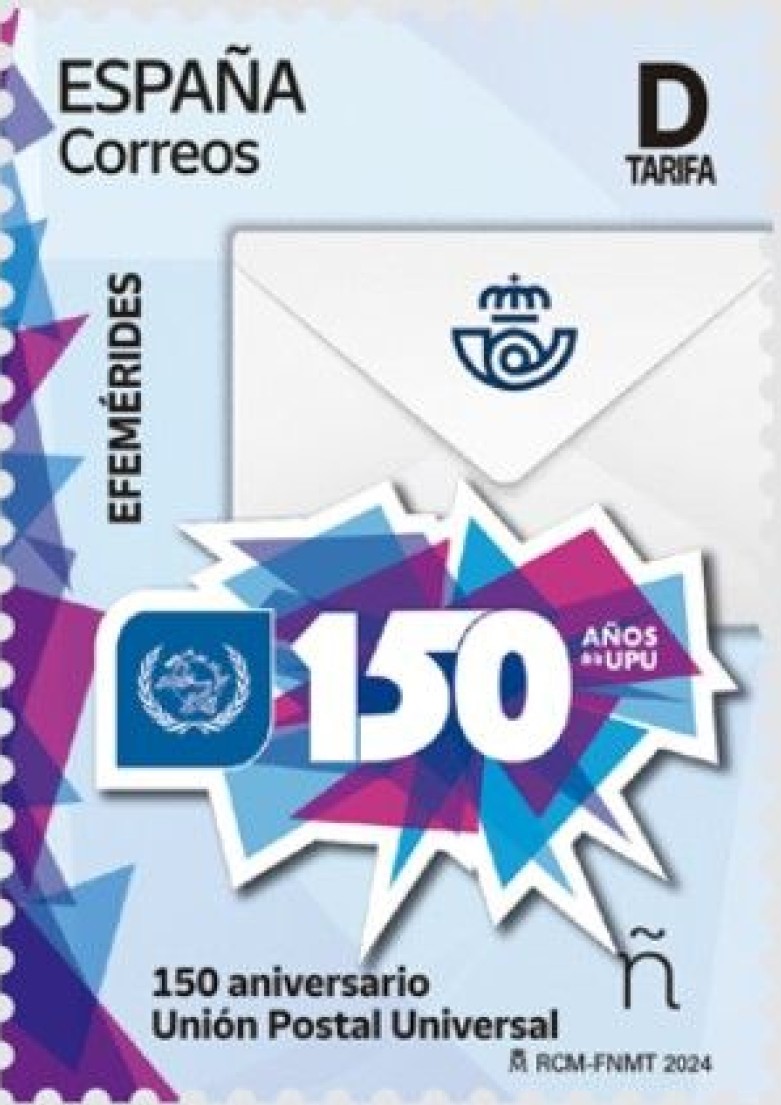
UPU 150th anniversary

The Universal Postal Union (UPU) is a specialized agency of the United Nations (UN) that coordinates postal policies among member nations and facilitates a uniform worldwide postal system. It comprises 192 member states and is headquartered in Bern, Switzerland. It was established on October 9, 1874, exactly 150 years ago.

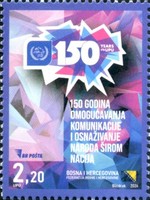
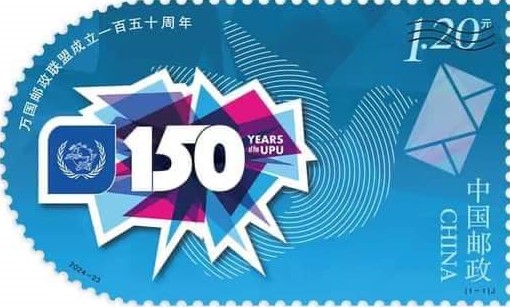
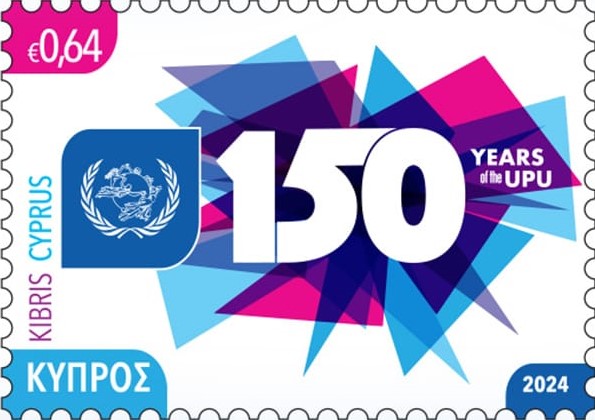
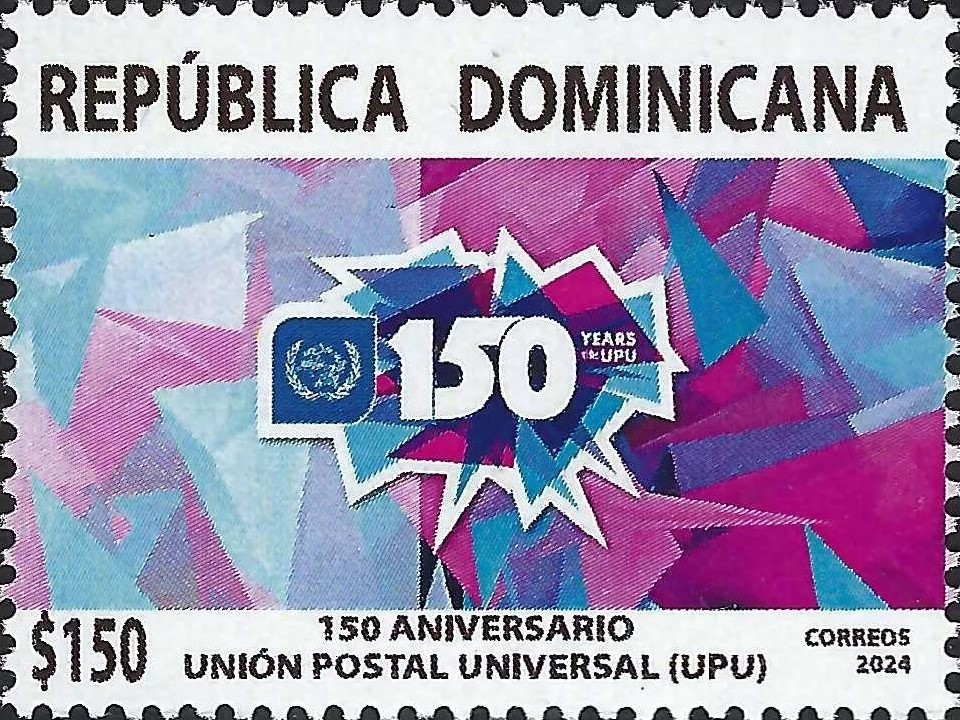
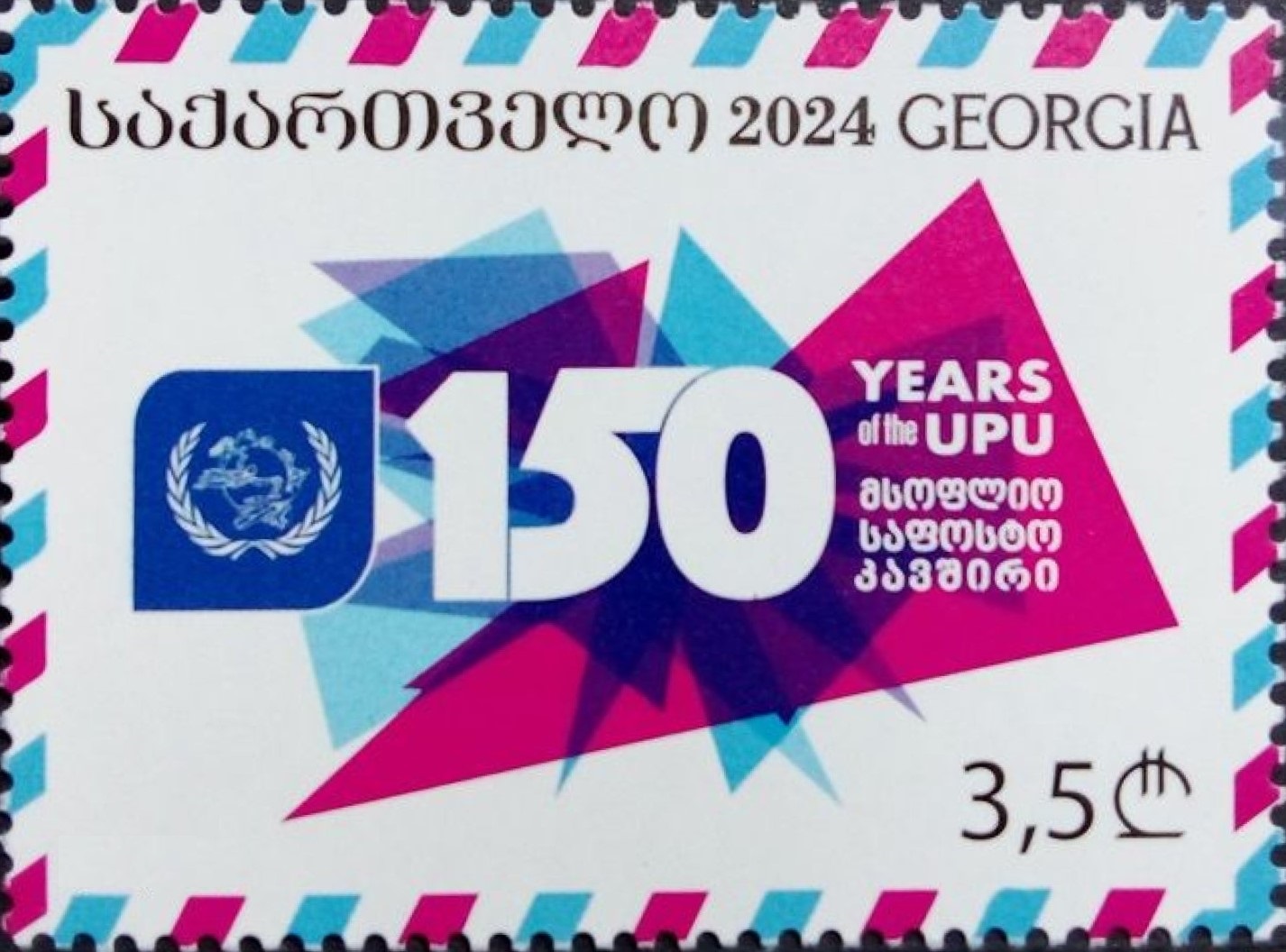
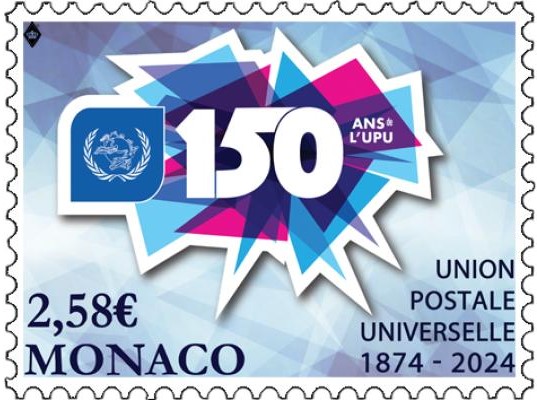
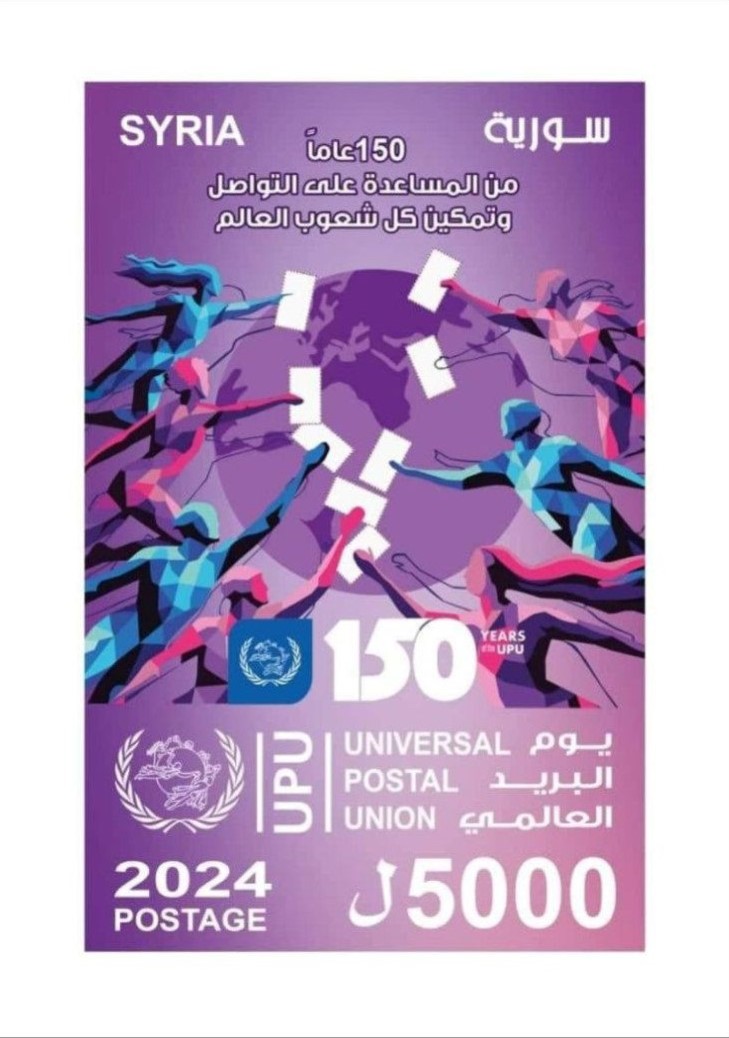
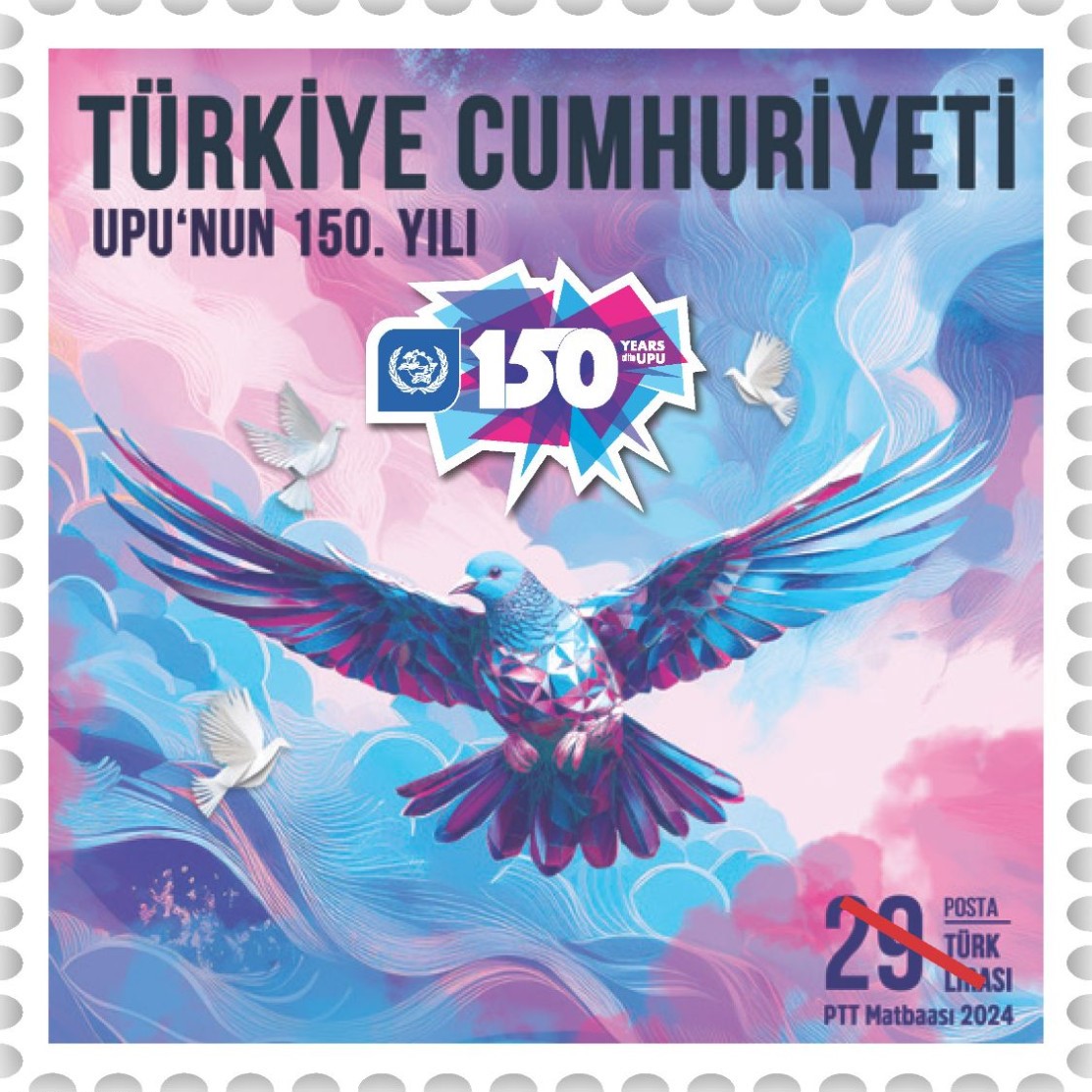
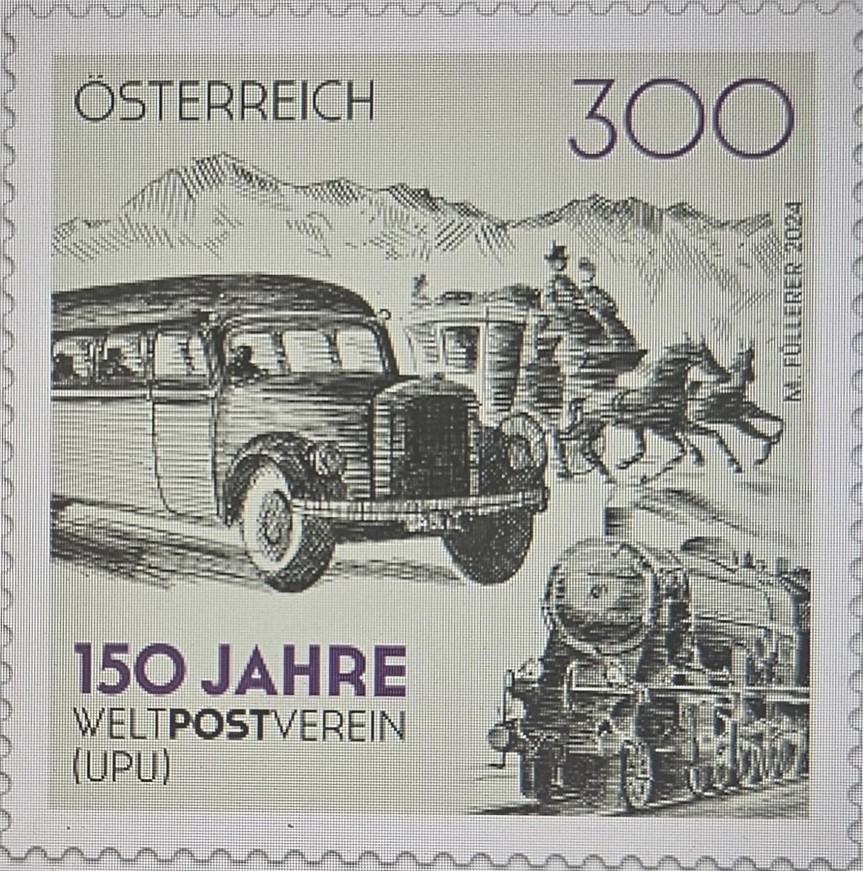
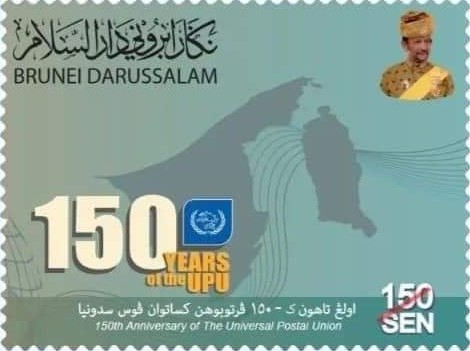
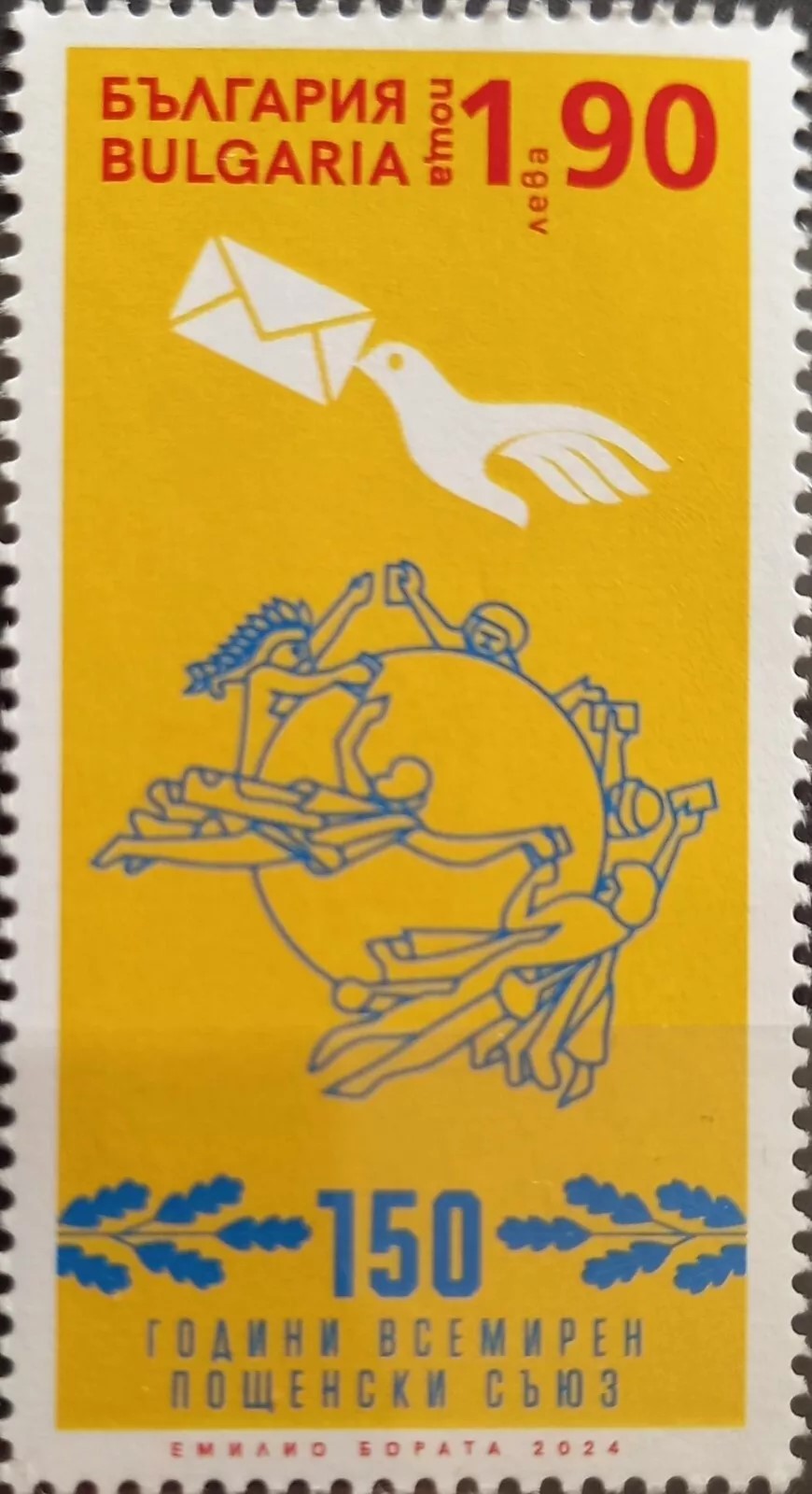
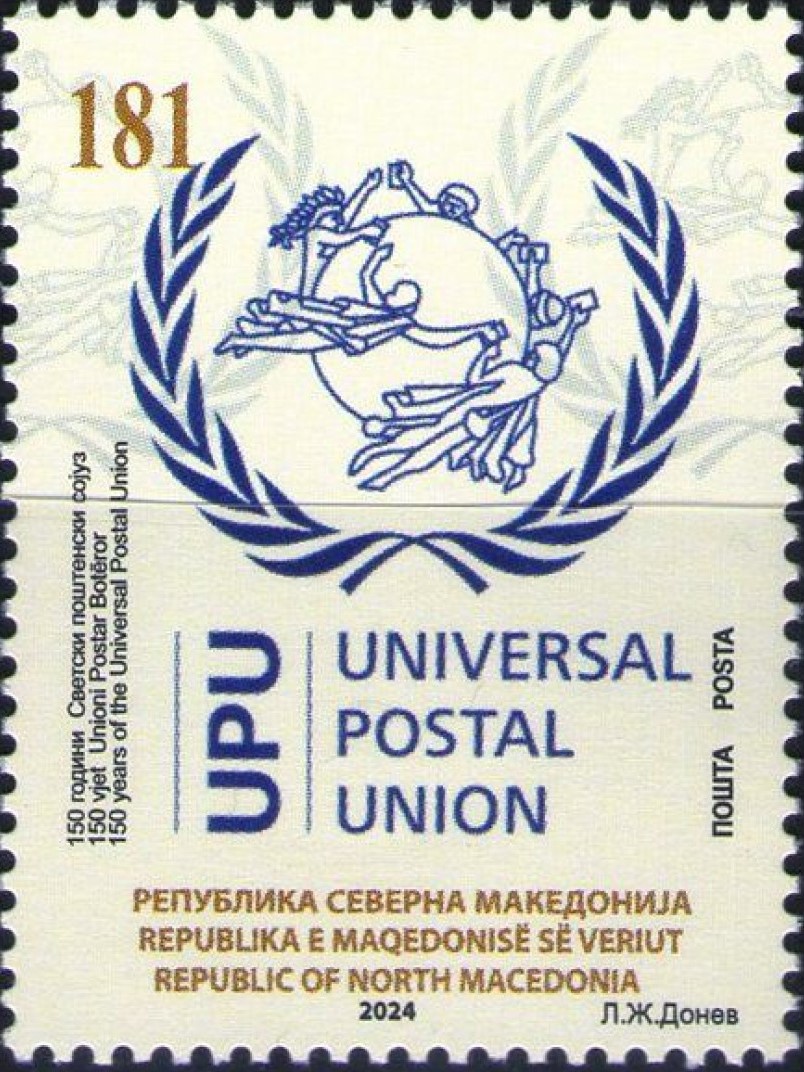
Since more than one year, we know that this anniversary will be celebrated with a stamp which common design was proposed by UPU. In the past, the 75th (1949) UPU anniversary was celebrated, but in a non-coordinated way, mainly by colonial entities (British, Dutch and French – D19490704, D19491001, D19491010, D19491018) and the 100th (1974) anniversary with stamps that remained different for all participating countries (N19741009). The same situation happened in 1999, with absence of concertation for the 125th anniversary celebration (N19991009). Eventually, so far, only the 145th anniversary in 2019 (T20191009b) could be considered as a Twin issue.

During this year of 2024, a very large number of countries are participating. In the strict sense, this has to be considered as a true joint issue, even if there was no real cooperation between countries, but a proposal of a design accepted by most of them and translated in a locally adapted stamp, for a large part of them issued at the anniversary date. It is not an Omnibus series, as Omnibus is defined by a central printing, not by the large number of participating countries. The 2024 stamps will be reported in the catalogue as a Twin issue under [T20241009]. It is easily understandable that some joint issues collectors do not integrate such large series in their collection, in the same way Europa-CEPT stamps are not acceptable for them. Each individual collector has to decide on the basis of the following.

In the catalogue, the countries will be divided in subgroups:

  • A: the countries which take the exact original design proposed by UPU and issue the stamp(s) on October 9, 2024 (or actually around this date, plus or minus a week, roughly between October 1 and October 17, 2024), according to the definition of a twin issue [T]
  • B: the countries which take the exact original design but issue the stamp at a different date. It should not be surprising if some countries may issue their stamp in 2025 or even 2026. This is the equivalent of a Concerted issue [C]
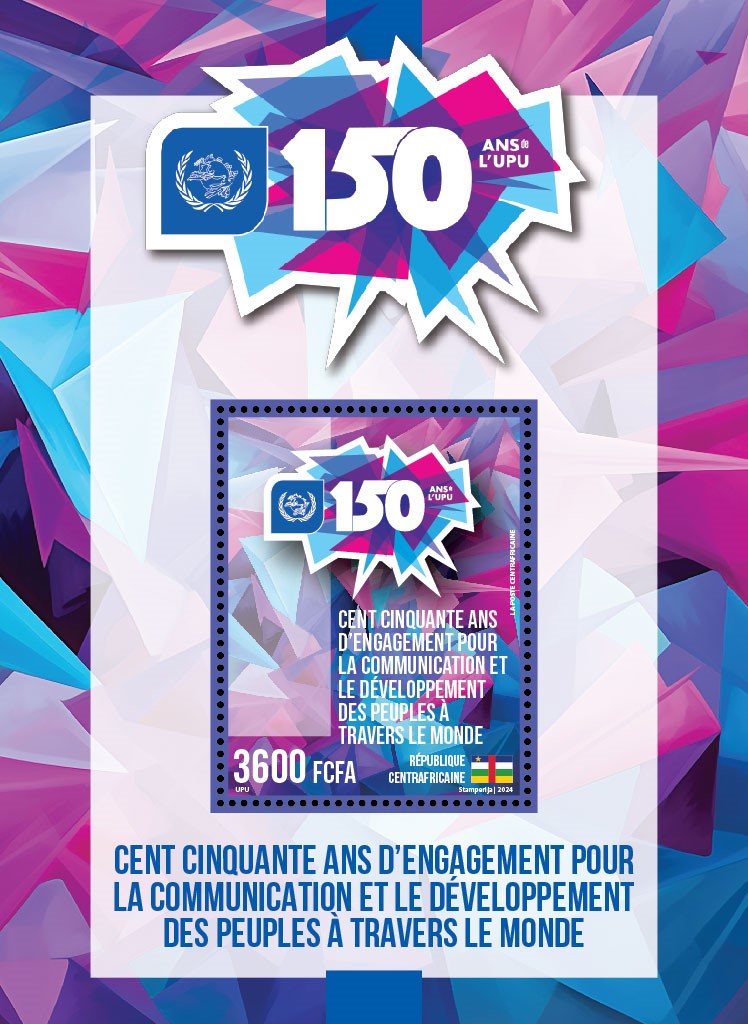
  • C: the countries which use only a part of the design, actually integrating only the “150” logo and add some other illustrations. This logo can appear within the stamp, or on the margin of a souvenir sheet or within a label. Those stamps are also considered as twin or concerted issues of Type [T2] or [C2]
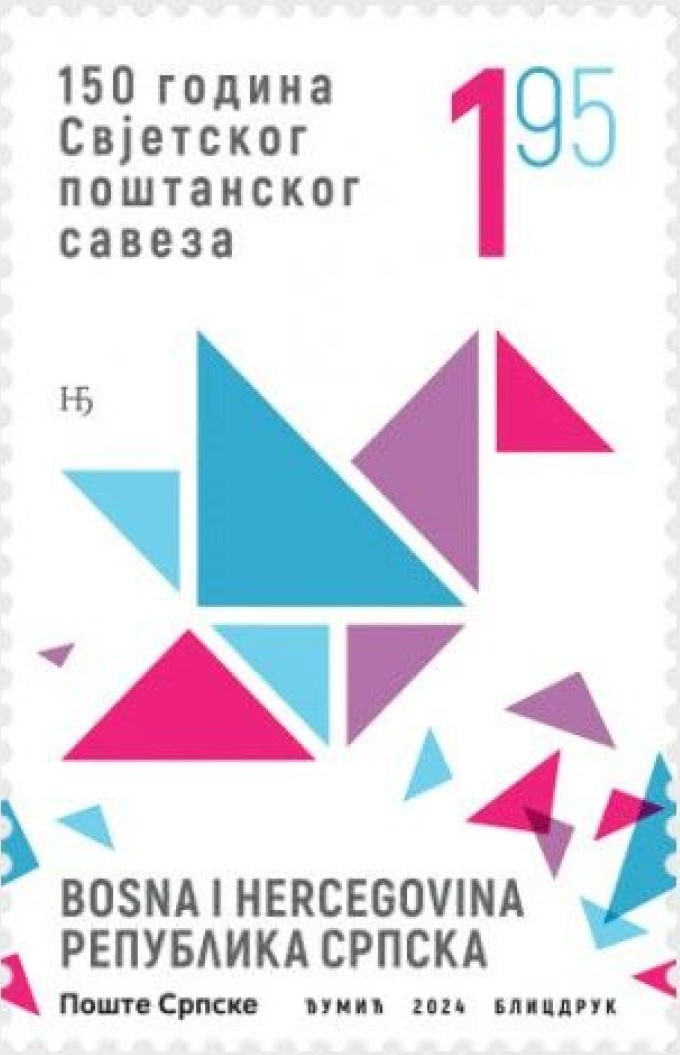
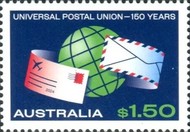
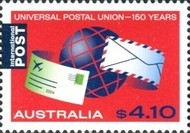
  • D: the countries which use a completely different design, but still issue their stamp(s) around October 9, 2024. This is the equivalent of a Parallel issue [P]. In this case, the original logo may appear on the stamp, but at a size that remains smaller than the half of the surface of the stamp
  • E: finally the countries that do not want to stick to design and date, and work on their own, just referring to the UPU anniversary. These countries are simply listed, without details, as they cannot be considered as joint [N].

We will have again to take care of stamps that are created by agencies that are producing stamps for certain countries but which have been given the freedom to issue stamps without a real control from the reference countries. These stamps are easily recognized by the number of stamps issued in a series and they are produced to fool collectors. In order to better identify these stamps and because they remain real stamps but never reach the originating country, they will be reported in the catalogue, but in italics. In the same way, some other stamps such as the French stamp with a full common logo are of private origin (personalized stamp) that cannot be considered as part of this joint issue either. This will be true for any other privately produced stamp from other countries, if any, and also described in italic characters.

The countries for which we already have information are reported below. If a date between brackets is missing behind the country name, this means that this stamp(s) was issued on October 9, 2024. If the content of the brackets remains empty, this means that the exact issue date is not known yet. A large number of images were provided by Enzo Cafaro (Italy). The following list is of course not yet complete.

Countries of type A (Twin [T1]): Algeria – Andorra (French) (October 10) – Andorra (Spanish) – Armenia – Bangladesh – Belarus – Bosnia Herzegovina (Bosnia) – Brazil – China (PR) – Croatia – Cyprus – Dominican Republic – Greece – Guernsey – India – Indonesia – Ivory Coast – Jordan – Latvia – Lithuania (October 4) – Mauritius – Moldova – Myanmar – Paraguay – Peru – Romania – Sri Lanka – Thailand – Turkmenistan (October 8) – Ukraine – United Arab Emirates

Countries of type B (Concerted [C1]): Argentina (August 28) – Azerbaijan (February 1)Burundi (September)Central Africa (September)Djibouti (September) – Georgia (June 1) – Guinea (September)Guinea-Bissau (September)Liberia (September)Mali (September) – Monaco (May 30) – Mongolia (September 25) – Sierra Leone (September)Togo (September)

Countries of type C (Twin or concerted [T2] or [C2]): Bosnia (Serbia) – Egypt () – France (October 14) – Hong Kong – Hungary (July 24) – Isle of Man (August 30) – Japan – Kyrgyzstan (October) – Luxembourg (September 10) – Macau – Malaysia – Morocco – Pakistan – Portugal – San Marino – Saudi Arabia () – Singapore – Slovenia – Spain – Syria – Tunisia – Türkiye – Uruguay – Uzbekistan () – Vietnam

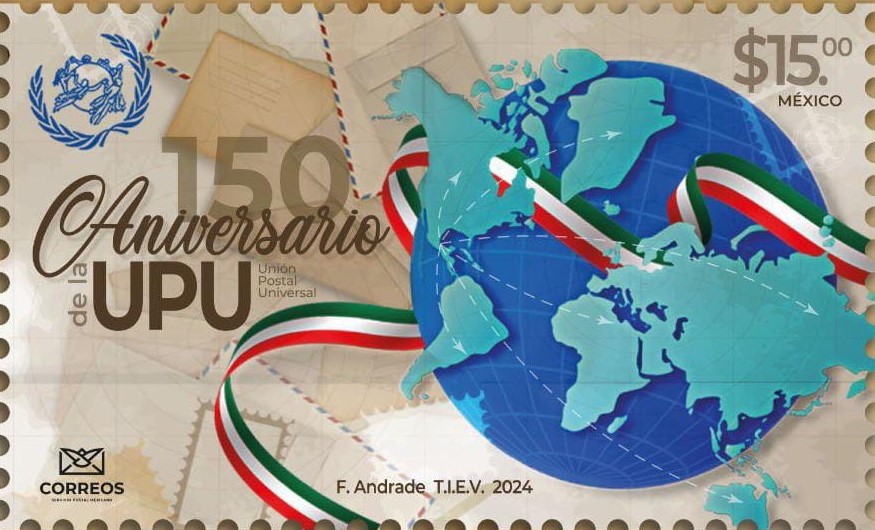
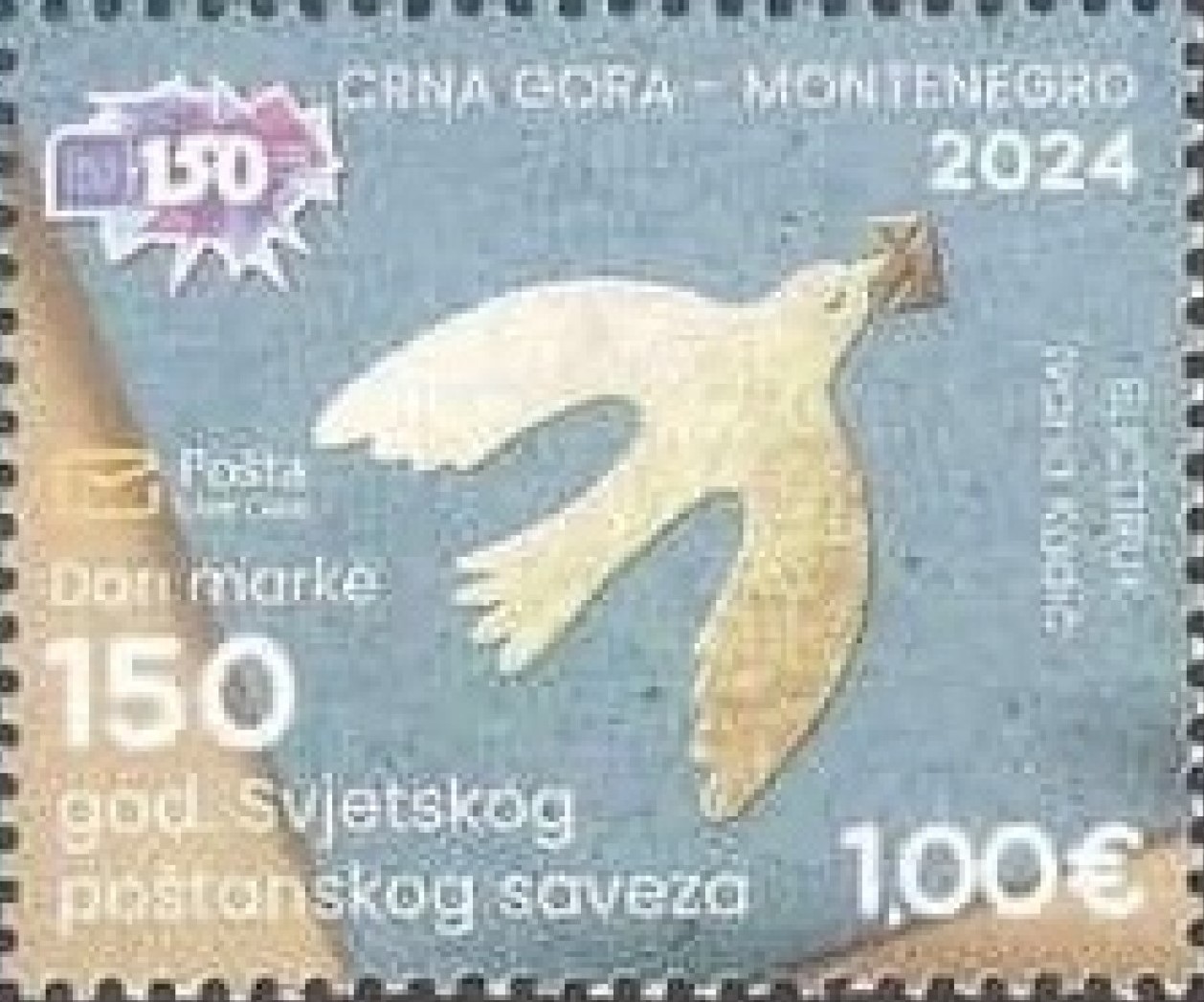
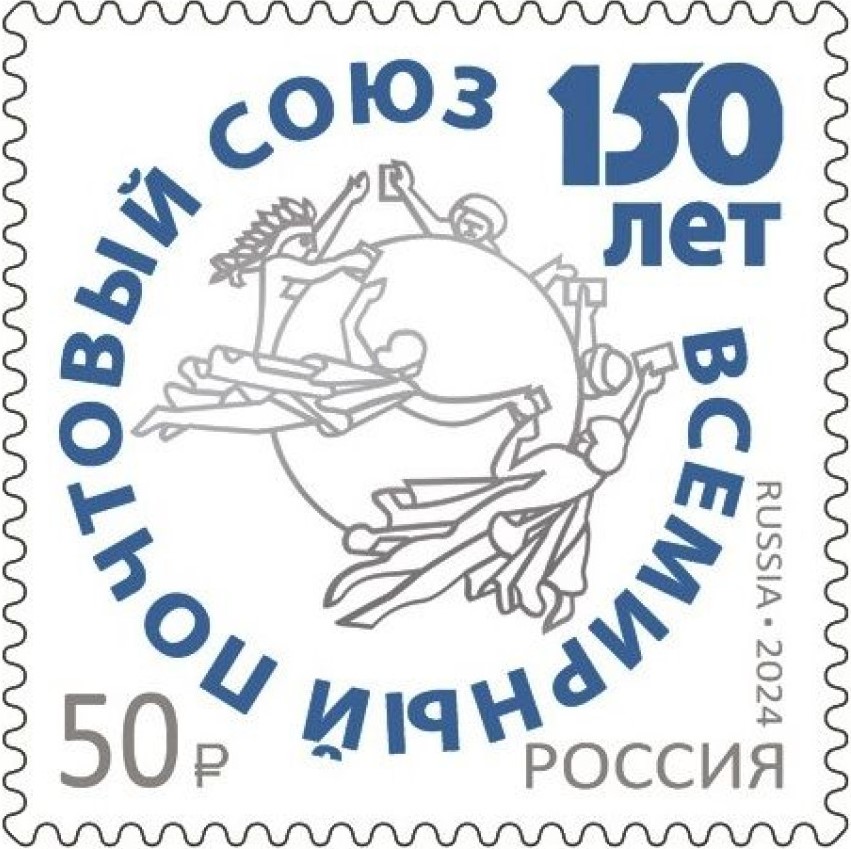
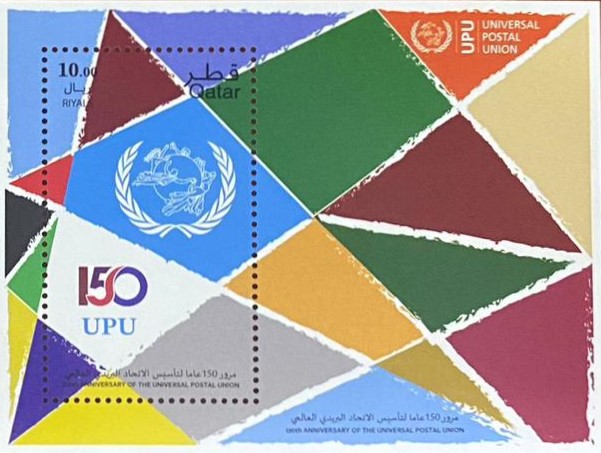
Countries of type D (Parallel issue [P]): Australia (October 1) – Austria (October 4) – Brunei Darussalam () – Bulgaria – Czech Republic – French Polynesia – Germany (October 10) – Macedonia (North) – Mexico – Montenegro – Qatar () – Russia – Slovakia – Switzerland (September 5) – Tajikistan (May) – Vatican (September 16) – Wallis and Futuna

Countries of type E (not considered as joint): Belgium (June 10) – Serbia (May 25) – United Nations – Geneva (May 30) – United Nations – New York (May 30) – United Nations – Vienna (May 30).

So far, 86 countries are listed above to which one has to add 2 postal authorities that have issued stamps that cannot be considered as joint (Type E – United Nations offices are not taken in account as countries, UPU being a sub-unit of the United Nations). The UPU counts presently 192 members, which means information from 106 countries (!) is missing. Obviously there will be an update of this page. A great help is needed here to recover information from other participating countries. We are also missing better quality images for stamps from Ivory Coast and Ukraine. Thanks a lot in advance for providing name of missing countries, exact dates of issue, and when possible illustrations, printing runs, sizes of panels and by-product lists.

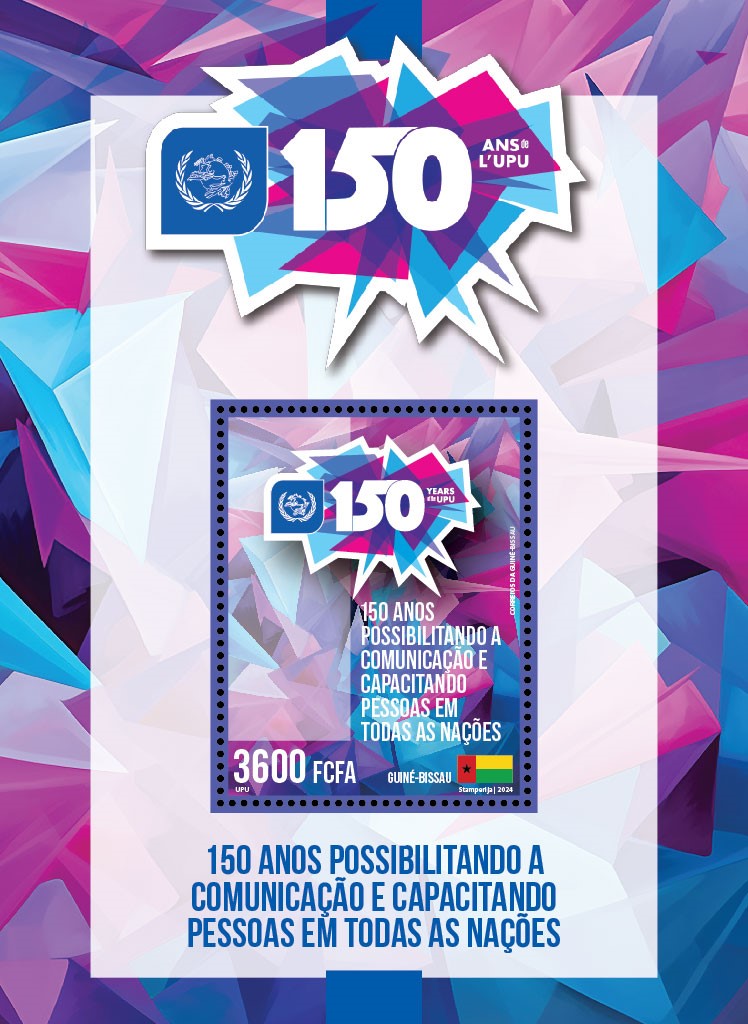
The catalogue pages should be updated within the next week.