FIP and ECOWAS

This beginning of the year is very quiet. Next to the early Chinese New Year stamps involving China PR, Hong Kong and Macao, only two omnibus series where initiated, one related to the centenary of the FIP, the other to the 50th anniversary of the ECOWAS.

On February 6, 2026, Jordan and the United Arab Emirates issued similar stamps to celebrate the centenary of the ‘Federation Internationale de Philatélie’ (FIP – International Federation of Philately) with a design based on the FIP logo. This two first issues coincided with the Dubai 2026 World Stamp Exhibition, the first world exhibition celebrating this FIP centenary. Apparently other countries will participate – actually all countries could participate – and so far the following have already announced it: Bosnia Herzegovina (June 16, 2026), Serbia (), Brazil (June 18, 2026) and Bosnia Herzegovina (Serbia) (October 9, 2026). We do not know if these stamps will be of the same design. Romania already issued a stamp on February 26, 2026, but with a completely different design, so, not part of the joint issue (the FIP logo appears in the margin of a souvenir sheet).

On February 12, 2026, the ECOWAS countries came together to issue a commemorative stamp at the occasion of the 50th anniversary of its creation (which actually took place on May 28, 1975). ECOWAS (Economic Community of West African States, also known as CEDEAO in French and Portuguese) includes today 12 countries. All 12 countries participated to the issue with identical stamps bearing each a QR code to access further information. A 3×4 sheet bearing the 12 different stamps was issued at the same date, so including Benin – Cape Verde – Gambia – Ghana – Guinea – Guinea-Bissau – Ivory Coast – Liberia – Nigeria – Senegal – Sierra Leone and Togo. This information was provided by Kenneth Sequeira (Dubai). We now have to find information for all individual countries which remains always complicated for African countries.

Illustrations of the stamps to be released by Japan on April 26, 2026 in a joint issue with Singapore and of the Indonesia stamps to be relased jointly with Uruguay (date of issue still unknown) became already available thanks to Kenneth Sequeira, Dubai.

Enzo Cafaro (Italy), provided also the illustration of the future Europa stamp to be released by Armenia (exact date of release still unknown). In the meantime, some countries have already issued their 2026 Europa stamps or shown the future design: Aland (May 8, 2026), Belgium (April 13), Finland (May 6), Guernsey (April 1), Liechtenstein (March 2), Monaco (May 9) and San Marino (March 2).

Among the other interesting information, one has to note that Denmark has decided, from January 1, 2026 on, to dismantle the Post, which has for consequence that all post boxes have been removed and that this country will not issue stamps anymore. The postal services are taken over by private companies from now on (which apparently will not issue stamps, but work with labels and QR codes only).
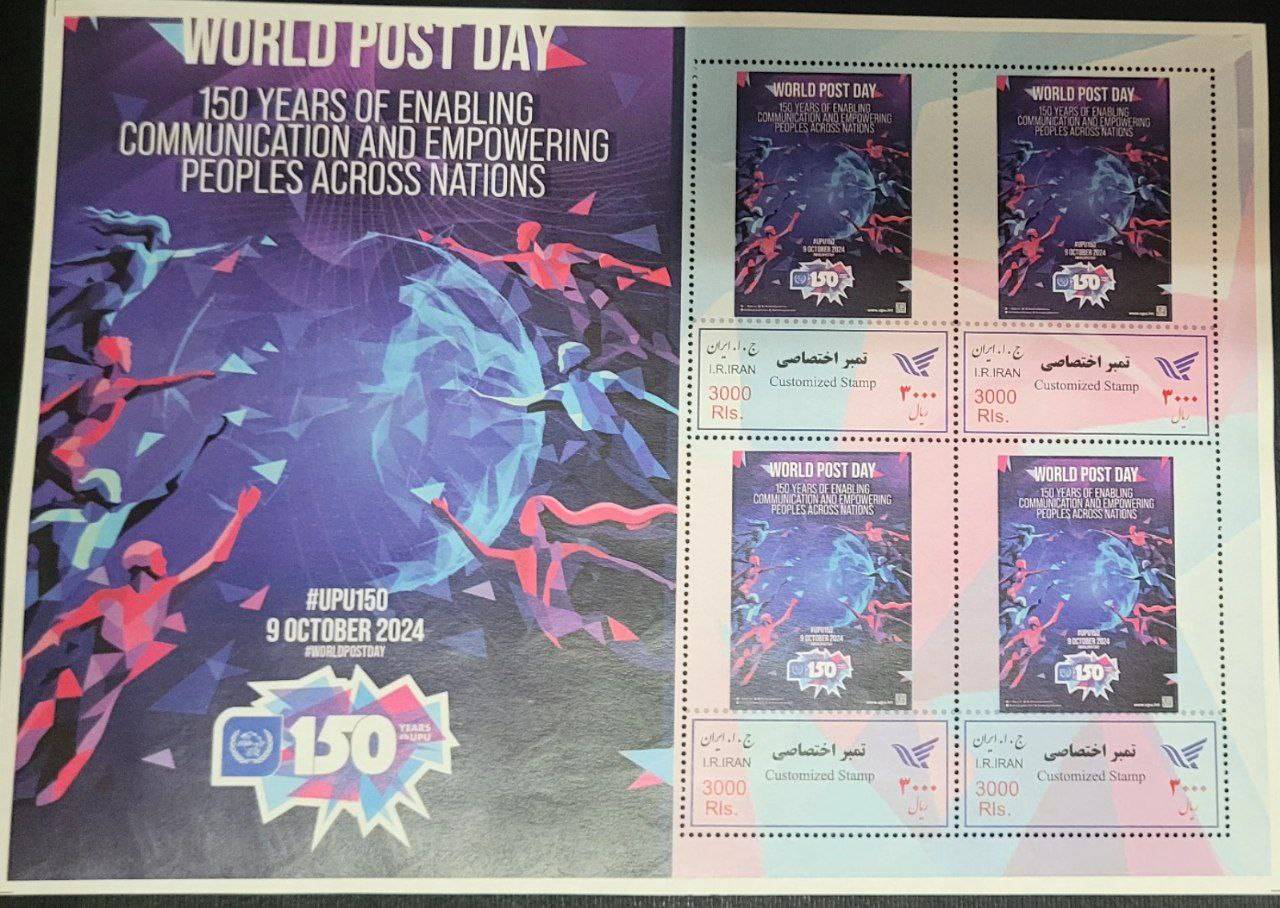
UPU 150th anniversary: second update

Since the publication of the original blog page related to the description of stamps linked to the 150th UPU anniversary (October 9, 2024) and the first update, as expected, additional stamps and countries have been discovered and are now described below. It seems this is still not the last update. This complementary list is divided on the basis of the same structure as the one provided earlier, in the first update:

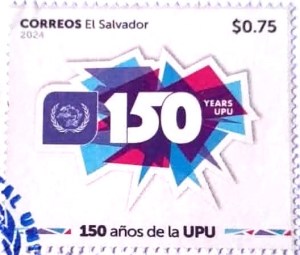
  1. Countries of Type A (Twin [T1], same date, same design), additional country: El Salvador (October 9, 2024).

2. New country of Type B (Concerted [C1], different dates, same design): Nepal (December 17).

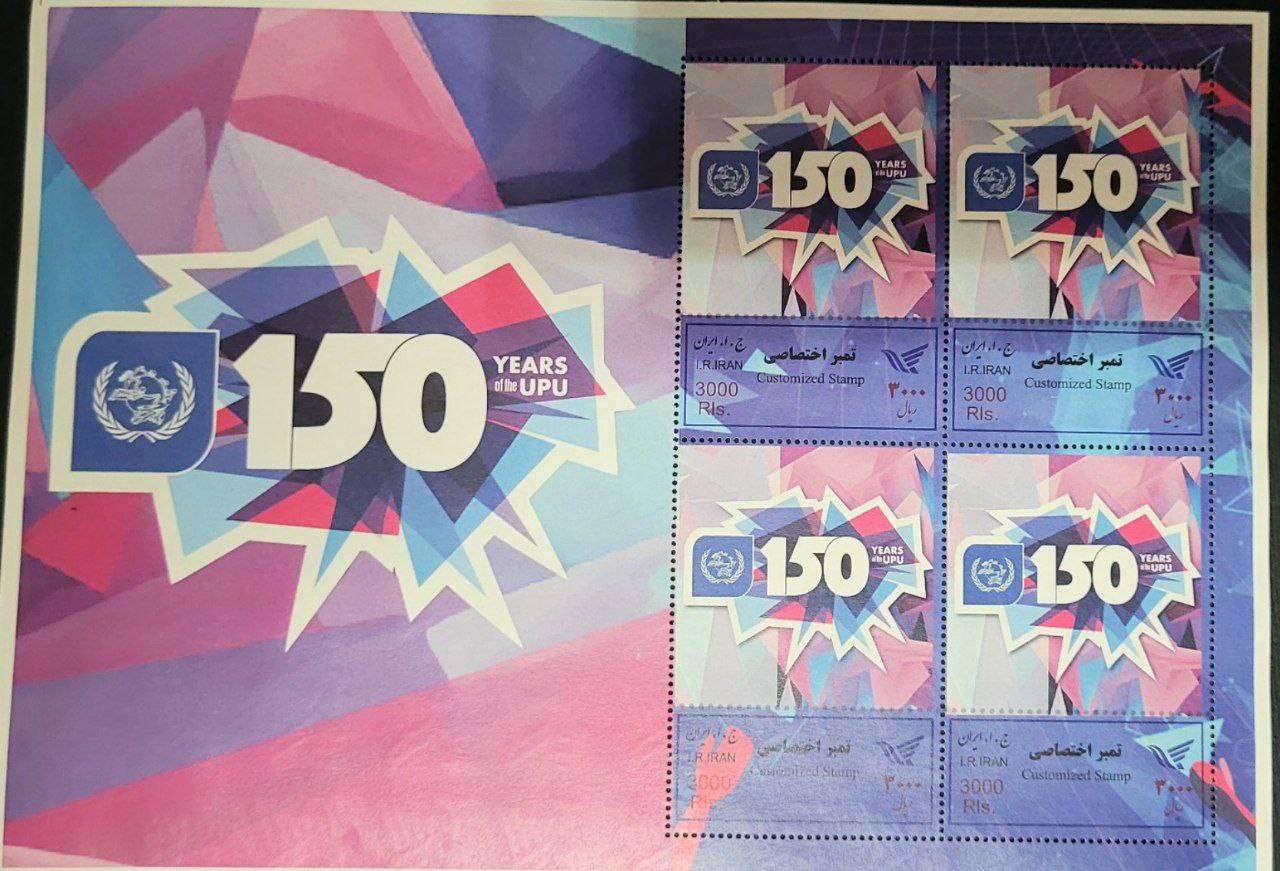
The Dominican Republic stamp was issued October 26, 2024 and therefore has to be moved in this sub-category. Same for Lybia which stamps were issued on October 22, 2024 instead of October 9, 2024. In Iran, two stamps appeared also, printed in miniature sheets of 4 stamps but in fact made of an illustrated label with the UPU anniversary logos, attached to a stamp with text only. It seems that these stamps correspond to (privately) personalized stamps with limited printing runs (additional information is needed here). As belonging to this sub-group, these two stamps will be described in the catalogue in italics characters.

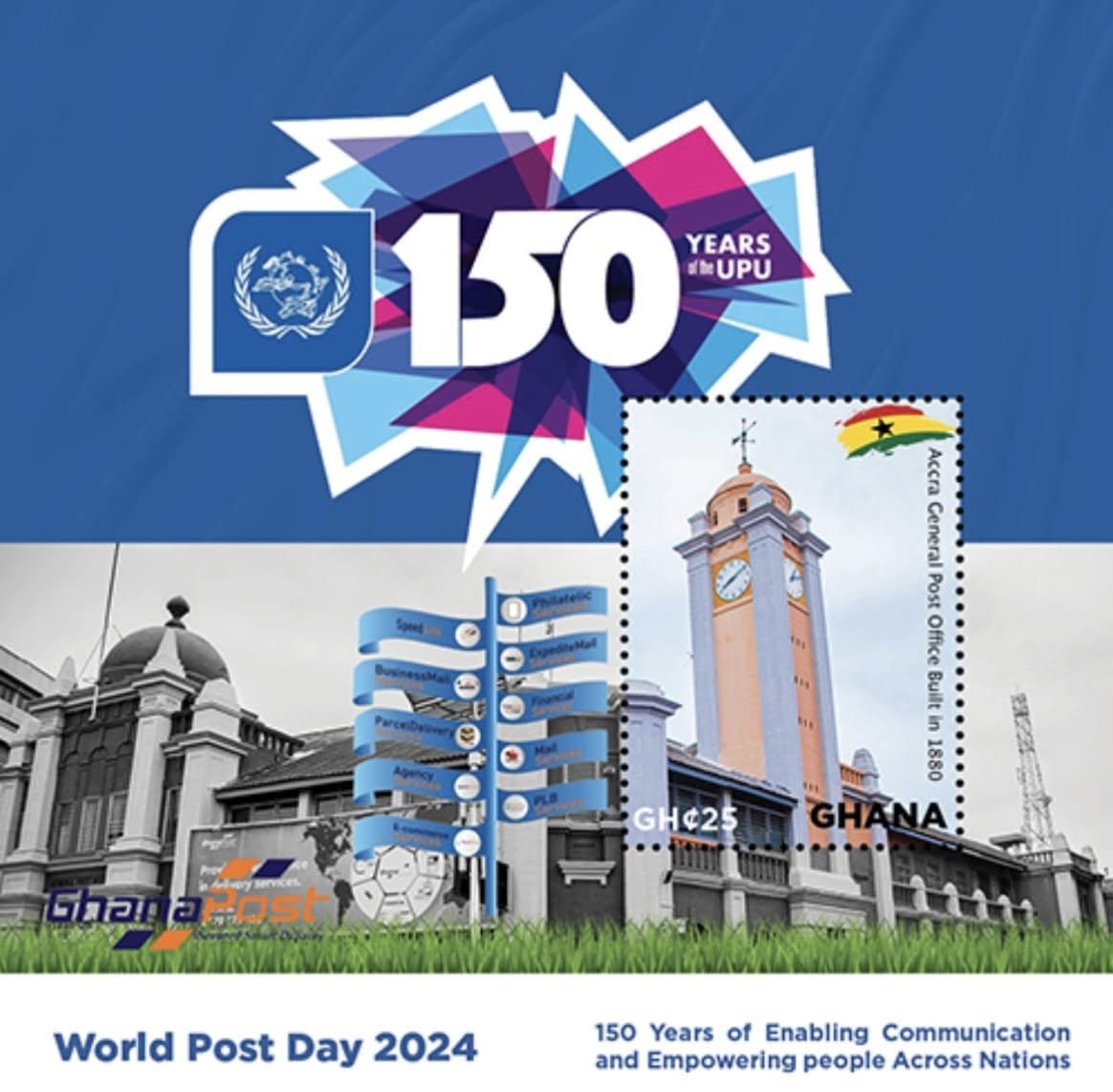
3. New countries of Type C (modified design – only logo [T2], [C2]): Ghana (), Italy (November 21), the Philippines ().

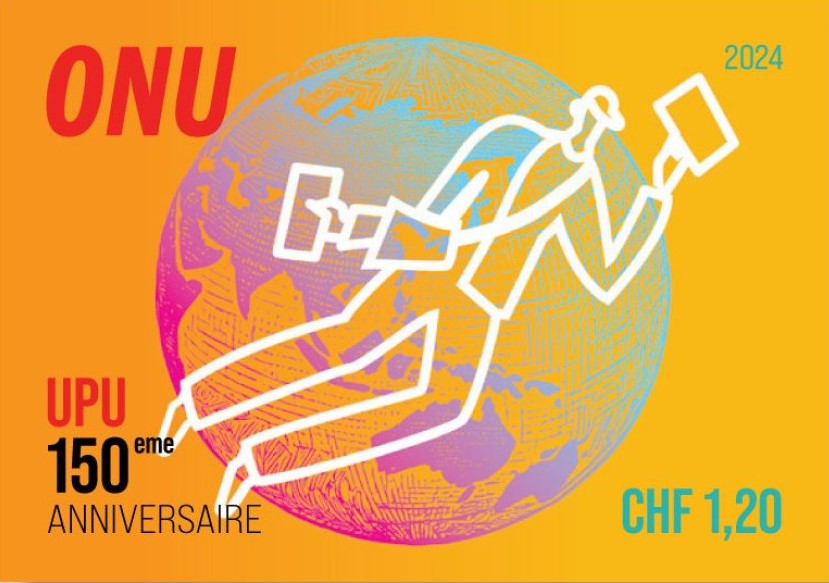
The exact date of issue for the Uzbekistan stamp is known now to be May 17, 2024. The United Nations stamps (Geneva, New York, and Vienna) had to be re-integrated in this category as the miniature sheets of 9 stamps [3×3] bear in the top margin the logo of the 150 UPU anniversary. These stamps were issued already on May 30, 2024.

Special miniature sheets including eight different countries have been produced and should be considered as se-tenant issues [S]. These stamps were printed with two different denominations, as perforated and non-perforated miniature sheets, at very low printing runs (100 units for each of the two perforated miniature sheets and 30 for the non-perforated ones). The countries involved in these items include Burundi, Central Africa, Djibouti, Guinea, Guinea-Bissau, Liberia, Sierra Leone and Togo (with stamp type B for this country). Due to the small printings runs, these miniature sheets must be considered as material to abuse collectors. They will be listed in the catalogue but in italics, just for information purpose. The printer of these countries also decided to create two postal cards per country with the same indicia (postal stationery) as pane stamps and souvenir sheet stamps, sold at very high prices, which must also be considered with the same status (abusive).

4. New country of Type D (different design, but same date [P1]): Honduras (October 9, 2024), 2 stamps

5. New country of Type E (different design, different date [N]): no new stamps

The UPU anniversary related stamp from the Netherlands is not an official Dutch post issue, but a personalized stamp, meaning it has to be filed as of private origin, in limited edition (information provided by Cesar Ittman, the Netherlands). The situation is similar for the Liechtenstein stamp, the second French stamp, Iran stamps, which are all to be considered as personalized or customized and/or private issues (all to be reported with italics characters in the catalogue).